Why Las Vegas Homes Built Before 1990 Need a Full Plumbing Inspection
Key Takeaways
- Pre-1990 Las Vegas homes contain galvanized pipes, polybutylene systems, and clay sewer lines that typically fail after 30-40 years
- Desert climate and hard water speed up plumbing deterioration through extreme temperature swings and mineral buildup
- Different neighborhoods like Summerlin and Green Valley Ranch have specific plumbing issues based on their construction era and materials
- Warning signs include declining water pressure, discolored water, and frequent drain clogs that indicate serious underlying problems
- Professional inspections using camera technology and pressure testing can identify hidden problems before catastrophic failures occur
- Emergency repairs cost 3-5 times more than planned replacements, not including potential water damage restoration expenses
- Current building codes and water authority requirements often mandate upgrades when major repairs are performed on older systems
- Annual inspections for older homes help prevent emergencies and provide documentation for insurance and property value protection
In This Article
The phone call came in at 2 AM from a homeowner in Green Valley Ranch. Water was pouring through their ceiling after a galvanized pipe finally burst after decades of deterioration. This scenario plays out dozens of times each year across Las Vegas neighborhoods filled with homes from the 1980s construction boom. While these properties represent some of the most desirable areas in the valley, they share a common hidden danger that many homeowners don't discover until disaster strikes.
Homes built before 1990 in Las Vegas face unique plumbing challenges that differ significantly from similar properties in other climates. The combination of desert conditions, hard water, and construction materials common during that era creates a perfect storm for plumbing failures. From Summerlin's planned communities to older neighborhoods near downtown, these homes require specialized attention to prevent catastrophic water damage and costly emergency repairs.
What Are The Hidden Dangers in Pre-1990 Las Vegas Plumbing?
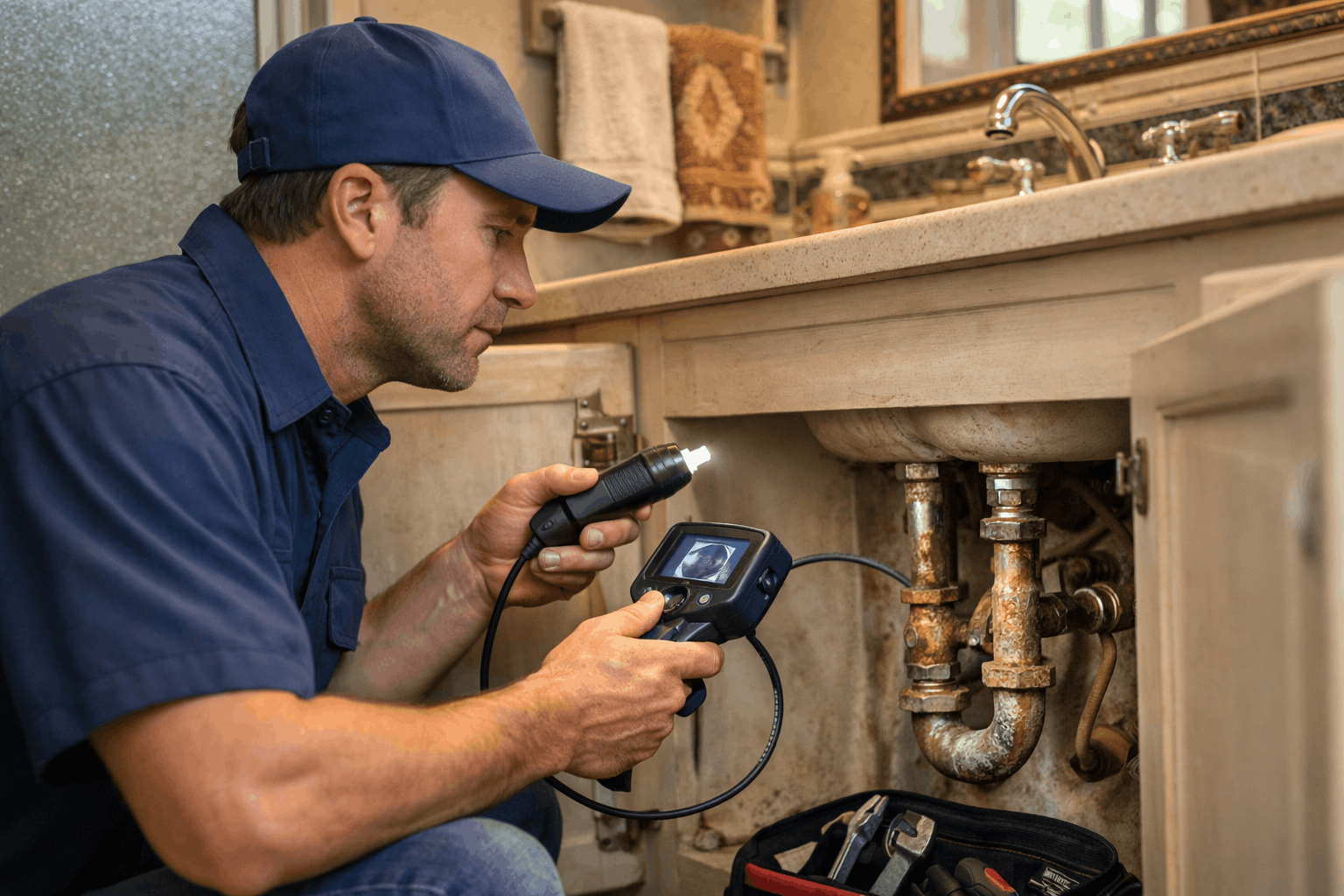
Construction practices from the 1980s relied heavily on materials that seemed durable at the time but have proven problematic over decades of desert living. These older homes throughout the Las Vegas valley contain plumbing systems that were built to different standards and with materials that don't hold up well to local conditions. Home inspection records from that era show installations that meet the codes of their time but fall short of modern reliability standards.
The most concerning aspect of these plumbing materials is their tendency to fail suddenly rather than gradually. Unlike newer systems that often show warning signs, older plumbing systems can go from functioning normally to complete failure in a matter of hours.
Galvanized Steel Pipes and Corrosion Issues
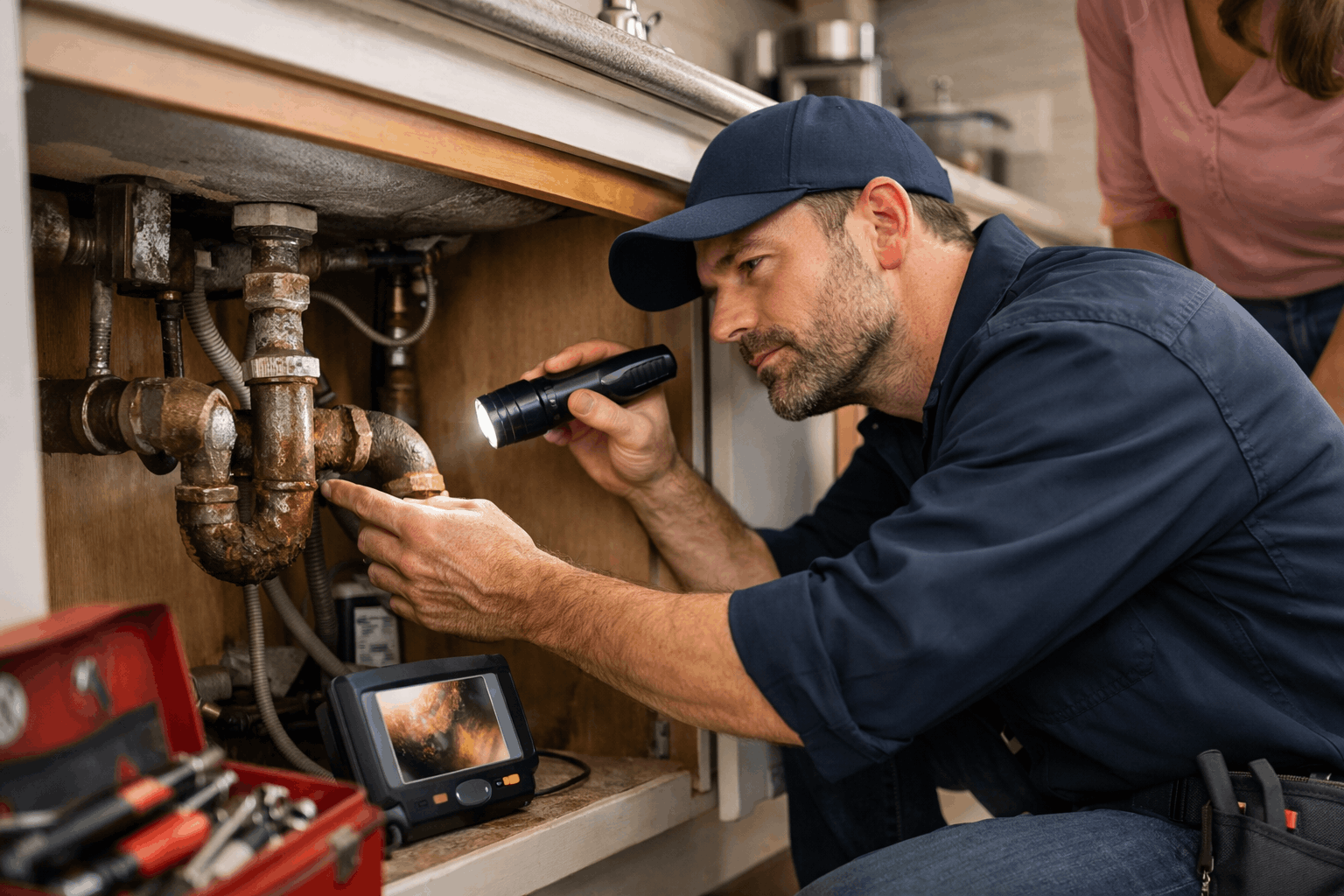
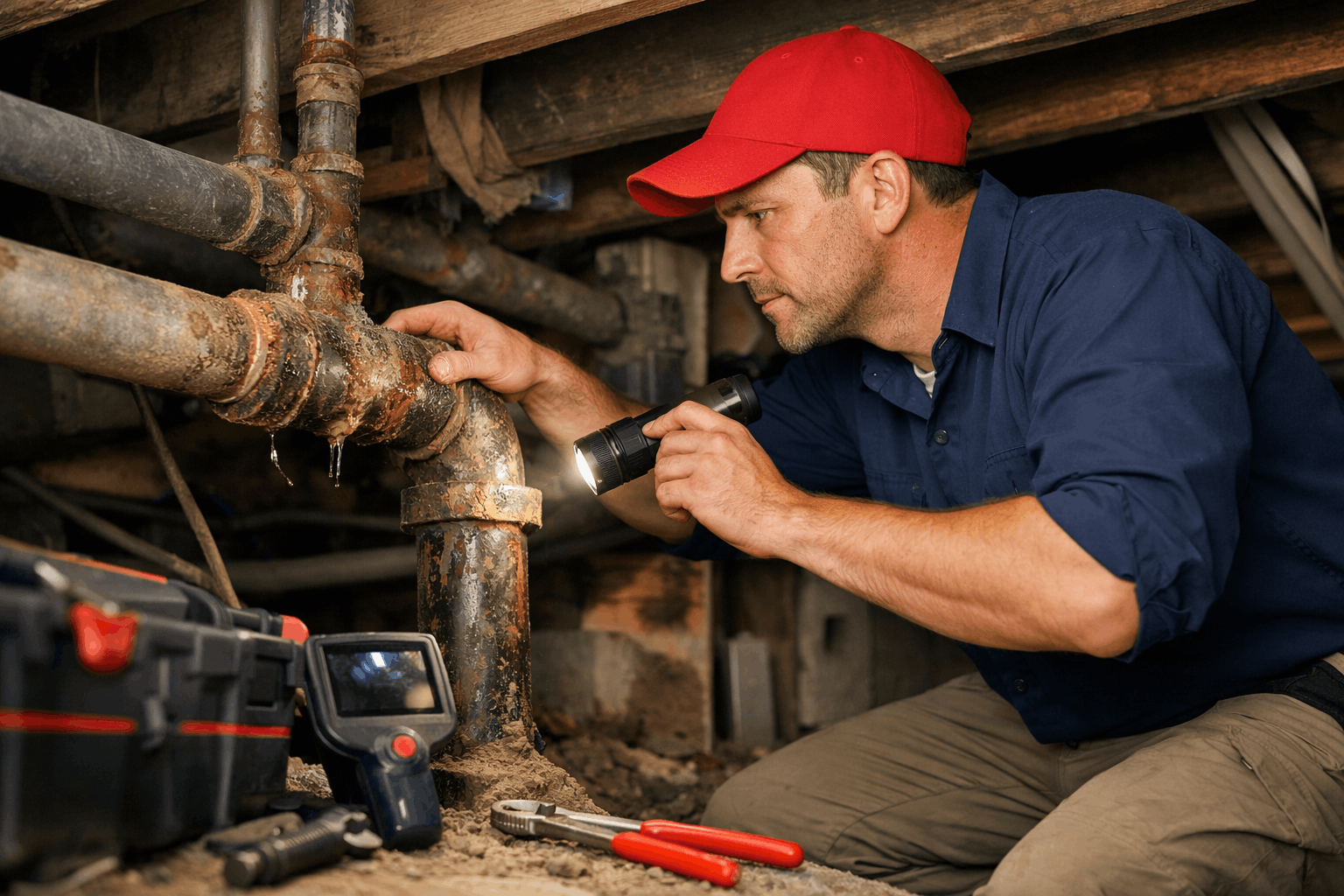
Galvanized pipes were the standard for water supply lines in most Las Vegas homes built through the 1980s. These pipes develop serious corrosion problems after 25-30 years, especially when exposed to the mineral-rich water common throughout Southern Nevada. The zinc coating that originally protected the steel gradually wears away, leaving the metal vulnerable to rust and deterioration.
Pipe corrosion in galvanized systems creates multiple problems simultaneously. The interior diameter shrinks as rust builds up, reducing water pressure throughout the home. Small pieces of rust and mineral deposits break loose, causing discolored water and potential health concerns. Most concerning, the pipes become increasingly fragile and prone to sudden failures that can flood entire rooms.
Outdated Sewer Line Materials
Clay pipes and early cast iron installations dominated sewer line construction in pre-1990 Las Vegas developments. These materials have reached or exceeded their expected lifespan in most homes, creating serious risks for sewage backup and property damage. Sewer line replacement has become increasingly common as these materials fail.
Clay pipes are particularly vulnerable to ground movement and root intrusion, both common issues in Las Vegas soil conditions. Cast iron sewer lines develop internal corrosion that narrows the pipe and creates rough surfaces that catch debris, leading to frequent backups and eventual complete blockage.
Original Water Heater Systems Past Their Prime
Water heaters installed during the 1980s have far exceeded their expected 8-12 year lifespan. These units not only operate inefficiently but pose serious risks for sudden failure and flooding. The combination of hard water mineral buildup and decades of thermal cycling weakens tank integrity and heating elements.
Original water heater installations often lack modern safety features like expansion tanks and proper venting systems. When these old units fail, they typically do so catastrophically, dumping 40-80 gallons of water into the home before homeowners even realize there's a problem. Water heater replacement becomes not just a matter of efficiency but safety.
Get Your Quote
Tell us what's going on and we'll get back to you. We're open 24/7.
How Las Vegas Climate Speeds up Plumbing Deterioration
The unique desert environment in Las Vegas creates plumbing challenges that don't exist in more moderate climates. Hard water with high mineral content, extreme temperature swings, and specific soil conditions all contribute to extra deterioration of older plumbing systems. These factors work together to reduce the lifespan of plumbing materials and increase the likelihood of sudden failures.
Desert conditions affect different parts of plumbing systems in ways that weren't fully understood when these homes were originally built. Modern plumbing systems account for these factors, but older installations remain vulnerable to damage from environmental conditions that may have seemed minor decades ago.
Extreme Temperature Swings and Pipe Expansion
Las Vegas experiences dramatic temperature variations, with summer days reaching 115°F and winter nights dropping below freezing. These temperature extremes cause pipe expansion and contraction cycles that stress joints and connections throughout the plumbing system. Older pipes and fittings become increasingly brittle after decades of this thermal cycling.
Temperature damage accumulates gradually but can result in sudden pipe failures, particularly at connection points where different materials meet. The stress is especially pronounced on pipes that run through attics or exterior walls, where temperature variations are most extreme.
Hard Water Mineral Buildup in Aging Systems
Las Vegas water contains high levels of calcium, magnesium, and other minerals that create buildup inside pipes and fixtures. This mineral buildup speeds up in older pipe systems where rough interior surfaces provide more area for deposits to accumulate. Over time, this buildup can reduce pipe diameter by 50% or more.
Hard water damage compounds other deterioration issues in older homes. Mineral deposits interact with corrosion to create pipe blockage and fixture damage that can be difficult and expensive to repair. Water softener systems can help prevent future damage but don't reverse decades of accumulation in underground pipes.
Ground Settlement in Desert Soil
Las Vegas sits on expansive clay soils that shift and settle as moisture levels change. Over 30-40 years, this ground settlement can stress underground pipes beyond their design limits. Sewer lines and main water supply pipes are particularly vulnerable to damage from soil movement that occurs gradually over decades.
Soil conditions in different parts of the valley create varying degrees of stress on underground plumbing systems. Areas with more clay content experience greater expansion and contraction cycles, while rocky areas can create point loads that crack pipes over time.
Neighborhood-Specific Plumbing Issues Across Las Vegas
Different Las Vegas neighborhoods present unique challenges based on their construction era, local utility infrastructure, and specific environmental conditions. Our team at Active Plumbing has identified patterns of plumbing problems that correlate with specific developments and areas throughout the valley. Understanding these local plumbing issues helps homeowners anticipate and prepare for potential problems.
The age and type of development significantly influences the plumbing problems we encounter. Master-planned communities from the late 1980s tend to have different issues than older central Las Vegas neighborhoods or custom homes built in developing areas of the valley.
Summerlin and Green Valley Ranch Developments
The early phases of Summerlin and Green Valley Ranch communities, which followed from the mid-1990s, share some of the same hard-water challenges. These planned developments used standardized construction practices that included galvanized supply lines and cast iron drain systems. The uniformity of construction means that plumbing problems tend to appear in waves as similar systems reach failure points simultaneously.
Many of these communities also installed original landscaping with trees that have now matured into major root intrusion problems for sewer lines. The combination of aging clay pipe systems and established root systems creates ongoing drainage issues that require professional intervention.
Central Las Vegas and Downtown Area Homes
Downtown Las Vegas and central Las Vegas properties often feature custom plumbing installations that vary significantly from house to house. This creates unique diagnostic challenges, as standard approaches may not apply to individually designed systems. Additionally, many of these homes have been renovated multiple times, creating mixed plumbing systems with components of different ages and materials.
The older utility infrastructure in central Las Vegas can also contribute to plumbing problems. Lower water pressure from aging municipal systems puts additional stress on private plumbing, while older sewer main connections may not accommodate modern drain flows effectively.
West Las Vegas and Paradise Valley Properties
West Las Vegas and Paradise Valley neighborhoods contain a mix of construction styles and ages that create diverse plumbing challenges. Some areas feature homes built on larger lots with longer pipe runs, increasing the likelihood of pressure loss and temperature damage. Others have smaller properties with shared utility connections that can complicate repairs and upgrades.
These established residential areas often have mature landscaping that interferes with sewer lines and creates access challenges for repairs. The combination of aging infrastructure and established neighborhoods requires specialized approaches to plumbing maintenance and repair.
Need Help in Las Vegas?
Active Plumbing serves Las Vegas and all of Las Vegas Valley.
Warning Signs That Demand Immediate Attention
Older Las Vegas homes often provide subtle warnings before major plumbing failures occur. Recognizing these plumbing warning signs can mean the difference between a planned repair and a plumbing emergency that causes thousands of dollars in water damage. Many homeowners dismiss early symptoms as minor inconveniences, not realizing they indicate serious underlying plumbing problems.
The key to preventing plumbing disasters is understanding which symptoms require immediate professional evaluation. Some warning signs indicate problems that will worsen gradually, while others suggest imminent failure that could happen at any time.
Water Pressure and Flow Issues
Declining water pressure throughout the home typically indicates significant pipe deterioration or blockage. In older homes with galvanized pipes, pressure loss often means the interior pipe diameter has been reduced by corrosion and mineral buildup. This low water pressure problem usually develops slowly but can reach a tipping point where pipes become completely blocked.
Inconsistent water pressure between different fixtures or areas of the home suggests partial blockages or pipe damage that affects some lines more than others. This uneven distribution of water pressure often indicates that complete system failure is approaching.
Discolored Water and Strange Tastes
Rusty water or metallic tastes indicate advanced corrosion in galvanized pipe systems. This discolored water often appears first thing in the morning or after periods of non-use, when corroded material has time to settle in the lines. The presence of rust particles in the water supply suggests that pipes are deteriorating from the inside out.
Water quality issues may also indicate cross-contamination from damaged sewer lines or other sources. Any persistent change in water color, taste, or odor requires immediate investigation to protect both health and property.
Frequent Drain Clogs and Backups
Older homes experience more drainage problems as pipe interiors become rough and catch debris more easily. Frequent drain clogs that seem to clear temporarily but return quickly often indicate partial pipe collapse or severe buildup that professional cleaning cannot fully address. Drain cleaning services may provide temporary relief but won't solve structural pipe problems.
Sewer backup incidents, even minor ones, suggest serious problems with main drain lines that could result in major sewage spills inside the home. Any backup that affects multiple drains simultaneously indicates problems with the main sewer line that require immediate attention.
What Active Plumbing Looks for During Inspections
Our comprehensive plumbing inspection process goes far beyond what typical home inspectors can accomplish with basic visual checks. We use specialized equipment and decades of experience with Las Vegas plumbing systems to identify problems that might not become apparent for months or years. The inspection process focuses on both immediate safety concerns and potential future failures that could be prevented with proper planning.
Professional inspection of older homes requires understanding the specific materials, installation methods, and common failure patterns associated with different construction eras. Our technicians know what to look for in 1980s construction and how to test systems thoroughly without causing damage.
Camera Inspection of Sewer Lines
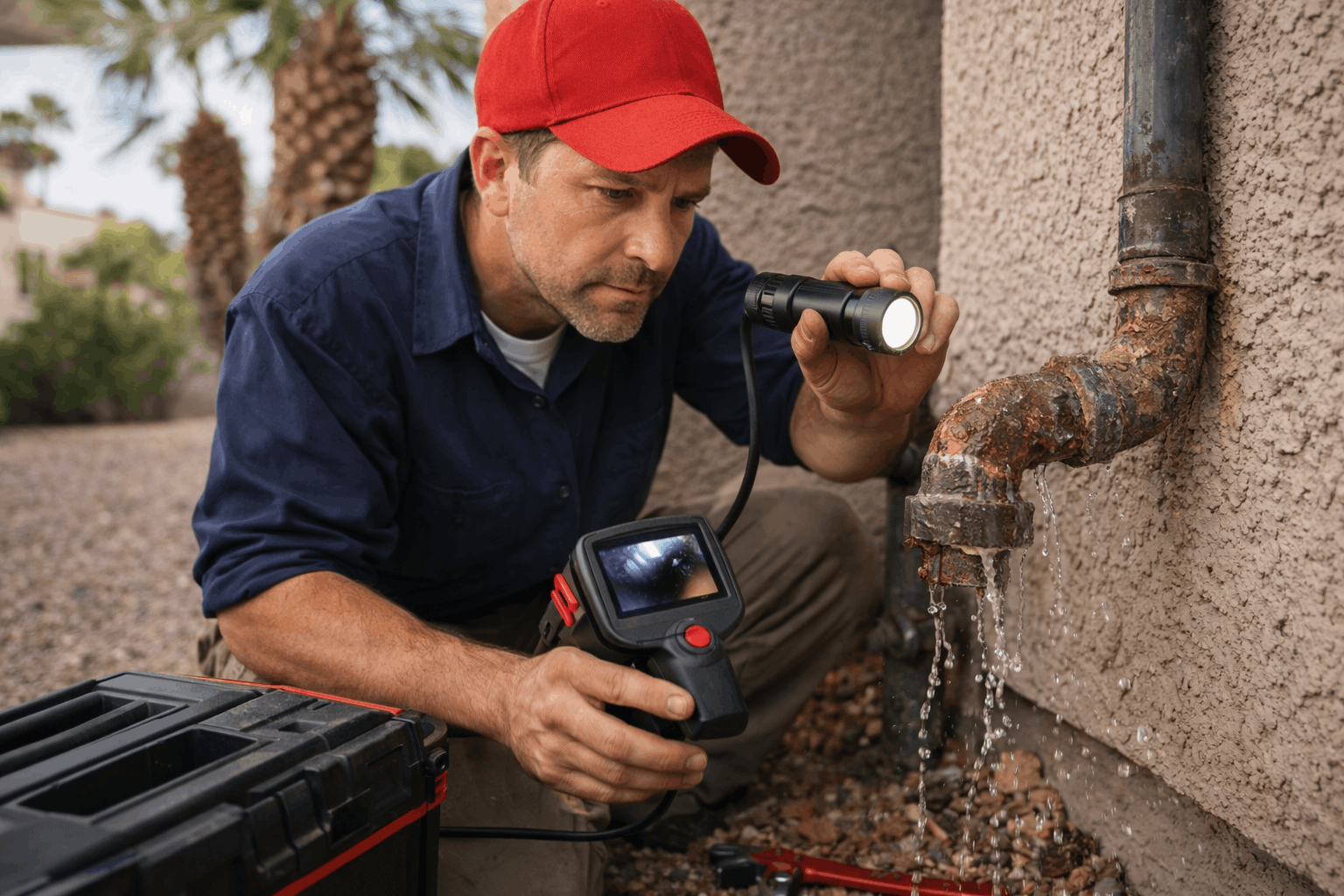
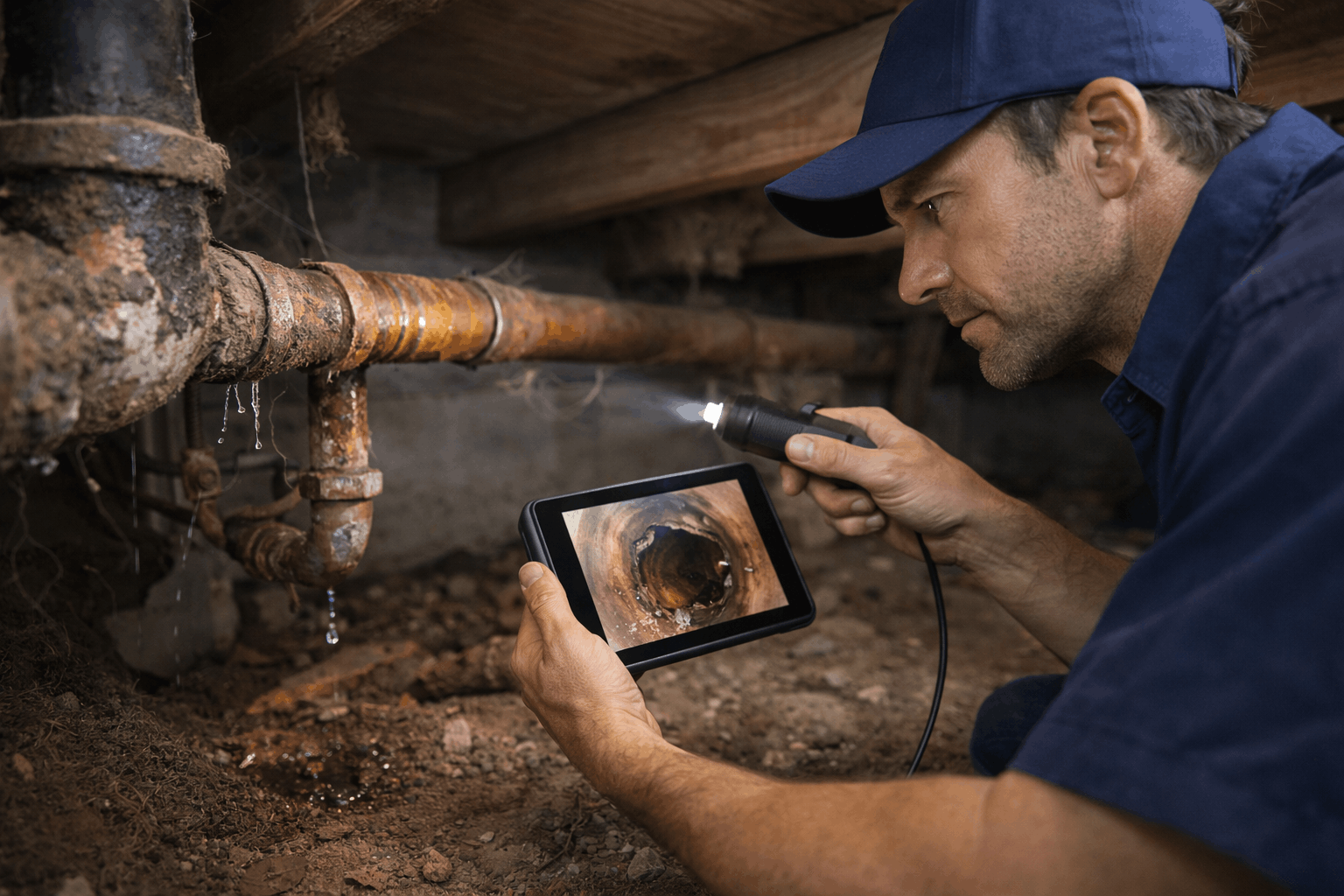
Sewer camera inspection provides detailed video footage of the interior condition of drain pipes and sewer lines. This video inspection technology allows us to identify root intrusion, pipe collapses, and severe corrosion that would be impossible to detect through other methods. The camera inspection also precisely locates problems, which reduces excavation costs if repairs become necessary.
Digital recording of camera inspections provides homeowners with documented evidence of pipe conditions for insurance claims and future reference. This documentation becomes particularly valuable when dealing with gradual deterioration that may not be covered under standard home warranties.
Water Pressure Testing Throughout the Home
Systematic pressure testing reveals both obvious and subtle problems with supply line integrity. We test static pressure, flow rates, and pressure drops under various load conditions to identify restrictions and leaks that affect system performance. Water pressure tests also help determine whether problems stem from municipal supply issues or private plumbing deterioration.
Pressure testing can identify weak points in aging pipe systems before they fail completely. This early detection allows homeowners to plan repairs during convenient times rather than dealing with emergency situations during holidays or extreme weather conditions.
Fixture and Appliance Connection Assessment
Older homes often have original fixture connections and shut-off valves that may not function properly during emergencies. Our fixture inspection includes testing every shut-off valve in the home to identify those that leak or cannot be closed completely. We also examine supply line connections for signs of deterioration or improper installation that could cause flooding.
Appliance connections receive particular attention during inspections, as washing machines, dishwashers, and water heaters represent some of the highest risks for water damage in older homes. Original connections may not meet current safety standards or may have deteriorated beyond safe operation.
Common Problems Found in 1980s Las Vegas Construction
The 1980s construction boom in Las Vegas coincided with the widespread use of several plumbing materials and techniques that have since proven problematic. Understanding these specific construction practices helps homeowners anticipate potential issues and plan appropriate upgrades. Many of the problems we encounter today stem from materials that were considered state-of-the-art during that construction era.
Building codes from the 1980s allowed installation methods and materials that would not be permitted in modern construction. While these systems met the standards of their time, they often fall short of current performance and safety expectations.
Polybutylene Pipe Installations
Polybutylene pipes were widely used in Las Vegas homes built between 1985 and 1995 because they were inexpensive and easy to install. However, these gray plastic pipes have proven highly susceptible to failure, particularly when exposed to chlorine in municipal water supplies. Polybutylene pipes can fail suddenly without warning, causing extensive flooding and water damage.
The failure rate of polybutylene systems is so high that many insurance companies now refuse to cover homes with these pipes or require immediate replacement before issuing policies. Whole house repiping becomes necessary when polybutylene systems are discovered during inspections.
Inadequate Venting Systems
Many 1980s installations featured minimal venting systems that don't provide adequate air flow for proper drainage. These inadequate plumbing vents cause slow drains, gurgling sounds, and sewer gas odors that indicate poor system performance. Modern venting standards require significantly more vent pipes and different configurations than were common in older construction.
Drainage venting problems often worsen over time as partial blockages and system deterioration reduce air flow even further. Homes with inadequate venting experience more frequent drain clogs and are more susceptible to sewer backup incidents during heavy use periods.
Original Fixture Connections and Shut-offs
Shut-off valves and fixture connections from the 1980s frequently fail when homeowners need them most. These original valves may not close completely, leak when operated, or break off entirely when someone attempts to use them during an emergency. Many older homes have angle stops and supply valves that haven't been operated in decades and are effectively useless for emergency water shutoff.
Original fixture connections also used different materials and installation methods that may not be compatible with modern replacement fixtures. This incompatibility can complicate seemingly simple repairs and require additional work to bring connections up to current standards.
Need Help in Las Vegas?
Active Plumbing serves Las Vegas and all of Las Vegas Valley.
The Cost of Waiting vs. Proactive Inspection
The financial difference between planned plumbing maintenance and emergency repairs can be dramatic, particularly in older Las Vegas homes. Emergency repairs typically cost 3-5 times more than similar work performed on a planned basis, and that doesn't include the cost of water damage restoration. Understanding plumbing costs helps homeowners make informed decisions about inspection and maintenance investments.
Insurance claims for plumbing-related water damage often face scrutiny when the underlying cause involves deferred maintenance or known pre-existing conditions. Preventive maintenance documentation can be the difference between a covered claim and a denied one that leaves homeowners responsible for tens of thousands of dollars in restoration costs.
Emergency Repair Costs in Las Vegas
Emergency plumbing services in Las Vegas typically cost $200-400 per hour during normal business hours, with significantly higher rates for nights, weekends, and holidays. A burst pipe that floods a home can easily generate $5,000-15,000 in immediate plumbing repair costs, before considering water damage restoration expenses.
Common emergency plumbing repair costs for older homes include main line stoppages ($400-800), burst pipe repairs ($800-2,500), and emergency water heater replacement ($2,000-4,000). These costs often include premium pricing for immediate service and may require additional work to bring systems up to code during repairs.
Planned Replacement and Upgrade Options
Scheduled plumbing replacement projects cost significantly less per unit of work because they can be planned efficiently and performed under optimal conditions. A planned whole-house repipe might cost $8,000-15,000, while doing the same work piecemeal during emergencies could easily cost twice that amount over time.
Plumbing upgrades performed during planned projects often include improvements that reduce future maintenance costs and improve system reliability. Modern materials and installation methods can extend system life to 50+ years, compared to 20-30 years for older materials and methods.
Insurance and Home Value Considerations
Many home insurance policies exclude coverage for damage caused by gradual deterioration or maintenance-related issues. Homes with documented plumbing problems may face higher premiums or coverage exclusions that make future claims difficult. Regular inspection and maintenance documentation helps demonstrate that homeowners are taking reasonable steps to prevent losses.
Property value impacts from plumbing problems can be substantial, particularly when selling older homes. Buyers increasingly request detailed plumbing inspections and may demand significant credits or repairs before closing. Homes with updated plumbing systems often sell more quickly and for higher prices than comparable properties with original 1980s plumbing.
Working with Las Vegas Water Authority Requirements
The Las Vegas Valley Water District and other local water authorities have implemented numerous requirements and standards that didn't exist when older homes were built. These modern regulations affect everything from fixture efficiency to backflow prevention and cross-connection control. Understanding current plumbing codes helps homeowners plan updates that meet regulatory requirements.
Local building departments now require permits and inspections for many plumbing repairs that were previously considered simple maintenance. This increased oversight helps protect public health and safety but also means that some repairs in older homes trigger requirements for additional upgrades to bring systems into compliance.
Current Plumbing Code Requirements
Modern plumbing codes require significantly different installation methods, materials, and safety features compared to 1980s standards. Current codes mandate earthquake strapping for water heaters, expansion tanks for closed systems, and different venting configurations for drainage systems. These building codes changes mean that major repairs often trigger requirements for system upgrades.
Code compliance issues can complicate the sale of older homes, as inspectors and insurance companies increasingly scrutinize plumbing systems for adherence to current standards. Proactive upgrades help avoid delays and complications during real estate transactions.
Water Conservation Mandates
Las Vegas area water authorities now require low-flow fixtures that use significantly less water than original 1980s installations. These water conservation requirements apply to new installations and replacements, meaning that fixture repairs often trigger upgrades to more efficient models.
Older homes with high water usage may face penalties or restrictions from local water authorities. Fixture upgrades can reduce monthly water bills while helping homeowners comply with conservation mandates and avoid potential penalties.
Backflow Prevention Updates
Cross-connection control and backflow prevention requirements have expanded significantly since the 1980s. Many older homes now require installation of backflow prevention devices for irrigation systems, pool equipment, and other connections that could potentially contaminate the public water supply.
Water safety regulations may require testing and certification of backflow prevention devices on an annual basis. These ongoing compliance requirements add to the total cost of ownership for older homes but are necessary to protect public health and avoid water authority penalties.
Preparing Your Home for Inspection
Proper preparation maximizes the value and accuracy of professional plumbing inspections while minimizing the time and cost involved. Homeowners can take several steps to help inspectors access all areas of the plumbing system and understand the history of problems and repairs. Good inspection preparation often reveals additional issues that might otherwise be missed during a standard evaluation.
The goal of preparation is to give inspectors the information and access they need to provide the most comprehensive assessment possible. This preparation investment pays dividends in the form of more accurate diagnoses and better recommendations for repairs and upgrades.
Gathering Home Construction Documents
Original construction documents, building permits, and plumbing diagrams provide inspectors with baseline information about system design and installation methods. These home records help identify deviations from original plans and reveal modifications that might affect system performance or safety.
Previous inspection reports, warranty information, and repair receipts create a timeline of system changes and problems that helps inspectors focus their evaluation on areas of concern. This documentation also provides valuable information for insurance claims and warranty coverage determinations.
Clearing Access to Plumbing Areas
Inspection access to crawl spaces, utility rooms, and plumbing fixtures allows inspectors to examine systems thoroughly without obstacles. Removing stored items from around water heaters, clearing access panels, and ensuring adequate lighting in work areas helps inspectors complete their evaluation efficiently.
Many important plumbing components are located in areas that homeowners rarely visit, such as behind access panels or in utility spaces. Preparing these areas for inspection often reveals obvious problems that homeowners weren't aware of, such as minor leaks or corrosion that could become major issues.
Creating a Problem History Timeline
Documenting previous plumbing problems, repairs, and unusual symptoms helps inspectors understand system performance patterns and identify underlying issues. This plumbing history should include dates of repairs, descriptions of problems, and any temporary fixes that might still be affecting system performance.
Repair records from previous owners or service companies provide additional insight into system condition and reliability. This information helps inspectors determine whether previous repairs were performed correctly and whether ongoing problems suggest more serious underlying issues.
Need Help in Las Vegas?
Active Plumbing serves Las Vegas and all of Las Vegas Valley.
When to Schedule Emergency vs. Routine Inspections
Understanding the difference between emergency and routine inspection needs helps homeowners respond appropriately to plumbing problems and schedule services at optimal times. Emergency inspections focus on immediate safety and property protection concerns, while routine inspections provide comprehensive system evaluation for long-term planning. Proper inspection scheduling can prevent emergencies and reduce overall maintenance costs.
The timing of plumbing inspections affects both the quality of the evaluation and the cost of services. Routine inspections performed during normal business hours typically provide more thorough assessments than emergency evaluations performed under urgent conditions.
Emergency Inspection Triggers
Urgent inspection situations include active leaks, sewer backups, gas odors, and any situation where water or sewage is entering living spaces. These emergency plumbing situations require immediate professional assessment to prevent property damage and protect health and safety. Emergency inspections focus on stopping active problems and identifying immediate hazards rather than comprehensive system evaluation.
Signs that warrant emergency inspection include complete loss of water pressure, multiple fixture failures, or any situation where water damage is actively occurring or imminent. These situations require immediate response to minimize damage and restore basic utility functions.
Annual Maintenance Inspection Benefits
Regular annual inspections of older homes help identify developing problems before they become emergencies. These preventive maintenance evaluations can be scheduled at convenient times and provide comprehensive system assessments that include testing, documentation, and planning recommendations.
Annual inspections also provide documentation of system condition for insurance purposes and help homeowners budget for upcoming repairs and replacements. This proactive approach typically reduces overall maintenance costs and prevents many emergency situations.
Pre-Purchase Inspection for Older Homes
Home buyers should always request specialized plumbing inspections for pre-1990 Las Vegas properties, beyond the basic evaluation included in standard home inspections. These detailed buyer inspections should include camera inspection of sewer lines, pressure testing of supply systems, and evaluation of all major components for remaining useful life.
A thorough home purchase inspection helps buyers understand the true cost of ownership and avoid properties with major hidden plumbing problems. This information is also valuable for negotiating purchase prices and planning renovation budgets.
Final Thoughts
Las Vegas homes built before 1990 represent some of the most desirable neighborhoods in the valley, but they require specialized attention to maintain their plumbing systems safely and reliably. The combination of aging materials, desert conditions, and evolving building standards creates unique challenges that demand professional evaluation and proactive maintenance.
At Active Plumbing, we've seen the difference that early detection and planned repairs can make in preventing costly emergencies and protecting property values. The investment in professional inspection pays for itself many times over through prevented damage and efficient repair planning.
Frequently Asked Questions
- How long does a full plumbing inspection take for an older home?
- A comprehensive plumbing inspection for a pre-1990 Las Vegas home typically takes 3-4 hours, depending on the size and complexity of the system. This includes camera inspection of sewer lines, pressure testing, fixture evaluation, and documentation of findings. Emergency inspections focused on specific problems may take 1-2 hours but provide less comprehensive system evaluation.
- What does a plumbing inspection cost in Las Vegas?
- Full plumbing inspections for older homes typically cost $300-600, depending on the size of the property and specific tests required. This includes camera inspection of main sewer lines, pressure testing, and detailed reporting. Specialized leak detection services may add $150-300 to the total cost but can prevent thousands in water damage.
- Can I stay in my home during a plumbing inspection?
- Yes, most plumbing inspections can be completed while residents remain in the home. However, water service may be temporarily interrupted during pressure testing and some fixture evaluations. We recommend scheduling inspections when someone can be present to provide access and answer questions about system performance and history.
- What happens if the inspection finds major problems?
- When inspections reveal serious issues like polybutylene pipes or failing sewer lines, we provide detailed reports with prioritized recommendations and cost estimates for repairs. Major repairs can often be scheduled over time based on urgency and budget considerations. We work with homeowners to develop practical repair plans that address safety concerns first while planning for long-term system reliability.
- Do I need permits for plumbing repairs found during inspection?
- Las Vegas building codes require permits for most plumbing repairs beyond basic fixture replacement and drain cleaning. Major repairs like repiping, sewer line replacement, or water heater installation require permits and inspections. We handle all permit applications and scheduling to ensure repairs meet current code requirements and pass final inspections.
- How often should older homes have plumbing inspections?
- Pre-1990 homes should have comprehensive plumbing inspections every 2-3 years, with annual evaluations of high-risk components like water heaters and main shutoff valves. Homes with known issues or previous repairs may benefit from more frequent monitoring. Properties with polybutylene pipes or other high-risk materials should be inspected annually until replacement is completed.
- Will my home insurance cover problems found during inspection?
- Insurance coverage for plumbing problems depends on the cause and your specific policy terms. Sudden failures from covered perils are typically covered, while gradual deterioration and maintenance issues are usually excluded. Documentation from regular inspections can help support claims by showing that problems developed suddenly rather than from neglect or gradual wear.
- Can Active Plumbing provide same-day emergency inspections?
- Same-day emergency inspections are available for urgent situations involving active leaks, sewer backups, or other immediate hazards. We maintain emergency response capability 24/7 throughout the Las Vegas valley. For non-urgent comprehensive inspections, we typically schedule within 2-3 business days to allow adequate time for thorough evaluation and testing.
Licensed plumbing professionals serving Las Vegas and Las Vegas Valley.
Licensed in Nevada · License #0047021
Last updated on
Why trust Active Plumbing?
Founded in 1991, Active Plumbing is a licensed and insured plumber serving Las Vegas and Las Vegas Valley. All content is reviewed by our licensed technicians.

Need Help in Las Vegas?
Active Plumbing serves Las Vegas and all of Las Vegas Valley.
Related Articles
Burst Pipe in a Las Vegas Two-Story: The Upstairs-to-Downstairs Damage Clock
A burst pipe upstairs floods the rooms below fast. Learn the minute-by-minute damage clock, first response steps, and how Active Plumbing handles two-story emergencies across the Las Vegas valley.
Sewer Smell in Las Vegas: How to Find the Cause Safely
A practical guide to finding the cause of a sewer smell in Las Vegas homes safely, covering common causes, safety steps, local risks, and professional fixes.
Water Heater Explosions in Las Vegas: How Sediment and Pressure Cause Failures
Learn how Las Vegas hard water sediment and pressure buildup cause water heater failures, the warning signs to watch for, and how to prevent a dangerous burst.