Whole House Repipe Cost in Las Vegas by Square Footage

Key Takeaways
- Whole house repipe cost in Las Vegas ranges from about $4,000 for small homes to $35,000 or more for large custom estates.
- Square footage is the biggest price driver, followed by pipe material and home layout.
- PEX costs less, installs quicker, and resists hard water buildup, making it the popular valley choice; copper lasts long but costs 30 to 50 percent more.
- Older homes near areas like Charleston Heights often have galvanized pipe that corrodes and needs full replacement.
- A repipe covers hot and cold supply lines, not drain or gas lines, and requires a Clark County or City of Las Vegas permit.
- Most valley homes are repiped in one to three days with only short water shutoffs, so families can usually stay home.
- Bundling a repipe with a kitchen or bath remodel saves on drywall repair, and financing can spread the cost over time.
- A free in-home walkthrough with a fixed quote is the only way to get an accurate repipe price for your specific home.
In This Article
A homeowner in Summerlin noticed a small water stain on her hallway ceiling last spring. She wiped it, painted over it, and forgot about it. Three weeks later, a plumber pulled back the drywall and found a pinhole leak in a copper line that had been slowly dripping for months. That single spot was the third leak in her house that year.
Stories like this are common across the valley. Homes in Henderson, Spring Valley, and older parts of Las Vegas were built with pipe that our hard water wears down over time. Once one pinhole leak shows up, more usually follow. That is the moment most owners start asking one big question: what does a full repipe actually cost?
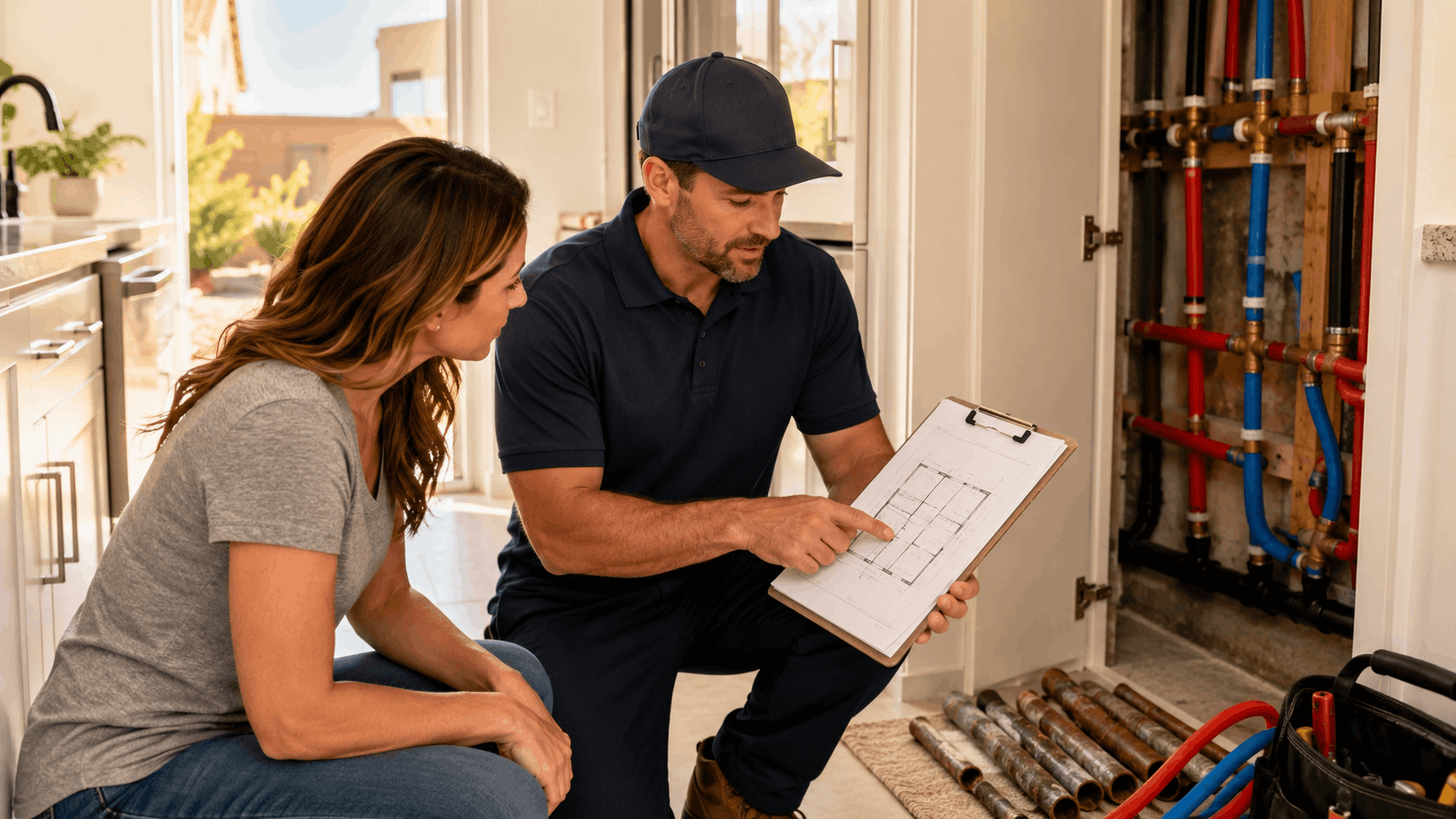
What a Whole House Repipe Actually Involves?
A whole house repipe means replacing the water pipes that carry fresh water through your home. A crew removes the old supply lines and installs new ones, then connects everything back to your fixtures. It sounds huge, and it is a real project, but for most valley homes it wraps up in a few days.
Las Vegas homeowners end up needing repiping for a simple reason. Our water is hard and our older pipe types do not hold up forever. When the same house springs leak after leak, patching stops making sense and full repiping becomes the smarter money move.
Here is a quick look at what the work covers and what it leaves alone.
| Part of the Home | Included in a Repipe? |
|---|---|
| Hot and cold water supply lines | Yes |
| Fixture shutoff valves | Usually |
| Main water line connections | Often |
| Drain and sewer lines | No (separate job) |
| Gas lines | No (separate job) |
Repiping vs. Spot Repairs
A spot repair fixes one leak in one place. A plumber cuts out the bad section of pipe, splices in a new piece, and closes the wall. For a single pinhole leak in an otherwise healthy system, that is often the right call and the cheaper one.
The math changes when leaks keep coming back. If a copper system develops one pinhole leak, the same corrosion is usually happening across every other line in the house. Chasing each new drip with a patch means paying for repeated wall openings, drywall repair, and service calls.
Most homeowners have passed the point of spot fixes once they hit their third leak in a year or two. At that stage, the money spent on patches would cover a good chunk of a full repipe. Replacing everything at once ends the cycle instead of feeding it.
Our team is honest about this line. If a home only needs a burst pipe repair or one spot fix, we say so. We only recommend a full repipe when the pattern of failure points to a system that is worn out.
Which Pipes Get Replaced
A standard repipe covers the pressurized supply lines that bring water to your sinks, showers, tubs, toilets, and appliances. That includes both the hot and cold water runs throughout the house. These are the lines under pressure, so they are the ones prone to pinhole leaks.
Drain lines are a different system and usually stay in place. Drains rely on gravity, not pressure, and they wear out in different ways. If your drains are failing too, that is handled through drain and sewer services as its own project.
Gas lines also stay separate. Those are their own specialty and follow different codes and inspections. A repipe quote should make it clear that it covers water supply lines only unless you add other work.
So what goes and what stays? The old worn supply lines go. The drains, vents, and gas piping stay unless you choose to address them at the same time. Knowing this split helps you read a quote and understand exactly what you are paying for.
Signs a Las Vegas Home Needs Repiping
Low water pressure is one of the more common signs we hear about. When mineral buildup narrows old pipes, the water that reaches your shower slows to a trickle. If pressure has been dropping for months and cleaning the aerators did not help, the pipes may be the problem.
Discolored water is another red flag. Brown, yellow, or rusty water coming out of the tap often points to corroding pipe walls shedding into the flow. This shows up more in older galvanized systems common in valley homes built decades ago.
Repeat leaks are the clearest signal of all. One leak can be bad luck. Two or three in a short span usually means the whole system is reaching the end of its life. Homeowners near older streets in Charleston Heights and Rancho Bel Air see this pattern often.
Other warning signs include water stains on ceilings or walls, a spike in the water bill, and a metallic taste. When several of these show up together, it is worth having a plumber map out the system and talk options.
Get Your Quote
Tell us what's going on and we'll get back to you. We're open 24/7.
Repipe Cost by Square Footage in Las Vegas
Home size is the biggest driver of repipe cost. More square footage means more pipe, more fixtures, and more labor hours. That is why pricing tracks so closely with how big the house is.
The ranges below reflect real jobs across the valley. Your final price depends on pipe material, home layout, and how many bathrooms you have. Still, these figures give a solid starting point for a budget.
| Home Size | Typical Repipe Price Range |
|---|---|
| Under 1,500 sq ft | $4,000 - $8,000 |
| 1,500 - 2,500 sq ft | $6,500 - $12,000 |
| 2,500 - 4,000 sq ft | $10,000 - $18,000 |
| Over 4,000 sq ft | $16,000 - $35,000+ |
Small Homes Under 1,500 Square Feet
Smaller homes and condos are the least expensive to repipe. With fewer fixtures and shorter pipe runs, a small home repipe often lands between $4,000 and $8,000. Older single-story houses near downtown and the Historic Westside fall in this group.
Condo repipe jobs can be trickier than the square footage suggests. Shared walls, HOA rules, and limited access sometimes add steps. Even so, a one or two bathroom condo usually stays on the lower end of the range.
Many of these smaller homes were built decades ago with galvanized or early copper pipe. That means they are prime candidates for repiping once leaks or pressure problems start. The good news is the work goes quickly on a compact floor plan.
For homeowners in these older pockets, a repipe is often the single best plumbing upgrade they can make. It clears out decades of buildup and corrosion in one pass. We handle these jobs regularly across the central Las Vegas area.
Mid-Size Homes 1,500 to 2,500 Square Feet
This is a common home size in the valley. Suburban houses in Spring Valley and Henderson often land right in this band. The average repipe cost here runs roughly $6,500 to $12,000.
A mid-size home usually has two to three bathrooms, a kitchen, and a laundry hookup. That is a fair amount of pipe to replace, but the layouts are usually straightforward. Single-story versions cost less than two-story ones because of easier access.
Neighborhoods like Spring Valley and Henderson have thousands of homes in this size range from the 1980s and 1990s. Many are hitting the age where original pipe starts to fail. We see a steady stream of these repipes every year.
The final number for a mid-size home depends heavily on material choice and whether the crew can run new lines through the attic or has to work through walls. Those details can swing the price a few thousand dollars either way.
Large Homes 2,500 to 4,000 Square Feet
Larger two-story homes in Summerlin and Southern Highlands cost more to repipe because of scale. A large home repipe generally runs $10,000 to $18,000. More bathrooms, longer runs, and multiple stories all add labor.
A two-story home adds a real challenge. Pipes must run up walls and across floors between levels, which takes more time and more careful wall access. Homes with three or more bathrooms push toward the higher end.
Communities like Summerlin are full of homes in this bracket. Master suites, guest baths, wet bars, and outdoor kitchens all add fixtures that need supply lines. Each one is another connection point in the job.
For these homes, a detailed walkthrough matters even more. The price can vary widely based on how the original plumbing was routed. A fixed quote after an in-person inspection is the only way to get an accurate figure.
Estate and Custom Homes Over 4,000 Square Feet
Custom estates are their own category. An estate home repipe can start around $16,000 and climb past $35,000 for the largest properties. Homes in The Ridges and MacDonald Highlands often fall here.
These properties have complex layouts that drive up custom home plumbing costs. Think five or more bathrooms, multiple water heaters, recirculation loops, and specialty fixtures. Each feature adds pipe and connection work.
High-end finishes also raise the stakes. Repiping behind imported tile or custom cabinetry demands extra care to protect the surrounding work. That precision takes time, and time is a large part of any repipe bill.
Many of these homes also use premium copper or hybrid systems. Between the material, the size, and the finish protection, estate repipes require careful planning. We map every run in detail before quoting a custom home so there are no surprises later.
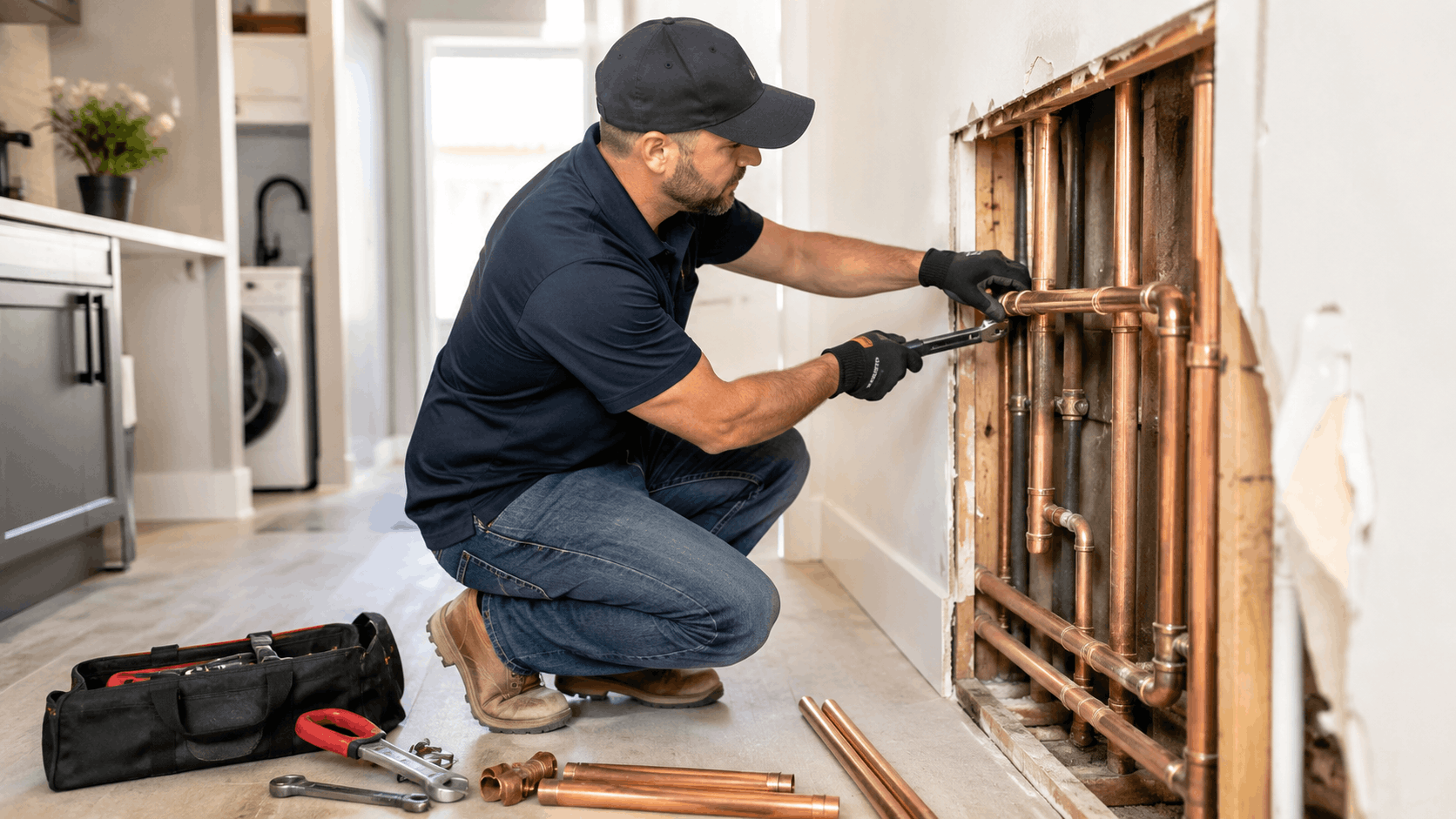
Need Help in Las Vegas?
Active Plumbing serves Las Vegas and all of Las Vegas Valley.
Pipe Material and How It Changes the Price
After square footage, pipe material is the next big factor in cost. The two main choices in the valley are PEX and copper. Each has real tradeoffs in price and lifespan.
The right material depends on your budget, your goals, and how long you plan to stay in the home. Here is how the two compare on the things that matter most.
| Factor | PEX | Copper |
|---|---|---|
| Relative cost | Lower | Higher (30-50% more) |
| Lifespan | 40-50 years | 50+ years |
| Hard water resistance | Excellent | Good |
| Install speed | Quicker (flexible) | Slower (soldered) |
| Freeze tolerance | Better | Lower |
PEX Piping Costs
PEX is the popular budget-friendly choice across the valley, and for good reason. This flexible piping bends around corners, so crews need fewer fittings and less time. Lower labor hours mean lower total PEX cost for the homeowner.
PEX also resists the scale buildup that plagues older metal pipe. That matters a lot given our hard water. It does not corrode from the inside the way copper eventually can, which helps it last for decades.
For a mid-size home, choosing PEX can save several thousand dollars over copper. That savings is a big reason it has become the default for many repipes in Spring Valley and Henderson. The performance is strong and the price is friendly.
The one thing to check is your HOA. Some communities and some buyers still prefer copper. If you plan to sell soon, ask your plumber how PEX might factor into a future inspection or appraisal in your neighborhood.
Copper Repiping Costs
A copper repipe costs more, usually 30 to 50 percent above PEX. The higher copper piping cost comes from both the material price and the slower install. Each joint has to be cleaned, fitted, and soldered by hand.
Copper has a long track record and can last well over 50 years. Some buyers and appraisers view it as a premium upgrade. In certain HOA communities, copper is preferred or even expected.
The tradeoff is that copper can corrode over time in hard water conditions. That is exactly what causes the pinhole leaks so many valley homes eventually face. Newer copper handles this better than older stock, but it is not immune.
For homeowners who want a classic material and plan to stay long term, copper can be worth the premium. Our team walks each customer through the cost difference so the choice fits their goals and budget.
Why Hard Water Affects Material Choice
Las Vegas water comes largely from the Colorado River through Lake Mead. It arrives loaded with calcium and magnesium, which makes it some of the hardest water in the country. That hardness shapes how pipes age here.
Over years, minerals build up inside pipes and narrow the flow. In copper, the water chemistry can also eat tiny holes through the pipe wall. This is why hard water is a top reason valley homes need repiping in the first place.
PEX handles hard water better because minerals do not stick to it the same way. That resistance is a real point in its favor for our region. It is one reason so many local repipes now use PEX.
No matter which pipe you choose, a water softener installation protects your new investment. Softer water extends the life of your pipes, water heater, and fixtures. Pairing a repipe with softening is a smart long-term play in Las Vegas.
Local Factors That Drive Repipe Costs in the Valley
Two homes of the same size can have very different repipe prices. Local factors like home age, foundation type, and permit rules all play in. Understanding these helps you read your own situation before the quote arrives.
Las Vegas plumbing has its own quirks. Slab foundations, attic runs, and Clark County permit steps all shape the final cost. Here is what to watch for.
Home Age and Original Pipe Type
Homes built in the 1970s and 1980s often have galvanized steel pipe. This older material rusts from the inside out. Neighborhoods near Charleston Heights and other established areas have many homes with these aging lines.
Galvanized pipe is one of the strongest reasons to repipe. As it corrodes, it restricts flow and can turn water brown. Replacing it usually brings back pressure and clears up water quality right away.
Some homes from that era also have early plastic pipe like polybutylene. That material became known for failing and is a leading candidate for replacement. If your home is from before the 1990s, its original pipe type is worth investigating.
Removing old galvanized lines can add a little labor since the pipe is rigid and often stubborn. Still, the payoff is large. Owners of older homes near Charleston Heights tell us the difference in pressure is night and day after a repipe.
Slab vs. Attic Access
How your pipes are routed affects labor time. Many single-story valley homes sit on a slab foundation with pipes running through the attic and down the walls. Attic access usually makes for a cleaner, more quickly job.
When crews can run new lines through the attic, they open fewer walls. That cuts both labor and drywall repair. It is one reason single-story homes often cost less to repipe than two-story ones.
Homes with pipes buried in the slab are a different story. Rerouting around a slab takes planning and sometimes means running new lines overhead instead. That extra work adds to the price.
During the inspection, our team maps the routing before quoting. Knowing whether a home uses attic runs or slab lines is the first step to an accurate number. It also tells us how much wall access the job will need.
Permits and Inspections in Clark County
A whole house repipe requires a permit. Depending on your address, that goes through Clark County Building and Fire Prevention or the City of Las Vegas building department. Permit fees typically add a few hundred dollars to the job.
The permit protects you as the homeowner. It means a county inspector checks the work against code. That inspection is part of what makes a repipe a real, lasting upgrade rather than a shortcut.
A licensed plumber pulls the permit and schedules the plumbing inspection. That is our job, not yours. We handle the paperwork so the process stays smooth from start to finish.
Skipping the permit is never worth it. Unpermitted work can cause problems at resale and may not pass a buyer's inspection. Doing it right the first time saves headaches down the road.
Drywall Repair and Finishing
Repiping means opening walls to reach the pipes. After the new lines pass inspection, those openings need patching. Drywall repair and finishing are a real part of the total cost.
Some crews leave the holes open for the homeowner to handle. Others include patch and paint in the quote. It is worth asking exactly what a bid covers so you can compare fairly.
Good routing keeps wall openings to a minimum. When pipes run through the attic, there are fewer patches to make. That is another way access affects the final bill.
Our approach is to make clean, minimal cuts and to explain the finishing options up front. Homeowners can choose to have us handle the patching or coordinate it with their own painter. Either way, they know the plan before work starts.
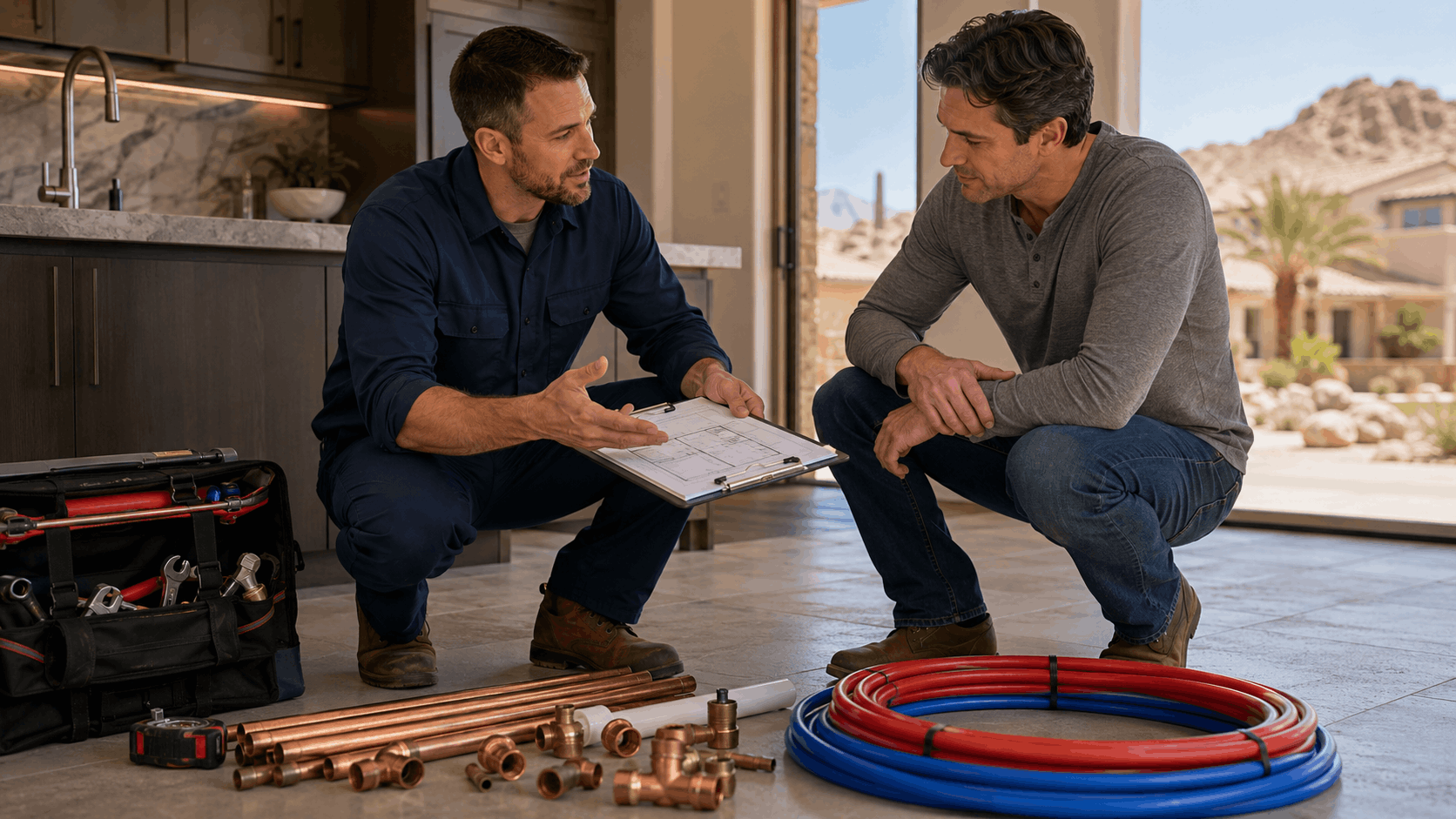
Need Help in Las Vegas?
Active Plumbing serves Las Vegas and all of Las Vegas Valley.
What the Repipe Process Looks Like Day by Day
Knowing the timeline takes the mystery out of a repipe. Most valley homes go from start to finish in one to three days. Here is how a typical job unfolds.
The repipe process has three main stages: inspection, installation, and final sign-off. Water shutoff only happens during active work, so disruption stays limited. Most families stay in the home the whole time.
Inspection and Estimate
Everything starts with a walkthrough. A technician maps the pipe runs, counts fixtures, and checks access points in the attic or walls. This is when we learn how the home was originally plumbed.
From that walkthrough, you get a fixed quote. A good plumbing estimate spells out the material, the number of fixtures, permit handling, and whether drywall repair is included. There should be no vague line items.
The inspection also flags anything unusual. Slab-routed lines, old galvanized pipe, or tight access all show up here. Catching them now means the quote reflects the real work ahead.
We treat the estimate as a promise. The price we quote after the inspection is the price you pay, barring changes you request. That upfront clarity is a big part of how we work across the valley.
Installation and Water Downtime
Installation is the main event. For an average home, the crew runs all new supply lines in one to two days. They work section by section to keep things moving.
Water downtime is shorter than most people expect. The main shutoff usually happens for parts of the workday while lines are connected. Crews often restore water by evening so the family has service overnight.
During the install, the team protects floors and furnishings near the work areas. They make clean cuts for access and keep the site tidy. Communication stays open so you know when water will be off.
For larger or two-story homes, installation may stretch to two or three days. The process is the same, just spread over more square footage. Either way, the goal is minimal disruption to daily life.
Final Inspection and Cleanup
Once the new pipes are in, the system gets a pressure test. This confirms every joint holds and there are no leaks. It is the proof that the new plumbing is solid.
Next comes the county final inspection. The inspector verifies the work meets code, then signs off on the permit. That approval closes out the job officially.
After sign-off, the crew handles cleanup and any agreed drywall repair. Wall openings get patched, the site gets cleared, and the home returns to normal. You are left with a fresh water system and paperwork to prove it.
We walk the homeowner through the finished work before we leave. That final review covers the pressure test results, the inspection, and any follow-up steps. It closes the project on a clear note.
How to Budget and Save on a Repipe
A repipe is a real expense, but there are smart ways to plan for it. A little strategy can save real money without cutting corners. Here are the moves that work.
Building a repipe budget starts with good quotes and good timing. Financing can also spread the cost into manageable payments. Let us look at each.
Getting Multiple Quotes
Always get more than one quote. A detailed plumbing quote should list the pipe material, fixture count, permit fees, water shutoff plan, drywall handling, and warranty. Vague one-line bids make honest comparison impossible.
Estimate comparison is where you spot value. If one bid is far below the others, ask why. A lowball number often means the material is thinner, the drywall repair is not included, or the permit was left out.
Look at what each quote covers, not just the bottom line. The cheapest number can cost more later if it skips finishing or uses lesser fittings. The best value is a fair price with everything spelled out.
Our fixed quotes are built to be easy to read and compare. We list what is included so homeowners can weigh us against anyone else with confidence. Clarity is part of the service.
Timing the Work Around Other Remodels
Timing can save serious money. If you are planning a kitchen or bathroom remodel, that is a perfect chance to repipe. The walls are already open, so you avoid paying twice for drywall repair.
Remodel bundling makes each dollar go further. New pipe behind new tile means no cutting into finished walls later. It is far cheaper to run lines while the room is already torn down.
The same logic applies to any project that opens walls or floors. Even a partial remodel can cover part of the repipe access work. Coordinating the two brings real cost savings.
Talk to your plumber early if a remodel is on the horizon. We can sequence the repipe to line up with the demolition phase. That coordination keeps both projects efficient.
Financing and Payment Options
Not everyone can pay for a repipe in one lump sum, and that is fine. Financing lets homeowners spread the cost over time. It turns a large one-time bill into steady payments that fit a monthly budget.
Common routes include home improvement loans, contractor financing, and payment plans. Each has its own terms, so it pays to compare interest and length. The right option depends on your finances and how fast you want to pay it off.
A repipe is an investment that protects the whole home. Financing makes it possible to fix a failing system now instead of waiting for the next leak. Acting sooner often costs less than dealing with water damage later.
Our team helps homeowners explore payment options that fit their situation. We want the right repair to be within reach, not out of budget. Ask us about plans when you get your quote through our contact page.
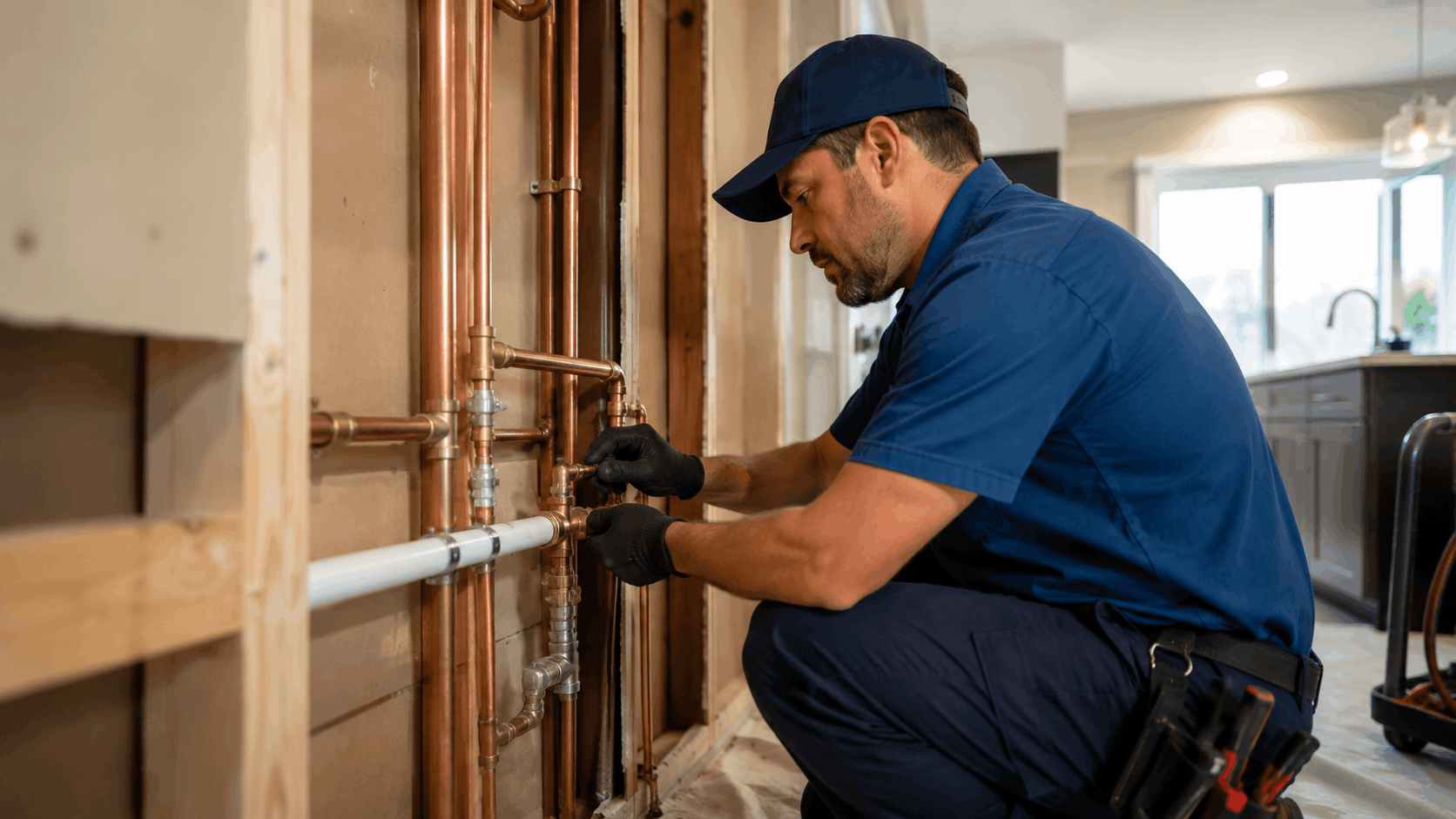
Need Help in Las Vegas?
Active Plumbing serves Las Vegas and all of Las Vegas Valley.
Why Homeowners Across the Valley Call Active Plumbing
Homeowners across the valley call us because we know local homes and treat people fairly. We have worked in the neighborhoods, pulled the permits, and stood behind the results. That track record is why the phone keeps ringing.
Choosing a plumber for a Las Vegas repipe comes down to trust, clarity, and follow-through. Here is what sets our team apart on every job.
| What You Get | Why It Matters |
|---|---|
| Local home expertise | We know valley pipe types and layouts |
| Fixed upfront quotes | No surprise charges mid-job |
| Permit and inspection handling | Work passes county code |
| Workmanship warranty | Support after the job is done |
Experience With Local Home Types
We have repiped nearly every kind of home in the valley. That includes tract homes in North Las Vegas with slab foundations and attic runs. Their layouts are familiar to us, so the work goes smoothly.
We also handle custom builds in Anthem and estate homes with complex plumbing. Big homes with multiple water heaters and recirculation loops call for careful planning. Our local experience means we know what to expect before we open a wall.
Different home types need different approaches. A 1980s galvanized home and a new custom build are worlds apart. Knowing the common pipe types across each era and each neighborhood helps us quote accurately.
From North Las Vegas tract neighborhoods to hillside estates, we have seen the range. That breadth of work makes every new repipe easier to plan and price. Local knowledge is the difference.
Fixed Quotes and Clear Communication
Our pricing is fixed and upfront. The number we quote after the inspection is what you pay. No surprise charges appear halfway through the job.
Clear communication runs through the whole process. We explain the material choice, the timeline, the water shutoff plan, and the finishing options. Homeowners always know what is happening and when.
That transparency builds trust. When you understand the plan, you can make good decisions about material and budget. There is no pressure and no guessing.
We would rather over-explain than leave a customer unsure. A repipe touches the whole home, so people deserve to feel informed. Fixed pricing and honest updates are how we earn that trust.
Warranty and Follow-Up Support
Every repipe we do comes with a workmanship warranty. If something related to our work needs attention, we come back and make it right. That commitment is part of the price.
Quality materials paired with careful installation mean issues are rare. But when a homeowner has a question after the job, we answer. Follow-up support does not end the day we leave.
New pipe should last for decades, and we want yours to. Standing behind our work is how we protect that promise. The warranty gives homeowners real confidence in the investment.
We treat every repipe as a long-term relationship, not a one-off transaction. Many customers call us back for water heaters, softeners, and other work later. That ongoing trust is what a local plumber should earn.
Final Thoughts
A whole house repipe is a big decision, but the numbers do not have to be a mystery. Home size sets the base price, pipe material adjusts it, and local factors like home age and access fine-tune the final figure. For most valley homes, that means a range from a few thousand dollars up to the mid five figures for large estates.
If you are seeing repeat leaks, low pressure, or discolored water, waiting only raises the risk of damage. Getting a clear, fixed quote is the smart first move. From Summerlin to Henderson to the older streets of central Las Vegas, our team is ready to map your system and give you honest numbers.
Reach out to Active Plumbing for a free in-home walkthrough and a straightforward repipe estimate. Call us or use our contact page to schedule a visit and get real answers for your home.
Frequently Asked Questions
- How much does a whole house repipe cost in Las Vegas?
- Most whole house repipes in Las Vegas run between $4,000 and $35,000. The two biggest drivers are square footage and pipe material. A small condo with PEX sits at the low end, while a large custom estate with copper reaches the top. Home age, foundation type, and drywall repair also shift the price. A free in-home walkthrough is the only way to get an accurate figure for your specific house.
- How long does a repipe take on an average home?
- Most valley homes are repiped in one to three days. A single-story home with two or three bathrooms often finishes in one to two days. Larger two-story homes and custom estates take longer because of extra pipe runs and stories. Water is only shut off during active work, usually for parts of each workday. Crews typically restore water by evening so your family has service overnight.
- Is PEX or copper better for Las Vegas homes?
- Both work well, but PEX has become the popular choice here. It costs less, installs quicker, and resists the mineral buildup our hard water causes. Copper lasts a long time and some HOAs or buyers prefer it, but it costs 30 to 50 percent more and can develop pinhole leaks over time. For most valley homes, PEX offers strong performance at a friendlier price. We help each homeowner weigh the tradeoffs.
- Do I need a permit to repipe my house?
- Yes. A whole house repipe requires a permit through Clark County or the City of Las Vegas building department, depending on your address. The permit means a county inspector checks the work against code, which protects you as the homeowner. A licensed plumber pulls the permit and schedules the inspection as part of the job. Skipping the permit can cause trouble at resale, so doing it right the first time matters.
- Will I have to move out during the repipe?
- Most homeowners stay in the home the whole time. Water is only off during active work, usually for parts of the workday. Crews often restore service by evening so you have water overnight. There is some noise and dust near the work areas, but the disruption stays limited. For very large homes with longer timelines, some families choose to step out during the busiest day, though it is rarely required.
- Does a repipe cover the drain lines too?
- No. A standard repipe covers the pressurized water supply lines, both hot and cold, that feed your fixtures and appliances. Drain and sewer lines are a separate system that relies on gravity, and they wear out differently. If your drains are also failing, that work is handled as its own project. Ask your plumber if you want both addressed at once, since combining projects can sometimes save on access and wall repair.
- Who repairs the walls after the pipes go in?
- It depends on the quote. Some crews leave wall openings for the homeowner to patch, while others include drywall repair and even paint. Always ask exactly what a bid covers so you can compare fairly. Good routing through the attic keeps wall openings to a minimum. Our team explains the finishing options up front, and homeowners can choose to have us handle the patching or coordinate it with their own painter.
- How do I know if my home has galvanized pipe?
- Homes built before the 1990s often have galvanized steel pipe. Signs include low water pressure, brown or rusty water, and repeat leaks. The pipe itself looks dull gray and gives a metallic ring when tapped. A magnet will stick to galvanized steel but not to copper. If your home is older and showing these symptoms, a plumber can confirm the pipe type during an inspection and explain your options.
- Does repiping increase my home value?
- Yes, in most cases. New plumbing is a selling point because buyers know they will not face leaks or low pressure soon. It also helps you pass a buyer's inspection cleanly, which keeps deals on track. Homes with old galvanized or failing pipe can scare buyers off or trigger price cuts. A documented, permitted repipe shows the home has been cared for and removes a common inspection worry.
- How do I get an accurate repipe estimate?
- The best way is a free in-home walkthrough. A technician maps your pipe runs, counts fixtures, checks the attic or slab access, and identifies the existing pipe type. From that, you get a fixed quote that spells out material, permits, and finishing. Online guesses cannot account for your home's layout or age. Reach out to the Active Plumbing team to schedule a visit and get real numbers for your house.
Licensed plumbing professionals serving Las Vegas and Las Vegas Valley.
Licensed in Nevada · License #0047021
Last updated on
Why trust Active Plumbing?
Founded in 1991, Active Plumbing is a licensed and insured plumber serving Las Vegas and Las Vegas Valley. All content is reviewed by our licensed technicians.

Need Help in Las Vegas?
Active Plumbing serves Las Vegas and all of Las Vegas Valley.
Related Articles
Commercial Water Heater Installation Cost for Las Vegas Restaurants and Salons: Sizing, Code, and Recovery Rates
Real commercial water heater installation costs for Las Vegas restaurants and salons, plus sizing math, recovery rates, and Clark County code you need before you buy.

Tankless Water Heater Installation Cost in Las Vegas: Gas Line Upsizing, Venting, and Permit Line Items
A clear breakdown of tankless water heater installation cost in Las Vegas, including gas line upsizing, venting, permits, and hard water factors for valley homes.
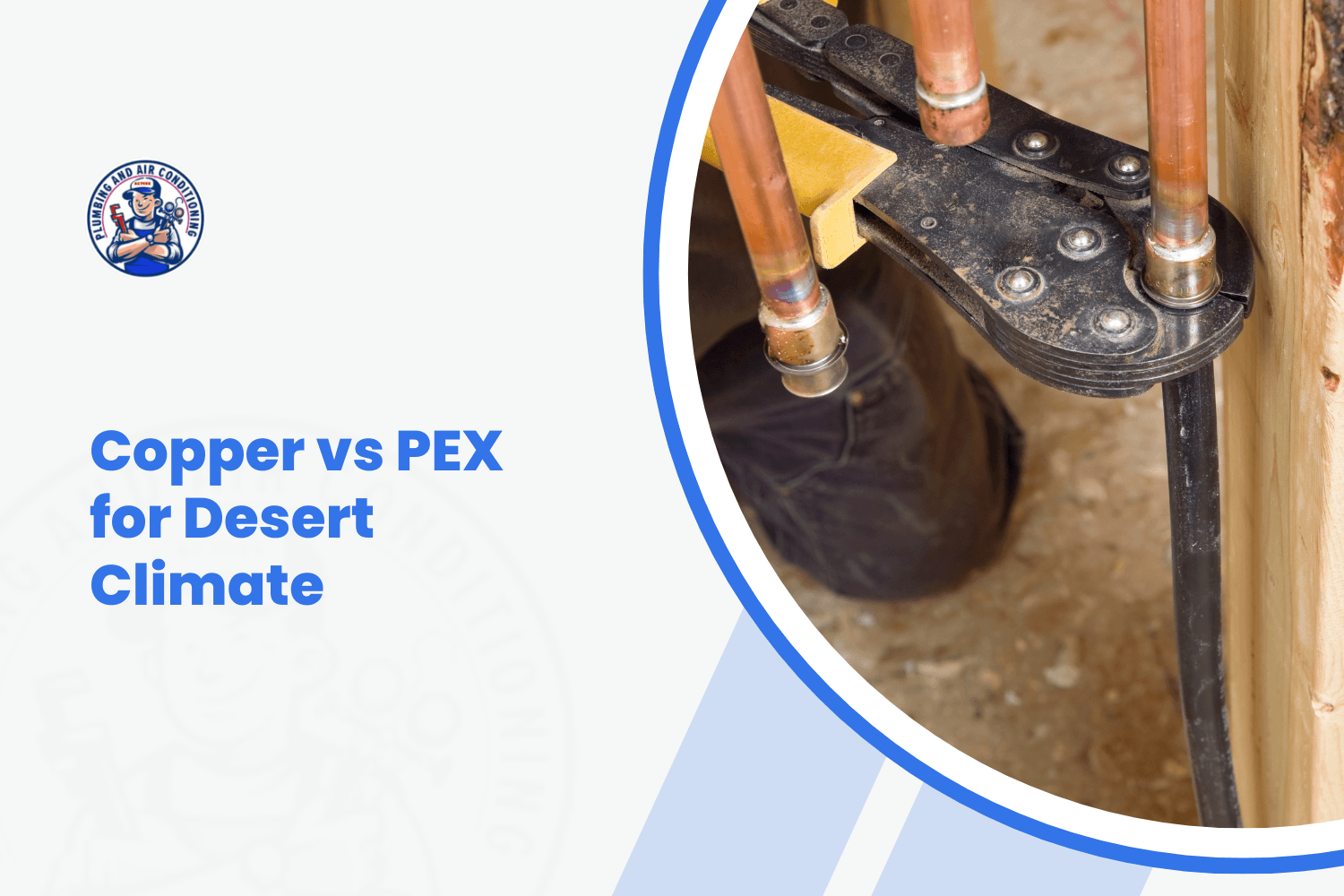
Whole-House Repipe in Las Vegas: Copper vs PEX for Desert Climate
Las Vegas homeowners face more quickly pipe failure from hard water and desert heat. Compare copper vs PEX for a whole-house repipe and learn what Active Plumbing recommends for valley homes.