Best Time to Call a Plumber in Vegas to Avoid Emergency Rates

Key Takeaways
- Emergency plumbing rates in Las Vegas run 50 to 100 percent more than standard weekday visits.
- Tuesday through Thursday mornings offer the lowest rates and best appointment availability.
- Avoid Friday afternoons, weekends, evenings, and holidays to skip premium pricing.
- Desert seasons drive problems: summer strains water heaters, rare freezes crack pipes, and monsoons flood drains.
- Older downtown homes need earlier pipe attention, while hard water affects every home in the valley.
- Shut off the main or fixture valve and book a morning appointment to turn a midnight panic into a cheaper standard-rate visit.
- Advance booking, bundling repairs, and annual maintenance keep homeowners out of the expensive emergency queue.
- A local crew that knows the 215 Beltway and Clark County permit rules reaches homes within our 30 to 60 minute window and finishes jobs sooner.
In This Article
It is 11 p.m. on a Saturday in Summerlin. A homeowner walks into the laundry room and steps into a puddle spreading across the tile. Water is seeping from behind the washer, and the panic sets in fast. The first instinct is to grab the phone and call anyone who will pick up - but that late-night call could add hundreds of dollars to the final bill.
The difference between a Saturday-night emergency visit and a Tuesday-morning appointment is not just convenience. It is real money. After-hours plumbing in Las Vegas can run 50 to 100 percent more than a standard service call, and sometimes the leak causing the panic can safely wait a few hours.
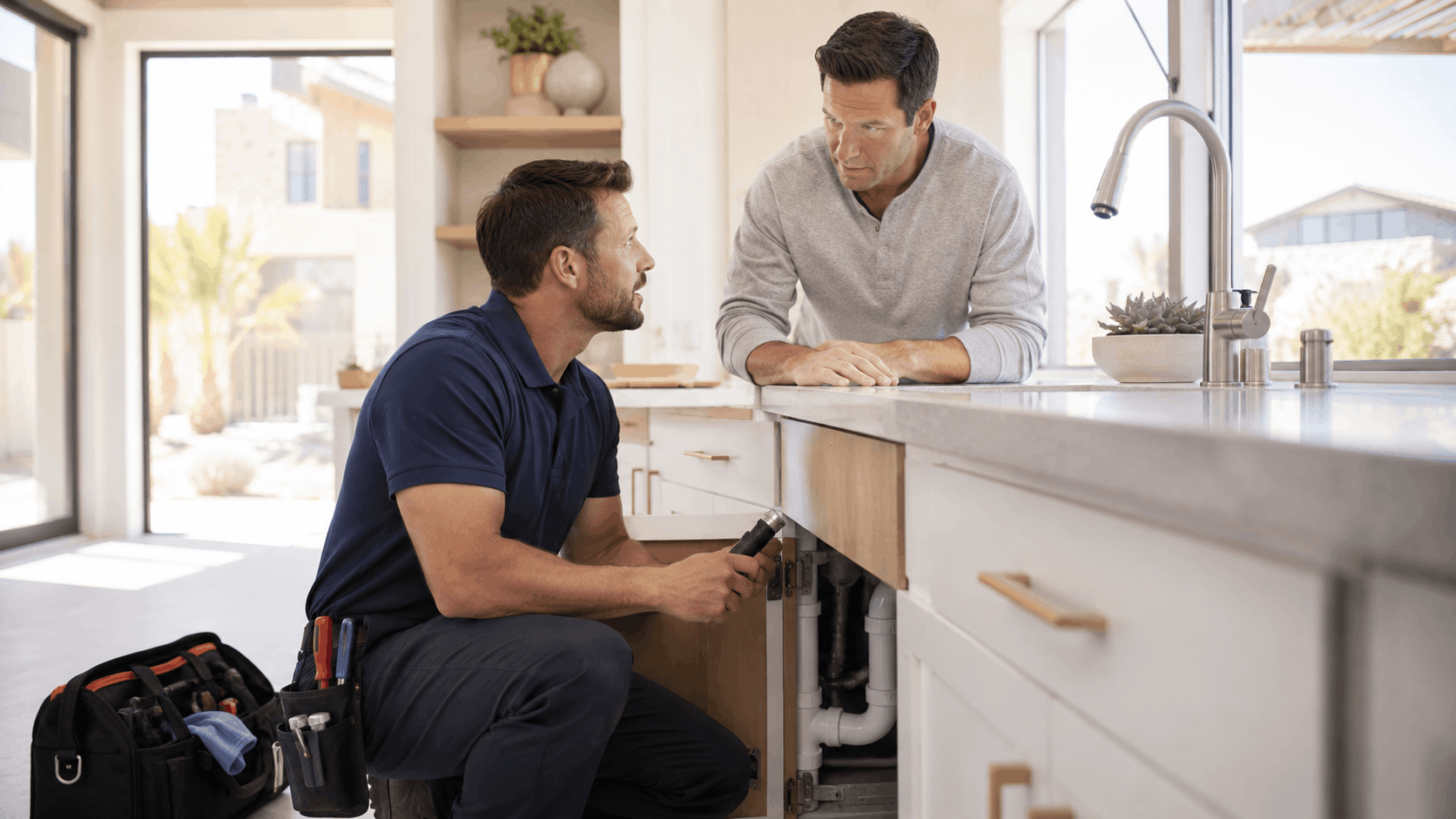
How Emergency Plumbing Rates Actually Work in Las Vegas
Emergency rates exist because plumbing does not respect business hours. A pipe can burst at 2 a.m. just as easily as at 2 p.m., and someone has to answer that call. To make round-the-clock coverage possible, plumbers charge a premium for work done outside normal weekday hours.
Those emergency plumbing rates cover the cost of keeping an after-hours plumber ready to roll across Las Vegas at any moment. The markup is not a punishment - it reflects overtime pay, on-call staffing, and the reality of pulling a technician away from home at midnight. Knowing how this pricing works helps homeowners decide when a call is worth it.
| Service Window | Typical Rate Type | Relative Cost |
|---|---|---|
| Weekday 8 a.m. to 5 p.m. | Standard | Base price |
| Weekday after 5 p.m. | After-hours | +50% to +75% |
| Weekends | Premium | +50% to +100% |
| Holidays | Holiday emergency | +75% to +100% |
What Counts as an After-Hours or Emergency Call
Most Las Vegas plumbers set standard business hours from about 8 a.m. to 5 p.m., Monday through Friday. Anything outside that window usually counts as an after-hours call. That includes early mornings before the shop opens, evenings after dinner, and any time on Saturday or Sunday.
Holidays carry their own pricing tier. Calls on Thanksgiving, Christmas, New Year's Day, and the Fourth of July almost always trigger emergency service rates. Some companies also treat the day before or after a major holiday as premium time because staffing runs thin.
The exact cutoff can vary from one company to the next. A few plumbers extend standard hours into early evening, while others end the standard window at 4 p.m. sharp. When a homeowner calls, it is smart to ask directly whether the current time falls under standard or after-hours pricing.
The safest bet is to assume that anything after 5 p.m. or on a weekend will cost more. For non-urgent work, that knowledge alone can save a household a good chunk of change by simply waiting until the next business morning.
The Price Difference Between Standard and Emergency Service
A standard service call in the Las Vegas market often starts with a dispatch or trip fee in the range of 50 to 100 dollars, then labor on top. A simple daytime repair might land somewhere between 150 and 400 dollars depending on the job. Those are the numbers most homeowners plan around.
The emergency rate cost climbs quickly once the clock passes standard hours. A repair that runs 250 dollars on a Tuesday morning can jump to 400 or 500 dollars at 10 p.m. on a Saturday. That is a real 50 to 100 percent bump for the exact same work.
Plumber pricing for after-hours visits usually includes a higher base call-out fee before any labor begins. Some shops charge a flat emergency fee of 150 to 300 dollars just to send a truck at night. That fee stacks on top of the hourly or job-based rate.
These ranges shift with the complexity of the job and the parts involved. A late-night burst pipe repair that needs wall access and new copper will cost more than a quick valve swap. Still, the pattern holds: the same fix costs noticeably more after hours.
Why Plumbers Charge More Outside Business Hours
The biggest driver is overtime labor. Technicians who work nights, weekends, and holidays earn premium pay, and that cost gets passed along in the rate. A plumber pulled from a family dinner deserves to be paid for it, and honest pricing reflects that.
Keeping an on-call plumber available also carries a fixed cost. Someone has to stay near the phone, keep a stocked truck ready, and be prepared to drive across the valley at a moment's notice. That standby coverage exists even on quiet nights when no calls come in.
There is also the matter of parts and supply houses. During the day, a technician can grab a fitting from a nearby supplier without a long wait. At night, the shelves are closed, so the truck has to carry more inventory, and any missing part can delay the fix.
Finally, night work is simply harder. Diagnosing a leak by flashlight, working in a cramped crawlspace after midnight, and managing water damage in the dark all take more effort and care. The premium reflects the added difficulty of doing quality work when the rest of the city is asleep.
Get Your Quote
Tell us what's going on and we'll get back to you. We're open 24/7.
The Best Days and Times to Schedule a Plumber
The best time to call a plumber is when standard rates apply and the schedule has open slots. In the Las Vegas valley, that usually means the middle of the week during regular business hours. Timing a call well can shave hundreds off the total.
To schedule a plumber in Vegas at the lowest cost, homeowners should aim for weekday mornings and steer clear of the busy windows. The chart below shows how different times of the week tend to shake out for pricing and availability.
| Day and Time | Availability | Pricing |
|---|---|---|
| Tue-Thu morning | Best | Standard |
| Mon morning | Moderate | Standard |
| Fri afternoon | Limited | Standard to premium |
| Weekend | Tight | Premium |
| Evenings | Emergency only | After-hours |
Weekday Mornings: The Sweet Spot
Tuesday through Thursday mornings are the golden window for a weekday appointment. By midweek, the Monday rush has settled, and technicians have open slots before the day fills up. Booking early also means the crew arrives fresh and on schedule.
Morning appointments carry the standard rate with no premium attached. A homeowner who books an 8 a.m. or 9 a.m. slot gets the lowest possible pricing and the best shot at same-day service. That combination is hard to beat.
Mornings also give the plumber room to handle surprises. If a simple faucet repair turns into a larger job, there is still daylight left to finish without rolling into evening overtime. That protects the homeowner from creeping into after-hours rates mid-job.
For anyone in neighborhoods like Spring Valley or Green Valley, a midweek morning call also tends to mean an easier arrival. Traffic is lighter after the early commute, and routes across the valley open up.
Times to Avoid If Budget Matters
Friday afternoons are a trap for budget-conscious homeowners. As the workweek winds down, schedules jam up, and jobs that start late Friday can push into premium hours. A repair that runs long may not wrap until after 5 p.m.
Weekend plumber visits almost always cost more. Saturday and Sunday fall outside standard hours for most companies, so even a routine drain clog carries a premium. Unless it is a true emergency, the weekend is the priciest time to call.
Late evenings during the week are premium hours too. A dripping faucet noticed at 9 p.m. feels urgent, but calling then means paying after-hours rates for something that could wait until morning. Patience here pays off directly.
The pattern is simple. The further a call drifts from weekday mornings, the more it tends to cost. Homeowners who can plan around their schedule save the most by keeping non-urgent work inside the standard window.
Holidays and Big Vegas Events That Spike Demand
Las Vegas events put real strain on plumber schedules. Big fight weekends near the Strip, major conventions, and New Year's Eve pull demand up across the whole valley. During these stretches, even standard slots book out days in advance.
Holiday rates apply on all the major days off. Thanksgiving and Christmas are the classic examples, when a kitchen full of guests overwhelms a garbage disposal or a drain backs up. Those calls come in at the highest premium of the year.
Holiday weekends also stretch staffing thin. With crews taking time off, the plumbers who are working handle a heavier load, and response times slow down. Booking any known repair before a holiday weekend is a smart move.
Local events add a layer specific to our market. When a championship fight or a huge festival hits town, hotels and homes alike see spikes in plumbing calls. Planning around the Vegas event calendar helps homeowners avoid the crunch.
Need Help in Las Vegas?
Active Plumbing serves Las Vegas and all of Las Vegas Valley.
Seasonal Plumbing Patterns Across the Las Vegas Valley
The desert climate shapes plumbing problems in ways that surprise newcomers. Las Vegas seasons swing from brutal summer heat to the occasional hard freeze, and each brings its own set of issues. Knowing the pattern helps homeowners plan ahead.
Seasonal plumbing troubles cluster in predictable ways across the valley. Here are the main patterns our team sees year after year:
- Summer heat that strains water heaters and outdoor lines
- Rare winter freezes that catch exposed pipes off guard
- Monsoon storms that overwhelm drains and cause backups
- Spring and fall as the calmer windows for planned work
Summer Heat and Water Heater Strain
Triple-digit summers push plumbing systems hard. When the ground heats up and incoming water is warmer, water heaters work differently and outdoor pipes expand. In neighborhoods like Henderson and Spring Valley, we see a spike in summer plumbing calls every July.
Outdoor lines take a real beating in the heat. Irrigation pipes, hose bibs, and exposed sections along the side of the house can crack or fail under constant sun exposure. Sprinkler leaks often show up first as a mysterious jump in the water bill.
Water heaters also feel the strain. A unit already near the end of its life often fails during summer, when demand and stress peak. Scheduling water heater services before the hottest months helps homeowners avoid a mid-summer breakdown.
Hard water speeds up the wear. Mineral buildup inside a tank forces the unit to run harder, and summer heat compounds the problem. A spring inspection can catch sediment before it shortens the heater's life.
Winter Freeze Snaps and Exposed Pipes
People forget that the desert gets cold. A handful of nights each winter drop below freezing, and those cold snaps catch homeowners off guard. Frozen pipes are rare here, but they do happen when the temperature dips hard.
Older North Las Vegas homes are most at risk. Many were built before modern insulation standards, and pipes running through unheated garages or along exterior walls can freeze on a bitter night. A frozen line can crack and then burst once it thaws.
Exposed outdoor plumbing needs protection when a freeze warning hits. Hose bibs, pool equipment lines, and irrigation backflow devices are the usual casualties. Wrapping them and disconnecting hoses before a cold night prevents most winter plumbing damage.
The tricky part is that the damage often shows up after the thaw. Water expands as it freezes, splitting the pipe, but the leak only appears once things warm and water flows again. A quick inspection after a freeze can catch trouble early.
Monsoon Season and Drainage Issues
Late-summer monsoon season brings sudden, heavy downpours. The desert soil does not absorb water fast, so storms send runoff rushing toward low points. Homes in low-lying areas near the wash see the worst of it.
Those storms overwhelm drains in a hurry. Outdoor drains, yard grates, and even sewer lines can back up when rain pushes debris and water into the system. A drain backup during a monsoon is one of the more common calls we get in August and September.
Properties with older or tree-lined lots face extra risk. Roots and sediment already narrow the pipes, so a heavy storm is all it takes to trigger a clog. A sewer camera inspection before monsoon season can spot weak points ahead of time.
Keeping outdoor drains clear helps a lot. Clearing leaves, gravel, and debris from grates before the storms roll in gives water somewhere to go. A little prep in early summer prevents a soggy mess later.
Neighborhood Factors That Affect Plumbing Timing
The age and location of a home changes how and when plumbing needs attention. A 1950s house near downtown has very different pipes than a new build in Southern Highlands. Knowing the local housing stock helps homeowners plan smarter.
Across Las Vegas neighborhoods, home age plumbing patterns tell a clear story. Older areas need earlier, more frequent attention, while newer developments carry their own timing quirks tied to warranties and HOA rules.
Older Homes Near Downtown and the Historic Districts
Homes near downtown Las Vegas carry decades of history in their pipes. Neighborhoods like Huntridge and John S. Park feature charming older houses, many with original galvanized steel or early copper plumbing. Those old pipes corrode and narrow over time.
Galvanized lines are the usual culprit in these areas. After 50 or 60 years, the inside of the pipe rusts and clogs, cutting water pressure to a trickle. Homeowners often notice weak flow at the kitchen sink or shower first.
The Scotch 80s neighborhood and surrounding historic districts often need proactive pipe work. Replacing aging lines before they fail avoids the panic of a sudden leak inside a plaster wall. Earlier attention almost always costs less than emergency repair.
Sewer lines in these older areas deserve a look too. Clay pipes from the mid-century era crack and let roots in, leading to slow drains and backups. A camera inspection tells the story before a full failure hits.
Newer Developments in Summerlin and Southern Highlands
Master-planned communities play by different rules. In Summerlin plumbing situations, HOA rules can dictate how outdoor work gets done and which contractors are approved. Checking those guidelines before scheduling saves headaches later.
Warranty timing matters in newer homes too. A house still under builder warranty may have coverage for certain plumbing defects, so knowing the deadline helps homeowners act in time. Waiting too long can mean paying out of pocket for something the builder would have covered.
Even new construction is not immune to problems. We handle calls across communities like Summerlin North for fixture issues, water pressure quirks, and the occasional slab leak. New does not always mean flawless.
HOA landscaping can also hide plumbing lines. Irrigation and outdoor plumbing often run under shared common areas, so coordination matters when repairs cross property lines. A local crew that knows these communities handles that coordination smoothly.
Hard Water Concerns Across the Whole Valley
Every home in the valley deals with hard water. The Las Vegas Valley Water District draws heavily from the Colorado River, which carries a high mineral load. That hardness affects pipes, fixtures, and appliances everywhere.
The buildup is gradual but relentless. Calcium and magnesium coat the inside of pipes, clog aerators, and shorten the life of water heaters. Over years, the mineral scale narrows lines and cuts efficiency across the whole system.
You can see the signs on any faucet. White crust around the spout, spotty dishes, and stiff valves all point to hard water at work. A water softener installation cuts that buildup dramatically.
Regular checks keep the problem in check. Scheduling a periodic inspection lets a plumber flush the water heater and catch scale before it clogs a line. For a full breakdown of what to test, the EPA drinking water resources offer solid background on water quality.
How to Tell a Real Emergency From a Job That Can Wait
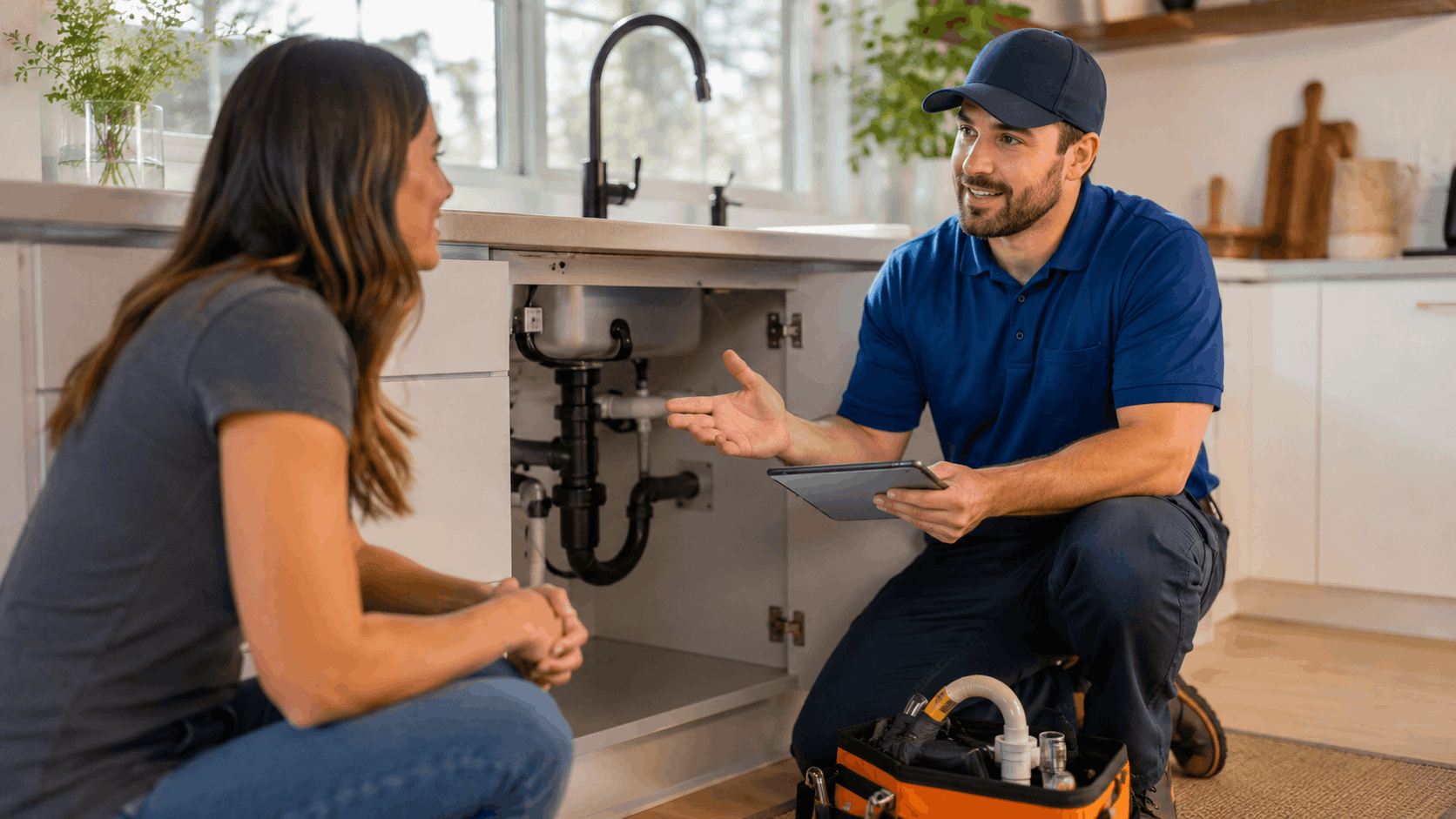
Not every plumbing problem is a plumbing emergency. Knowing the difference between wait or call now can save hundreds in after-hours fees. The trick is judging whether damage is spreading or the situation is stable.
A true emergency threatens the home or health right now. A job that can wait may be annoying but stays contained until morning. Learning to tell them apart is one of the most useful skills a homeowner can have.
True Emergencies That Cannot Wait
A burst pipe is the clearest emergency. Water gushing into a wall or ceiling causes damage by the minute, so shutting off the main and calling right away is the right move. Every hour of delay means more ruined drywall and flooring.
A major sewage backup also demands immediate help. Raw waste coming up through drains or toilets is a health hazard, not just a mess. That situation calls for emergency plumbing no matter the hour.
The smell of gas is a top-priority emergency of its own. If a home smells like rotten eggs, everyone should leave and call the gas company and a plumber from outside. Gas leaks are dangerous and never worth waiting on.
No water at all can qualify too, especially if a family has no way to flush toilets or drink. When basic function is gone and cannot be restored, an after-hours call is justified. These are the situations where premium pricing is worth every dollar.
Problems That Can Hold Until Morning
A slow drain is almost never an emergency. Water still moves, just sluggishly, so the situation is stable overnight. Calling for a standard-rate appointment the next morning is the smart, cheaper choice.
A dripping faucet falls in the same category. The steady drip is annoying and wastes a little water, but it is not causing damage. Placing a cup under the drip and waiting for business hours costs far less than a night call.
A minor leak under a sink can usually wait too. If a bucket catches the water and the cabinet stays dry, the repair holds until morning. Shutting the fixture valve stops the drip entirely in the meantime.
A single clogged toilet in a home with another bathroom is not urgent either. Use the other bathroom overnight and book a standard appointment. Reserving emergency calls for true crises keeps the budget under control.
Quick Fixes to Buy Time Until Standard Hours
The single most useful skill is finding the water shutoff valve. Turning off the main stops water to the whole house and halts most leaks instantly. That one move can turn a midnight panic into a calm morning appointment.
For a single fixture, use the local shutoff instead. Toilets and sinks have their own valves, usually right below or behind them, so closing that valve isolates the problem. The rest of the house keeps running normally.
A temporary fix can hold a small leak overnight. Wrapping a leaking joint with plumber's tape or a pipe clamp slows the drip enough to wait. It is not a permanent repair, but it buys time until standard hours.
Clearing the area protects the home while waiting. Moving furniture, lifting rugs, and mopping standing water limits damage. Once the water is off and the mess contained, a homeowner can safely wait for a cheaper appointment.
Need Help in Las Vegas?
Active Plumbing serves Las Vegas and all of Las Vegas Valley.
Smart Ways to Book Ahead and Skip Premium Pricing
The best way to avoid emergency rates is to book a plumber ahead of time. Planning turns urgent problems into scheduled visits at standard prices. A few simple habits keep homeowners out of the emergency queue entirely.
Homeowners who want to avoid emergency rates should think ahead about known issues. Grouping work, planning repairs, and setting up maintenance all lock in daytime pricing and better slots.
Scheduling Non-Urgent Repairs in Advance
A scheduled repair almost always costs less than an emergency one. When a homeowner books a known issue for a weekday morning, they lock in the standard rate and skip the premium. Planning ahead beats reacting every time.
Advance booking also secures the better time slots. The earliest and most convenient appointments fill up first, so calling a few days out gets first pick. Waiting until the last minute means taking whatever is left.
Known problems rarely fix themselves. A faucet that drips a little today will drip more next month, and a slow drain only gets slower. Handling it on your own schedule costs less than waiting for it to fail at a bad time.
This works especially well for planned upgrades. Replacing an aging water heater or updating pipe and fixture services is easy to schedule during standard hours. There is no reason to let a predictable job become an emergency.
Bundling Small Jobs Into One Visit
Every service call includes a trip charge. Bundling repairs into a single visit spreads that fee across several jobs instead of paying it multiple times. It is one of the easiest ways to save on plumbing work.
Most homes have a small list of nagging issues. A running toilet, a slow drain, a loose faucet, and a leaky hose bib can all be handled in one appointment. Tackling them together makes better use of the technician's time.
Combining an inspection with repairs adds even more value. While a plumber is on-site fixing one item, they can check the water heater and look over the pipes. That catches small problems before they turn into emergencies.
Bundling also cuts down on disruption. Instead of taking time off work for several separate visits, a homeowner handles everything in one window. One truck, one trip charge, one afternoon - and a shorter to-do list.
Signing Up for Routine Maintenance Visits
Routine plumbing maintenance prevents most emergencies. Scheduled visits let a plumber catch small issues before they blow up into after-hours crises. Prevention is far cheaper than repair.
Preventive service usually includes a water heater flush and a pipe check. Flushing sediment and inspecting connections keeps the system healthy year-round. That kind of attention extends the life of every component.
Maintenance is especially worthwhile with our hard water. Regular descaling and inspection stop mineral buildup before it clogs a line or kills a water heater. A yearly visit pays for itself by avoiding a single big repair.
Our team at Active Plumbing helps homeowners set up a maintenance rhythm that fits their home. Whether it is an older house downtown or a newer build in Summerlin, a plan tuned to the property keeps surprises to a minimum.

Preventive Steps That Reduce Emergency Calls Altogether
The best emergency call is the one that never happens. Good home plumbing care lowers the odds of a midnight disaster. A few consistent habits go a long way toward preventing a plumbing emergency.
Homeowners who want to prevent plumbing emergency situations should focus on inspections, early warning signs, and knowing their shutoffs. These three habits catch trouble before it becomes a crisis.
Annual Water Heater and Pipe Inspections
A yearly water heater inspection catches problems early. Flushing the tank clears sediment, and checking the anode rod extends the unit's life. That simple visit often adds years to a heater's service.
A pipe check is worth just as much. A plumber can spot corrosion, small leaks, and weak joints before they fail. Finding a bad section during an inspection beats discovering it as a flood.
Hard water makes these checkups even more valuable across the valley. Mineral buildup accumulates quietly inside pipes and tanks, so a yearly look keeps it from getting out of hand. Regular tankless maintenance and descaling keeps efficient units running clean.
An annual visit also builds a record of the home's plumbing. Over time, that history shows what is wearing out and what needs planning. That foresight turns surprise repairs into scheduled ones.
Watching for Early Warning Signs
Plumbing problems usually announce themselves before they break. Low water pressure is one of the clearest warning signs, often pointing to buildup or a hidden leak. Paying attention to that drop can head off a bigger issue.
Slow drains are another early clue. A sink that empties sluggishly hints at a partial clog forming deeper in the line. Clearing it early with a standard visit beats waiting for a full backup.
A jump in the water bill often signals a hidden leak. If usage climbs without any change in habits, water is escaping somewhere. Catching that leak early saves both water and money.
Odd sounds and smells count too. Banging pipes, gurgling drains, or a musty odor near a wall all point to trouble brewing. Acting on these signals prevents the emergency that follows if they are ignored.
Knowing Where Your Shutoffs Are
Every homeowner should know where the main shutoff is. When a pipe bursts, turning off that valve stops the flood in seconds. Fumbling to find it during a crisis costs precious time and water damage.
Fixture valves matter just as much. Each toilet and sink has its own shutoff, usually right below the fixture. Closing a fixture valve isolates a problem without cutting water to the whole house.
It helps to test these valves before an emergency. Old valves can seize up, so turning them once a year keeps them working. A stuck valve is useless when water is spreading across the floor.
Teaching everyone in the household where the shutoffs are pays off. When anyone can stop the water fast, a burst pipe becomes a manageable event instead of a disaster. That knowledge turns panic into a calm phone call the next morning.
Need Help in Las Vegas?
Active Plumbing serves Las Vegas and all of Las Vegas Valley.
Why Local Timing Knowledge Saves Vegas Homeowners Money
Working with a local plumber in Las Vegas means more than familiar faces. A crew that knows the valley's routes and rhythms reaches homes within our 30 to 60 minute window and works smarter. That local knowledge translates directly into save money plumbing results.
Our team lives and works across this valley every day. That means a 30 to 60 minute arrival, smoother permit handling, and better guidance on when to call. Those advantages add up over the life of a home.
30 to 60 Minute Arrival Across the Valley
Response time depends on knowing the roads. A crew familiar with the 215 Beltway and the I-15 corridor picks the fastest route to any address. That shaves minutes off arrival, which matters most during a leak.
Local knowledge means anticipating traffic. Our team knows when the Strip corridor clogs up and which surface streets move better during rush hour. That routing sense gets help to the door sooner.
Neighborhood familiarity speeds things up too. Knowing the layout of communities from Aliante in the north to Green Valley in the south means less time hunting for an address. We reach Henderson homes quickly because we know them well.
Quicker arrival limits damage during an emergency. When water is spreading, every minute counts, and a crew that gets there quickly saves flooring and drywall. Local routing knowledge is a real advantage in those moments.
Familiarity With Local Building and Permit Rules
Bigger jobs often need permits. Knowing the Clark County and City of Las Vegas building department requirements keeps projects moving without delays. A crew that handles this daily avoids the common holdups.
Clark County permits have their own process and timelines. A plumber who knows the paperwork submits it correctly the first time, which prevents costly do-overs. That experience keeps larger repairs on schedule.
Different jurisdictions have different rules. Work in the City of Las Vegas may follow slightly different codes than a job in Henderson or North Las Vegas. Knowing which rules apply where saves confusion and time. The Clark County Building department outlines the local requirements.
Proper permitting protects the homeowner too. Permitted work passes inspection and holds up when the home is sold later. Cutting corners here creates problems that surface at the worst possible time.
How Active Plumbing Helps Customers Plan Ahead
Our team guides homeowners toward standard-rate windows whenever possible. When a call comes in for non-urgent work, we help schedule it during business hours to keep costs down. That advice saves customers real money.
We also point out preventive care that heads off emergencies. During any visit, we flag aging components and suggest maintenance timing. That foresight keeps a small issue from becoming an after-hours crisis.
Scheduling help extends to seasonal planning too. We remind customers to check water heaters before summer and protect pipes before a freeze. Timing work with the seasons avoids the busy, expensive windows.
Reach out to contact our team to set up a visit that fits your budget and schedule. A quick conversation now can save a costly emergency call later.
Final Thoughts
Timing a plumbing call well is one of the simplest ways to save money in Las Vegas. Weekday mornings carry standard rates, while nights, weekends, and holidays add a steep premium. Knowing that pattern puts homeowners in control of their costs.
Just as important is telling a real emergency from a job that can wait. Shutting off the water and booking a morning appointment often beats a panicked midnight call. Preventive care and advance booking keep most problems out of the emergency queue entirely.
When trouble does strike, our team at Active Plumbing is ready across the whole valley, from Summerlin to Henderson to North Las Vegas. Call us to schedule a standard-rate visit, set up routine maintenance, or get honest advice on whether a problem can wait. A little planning today keeps more money in your pocket tomorrow.
Frequently Asked Questions
- What time of day is cheapest to call a plumber in Las Vegas?
- Weekday mornings during standard business hours, roughly 8 a.m. to noon Tuesday through Thursday, carry the lowest rates. The midweek rush has settled and technicians have open slots, so pricing stays at the standard rate. Morning calls also leave daylight to finish the job, which keeps a repair from creeping into after-hours pricing if it runs long.
- How much more do emergency plumbing rates cost in Vegas?
- After-hours and weekend service typically runs 50 to 100 percent more than a standard visit. A repair that costs 250 dollars on a weekday morning might reach 400 to 500 dollars late on a Saturday. Many companies also add a flat emergency call-out fee of 150 to 300 dollars on top of the labor rate for night and holiday visits.
- Do plumbers charge extra on weekends and holidays?
- Yes. Weekends, evenings, and holidays almost always trigger premium pricing because they fall outside standard business hours. Major holidays like Thanksgiving, Christmas, and New Year's Day carry the highest markup of the year. If a problem can safely wait, booking a weekday morning appointment instead avoids that premium entirely and keeps the cost at the standard rate.
- Is a slow drain worth an emergency call?
- In almost every case, no. A slow drain means water still moves, just sluggishly, so the situation stays stable overnight. Waiting for a standard-rate appointment the next morning saves the after-hours premium. If a home has more than one drain or bathroom, use the working one and book a normal daytime visit for the clog.
- What should I do while I wait for a plumber?
- Shut off the water first. Close the main shutoff for a large leak or the fixture valve for a single sink or toilet. Then clear the area by moving furniture, lifting rugs, and mopping standing water to limit damage. A temporary wrap of plumber's tape can slow a small drip until the plumber arrives during standard hours.
- Are Las Vegas summers hard on home plumbing?
- Yes, triple-digit heat puts real stress on plumbing. Water heaters work harder and often fail during peak summer, especially older units near the end of their life. Outdoor lines, hose bibs, and irrigation pipes can crack under constant sun exposure. Scheduling a water heater check and inspecting outdoor plumbing before the hottest months helps avoid a summer breakdown.
- Can I book a plumber in advance for a non-urgent repair?
- Absolutely, and it is the smartest way to save. Booking a known repair a few days out locks in the standard rate and gives you first pick of the best time slots. Non-urgent issues like a dripping faucet or a running toilet only get worse over time, so handling them on your schedule beats paying emergency prices later.
- Does hard water in Las Vegas cause plumbing problems?
- Yes. The Las Vegas Valley Water District supplies hard water high in minerals, and that buildup coats pipes, clogs fixtures, and shortens water heater life over time. White crust on faucets and spotty dishes are common signs. A water softener and regular inspections cut down the scale and protect the whole plumbing system from premature wear.
- How often should I schedule plumbing maintenance?
- An annual inspection is a solid rule for most homes in the valley. A yearly visit lets a plumber flush the water heater, check pipes for corrosion, and catch small leaks before they fail. With our hard water, that regular attention matters even more because mineral buildup accumulates quietly and can shorten the life of pipes and appliances.
- Where is the main water shutoff usually located in a Vegas home?
- In most Las Vegas homes, the main shutoff sits near the front of the house, often in the garage, along an exterior wall, or in the water meter box near the street. Test the valve once a year so it does not seize up. Knowing its location before an emergency lets you stop a flood in seconds instead of scrambling.
Licensed plumbing professionals serving Las Vegas and Las Vegas Valley.
Licensed in Nevada · License #0047021
Last updated on
Why trust Active Plumbing?
Founded in 1991, Active Plumbing is a licensed and insured plumber serving Las Vegas and Las Vegas Valley. All content is reviewed by our licensed technicians.

Need Help in Las Vegas?
Active Plumbing serves Las Vegas and all of Las Vegas Valley.
Related Articles
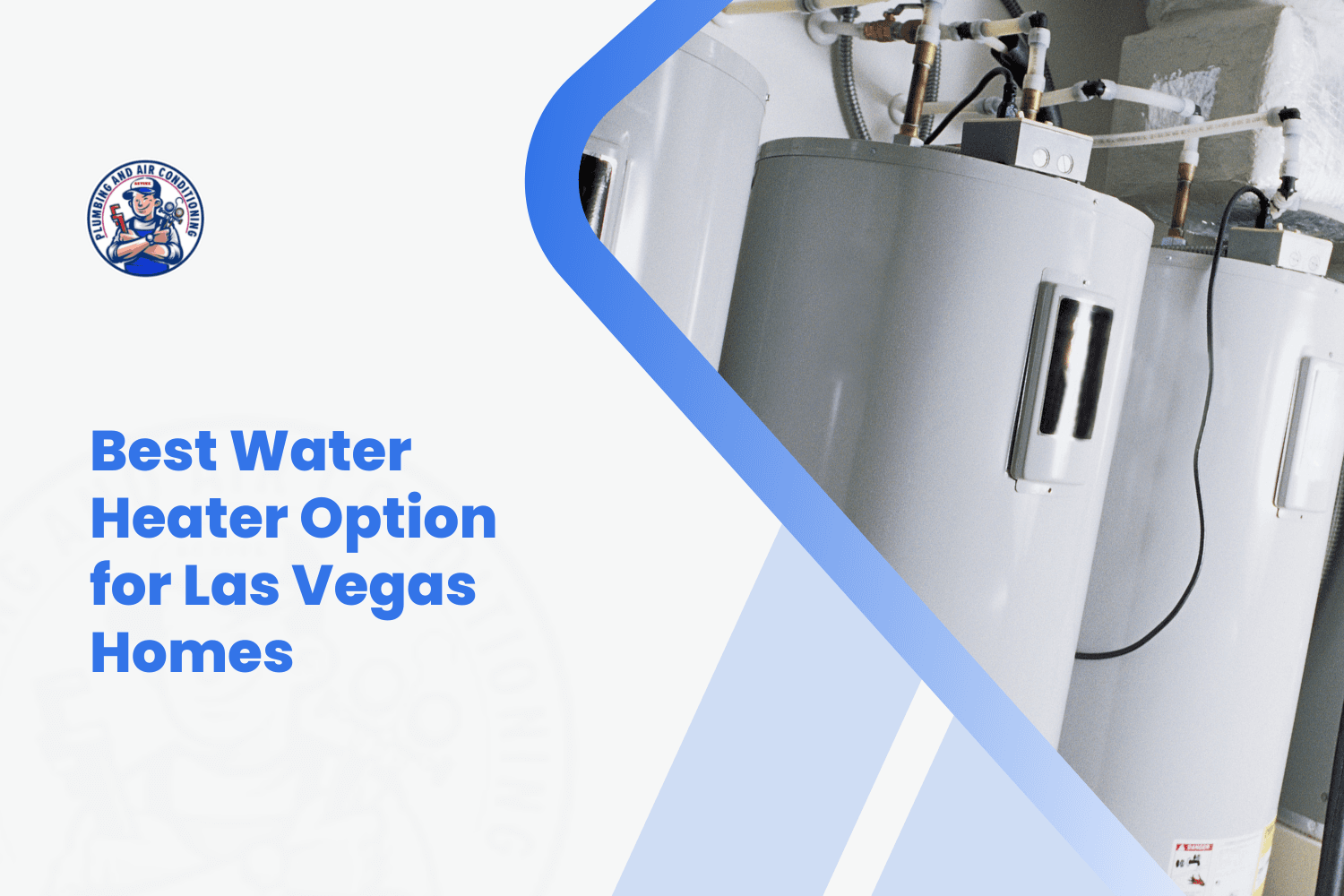
Best Water Heater Option for Las Vegas Homes: Tank vs Tankless
Compare tank vs tankless water heaters for Las Vegas homes. Costs, hard water effects, lifespan, permits, and which option fits your neighborhood best.
Does Emergency Plumbing Cost More in Las Vegas?
Yes, emergency plumbing costs more in Las Vegas. Learn why, see real price ranges, and discover how to avoid costly after-hours calls across the valley.
Emergency Plumber Cost Las Vegas: After-Hours Pricing Breakdown
A clear breakdown of emergency plumber cost in Las Vegas, including after-hours pricing, fees, neighborhood factors, and smart ways to lower your bill.