Maintenance
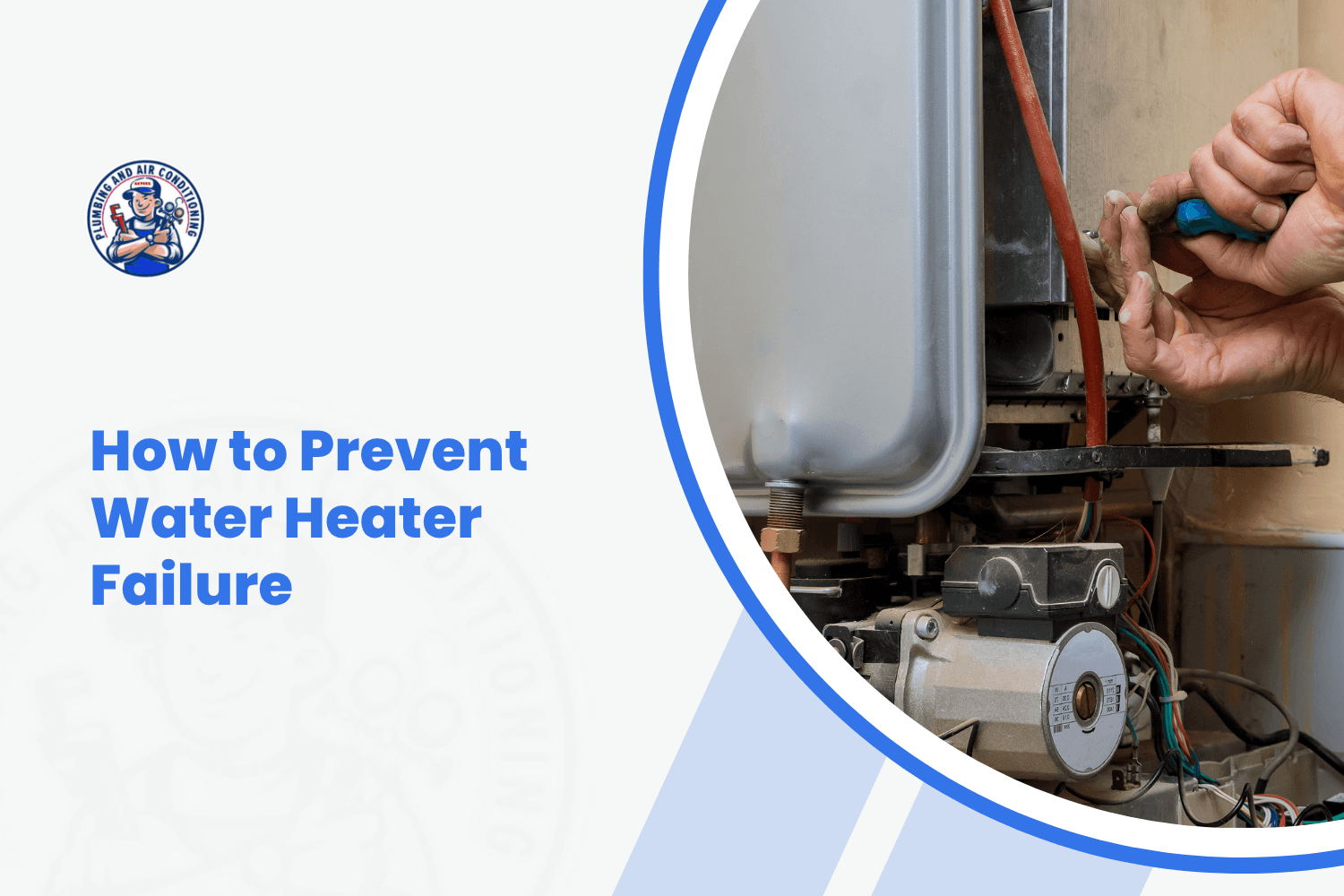
How to Prevent Water Heater Failure in Las Vegas (Hard Water Maintenance Plan)
Key Takeaways
- Las Vegas water contains about 16 grains of hardness per gallon, more than double the national average, requiring aggressive maintenance schedules
- Tank flushing every 6-8 months and anode rod replacement every 18-24 months prevents premature failure in hard water conditions
- Water heaters in Las Vegas last only 4-6 years without maintenance but can achieve 8-12 years with proper care
- Water softener systems provide the most effective long-term protection and typically pay for themselves through extended equipment life
- Early warning signs include temperature fluctuations, unusual noises, and reduced pressure - addressing these prevents emergency failures
- Professional maintenance costs $200-$400 annually but prevents replacement expenses of $1,800-$3,500 every few years
In This Article
Picture a Henderson homeowner discovering lukewarm water during their morning shower, only to realize their three-year-old water heater has already started failing. Across Las Vegas Valley, thousands of residents face this same frustration as our mineral-heavy water supply silently destroys water heaters twice as fast as the national average.
Las Vegas hard water contains some of the highest mineral concentrations in the United States, making preventive maintenance absolutely necessary for water heater longevity. Our team at Active Plumbing works throughout neighborhoods from Summerlin to Green Valley, and we consistently see the same pattern - homeowners who follow a structured maintenance plan get 8-12 years from their water heaters, while those who skip maintenance often face replacement after just 4-6 years.
Why Las Vegas Water Destroys Water Heaters Faster?
Southern Nevada receives its water supply primarily from Lake Mead and underground wells, both sources naturally high in dissolved minerals. The Las Vegas Valley Water District regularly tests show mineral levels that place our water in the "very hard" category - a classification that spells trouble for every water heater in the valley.
These elevated mineral concentrations create a perfect storm for accelerated water heater deterioration. Calcium and magnesium settle at tank bottoms, forming thick sediment layers that insulate heating elements and force systems to work harder. Meanwhile, mineral-rich water accelerates corrosion throughout the entire unit.
| Water Quality Measure | Las Vegas Average | National Average | Impact Level |
|---|---|---|---|
| Total Hardness (grains per gallon) | 16-22 gpg | 7-10 gpg | Very High |
| Calcium Content (ppm) | 180-240 ppm | 80-120 ppm | Extreme |
| Magnesium Content (ppm) | 45-65 ppm | 20-35 ppm | High |
| Total Dissolved Solids | 550-650 ppm | about 280 parts per million | Very High |
Las Vegas Valley Water District Mineral Content
The Las Vegas Valley Water District pulls from multiple sources, each contributing different mineral profiles to our local supply. Lake Mead water contains high calcium levels from limestone formations, while local groundwater adds magnesium and other dissolved solids that have filtered through desert soil for decades.
Recent water district reports show mineral levels fluctuate seasonally, with concentrations typically higher during summer months when Lake Mead levels drop. These variations mean water heater stress levels change throughout the year, making consistent maintenance schedules even more important for local homeowners.
How Hard Water Shortens Water Heater Lifespan
Sediment buildup begins immediately when hard water enters your tank. Calcium and magnesium precipitate out of solution when heated, forming scale deposits on heating elements and tank walls. This process accelerates significantly in Las Vegas due to our extreme mineral concentrations.
Tank corrosion follows a predictable pattern in hard water areas. Minerals create electrochemical reactions that eat through protective anode rods faster than designed, then attack the tank itself. Without proper maintenance, tanks develop pinhole leaks and major failures within 3-5 years instead of the expected 8-10 year lifespan.
Neighborhood Variations in Water Hardness
Summerlin residents typically experience slightly softer water due to newer infrastructure and treatment systems, though levels still qualify as very hard. The master-planned community's water distribution network receives more consistent treatment than older areas, but residents still need aggressive maintenance plans.
Henderson neighborhoods, particularly older areas near Boulder Highway, often deal with the hardest water in the valley. These areas rely more heavily on groundwater sources with extremely high mineral content. Green Valley and newer Henderson developments have somewhat better water quality due to modern treatment facilities.
Downtown Las Vegas and areas along Charleston Boulevard frequently show the most extreme mineral concentrations. Properties built before 1990 in these neighborhoods often need water heater services more frequently due to both older plumbing systems and challenging water conditions.
Get Your Quote
Tell us what's going on and we'll get back to you fast.
Early Warning Signs of Water Heater Problems
Most water heater failures in Las Vegas homes show warning signs weeks or months before complete breakdown. Learning to recognize these early symptoms allows homeowners to address problems before facing emergency situations during extreme weather.
Temperature fluctuations often appear first, followed by unusual noises and visible signs around the unit. Our service calls to neighborhoods like Paradise and Spring Valley frequently involve homeowners who noticed these warning signs but delayed action until minor issues became major repairs.
- Water taking longer to heat or failing to reach desired temperature
- Unusual sounds including popping, rumbling, or hissing from the tank
- Rusty or discolored hot water from faucets
- Reduced water pressure specifically from hot water taps
- Visible moisture or small leaks around the tank base
- Spike in energy bills without increased usage
- Metallic taste or unusual odor in hot water
Strange Noises and What They Mean
Popping sounds indicate sediment buildup at the tank bottom, creating steam bubbles that burst as they rise through mineral layers. This noise becomes more frequent as sediment accumulates, eventually leading to overheating and element failure if left untreated.
Rumbling sounds suggest advanced sediment problems where heating elements struggle to warm water through thick mineral deposits. Hissing typically indicates pressure relief valve activation or small leaks developing around fittings - both requiring immediate professional attention.
Water Temperature and Pressure Changes
Inconsistent hot water temperatures signal heating element problems or thermostat malfunctions caused by mineral interference. When sediment covers elements, they cannot transfer heat efficiently, resulting in lukewarm water or complete heating failure during peak usage periods.
Reduced water pressure from hot water taps often indicates mineral buildup within the tank or supply lines. This problem progresses gradually, making it easy to overlook until pressure drops significantly enough to affect daily routines like showering or dishwashing.
Visual Signs of Tank Deterioration
Rust stains around the tank base typically indicate slow leaks that worsen over time. In Las Vegas homes, these leaks often start as minor seepage but accelerate quickly due to our dry climate causing rapid expansion and contraction of metal components.
Corrosion around pipe connections, temperature relief valves, or tank tops shows advanced deterioration that requires professional evaluation. White or greenish deposits on pipes indicate mineral buildup that extends beyond the tank itself into the home's plumbing system.
Annual Water Heater Maintenance Schedule
Las Vegas climate conditions create unique maintenance timing considerations that differ from national recommendations. Our extreme summer heat increases water usage while winter temperature swings stress tank components, making scheduled maintenance timing important for optimal performance.
Professional maintenance schedules should align with seasonal usage patterns and local water supply variations. We recommend spreading major maintenance tasks throughout the year to prevent system overload during peak usage periods and ensure consistent hot water availability.
Spring Maintenance Tasks (March-May)
Spring provides ideal conditions for tank flushing and major maintenance tasks. Moderate temperatures reduce hot water demand, allowing systems to remain offline longer for thorough cleaning and inspection procedures.
March through May offers perfect timing for anode rod inspection and replacement. Tank flushing removes winter sediment buildup before summer usage peaks, while mild weather makes garage and outdoor unit maintenance more comfortable for both homeowners and service technicians.
Summer Preparation (June-August)
Summer maintenance focuses on efficiency optimization before Las Vegas heat waves drive hot water usage to yearly peaks. Temperature setting adjustments and insulation checks help units handle increased demand without overworking heating elements or cycling systems.
Efficiency checks during early summer identify problems before they cause failures during 115-degree days when replacement parts become harder to obtain and service calls increase dramatically. Our emergency plumbing calls double during July and August due to preventable maintenance issues.
Fall and Winter Checkups
Fall maintenance prepares systems for reduced ambient temperatures that affect efficiency and cycling patterns. Insulation inspection becomes important as garage and outdoor units face temperature drops that increase heating costs and stress components.
Winter checkups focus on thermostat calibration and safety system testing. Temperature and pressure relief valve testing ensures proper function during months when heating cycles increase due to colder water supply temperatures and higher usage for heating-related activities.
Need Help in Las Vegas?
Active Plumbing serves Las Vegas and all of Las Vegas Valley.
Tank Flushing for Hard Water Areas
Tank flushing removes sediment accumulation that occurs rapidly in Las Vegas hard water conditions. Proper flushing extends element life, improves efficiency, and prevents premature tank failure caused by mineral buildup and overheating.
Regular flushing becomes more important in hard water areas because sediment accumulates faster and forms harder deposits than in soft water regions. Our service area from Winchester to Mountains Edge requires more aggressive flushing schedules than most national recommendations suggest.
How Often to Flush in Las Vegas
Las Vegas water conditions require tank flushing every 6-8 months for optimal performance, compared to annual flushing recommended in soft water areas. Homes with high usage or older units benefit from quarterly flushing to prevent severe sediment problems.
Tankless units need descaling every 6 months in our water conditions, while traditional tanks should be flushed twice yearly minimum. Properties in areas with extremely hard water, such as older Henderson neighborhoods, may require flushing every 4-6 months to prevent element damage.
DIY Flushing Steps for Homeowners
Basic tank flushing involves shutting off power and water supply, connecting a garden hose to the drain valve, and allowing the tank to empty completely. Homeowners should run cold water into the tank while draining to help break up sediment deposits.
Safety requires turning off the gas supply or electrical breaker before beginning any flushing procedure. Allow adequate cooling time before starting - tanks retain heat for several hours after shutdown. Always check local codes regarding drainage, as some areas require specific disposal methods for mineral-heavy water.
When to Call Professional Service
Professional flushing becomes necessary when DIY attempts fail to remove sediment completely or when unusual sounds persist after flushing. Severely clogged drain valves, damaged heating elements, or corroded tank components require professional evaluation and repair.
Call for professional service if water continues running discolored after multiple flush attempts, or if tanks fail to drain completely through the drain valve. Complex problems often indicate deeper issues requiring water heater repair or component replacement beyond DIY capabilities.
Anode Rod Replacement in Hard Water
Anode rods sacrifice themselves to protect tank walls from corrosion, but Las Vegas minerals consume these protective devices much faster than typical conditions. Hard water accelerates the electrochemical process that dissolves anode material, requiring more frequent replacement for continued protection.
Standard anode rods designed for 3-5 year replacement intervals often last only 18-24 months in Las Vegas water conditions. Regular inspection and timely replacement prevents expensive tank damage that occurs once anode protection fails completely.
Checking Anode Rod Condition
Anode rod inspection requires removing the rod from the tank top and measuring remaining material. Rods reduced to less than 1/2 inch diameter or showing 6+ inches of exposed core wire need immediate replacement to maintain tank protection.
Visual inspection reveals corrosion patterns specific to local water chemistry. Las Vegas water typically creates heavy calcium buildup on rod surfaces, while the actual anode material dissolves from underneath. This pattern can make rods appear less damaged than they actually are.
Replacement Timeline for Las Vegas Homes
Most Las Vegas homes require anode rod replacement every 18-24 months, compared to 3-5 years in soft water areas. High-usage homes or those with extremely hard water may need annual replacement to maintain adequate protection.
New water heater installations should receive their first anode rod inspection after 12 months to establish baseline consumption rates for future scheduling. Properties in Aliante, The Lakes, and other areas with newer infrastructure may extend replacement intervals slightly due to better water treatment.
Choosing the Right Anode Rod Type
Magnesium anode rods work well in most Las Vegas applications, providing strong protection against typical mineral-induced corrosion. These rods dissolve predictably and create fewer maintenance issues than other materials in hard water conditions.
Aluminum anode rods offer longer life in extremely hard water but may create white gel-like deposits that clog drains and faucets. Zinc anodes work best for homes with sulfur odor problems but provide shorter protection life than magnesium in typical Las Vegas water conditions.
Water Softener Installation Benefits
Water softening systems dramatically extend water heater life in Las Vegas hard water conditions by removing minerals before they reach tank components. Professional water softener installation provides the most effective long-term protection against mineral damage throughout your home's plumbing system.
Softened water reduces sediment buildup, extends anode rod life, and improves heating efficiency by preventing scale formation on elements and heat exchangers. The investment in water softening equipment typically pays for itself through reduced maintenance costs and extended appliance life.
Cost Savings vs. Installation Investment
Quality water softener systems cost $1,200-$2,500 installed but prevent water heater replacement expenses averaging $1,800-$3,500 every 4-6 years. Additional savings include reduced maintenance costs, improved efficiency, and extended life for other appliances like dishwashers and washing machines.
Annual salt costs range from $50-$100 depending on water usage and hardness levels, while maintenance visits cost $100-$150 yearly. These ongoing expenses remain far below the costs of frequent water heater repairs and premature replacement in untreated hard water conditions.
Water Softener Types for Las Vegas
Salt-based ion exchange systems provide the most effective hardness removal for Las Vegas water conditions. These systems completely remove calcium and magnesium minerals, providing maximum protection for water heaters and other appliances.
Salt-free conditioning systems reduce scale formation without removing minerals entirely. While less effective than salt-based systems for water heater protection, they offer benefits for homeowners concerned about sodium addition or wastewater discharge restrictions in some HOA communities.
Integration with Existing Plumbing
Older Las Vegas homes often require additional plumbing modifications for proper water softener integration. Properties built before 1990 may need supply line upgrades, electrical connections, or drainage improvements to accommodate modern softening equipment.
Installation considerations include space requirements, drainage access, and electrical supply availability. Many homes in Summerlin and Green Valley have pre-plumbed utility areas designed for water treatment equipment, while older neighborhoods may require more extensive modifications.
Temperature and Pressure Relief Valve Maintenance
Temperature and pressure relief valves provide safety protection against dangerous pressure buildup, but hard water conditions affect valve operation and reliability. Regular testing and maintenance prevent valve failure that could lead to serious safety hazards or property damage.
Las Vegas mineral deposits commonly interfere with relief valve operation, causing valves to stick closed or leak continuously. Professional inspection identifies problems before they compromise safety or cause water damage around the unit.
Testing TPR Valve Function
Monthly valve testing involves lifting the lever briefly to allow small amounts of water discharge, confirming proper operation and clearing minor mineral deposits. Test water should flow freely and stop completely when the lever releases.
Annual professional testing includes pressure measurement and complete valve inspection for mineral buildup or corrosion. Valves that fail to operate smoothly, leak continuously, or show mineral deposits require immediate replacement for continued safety protection.
Signs of Valve Failure
Continuous dripping from relief valve discharge pipes indicates valve failure or excessive system pressure. Mineral deposits around valve connections show advanced deterioration that compromises sealing and operation reliability.
Valves that cannot be lifted manually or fail to reseat properly after testing require immediate replacement. Our 24-7 emergency plumbing service handles relief valve failures that pose safety risks or cause property damage.
Need Help in Las Vegas?
Active Plumbing serves Las Vegas and all of Las Vegas Valley.
Insulation and Energy Efficiency Updates
Proper insulation reduces energy costs and extends component life by minimizing temperature fluctuations that stress tank materials. Las Vegas temperature extremes make insulation particularly important for units in garages, utility rooms, and outdoor installations.
Energy efficiency improvements include tank wrapping, pipe insulation, and thermostat optimization for local climate conditions. These modifications reduce operating costs while improving hot water delivery throughout your home's plumbing system.
Insulating Tank and Pipes
Tank wraps reduce heat loss during standby periods, particularly important for units in unheated spaces like garages common in Las Vegas homes. Insulation blankets designed for water heaters provide R-6 to R-11 thermal protection without interfering with safety systems.
Hot water pipe insulation prevents heat loss during distribution and reduces wait times for hot water delivery. Focus insulation efforts on the first 6 feet of hot water piping and any pipes running through unconditioned spaces like attics or crawl areas.
Garage and Outdoor Unit Considerations
Garage installations face temperature extremes during Las Vegas summers and winters, making insulation and ventilation modifications important for efficiency and safety. Outdoor units require weather protection and enhanced insulation to handle temperature variations.
Ventilation improvements may be needed for garage installations to prevent carbon monoxide buildup and provide adequate combustion air. Local building codes specify requirements for gas water heater installations in enclosed spaces throughout the Las Vegas valley.
Thermostat Settings for Local Climate
Optimal temperature settings balance energy efficiency with usage demands specific to Las Vegas households. Settings between 120-140°F provide adequate hot water while minimizing energy waste and reducing mineral precipitation rates.
Seasonal adjustments help manage efficiency - slightly lower settings during mild spring and fall months, with increases during winter when incoming water temperatures drop and household heating needs rise.
Professional Inspection Services in Las Vegas
Professional water heater inspections identify developing problems before they cause failures or safety hazards. Regular professional maintenance extends equipment life, maintains warranty coverage, and provides peace of mind for homeowners dealing with challenging hard water conditions.
Comprehensive inspections include safety system testing, efficiency analysis, and component evaluation specific to Las Vegas water and climate conditions. Professional service identifies issues that homeowners commonly miss during routine visual checks.
What Active Plumbing Inspects
Our comprehensive inspection checklist includes anode rod condition, sediment levels, heating element function, thermostat calibration, and safety system testing. We also evaluate efficiency, identify mineral buildup patterns, and recommend maintenance scheduling based on your specific water conditions and usage patterns.
Gas unit inspections include combustion analysis, venting system evaluation, and gas line pressure testing. Electric unit inspections focus on element condition, wiring integrity, and electrical safety compliance with local codes and manufacturer specifications.
Inspection Frequency Recommendations
Annual professional inspections work well for newer units in good condition, while older systems or those showing problems benefit from semi-annual professional evaluation. High-usage homes or properties with extremely hard water should schedule professional service every 6-8 months.
New installations should receive professional inspection after the first year to establish baseline conditions and maintenance schedules. This initial professional evaluation helps predict future maintenance needs based on actual operating conditions in your specific location.
Service Areas and Response Times
Active Plumbing provides water heater maintenance throughout the Las Vegas valley, including Summerlin, Henderson, North Las Vegas, and all surrounding communities. Our service area extends from the Trails neighborhood to Whitney, ensuring comprehensive coverage for valley residents.
Standard service appointments are available within 24-48 hours, while emergency repairs receive same-day response when safety issues are involved. We maintain service vehicles stocked with common parts for immediate repairs during inspection visits.
Emergency Prevention and Response Plan
Emergency prevention planning helps homeowners respond quickly to water heater failures, minimizing property damage and safety risks. Las Vegas homeowners should understand shutoff procedures, leak response, and emergency service options before problems occur.
Proper emergency response can prevent minor leaks from becoming major flood damage, particularly important in single-story homes where water heater failures can affect large areas quickly.
Shutoff Procedures Every Homeowner Should Know
Gas water heater emergency shutdown requires turning off the gas supply valve, usually located on the gas line near the unit. Electric units require shutting off the dedicated circuit breaker, typically labeled in the main electrical panel.
Water supply shutoff involves closing the cold water inlet valve at the tank top. If individual shutoff valves are not available or not functioning, homeowners should know the location of their main water shutoff valve to stop supply to the entire house.
Leak Detection and Immediate Response
Early leak detection prevents minor seepage from becoming major flooding. Check for moisture around tank bases, wet spots on nearby walls, or unusual sounds that might indicate developing leaks before they become visible.
Immediate response includes shutting off water and power supplies, moving belongings away from the unit, and documenting damage for insurance purposes. Quick action prevents water damage that often exceeds the cost of water heater replacement itself.
24/7 Emergency Service Contacts
Keep emergency plumbing contact information readily available, including our emergency service number for immediate assistance with safety hazards or major leaks. Emergency situations require professional evaluation to prevent property damage and safety risks.
Emergency service includes leak repair, safety system failure, gas line problems, and complete unit replacement when necessary. Our emergency technicians carry basic repair supplies and can provide temporary solutions until complete repairs can be scheduled.
Need Help in Las Vegas?
Active Plumbing serves Las Vegas and all of Las Vegas Valley.
Maintenance Cost Analysis and Budgeting
Understanding maintenance costs versus replacement expenses helps homeowners make informed decisions about water heater care. Las Vegas hard water conditions create different cost considerations than national averages due to accelerated wear and more frequent service needs.
Proper budgeting includes regular maintenance costs, unexpected repairs, and eventual replacement planning. Proactive maintenance typically costs less than reactive repairs while providing better reliability and longer equipment life.
Annual Maintenance Investment
Annual maintenance costs for Las Vegas water heaters typically range from $200-$400, including tank flushing, anode rod replacement, and professional inspection. This investment extends equipment life by 3-5 years compared to units receiving no preventive maintenance.
DIY maintenance reduces costs to $50-$100 annually for materials like anode rods, flush kits, and basic supplies. However, professional service identifies problems that homeowners commonly miss, potentially preventing expensive repairs or premature replacement.
Replacement vs. Repair Decisions
Replacement becomes more economical than continued repairs when units exceed 6-8 years in hard water conditions and require major component replacement. Multiple element failures, tank leaks, or repeated repair calls typically indicate replacement provides better value than continued maintenance.
Consider replacement when repair costs exceed 50% of new unit cost, particularly for units approaching expected lifespan limits. Modern high-efficiency units often provide better long-term value than continued maintenance of older, less efficient systems.
Final Thoughts
Las Vegas hard water conditions demand proactive maintenance approaches that differ significantly from national recommendations. Homeowners who follow structured maintenance plans protect their investment while avoiding unexpected failures during extreme weather periods.
Regular tank flushing, anode rod replacement, and professional inspections provide the foundation for water heater longevity in challenging mineral-rich water conditions. Combined with water softening systems, these maintenance strategies can double equipment lifespan while improving efficiency and reliability.
Frequently Asked Questions
How often should I flush my water heater in Las Vegas?
Las Vegas hard water conditions require tank flushing every 6-8 months for optimal performance. High-usage homes or properties with extremely hard water may benefit from quarterly flushing. This frequency prevents severe sediment buildup that damages heating elements and reduces efficiency significantly.
What are the first signs my water heater is failing?
Early warning signs include inconsistent water temperature, unusual popping or rumbling sounds, reduced hot water pressure, and visible rust or moisture around the unit. Rusty or discolored hot water and sudden increases in energy bills also indicate developing problems requiring professional attention.
Do I need a water softener with my water heater?
Water softeners provide significant benefits for water heater longevity in Las Vegas hard water conditions. Softening systems remove minerals that cause sediment buildup and accelerate corrosion, typically extending water heater life from 4-6 years to 8-12 years while reducing maintenance requirements.
How long do water heaters last in Las Vegas?
Without proper maintenance, water heaters in Las Vegas typically last 4-6 years due to hard water damage. With regular maintenance including tank flushing and anode rod replacement, units can achieve 8-12 years of service life, similar to national averages in soft water areas.
Can I perform water heater maintenance myself?
Homeowners can safely perform basic maintenance including tank flushing, anode rod inspection, and temperature/pressure relief valve testing. However, gas line work, electrical repairs, and complex diagnostics require professional service to ensure safety compliance and proper function.
What does professional water heater service include?
Professional service includes comprehensive inspection of all components, tank flushing, anode rod evaluation, heating element testing, thermostat calibration, safety system inspection, and efficiency analysis. Gas units receive combustion testing and venting system evaluation for safety compliance.
How much does water heater maintenance cost in Las Vegas?
Annual professional maintenance typically costs $200-$400 including tank flushing, anode rod replacement, and inspection. DIY maintenance reduces costs to $50-$100 for materials. Emergency repairs range from $150-$500 depending on required components and complexity.
When should I replace my anode rod?
Las Vegas water conditions require anode rod replacement every 18-24 months, compared to 3-5 years in soft water areas. Replace rods when diameter reduces to less than 1/2 inch or when 6+ inches of core wire becomes exposed to maintain tank protection.
What causes water heater noises and are they dangerous?
Popping sounds indicate sediment buildup creating steam bubbles, while rumbling suggests advanced mineral deposits interfering with heating. Hissing may indicate pressure relief valve activation requiring immediate attention. Most noises indicate maintenance needs rather than immediate danger, but persistent sounds warrant professional evaluation.
Does hard water void my water heater warranty?
Hard water itself doesn't void warranties, but failure to perform required maintenance may affect coverage. Most manufacturers require regular maintenance including tank flushing and anode rod replacement. Proper maintenance documentation helps maintain warranty protection throughout the coverage period.
Frequently Asked Questions
- How often should I flush my water heater in Las Vegas?
- Las Vegas hard water conditions require tank flushing every 6-8 months for optimal performance. High-usage homes or properties with extremely hard water may benefit from quarterly flushing. This frequency prevents severe sediment buildup that damages heating elements and reduces efficiency significantly.
- What are the first signs my water heater is failing?
- Early warning signs include inconsistent water temperature, unusual popping or rumbling sounds, reduced hot water pressure, and visible rust or moisture around the unit. Rusty or discolored hot water and sudden increases in energy bills also indicate developing problems requiring professional attention.
- Do I need a water softener with my water heater?
- Water softeners provide significant benefits for water heater longevity in Las Vegas hard water conditions. Softening systems remove minerals that cause sediment buildup and accelerate corrosion, typically extending water heater life from 4-6 years to 8-12 years while reducing maintenance requirements.
- How long do water heaters last in Las Vegas?
- Without proper maintenance, water heaters in Las Vegas typically last 4-6 years due to hard water damage. With regular maintenance including tank flushing and anode rod replacement, units can achieve 8-12 years of service life, similar to national averages in soft water areas.
- Can I perform water heater maintenance myself?
- Homeowners can safely perform basic maintenance including tank flushing, anode rod inspection, and temperature/pressure relief valve testing. However, gas line work, electrical repairs, and complex diagnostics require professional service to ensure safety compliance and proper function.
- What does professional water heater service include?
- Professional service includes comprehensive inspection of all components, tank flushing, anode rod evaluation, heating element testing, thermostat calibration, safety system inspection, and efficiency analysis. Gas units receive combustion testing and venting system evaluation for safety compliance.
- How much does water heater maintenance cost in Las Vegas?
- Annual professional maintenance typically costs $200-$400 including tank flushing, anode rod replacement, and inspection. DIY maintenance reduces costs to $50-$100 for materials. Emergency repairs range from $150-$500 depending on required components and complexity.
- When should I replace my anode rod?
- Las Vegas water conditions require anode rod replacement every 18-24 months, compared to 3-5 years in soft water areas. Replace rods when diameter reduces to less than 1/2 inch or when 6+ inches of core wire becomes exposed to maintain tank protection.
- What causes water heater noises and are they dangerous?
- Popping sounds indicate sediment buildup creating steam bubbles, while rumbling suggests advanced mineral deposits interfering with heating. Hissing may indicate pressure relief valve activation requiring immediate attention. Most noises indicate maintenance needs rather than immediate danger, but persistent sounds warrant professional evaluation.
- Does hard water void my water heater warranty?
- Hard water itself doesn't void warranties, but failure to perform required maintenance may affect coverage. Most manufacturers require regular maintenance including tank flushing and anode rod replacement. Proper maintenance documentation helps maintain warranty protection throughout the coverage period.
A
Licensed plumbing professionals serving Las Vegas and Las Vegas Valley.
Licensed in Nevada · License #0047021
Last updated on
Why trust Active Plumbing?
Founded in 1991, Active Plumbing is a licensed and insured plumber serving Las Vegas and Las Vegas Valley. All content is reviewed by our licensed technicians.

Need Help in Las Vegas?
Active Plumbing serves Las Vegas and all of Las Vegas Valley.
Related Articles
Cost Guides
Best Water Heater Option for Las Vegas Homes: Tank vs Tankless
Compare tank vs tankless water heaters for Las Vegas homes. Costs, hard water effects, lifespan, permits, and which option fits your neighborhood best.
Maintenance
Best Water Heater Reliability Plans for Las Vegas Homeowners
Discover how water heater reliability plans protect Las Vegas homes from hard water damage, including coverage, pricing, seasonal care, and how to pick the right plan.
Maintenance
Tankless Water Heater Maintenance in Las Vegas: Why Hard Water Makes It Critical
Las Vegas hard water from Lake Mead builds scale fast inside tankless heaters. Learn the warning signs, real maintenance steps, and how often valley homes need service.