Maintenance
Best Water Heater Reliability Plans for Las Vegas Homeowners
Key Takeaways
- A reliability plan covers scheduled flushes, priority repairs, and parts discounts that a basic warranty does not.
- Las Vegas water runs 16 to 18 grains per gallon, among the hardest in the country, due to its Colorado River supply.
- Hard water can cut a 10 to 12 year heater down to 6 to 8 years without regular flushing.
- Tank heaters need anode rod checks and flushing, while tankless units require yearly descaling and filter cleaning.
- Single-unit plans typically cost 150 to 300 dollars per year, far less than an early replacement or flood cleanup.
- Warning signs include rusty water, popping noises, lukewarm showers, and puddles near the base of the unit.
- Spring flushes and summer thermostat adjustments keep heaters efficient through the valley's seasonal swings.
- A local team that knows valley water and neighborhoods builds plans that fit each home's age and demand.
In This Article
It is 6:45 on a weekday morning in Summerlin. The kids need showers, the coffee is brewing, and someone turns the tap to find ice cold water. The water heater that worked fine yesterday quit overnight, and now the whole family is scrambling. We have answered that exact call more times than we can count across the Las Vegas Valley.
A water heater reliability plan exists to keep that morning from ever happening. These plans bundle routine flushes, priority repairs, and member discounts so your unit stays healthy year after year. In a city with some of the hardest water in the country, that kind of regular care is the difference between a heater that lasts a decade and one that fails in half the time.
What a Water Heater Reliability Plan Actually Covers
A reliability plan is a service agreement that keeps your water heater maintained on a schedule instead of waiting for it to break. A basic manufacturer warranty only replaces a defective part, and even then you usually pay for the labor and the call. A reliability plan covers the upkeep that prevents failures in the first place.
The value comes from prevention. Hard water damage builds slowly, and most homeowners never see it until the heater quits. Regular water heater maintenance catches sediment, corrosion, and worn parts early, when fixes are cheap and quick.
Here is how a reliability plan compares to a standard warranty so you can see where the real protection lives.
| Feature | Manufacturer Warranty | Reliability Plan |
|---|---|---|
| Annual flush and inspection | No | Yes |
| Priority scheduling | No | Yes |
| Parts and labor discounts | Part only, no labor | Both |
| Written inspection report | No | Yes |
| Covers wear from hard water | No | Yes, through prevention |
Scheduled Maintenance Visits and Flushes
The core of any plan is the tank flush. Over a year, calcium and sediment settle at the bottom of a storage tank and form a hard crust. We drain the tank, clear that sediment, and check that the burner or heating element can do its job without fighting through a layer of grit.
Most valley homes do well with one annual maintenance visit, but heavier hard water areas often need two. During each visit our team inspects the anode rod, tests the pressure relief valve, and looks for early corrosion around the fittings. These are small checks that take minutes but catch problems months before they turn into a flooded garage.
We schedule visits so they line up with how your home actually uses hot water. A two-person household in Spring Valley has different needs than a busy family of six in Henderson. The plan tracks your service history so each flush builds on the last instead of starting from scratch.
You can read more about the full scope of our water heater services if you want to see how routine care fits into repairs and replacements.
Priority Repair Service and Faster Response
When a cold snap hits and dozens of heaters fail the same week, our schedule fills up fast. Plan members get bumped to the front of that line. Instead of waiting days for an opening, they get same-day or next-day priority service while everyone else waits their turn.
Response time matters most during a real emergency. A leaking tank in a garage near Charleston Boulevard can soak drywall and flooring within hours. Members who call us with that kind of problem get routed straight to our dispatch team for emergency repair, not the general queue.
We also keep member records on file, so we already know your unit's age, model, and history before we arrive. That cuts the diagnostic time and gets hot water back faster. For after-hours failures, our emergency plumbing team is reachable around the clock.
Faster response is not just about convenience. The sooner we catch a small leak or a failing valve, the less likely it turns into water damage that costs thousands to repair.
Parts Discounts and Inspection Reports
Plan members pay less on both parts and labor when a repair is needed. A new anode rod, a thermostat, or a heating element costs a fraction of the regular price when you are on a plan. Those parts discounts add up over the life of a heater.
After every visit, homeowners get a written inspection report. It lists what we checked, the current condition of the tank and parts, sediment levels, and any items to watch. That record gives you a clear picture of your heater's health instead of a verbal "it looks fine."
The labor savings are real too. Most repairs include drive time, diagnostics, and hands-on work, and members see a discount on all of it. Over a few years, those discounts often cover the cost of the plan itself.
The inspection report also helps at resale. Buyers and home inspectors like seeing a documented maintenance trail, and it shows the heater was cared for rather than ignored.
Get Your Quote
Tell us what's going on and we'll get back to you fast.
Why Las Vegas Hard Water Wears Out Heaters Faster
Las Vegas has some of the hardest water in the United States. Most of our drinking water comes through the Las Vegas Valley Water District, drawn largely from the Colorado River by way of Lake Mead. That source is naturally loaded with dissolved minerals.
Hard water measures around 16 to 18 grains per gallon across much of the valley. Anything above 10 is considered very hard. The U.S. Geological Survey publishes water hardness data that puts our region near the top of the scale.
All that mineral buildup ends up inside your water heater. Here is how local hardness compares to the national picture.
| Water Hardness | Grains Per Gallon | Las Vegas? |
|---|---|---|
| Soft | 0 - 3 | No |
| Moderately hard | 3 - 7 | No |
| Hard | 7 - 10 | No |
| Very hard | 10+ | Yes, 16 - 18 typical |
Mineral Buildup From Colorado River Supply
The Colorado River water that feeds our taps carries high levels of calcium and magnesium. When that water gets heated, those minerals drop out of solution and stick to surfaces. Over time they form a hard white crust called scale.
In a tank heater, that scale settles on the bottom and coats the heating element or sits above the burner. The heater then has to work harder and longer to warm the water, which wastes energy and stresses the parts. We pull tanks open in homes near Lake Mead Boulevard and find inches of hardened sediment.
Tankless units are not safe from it either. Scale collects inside the narrow heat exchanger passages, slowly choking the water flow and the heat transfer. Without yearly descaling, that buildup can permanently damage the unit.
A whole-home water softener installation reduces the mineral load before it ever reaches the heater, which is why many plan members add one.
How Sediment Cuts Heater Lifespan in Half
A quality water heater is built to last 10 to 12 years. In the Las Vegas Valley, without regular flushing, we routinely see them fail at 6 to 8 years. The hard water simply wears them out faster than the manufacturer ever planned.
The damage works in stages. Sediment builds at the tank bottom, traps heat against the steel, and creates hot spots that crack the protective glass lining. Once that lining fails, the steel rusts, and tank failure follows soon after.
Sediment damage also kills efficiency long before the heater dies. As the layer thickens, your energy bills climb and your hot water runs out sooner. Many homeowners replace a heater they think is "too small" when the real problem is years of trapped sediment.
Regular flushing through a reliability plan can push a valley heater back toward its full 10 to 12 year lifespan. That is the single biggest reason these plans pay for themselves.
Neighborhood Patterns We See on Service Calls
After years on valley roads, we notice clear patterns. Newer homes in Centennial Hills still get heavy scale, but the buildup shows up most dramatically in homes that never had a single flush. We have opened five-year-old tanks up there packed with sediment.
In Henderson's Green Valley, many homes are 15 to 25 years old now, and their second or third heaters are running. Those owners who joined a plan early are getting far longer life out of each unit than those who replace on failure.
Older homes near Charleston Boulevard show the buildup earliest of all. Smaller original tanks, dated plumbing, and decades of hard water mean we often find corrosion and scale within a few years of a new install. Those neighborhoods benefit most from twice-yearly flushing.
The common thread is that hard water does not care how new your house is. It works on every heater in the valley, and the only thing that slows it down is consistent maintenance.
Need Help in Las Vegas?
Active Plumbing serves Las Vegas and all of Las Vegas Valley.
Tank vs. Tankless: How Reliability Plans Differ
Tank and tankless water heaters both need care in Las Vegas, but the maintenance differences are real. The coverage that protects a 50-gallon storage tank is not the same care a wall-mounted tankless unit needs. Picking the right plan starts with knowing which type you have.
A tank water heater stores and reheats water, so it fights sediment at the bottom. A tankless water heater heats on demand, so its battle is scale inside a tight heat exchanger. Both lose efficiency to hard water, just in different places.
Here is a quick comparison of what each type needs each year.
| Maintenance Task | Tank Heater | Tankless Heater |
|---|---|---|
| Annual flush or descale | Yes | Yes |
| Anode rod check | Yes | No |
| Pressure relief valve test | Yes | Yes |
| Inline filter cleaning | No | Yes |
| Typical service time | 45 - 60 min | 60 - 90 min |
Standard Tank Heater Service Needs
The anode rod is the hardest-working part in a storage tank. It is a sacrificial metal rod that corrodes so the steel tank does not. In our hard water, anode rods wear out fast, often within three to five years, and a worn rod leaves the tank exposed to rust.
During plan visits, we check the rod and replace it when it is more than half consumed. That single part can add years to a tank's life for a small cost. We also flush the sediment that collects above the burner or around the lower element.
The pressure relief valve is a safety device that opens if pressure builds too high. We test it every visit because a stuck valve is a serious hazard. Sediment and scale can clog these valves, so they need regular attention in valley homes.
For owners weighing a repair against a swap, our water heater repair team can tell you honestly whether a tank is worth saving or near the end.
Tankless Descaling and Filter Care
Tankless units need yearly descaling in Las Vegas, no exceptions. The heat exchanger has narrow passages, and even a thin layer of scale chokes performance. We circulate a descaling solution through the unit to dissolve the mineral buildup and restore full flow.
Skipping descaling on a tankless heater is the fastest way to void its warranty and shorten its life. Many manufacturers require documented annual service to honor coverage. A plan keeps that record and keeps the unit running at full output.
Tankless models also have an inline filter that catches debris before it reaches the heat exchanger. We clean or replace that filter during each visit so flow stays strong. Our tankless maintenance and descaling service handles both in one trip.
If you are still on a tank and thinking about switching, our tankless water heater installation page covers what the upgrade involves in a valley home.
Which Type Costs Less to Keep Running Here
Over the long run, the maintenance cost between the two is closer than people expect. Tank heaters cost less upfront and have cheaper annual service, but they fail sooner in hard water and use more energy as sediment builds. Tankless units cost more to buy and descale but last longer and run more efficiently.
A tank heater might run 80 to 150 dollars a year to maintain, while tankless descaling runs a bit higher per visit. The long-term value favors tankless for homes that keep up with care, since a well-maintained tankless unit can run 18 to 20 years.
Energy savings tilt toward tankless too, since it only heats water when you need it. A family that runs a lot of hot water sees the biggest difference. For light users, a tank often makes more financial sense.
The honest answer depends on your home. We help homeowners weigh upfront cost, maintenance, and energy savings before they commit either way.
What These Plans Cost Las Vegas Homeowners
Pricing is the first thing most homeowners ask about, so we keep it straightforward. A reliability plan is a small annual fee compared to the cost of an early heater replacement. The goal is to spread out predictable maintenance instead of facing surprise bills.
What you pay depends on your unit type, your home, and how many heaters you have. Below are the real ranges we see across the valley so you can budget honestly.
Typical Annual and Monthly Pricing
For a single tank water heater, most reliability plans land between 150 and 300 dollars per year. That covers the annual flush, inspection, valve testing, and member discounts. Broken into a monthly plan, that is roughly 13 to 25 dollars a month.
Homes with a tankless unit usually sit at the higher end because descaling takes more time and materials. Multi-unit homes, like a large house in Anthem with two heaters, run more but often get a bundled rate per unit.
The membership fee almost always includes priority scheduling and parts discounts as part of the package. When you compare that to paying full price for a single emergency repair, the plan starts looking like the cheaper path.
We keep pricing transparent and put it in writing before any visit. There are no surprise charges hiding in the fine print.
What Drives the Price Up or Down
Unit age is one of the biggest cost factors. An older heater needs closer attention and more frequent part checks, so plans for aging units may cost slightly more. A newer unit in good shape is cheaper to maintain.
Unit type matters next. Tankless service costs more than tank service because of the descaling process. Home size and the number of fixtures also play in, since a larger home with high hot water demand stresses the heater more.
The number of units is the clearest driver. A home with two water heaters needs two sets of visits, though we discount the second unit. Location within the valley can affect pricing slightly based on drive time.
We assess all of this during a first visit and give a flat plan price. You know exactly what you are paying and what it covers.
How a Plan Saves Money Over Time
The math is simple once you see it. A new water heater plus installation runs 1,500 to 3,500 dollars or more. If a plan pushes your heater from a 7-year life to a 12-year life, you skip an entire early replacement.
Repair avoidance adds up too. Catching a worn anode rod or a slow leak during a routine visit costs a little. Missing it leads to tank failure, water damage, and an emergency call that can cost thousands.
A flooded garage is the worst case. We have seen homeowners face 5,000 dollar cleanup bills from a burst tank that a single inspection would have flagged. That one avoided event pays for a decade of membership.
Add in the energy savings from a sediment-free heater, and the cost savings keep stacking. The plan is not an expense so much as protection against a much larger one.
Signs Your Water Heater Needs Attention Now
Even with a plan, it helps to know the warning signs of water heater problems. Catching early failure yourself means you can call before a small issue turns into a flood. Here are the signs valley homeowners describe to us most often.
- Rusty or discolored hot water coming from the tap
- Popping, rumbling, or crackling sounds from the tank
- Lukewarm showers or hot water running out fast
- Puddles or moisture around the base of the unit
- A metallic or rotten-egg smell in the hot water
Rusty Water and Strange Smells
When hot water comes out brown, orange, or cloudy, the inside of the tank is likely corroding. Rusty water usually means the anode rod is spent and the steel tank has started to rust. That is a signal to act before the corrosion eats through.
A rotten-egg odor is another red flag. It often points to bacteria reacting with a worn anode rod inside the tank. The smell is unpleasant, but it also tells you the rod needs replacing.
If only your hot water smells or looks off while the cold runs clear, the heater is the source. Cold water issues point elsewhere in the plumbing. We test both during a visit to pin down the cause.
Catching corrosion early often means a simple rod swap instead of a full replacement. Waiting usually means the tank is already too far gone.
Popping or Rumbling Noises From the Tank
That popping or rumbling sound is one of the most common things we hear about. It happens when water gets trapped under a layer of hardened sediment and boils through it. The noise is essentially the sediment rattling around inside.
The sediment sound means the buildup is thick enough to insulate the heating surface. The heater works harder, runs longer, and wears faster. Left alone, those hot spots crack the tank lining.
A good flush usually quiets the noise if you catch it early. Once the sediment hardens into a solid crust, it becomes much harder to remove. That is why annual flushing matters so much in our water.
If your tank sounds like a kettle of popcorn, it is past due for service. We can flush it and check whether the buildup has already done damage.
Running Out of Hot Water Too Soon
When showers turn lukewarm faster than they used to, your usable capacity has dropped. Sediment takes up space at the bottom of the tank, so less of it holds actual hot water. A 50-gallon tank can effectively behave like a 35-gallon one.
A failing heating element or burner causes the same complaint. As scale coats the element, it cannot transfer heat well, and the water never gets fully hot. People often blame a "small" heater when the real issue is buildup.
If your household routine has not changed but the hot water disappears sooner, something is wrong inside the tank. It rarely fixes itself. A flush and an element check usually restore the lost capacity.
Ignoring it tends to end in a cold morning shower at the worst possible time. Early attention keeps your full hot water back.
Puddles or Moisture Near the Base
Any water around the base of the heater deserves immediate attention. A small puddle may seem minor, but it often means the tank itself has started to leak. Once steel rusts through, the leak only grows.
Sometimes the moisture comes from a loose fitting or a faulty valve, which is an easy fix. Other times it is the tank wall, and that means full tank failure is close. We check the source carefully before deciding.
A leaking tank in a garage can cause real water damage to drywall, flooring, and stored belongings. The sooner you call, the more you can save. Our whole-home leak detection system can also catch hidden leaks before they spread.
Never wait out a leaking water heater. Even a slow drip is a warning that the unit is failing and could burst.
Need Help in Las Vegas?
Active Plumbing serves Las Vegas and all of Las Vegas Valley.
Seasonal Care for Heaters in the Las Vegas Climate
The desert climate shapes how a water heater performs through the year. Our summers are brutal and our winter mornings get colder than visitors expect. Seasonal maintenance keeps the unit ready for whatever the calendar brings.
Demand swings hard between seasons too. A heater that coasts through summer can struggle on a freezing January morning. Matching care to the season keeps performance steady.
Winter Demand and Garage-Installed Units
Most valley homes keep their water heater in an unheated garage. On cold winter mornings, the air around the unit and the incoming water both drop in temperature. That cold inlet water forces the heater to work much harder to reach your set temperature.
Winter demand also spikes because everyone wants longer, hotter showers when it is cold. A heater already weakened by sediment can fall behind fast. That is when we get the most no-hot-water calls of the year.
For garage installs, we check insulation on the pipes and the unit before winter. A simple insulating blanket and pipe wrap reduce the strain. It also trims the energy used to fight the cold.
Going into the colder months with a freshly serviced heater is the best way to avoid a frozen-morning surprise. The fall service visit is built for exactly that.
Summer Heat and Thermostat Adjustments
Summer in Las Vegas is the easy season for a water heater. Incoming water is warmer, so the unit barely works to hit temperature. That makes it a smart time to revisit your thermostat setting.
Many homes keep the heater hotter than needed. During the summer, you can safely lower the thermostat a few degrees and still have plenty of hot water. That small change cuts energy use and saves money.
The Department of Energy recommends 120 degrees as a safe and efficient setting for most homes. The Energy Saver guidance notes that lowering the temperature reduces both energy waste and scald risk.
Lower settings also slow scale formation, since minerals drop out faster at higher heat. So a summer adjustment helps your wallet and your tank at the same time.
Spring Flush to Clear Winter Buildup
Spring is the ideal time for a flush. After a winter of heavy use and hard work, sediment has had months to settle. A spring flush clears that buildup before summer and resets the heater for the year ahead.
We tie the spring service into the plan schedule so it happens automatically. You do not have to remember it or chase an appointment. The reminder and the visit are part of the membership.
Clearing winter buildup also restores any lost capacity from the busy season. Showers run hotter and longer again. The energy bill usually settles back down too.
A scheduled spring flush keeps the heater on a steady, healthy rhythm. It is one of the most reliable ways to stretch its lifespan in our water.
Choosing the Right Plan for Your Home
The right plan depends on your unit, your budget, and where you live in the valley. There is no single best plan for every home. Choosing a plan starts with an honest look at what your heater actually needs.
Local knowledge makes the difference here. A plumber who knows valley water and your specific neighborhood will build a plan that fits, not a generic package. That is the kind of service we focus on.
Matching Coverage to Your Unit's Age
For an older heater, past the eight-year mark, repair-focused coverage makes sense. At that age the goal is to get safe, reliable years out of it while watching for failure. Priority repair and parts discounts matter most here.
For a newer unit, prevention is the smarter play. Regular flushing, anode checks, and preventive care keep a young heater from aging early in our water. The right coverage match protects the investment you just made.
Mid-life heaters, around five to eight years, benefit from a balanced plan. They still respond well to prevention but are close enough to failure that quick repair access matters. We tailor the visit count to the unit's condition.
The point is to spend your plan dollars where they do the most good for your specific heater. We assess the age and condition before recommending anything.
Questions to Ask Before You Sign Up
Smart homeowners ask good questions before joining any plan. Start with response time: how fast do members get service during a busy week or an emergency? A plan with no real priority is not worth much.
Ask what the parts and labor discounts actually are, in numbers. Ask which parts are included in a visit and which cost extra. Get the answers in writing so there is no confusion later.
Read the fine print for exclusions. Some plans exclude older units, certain brands, or specific repairs. Knowing the exclusions up front saves frustration when you need service.
Finally, ask whether the plan transfers if you sell the home. A documented maintenance history and a transferable plan can both help at resale.
Why a Local Las Vegas Team Matters
A local plumber knows our water, our neighborhoods, and our seasonal patterns. We know that a heater in Summerlin faces different demand than one in older Charleston-area homes. That knowledge shapes a better plan.
National chains often run one-size plans with no feel for valley conditions. They do not know that Anthem homes tend to have larger systems, or that Green Valley is full of aging second-generation heaters. Local context leads to better service.
We serve homeowners across Summerlin, Henderson, and the broader valley, so we have seen how each area's homes and water behave. That hands-on history goes into every plan we build. You can see all the areas we cover on our locations page.
When the same team that knows your home shows up each visit, the care gets sharper over time. That continuity is hard to get from a rotating crew.
How Active Plumbing Builds Reliability Plans
At Active Plumbing, we start every plan with a full inspection of your heater and your home's water use. We look at the unit's age, type, condition, and the demand it handles. Then we set the visit count and pricing around what your valley home actually needs.
A custom plan for a single newer tank in Spring Valley looks different from one for two tankless units in Anthem. We do not force homes into a fixed package. The plan fits the house, not the other way around.
For homes fighting heavy scale, we may recommend pairing the plan with water treatment to cut the mineral load at the source. That combination gives the longest heater life in our water.
Every visit ends with a written report and clear next steps. No pressure, no upsell, just honest care for valley homes from a team that works these streets every day.
Need Help in Las Vegas?
Active Plumbing serves Las Vegas and all of Las Vegas Valley.
Final Thoughts
A water heater reliability plan is the cheapest insurance against a cold morning and a flooded garage. In a valley with water this hard, regular flushing and inspection are the only things that keep a heater living out its full lifespan. The small annual fee pays for itself the first time it prevents an early replacement.
Whether you run a standard tank or a tankless unit, the right plan matches your home, your budget, and your neighborhood. If you want a heater that lasts and hot water you can count on, a plan is the way to get there.
Our team is ready to inspect your unit and build a plan that fits your home. Call Active Plumbing or reach out through our contact page to schedule a visit and talk through your options.
Frequently Asked Questions
What is a water heater reliability plan?
A water heater reliability plan is a service agreement that keeps your unit maintained on a set schedule. It includes annual flushes, sediment checks, anode rod and valve inspections, priority repair service, and member discounts on parts and labor. Unlike a basic warranty that only covers defective parts, a reliability plan focuses on prevention so your heater lasts longer and is less likely to fail without warning.
How much does a reliability plan cost in Las Vegas?
Most single-unit plans in the valley run between 150 and 300 dollars per year, or roughly 13 to 25 dollars a month. Tankless units sit at the higher end because descaling takes more time and materials. Multi-unit homes pay more but usually get a discounted rate on the second heater. We provide flat, written pricing after a first inspection so there are no surprises.
How often should a water heater be flushed in Las Vegas?
Because local water runs 16 to 18 grains per gallon, we recommend flushing at least once a year. Homes in heavy hard water areas or with high hot water demand often do better with two flushes per year. Tankless units need yearly descaling without exception. A reliability plan handles this scheduling automatically so you never have to track it yourself.
Does hard water really shorten heater life here?
Yes, significantly. A water heater built to last 10 to 12 years often fails at just 6 to 8 years in the Las Vegas Valley without maintenance. Calcium and magnesium from our Colorado River supply form scale that traps heat, cracks the tank lining, and corrodes the steel. Regular flushing removes that sediment and can restore a heater to its full expected lifespan.
Are tankless heaters covered by these plans?
Yes. Tankless units are covered and actually need plan coverage even more than tanks, since they require yearly descaling in our water. Our visits flush scale from the heat exchanger, clean or replace the inline filter, and test the pressure relief valve. Documented annual service also keeps most tankless manufacturer warranties valid, so the plan protects your coverage as well.
How long does a water heater last in the Las Vegas Valley?
Without maintenance, tank heaters here often last only 6 to 8 years because of hard water damage. With regular flushing and care, that climbs back toward the full 10 to 12 years. A well-maintained tankless unit can run 18 to 20 years. The difference comes down to how consistently the sediment and scale are cleared out.
What temperature should my water heater be set to?
The Department of Energy recommends 120 degrees Fahrenheit for most homes. That setting gives plenty of hot water while reducing energy waste and scald risk. In Las Vegas summers, incoming water is already warm, so 120 degrees is comfortable and efficient. Lower temperatures also slow scale formation, which helps protect your tank from buildup over time.
Can a reliability plan prevent a leak or flood?
It can prevent most of them. Routine inspections catch worn anode rods, failing valves, corrosion, and slow drips long before they turn into a burst tank. Most water heater floods we see follow years of neglected sediment and rust that an annual visit would have flagged. Catching those issues early is the whole point of the plan and the main way it saves money.
Do I still need a plan if my heater is new?
Yes, and a new heater is the best time to start. Las Vegas hard water begins damaging a unit from day one, and prevention on a young heater keeps it from aging early. Starting a plan when the unit is new gives you the longest possible lifespan and a documented maintenance trail. It is far cheaper to protect a heater than to replace one prematurely.
What areas of Las Vegas does Active Plumbing serve?
We serve homeowners across the valley, including Summerlin, Henderson, Green Valley, Centennial Hills, Spring Valley, Paradise, Winchester, Enterprise, North Las Vegas, and Anthem. Whether you have an older home near Charleston Boulevard or a newer build in Centennial Hills, our team knows the local water and conditions. Call us or visit our contact page to schedule a visit.
Frequently Asked Questions
- What is a water heater reliability plan?
- A water heater reliability plan is a service agreement that keeps your unit maintained on a set schedule. It includes annual flushes, sediment checks, anode rod and valve inspections, priority repair service, and member discounts on parts and labor. Unlike a basic warranty that only covers defective parts, a reliability plan focuses on prevention so your heater lasts longer and is less likely to fail without warning.
- How much does a reliability plan cost in Las Vegas?
- Most single-unit plans in the valley run between 150 and 300 dollars per year, or roughly 13 to 25 dollars a month. Tankless units sit at the higher end because descaling takes more time and materials. Multi-unit homes pay more but usually get a discounted rate on the second heater. We provide flat, written pricing after a first inspection so there are no surprises.
- How often should a water heater be flushed in Las Vegas?
- Because local water runs 16 to 18 grains per gallon, we recommend flushing at least once a year. Homes in heavy hard water areas or with high hot water demand often do better with two flushes per year. Tankless units need yearly descaling without exception. A reliability plan handles this scheduling automatically so you never have to track it yourself.
- Does hard water really shorten heater life here?
- Yes, significantly. A water heater built to last 10 to 12 years often fails at just 6 to 8 years in the Las Vegas Valley without maintenance. Calcium and magnesium from our Colorado River supply form scale that traps heat, cracks the tank lining, and corrodes the steel. Regular flushing removes that sediment and can restore a heater to its full expected lifespan.
- Are tankless heaters covered by these plans?
- Yes. Tankless units are covered and actually need plan coverage even more than tanks, since they require yearly descaling in our water. Our visits flush scale from the heat exchanger, clean or replace the inline filter, and test the pressure relief valve. Documented annual service also keeps most tankless manufacturer warranties valid, so the plan protects your coverage as well.
- How long does a water heater last in the Las Vegas Valley?
- Without maintenance, tank heaters here often last only 6 to 8 years because of hard water damage. With regular flushing and care, that climbs back toward the full 10 to 12 years. A well-maintained tankless unit can run 18 to 20 years. The difference comes down to how consistently the sediment and scale are cleared out.
- What temperature should my water heater be set to?
- The Department of Energy recommends 120 degrees Fahrenheit for most homes. That setting gives plenty of hot water while reducing energy waste and scald risk. In Las Vegas summers, incoming water is already warm, so 120 degrees is comfortable and efficient. Lower temperatures also slow scale formation, which helps protect your tank from buildup over time.
- Can a reliability plan prevent a leak or flood?
- It can prevent most of them. Routine inspections catch worn anode rods, failing valves, corrosion, and slow drips long before they turn into a burst tank. Most water heater floods we see follow years of neglected sediment and rust that an annual visit would have flagged. Catching those issues early is the whole point of the plan and the main way it saves money.
- Do I still need a plan if my heater is new?
- Yes, and a new heater is the best time to start. Las Vegas hard water begins damaging a unit from day one, and prevention on a young heater keeps it from aging early. Starting a plan when the unit is new gives you the longest possible lifespan and a documented maintenance trail. It is far cheaper to protect a heater than to replace one prematurely.
- What areas of Las Vegas does Active Plumbing serve?
- We serve homeowners across the valley, including Summerlin, Henderson, Green Valley, Centennial Hills, Spring Valley, Paradise, Winchester, Enterprise, North Las Vegas, and Anthem. Whether you have an older home near Charleston Boulevard or a newer build in Centennial Hills, our team knows the local water and conditions. Call us or visit our contact page to schedule a visit.
A
Licensed plumbing professionals serving Las Vegas and Las Vegas Valley.
Licensed in Nevada · License #0047021
Last updated on
Why trust Active Plumbing?
Founded in 1991, Active Plumbing is a licensed and insured plumber serving Las Vegas and Las Vegas Valley. All content is reviewed by our licensed technicians.

Need Help in Las Vegas?
Active Plumbing serves Las Vegas and all of Las Vegas Valley.
Related Articles
Maintenance
How to Prevent Water Heater Failure in Las Vegas (Hard Water Maintenance Plan)
Learn how Las Vegas hard water destroys water heaters faster and follow our comprehensive maintenance plan to extend your unit's lifespan from 4-6 years to 8-12 years.

Maintenance
Tankless Water Heater Scale Buildup: Why Vegas Units Fail at 5 Years Without Descaling
Las Vegas hard water causes scale buildup that fails tankless units at five years. Learn the warning signs, descaling schedule, and treatment options to protect yours.
Maintenance
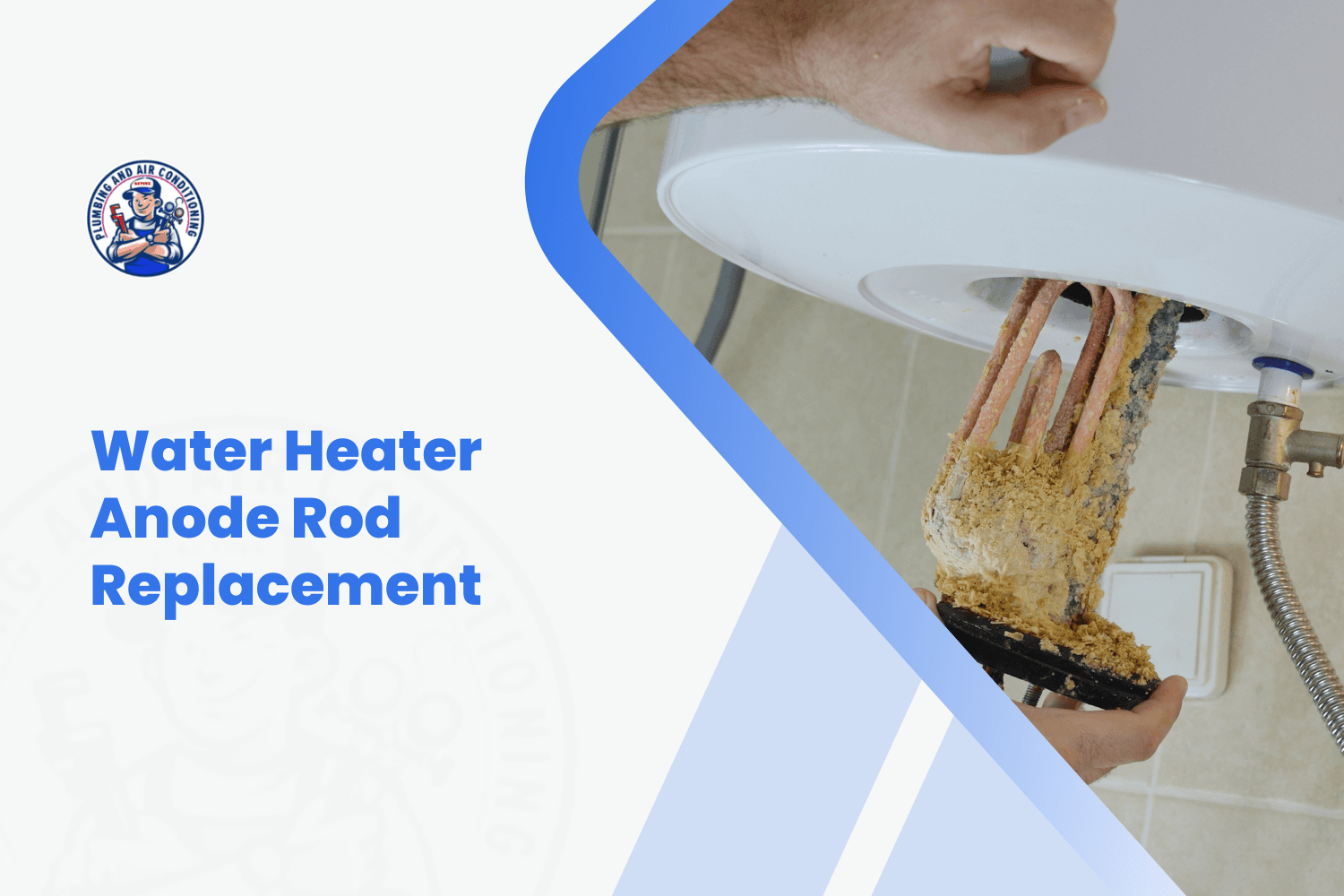
Water Heater Anode Rod Replacement: Why Vegas Hard Water Eats Them in 18 Months
Las Vegas hard water destroys anode rods in 18 months instead of years. Learn the warning signs, replacement costs, and how to protect your water heater long term.