Cost Guides
Clark County Sewer Permit Costs and Timeline for Bathroom Additions
Key Takeaways
- Any bathroom addition that adds new fixtures tied into the sewer line needs a Clark County permit.
- Permit costs usually run a few hundred dollars in fees, plus possible capacity charges and drawing or survey costs.
- A clean application can get approved in one to three weeks, but busy seasons cause longer county backlogs.
- The Clark County Building Department handles the plumbing permit while the Water Reclamation District manages sewer capacity.
- Location matters - older downtown lines, Summerlin and Henderson HOAs, and septic areas like Blue Diamond change the process.
- Skipping the permit risks fines, failed inspections, tear-outs, and trouble at resale.
- Placing the new bathroom near existing drain lines and submitting accurate plans saves both money and time.
- Active Plumbing pulls permits, does code-compliant sewer work, and serves neighborhoods across the Las Vegas valley.
In This Article
A homeowner near Summerlin called us last spring with a simple plan. She wanted to turn a spare closet near her guest room into a small bathroom. Then her contractor mentioned a sewer permit, and suddenly the project felt twice as complicated.
This happens all the time across the Las Vegas valley. People assume adding a bathroom is just plumbing and tile, but Clark County treats any new sewer connection as serious business. Skipping the permit can cost far more than getting it right the first time.
Why Bathroom Additions Need a Sewer Permit in Clark County?
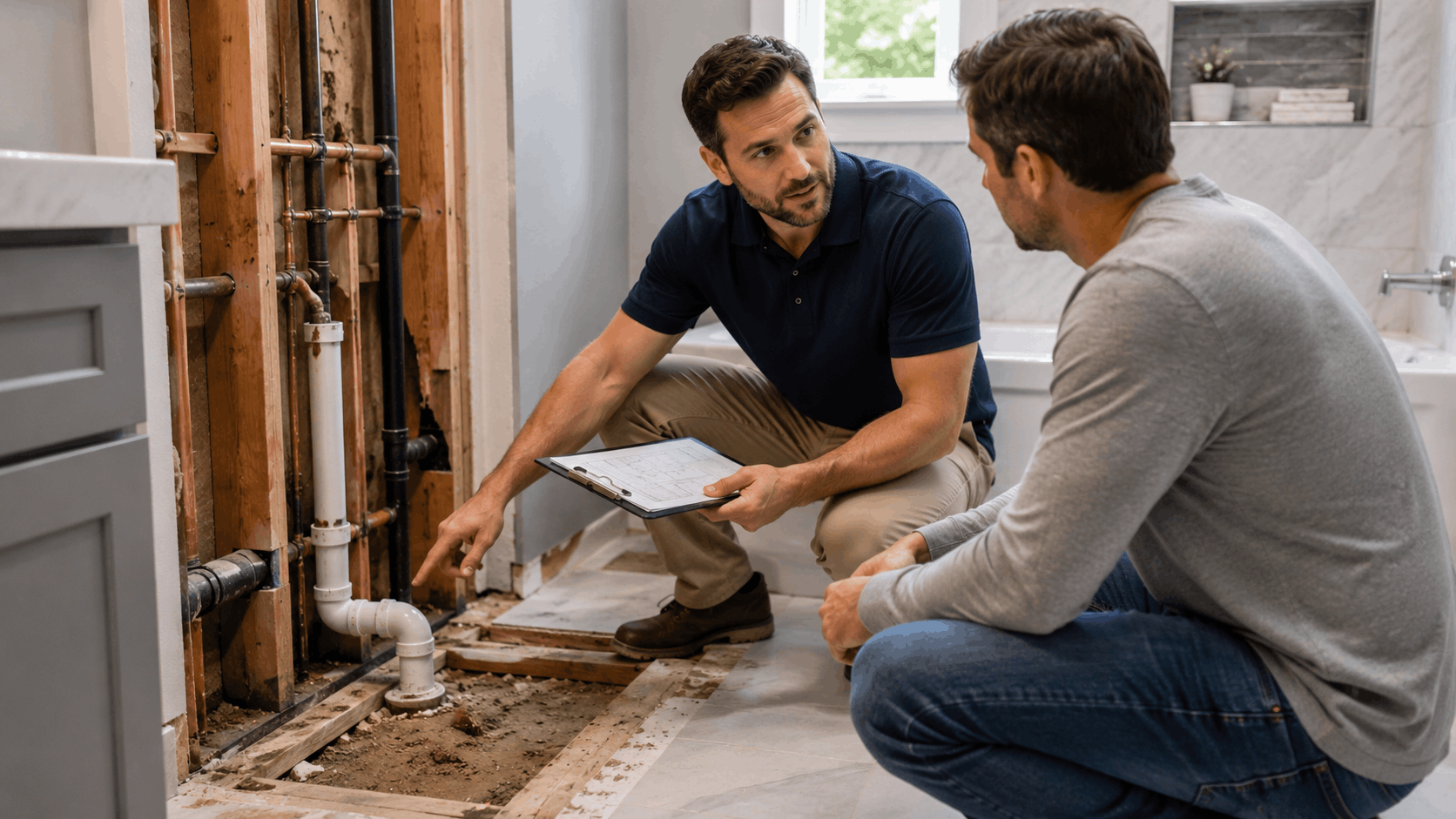
Adding a bathroom means adding fixtures that drain into the sewer. The county wants to confirm that the existing line can handle the extra flow without backing up. That is the short version of why a sewer permit shows up the moment you tap into the main line.
Local authorities also want the work done safely and to code. Bad drain slopes, undersized pipes, or improper venting cause sewer gas problems and slow drains for years. A permit gives the Clark County building department a chance to catch those issues before they get buried in a wall.
- Confirms the sewer line can handle new fixtures
- Protects neighbors from backups and overflow
- Verifies proper venting and drain slope
- Creates a record that the work passed inspection
What Counts as a Bathroom Addition
Not every bathroom project triggers the same rules. Swapping a vanity or retiling a shower is a remodel, and that usually stays under lighter permit requirements because you are not adding new drain connections. The county cares most about new fixtures that tie into the sewer.
A half bath adds a toilet and a sink. A full bathroom adds a toilet, sink, and a tub or shower, which means more drain lines and more fixture units feeding the main. The difference between a half bath and a full bathroom changes both the permit scope and the cost.
The big line in the sand is remodel vs addition. A remodel reuses the existing plumbing footprint, while an addition creates new drain runs that must connect to the sewer line. Once you cut into the floor and run new pipe to the main, you are firmly in addition territory.
We tell homeowners to think about it this way. If a new toilet, sink, or shower drain did not exist before, the county wants a permit. That single test clears up most of the confusion before anyone calls us.
Who Oversees Sewer Permits in the Valley
Two agencies share the work in our area. The Clark County Building Department handles the building and plumbing permit itself, including plan review and inspections. They want to see that your new bathroom meets the plumbing code.
The Clark County Water Reclamation District handles the sewer side. They manage capacity, connection charges, and the actual treatment system that your drain water flows into. When you add fixtures, they are the ones who calculate any capacity fees.
This split is why some homeowners feel like they are dealing with two different worlds. The building department asks about drain slope and venting, while the Water Reclamation District asks about fixture units and flow. Knowing which agency holds which permit authority saves a lot of phone tag.
Our team coordinates with both so homeowners do not have to chase paperwork across two desks. We have walked these permit counters enough times to know who needs what and when.
Risks of Skipping the Permit
Some homeowners are tempted to skip the permit and just get the work done. That shortcut usually backfires. Unpermitted work can trigger fines, stop-work orders, and a demand to open up finished walls so an inspector can see the hidden plumbing.
Failed inspections are another headache. If you finished the bathroom before getting it checked, the county may require you to tear out drywall and tile to prove the drain work is correct. That rework costs far more than the original permit ever would have.
The biggest sting often comes at resale. Buyers and their agents check permit history, and an unpermitted bathroom can kill a sale or force a price cut. Title companies and appraisers flag rooms that do not match county records.
We have met sellers in older parts of the valley who discovered too late that a previous owner added a bathroom without a permit. Fixing the paperwork after the fact is slow and expensive, so doing it right up front is the smarter path.
Septic vs City Sewer Connections
Most homes inside the central valley connect to city sewer, which keeps the permit path predictable. The new drain ties into the main line, the Water Reclamation District reviews the fixtures, and you move forward. That is the common case in places like Spring Valley and Henderson.
Homes in outlying areas can be a different story. Properties near Blue Diamond or pockets of the far northwest may run on a septic system instead of a city sewer connection. That changes who reviews the work and what they require.
When a home is on septic, adding a bathroom can mean checking whether the tank and drain field can handle the extra load. The county health side gets involved, and sometimes the septic system needs an upgrade before a new bathroom is approved.
We always confirm sewer versus septic before quoting a job. It is the first question that shapes the entire permit timeline and budget, especially out toward the valley edges.
Get Your Quote
Tell us what's going on and we'll get back to you fast.
Sewer Permit Costs for Bathroom Additions in Clark County
Most homeowners want a real number before they commit. The honest answer is that sewer permit cost depends on the size of the addition and where you live. Still, we can give clear ranges so you can budget without surprises.
The total bill usually combines several smaller charges. There are permit fees for the application, plan review costs, possible connection fees, and inspection charges. Each one is modest on its own, but together they add up.
| Cost Item | Typical Range |
|---|---|
| Base permit and filing fee | $80 - $300 |
| Plan review fee | $50 - $250 |
| Sewer connection / capacity charge | $300 - $2,000+ |
| Inspection fees | Often bundled, $50 - $150 each if separate |
| Re-inspection (if failed) | $50 - $100 per visit |
| Drawings and survey | $150 - $800 |
Base Permit and Plan Review Fees
The base permit is the entry ticket. For a single bathroom addition, the filing fee usually lands somewhere between $80 and $300. The exact figure depends on the valuation of the work and the number of fixtures.
On top of the filing fee comes the plan review fee. This covers the time a county reviewer spends checking your drawings against the plumbing code. Expect roughly $50 to $250 depending on how detailed the plans are.
Permit pricing scales with project size. A simple half bath sitting next to an existing wet wall costs less to review than a full bathroom that adds long new drain runs. More fixtures and more pipe mean more for the reviewer to check.
We build these fees into our quotes up front. Homeowners appreciate seeing the filing fee and plan review fee broken out instead of buried in one lump number.
Sewer Connection and Capacity Charges
This is the line item that surprises people. The Water Reclamation District measures flow in fixture units, and adding a toilet, sink, and shower increases your total. When the count rises, a capacity charge or impact fee can apply.
For many bathroom additions on existing city sewer, this charge is small or sometimes waived because the home already has a connection. The bigger fees show up when a property adds a brand new connection or jumps a fixture-unit threshold.
In some cases the impact fee can run several hundred to a couple thousand dollars. It depends on how the district counts your existing fixtures versus the new ones. This is exactly why an accurate fixture count matters from day one.
We help homeowners estimate fixture units before submitting. Getting that math right early prevents a nasty capacity charge surprise after the application is already in.
Inspection and Re-Inspection Costs
Inspections confirm the work matches the approved plans. Many permits bundle the inspection fee into the base cost, so you may not see a separate charge. When it is itemized, a single inspection visit often runs $50 to $150.
The real cost risk is a failed inspection. If the rough-in does not pass, you fix the issue and pay for a re-inspection. Those re-inspection visits typically cost $50 to $100 each, and they also delay your project.
A failed inspection rarely happens because of one big mistake. It is usually a small detail like an improper vent, a wrong drain slope, or a missing cleanout. Those little things are why hiring a licensed plumber pays off.
Our crews aim for a clean pass on the first visit. We have done enough drain and sewer work across the valley to know exactly what local inspectors check.
Hidden Costs Homeowners Forget
The permit itself is only part of the budget. Many homeowners forget the cost of plumbing drawings, which the county often needs before they will review an application. Professional drawings can run $150 to $500 depending on complexity.
A property survey may also be required for certain additions, especially when the new bathroom changes the building footprint. Survey cost varies, but it can add a few hundred dollars to the project.
Then there is the tie-in work. Connecting the new drain to the existing sewer line takes labor and materials, and the difficulty depends on how far the bathroom sits from the main. A long run under a slab costs more than a quick tie next to existing pipe.
We lay out every one of these costs in the quote. Nobody likes finding a surprise charge halfway through, so we put the full picture on the table first.

Need Help in Las Vegas?
Active Plumbing serves Las Vegas and all of Las Vegas Valley.
How Long the Permit Process Takes
Time is the other big question. Homeowners want to know if they are looking at days, weeks, or months. The honest permit timeline depends on the season, the completeness of your plans, and the inspection schedule.
For a straightforward bathroom addition with clean plans, many homeowners see approval in one to three weeks. Add corrections or a busy season, and that stretches. Here is how the pieces break down.
Application and Plan Review Wait Times
The plan review time is the first wait. After you submit, a county reviewer checks your drawings against the code. For a single bathroom, that initial review often takes a few days to two weeks.
What slows it down is usually incomplete paperwork. Missing fixture counts, unclear drain layouts, or a forgotten signature send the application back. Application processing restarts the clock each time something needs a fix.
Some simpler permits qualify for faster handling, while anything that touches the sewer connection gets a closer look. The Water Reclamation District review can add a few days on top of the building side.
We submit complete packages the first time to keep wait times short. A clean application is the single biggest factor in how fast review moves.
Scheduling Inspections
Once the permit is approved and work begins, inspections enter the picture. The rough-in inspection happens after the drain and vent pipes are run but before the walls close up. You book it through the county and wait for an available slot.
Lead time for scheduling varies. In a slow stretch you might get an inspector within a day or two. During busy months the wait can be longer, which is why planning your build schedule around it helps.
The final inspection comes after everything is finished and fixtures are set. The inspector confirms the work matches the approved plans and passes code. Then you get your sign-off.
We coordinate inspection timing with the rest of the build. Calling the inspector at the right moment keeps the project moving instead of stalling with open walls.
Seasonal Slowdowns in Las Vegas
The valley has busy building seasons, and they affect everyone. Spring and fall bring a wave of remodels and additions because the weather is comfortable for outdoor and slab work. That rush creates a permit backlog at the county.
Summer brings its own seasonal delays. Construction booms during the warmer months, and inspector schedules fill up fast. A permit that takes one week in January might take three in peak summer.
Holiday periods slow things too. Around late December, county staffing thins out and reviews crawl. We warn homeowners planning a winter holiday project to expect a slower turnaround.
Timing the application around these peaks can shave days or weeks off your wait. We help clients pick a smart submission window when the schedule allows.
Ways to Speed Up Approval
Faster approval comes down to giving the county a clean, correct package. Accurate plans with proper drain slopes, clear fixture placement, and a correct fixture count avoid the back-and-forth that eats weeks.
Matching the application details to the drawings matters too. When the fixture count on the form matches the plans, reviewers move quickly. Mismatched numbers trigger questions and corrections.
Responding fast to any reviewer comment keeps momentum. If the county requests a small change, turning it around the same day prevents your file from sitting at the back of the queue.
We handle these details so corrections rarely come back. Years of submitting permits in Clark County taught us what reviewers flag, and we head it off before it becomes a delay.
Step-by-Step Permit Process for Your Bathroom Add
The permit process feels less scary when you see the whole path. From the first sketch to the final sign-off, each stage has a clear job. Here is the step by step journey for a bathroom addition.
We guide homeowners through every stage so nothing gets skipped. The bathroom plumbing work and the paperwork move together when handled by one team.
Planning and Drawing Up the Work
Good projects start with good planning. Before anything gets submitted, you decide where the new bathroom goes and how the plumbing layout connects to the existing system. Placement near current drain lines saves money and time.
The county expects drawings that show fixture locations, drain runs, vent lines, and how the new work ties into the sewer. These do not need to be fancy, but they must be clear and accurate.
This is also when fixture counts get finalized. Knowing exactly how many fixtures you are adding feeds both the plan review and any capacity charge from the district. Guessing here leads to corrections later.
We often produce these drawings for clients or work alongside their designer. A solid plan at this stage carries the whole project smoothly through review.
Submitting the Application
With drawings ready, the next step is the permit application. Clark County offers an online submission option through their permitting portal, which is the fastest route for most jobs. You upload plans and pay fees digitally.
In-person submission is still available for those who prefer it or for projects that need a counter review. Either way, the application captures the project scope, fixture count, and property details.
Accuracy on the application is what keeps things moving. The Clark County portal flags missing information quickly, so a complete first submission avoids restarts.
We file applications on behalf of homeowners all the time. Handling the portal and the fees ourselves means clients never have to learn the county system to add a bathroom.
Connecting to the Sewer Line
Once the permit is approved, the real plumbing begins. The new drain lines get run from the bathroom to the point where they tie into the main line. This sewer tie-in is the heart of the whole job.
This work needs a licensed plumber for good reason. Proper slope, correct pipe sizing, and a clean connection to the main keep the system draining for decades. A poor tie-in causes backups and failed inspections.
If the existing main is old or undersized, the tie-in can reveal problems that need attention. We sometimes recommend a sewer camera inspection first so there are no surprises underground.
Our crews handle the tie-in to code every time. Getting the connection right is the difference between a bathroom that works flawlessly and one that gives you trouble down the road.
Passing Final Inspection
The final inspection is the last gate. After fixtures are installed and everything is connected, the inspector visits to confirm code compliance. They check drain slopes, venting, cleanouts, and the tie-in.
A clean pass comes from doing the hidden work correctly at rough-in. If the bones are right, the final inspection is usually quick. Inspectors look for the same details every time, so consistency matters.
Once the inspector signs off, the permit closes and the bathroom is officially part of your home. That sign-off is what protects you at resale and proves the work was done right.
We schedule and meet the inspector for our clients. Being on site to answer questions helps the visit go smoothly and earns that first-time pass.

Neighborhood Factors That Affect Your Permit
Where you live in the valley changes the project more than most people expect. Older sewer lines, HOA rules, and septic systems all shift the path. Here is how location plays into your bathroom add.
We work across the whole valley, so we know which neighborhoods bring which surprises. A bathroom in a 1950s home near downtown is a different job than one in a new build off the 215.
Older Homes Near Downtown and the Historic Westside
Older parts of the valley carry older plumbing. Homes near downtown Las Vegas and the Historic Westside often have clay or cast iron sewer lines that have aged for decades. Tapping a new bathroom into a tired line raises real questions.
A clay sewer line can be cracked, root-invaded, or partly collapsed without anyone knowing. Adding fixtures to a line that is already struggling invites backups. That is why we camera-inspect old lines before committing to a tie-in.
Sometimes the smart move is to repair or replace a section of old plumbing during the addition. It costs more up front but saves a future emergency. Our sewer line repair and replacement work often pairs with bathroom adds in these areas.
Homeowners in neighborhoods like Scotch 80s appreciate knowing the condition of their line before the walls go up. A little inspection now prevents a big mess later.
HOA Approvals in Summerlin and Henderson Borders
Planned communities add a layer the county does not. In Summerlin and along the Henderson borders, the HOA often reviews exterior changes and sometimes interior additions that affect the home footprint. That is approval on top of your county permit.
A Summerlin HOA may require architectural review before any addition. That review takes its own time and has its own paperwork. Skipping it can bring fines from the community even when the county permit is perfect.
Henderson communities run similar programs. The exact rules vary by association, so we always tell clients to check their HOA guidelines early. Starting the HOA review alongside the permit keeps both timelines aligned.
We have worked plenty of jobs in Summerlin neighborhoods and across Henderson. Knowing the local community approval steps helps homeowners avoid a stall they never saw coming.
Septic Areas Like Blue Diamond and the Northwest
Not every valley home is on city sewer. Properties near Blue Diamond and parts of northwest Las Vegas can run on septic. That changes the permit path because the county health side gets involved.
A septic permit looks at whether the tank and drain field can handle the extra bathroom load. Adding fixtures increases flow, and an undersized system may need an upgrade first. That review takes longer than a standard city sewer tie.
Rural connection rules also affect setbacks and drain field distances. These details rarely come up in the central valley but matter a lot out toward the edges.
We confirm septic versus sewer at the very start of any outlying job. It shapes the entire timeline, so there is no point planning around city sewer rules if the home runs on a tank.
New Builds Along the Southwest 215 Corridor
Newer subdivisions tell a different story. Homes along the southwest 215 corridor and out in Enterprise usually have modern sewer access that makes the tie-in straightforward. The pipes are newer and the layout is predictable.
The trade-off is stricter HOA review. New construction communities tend to guard their look closely, so even an interior bathroom add can trigger an architectural check. Sewer access is easy, but community approval can be the slow part.
These newer lines also rarely surprise us underground. There is little worry about clay or root damage in a subdivision built in the last fifteen years.
Homeowners near the 215 in areas like Spring Valley and Enterprise get a smoother plumbing job overall. We just remind them to clear the HOA before the work starts.
Need Help in Las Vegas?
Active Plumbing serves Las Vegas and all of Las Vegas Valley.
How Active Plumbing Handles Permits for Las Vegas Homeowners
The whole point of hiring a local plumber is to skip the headaches. Our team at Active Plumbing manages both the permit and the plumbing so homeowners get a finished bathroom without learning county procedure. We have been the Las Vegas plumber that locals lean on for exactly this kind of job.
- We pull permits and deal with the county for you
- We do the sewer and drain work to code so inspections pass
- We serve neighborhoods across the entire valley
- We quote honest prices and realistic timelines up front
Pulling Permits So You Do Not Have To
Most homeowners would rather not stand at a permit counter. We file the paperwork, submit through the Clark County portal, and handle the back-and-forth with reviewers. That permit help is built into how we run a bathroom add.
County coordination means we know who to call when a question comes up. The building department and the Water Reclamation District each have their own steps, and we manage both.
When a reviewer requests a correction, we respond fast so the file keeps moving. Clients never have to decode a county comment or figure out which form goes where.
By the time the homeowner thinks about the permit, it is usually already approved. That is the way it should work.
Code-Compliant Sewer and Drain Work
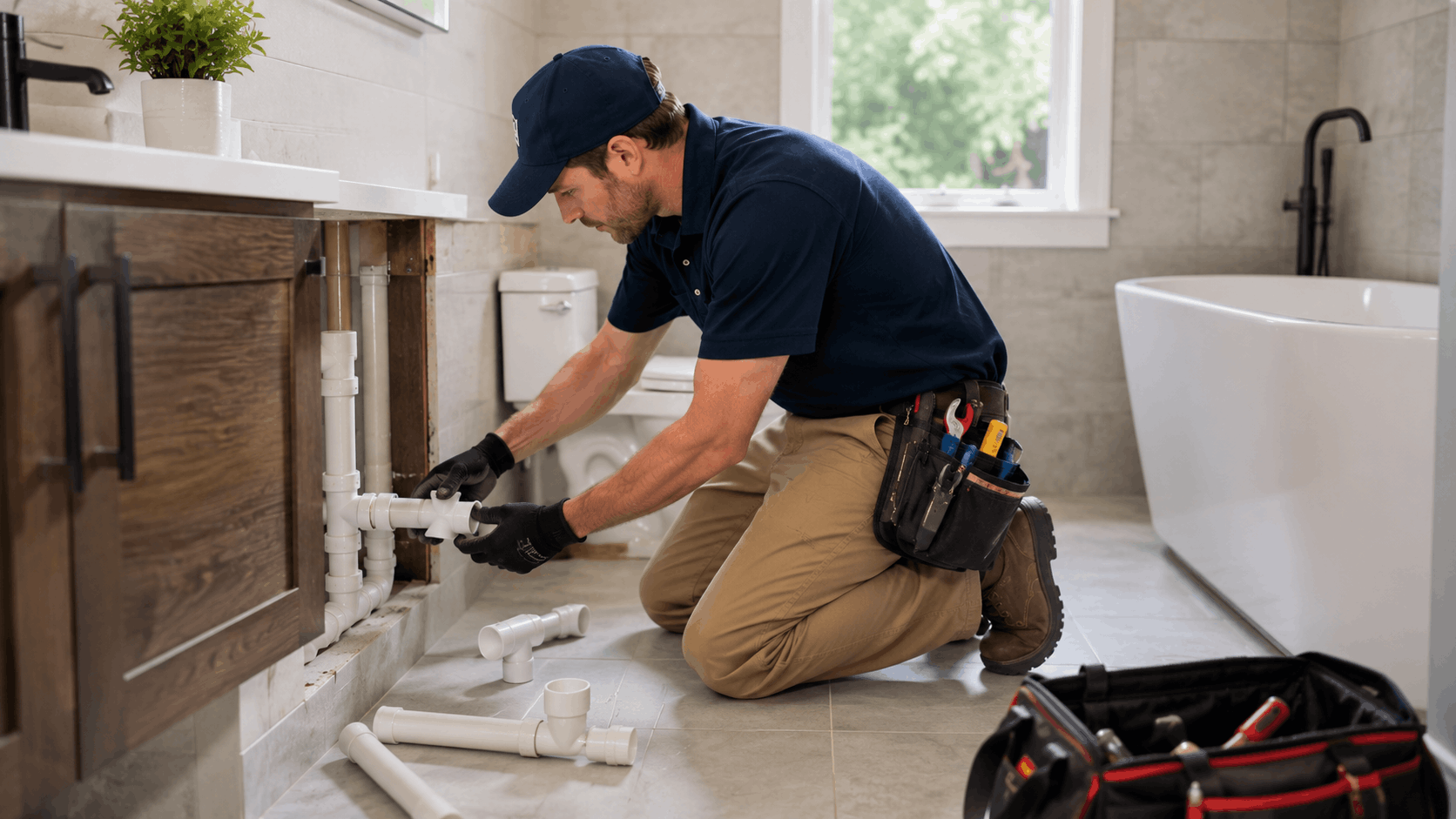
Paperwork is only half the job. The plumbing itself has to meet code, and that is where our crews shine. We run drain lines with proper slope, set vents correctly, and build a clean tie-in to the main.
Code compliance is not about checking a box. It is about a bathroom that drains well, never backs up, and passes inspection on the first visit. We do the sewer and waste work the way inspectors want to see it.
When a job reveals an aging line, we handle the sewer install or repair right then. There is no waiting for a second contractor to come fix the underground side.
Doing it right the first time saves homeowners the cost of failed inspections and rework. That is the value of a crew that does this every week.
Serving Neighborhoods Across the Valley
We know the valley because we drive it daily. Our service area runs from Summerlin in the west to Henderson in the southeast and through the central valley in between. Local route knowledge means we show up on time.
That coverage includes communities like Green Valley in Henderson and the established neighborhoods of central Las Vegas. Each area has its own quirks, and we have learned them firsthand.
Whether the home sits near the 215, off Charleston, or out toward North Las Vegas, we have likely worked a similar job nearby. That familiarity speeds up both diagnosis and the work.
Being a true local outfit means we are not guessing about county rules or neighborhood conditions. We have lived them.
Upfront Pricing and Honest Timelines
Nobody likes a moving target on price. We give a clear quote that breaks out permit fees, plumbing labor, and any tie-in or repair work. The number you see is the number we work from.
We also give an honest timeline. If summer backlogs mean the permit will take three weeks, we say so. Setting real expectations beats promising a fast finish we cannot deliver.
When a job has unknowns, like an old line that might need a camera check, we explain that up front. Homeowners can decide with full information instead of a surprise mid-project.
That honesty is why so many valley homeowners call us back and refer their neighbors. Straight talk builds trust.
Tips to Save Money and Time on Your Project
A bathroom addition does not have to drain your wallet. A few smart choices keep costs down and avoid delays. Here are the project tips we share with every homeowner who wants to save money.
None of these are tricks. They are practical moves that reduce the plumbing work, the fees, and the wait.
Group Plumbing Work Smartly
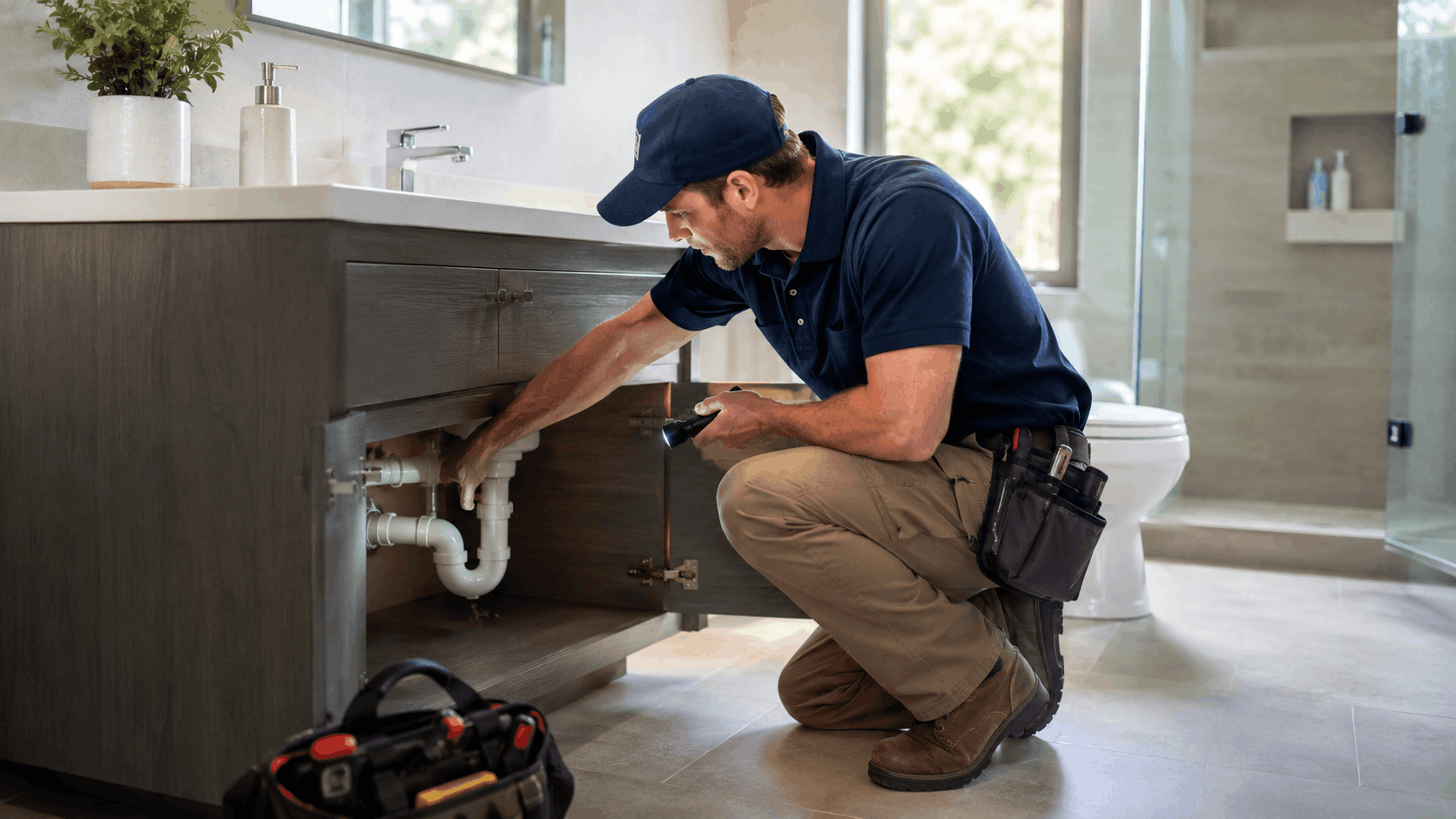
Location is everything for cost. Placing the new bathroom near existing drain lines slashes the tie-in distance, which means less pipe and less labor. A bathroom built against an existing wet wall is far cheaper than one across the house.
Stacking a new upstairs bathroom over a downstairs one is another smart move. The drains can share a path to the main, cutting the run and the cost savings add up fast.
When clients show us their floor plan, we point to the cheapest spots for plumbing. Moving the bathroom a few feet sometimes saves hundreds in tie-in work.
Thinking about the plumbing layout before the design is final is the single best money saver. It costs nothing to plan smart.
Get Accurate Plans the First Time
Plan rejections cost time, and time costs money. Accurate plans with the correct fixture count sail through review. Sloppy or incomplete drawings bounce back and restart the wait.
The fixture count drives both the plan review and any capacity charge. Getting it right the first time prevents a surprise fee and a correction notice from the district.
We make sure the drawings match the application before anything is submitted. That alignment is what keeps a file moving instead of stalling.
One clean submission beats three rounds of corrections every time. It is the easiest delay to avoid.
Time Your Project for Faster Approval
The calendar matters more than people think. Applying outside peak building months dodges the county backlog. Faster approval often comes simply from submitting in a slower season.
Spring and fall are busy, and summer construction floods the inspection schedule. Late winter, outside the holidays, often moves quicker. Off-peak timing can save a week or two.
If your project is flexible, we help pick a smart submission window. Even shifting the start by a few weeks can mean a noticeably faster turnaround.
For urgent jobs we still move fast, but planning ahead always helps. Project timing is a free way to speed things up.
Hire Licensed Pros Over Handyman Shortcuts
The cheapest bid is not always the cheapest job. Unlicensed handyman work often fails inspection, and the rework cost wipes out any savings. A licensed plumber does the hidden work right the first time.
Handyman risk shows up at inspection and again at resale. Work done without a proper permit or by an unlicensed hand can force tear-outs and do-overs that double the price.
A licensed plumber also pulls the permit correctly and stands behind the work. That accountability protects you if anything goes wrong later.
We have fixed more than a few bargain bathroom jobs that went sideways. Paying for licensed work up front is almost always the cheaper path overall.
Need Help in Las Vegas?
Active Plumbing serves Las Vegas and all of Las Vegas Valley.
Final Thoughts
A bathroom addition is a great upgrade, but the sewer permit is part of the deal in Clark County. Knowing the costs, the timeline, and the neighborhood factors lets you plan with confidence instead of getting blindsided.
The smart move is to handle the permit and the plumbing together with a local crew that knows the county and the valley. That keeps inspections clean and protects your home at resale.
Our team at Active Plumbing is ready to manage the whole process for you, from pulling the permit to passing final inspection. Call us or reach out for a consultation and we will give you an honest quote and a realistic timeline for your bathroom add.
Frequently Asked Questions
Do I really need a permit to add a bathroom in Clark County?
Yes, in almost every case. Any new bathroom that adds fixtures tied into the sewer line requires a permit from the Clark County Building Department. The few exceptions involve minor remodels that reuse existing plumbing without adding drains. If you are installing a new toilet, sink, or shower drain where none existed, plan on a permit. Skipping it risks fines and resale trouble.
How much does a sewer permit cost for a bathroom addition?
Most homeowners spend a few hundred dollars on the permit side. Base filing fees run about $80 to $300, plan review adds $50 to $250, and inspection fees are often bundled in. If a capacity or connection charge applies from the Water Reclamation District, that can add several hundred to a couple thousand. Drawings and surveys are extra. We break every charge out in our quotes.
How long does the permit take to get approved?
For a clean application, plan review often takes a few days to two weeks. Add inspections and any corrections, and the full process from application to final sign-off usually runs one to three weeks. Busy spring, fall, and summer seasons stretch that timeline because of county backlogs. Submitting complete, accurate plans is the best way to keep approval moving quickly.
Can I pull the permit myself or do I need a plumber?
A homeowner can pull an owner-builder permit in some cases, but it puts all the code and inspection responsibility on you. A licensed plumber pulls a contractor permit and stands behind the work. Most homeowners find the contractor route smoother because the plumber handles drawings, the county portal, and inspections. We pull the permit for our clients so they avoid the paperwork entirely.
What happens if I add a bathroom without a permit?
Unpermitted work can bring fines and a stop-work order. The county may require you to open finished walls so an inspector can verify the hidden plumbing. The worst hit often comes at resale, when buyers and appraisers flag a bathroom that does not match county records. Fixing unpermitted work after the fact is slow and costly, so getting the permit up front is the smarter call.
Does my HOA in Summerlin or Henderson need to approve the work?
Often yes. Planned communities in Summerlin and across Henderson run architectural review programs that sit on top of the county permit. The HOA may need to approve any addition that affects the home footprint, and skipping that step can bring community fines. Check your association guidelines early and start the HOA review alongside the permit so both timelines stay aligned.
What if my home is on a septic system?
Homes near Blue Diamond and parts of northwest Las Vegas may run on septic instead of city sewer. That changes the permit path because the county health side reviews whether the tank and drain field can handle the extra bathroom load. An undersized system may need an upgrade before approval. We confirm septic versus sewer at the start of every outlying job to set the right timeline.
How many inspections are required for a bathroom add?
Most bathroom additions need at least two plumbing inspections. The rough-in inspection happens after drain and vent pipes are run but before the walls close, checking slope, sizing, and venting. The final inspection comes after fixtures are set, confirming code compliance and a clean tie-in. Some projects add a structural or building inspection depending on scope. We schedule and meet the inspector for our clients.
Can older homes near downtown handle a new bathroom?
Usually yes, but the old sewer line needs a look first. Homes near downtown Las Vegas and the Historic Westside often have aging clay or cast iron lines that may be cracked or root-invaded. We recommend a camera inspection before tying in new fixtures. If the line is failing, repairing or replacing a section during the addition prevents a future backup and keeps the new bathroom draining well.
How do I get started with Active Plumbing?
Getting started is simple. Call our team or reach out through our contact page to book an estimate. We visit the property, review your bathroom plans, check the existing sewer line, and give you an honest quote with a realistic timeline. From there we pull the permit, do the plumbing to code, and meet the inspector. You get a finished bathroom without the county headaches.
Frequently Asked Questions
- Do I really need a permit to add a bathroom in Clark County?
- Yes, in almost every case. Any new bathroom that adds fixtures tied into the sewer line requires a permit from the Clark County Building Department. The few exceptions involve minor remodels that reuse existing plumbing without adding drains. If you are installing a new toilet, sink, or shower drain where none existed, plan on a permit. Skipping it risks fines and resale trouble.
- How much does a sewer permit cost for a bathroom addition?
- Most homeowners spend a few hundred dollars on the permit side. Base filing fees run about $80 to $300, plan review adds $50 to $250, and inspection fees are often bundled in. If a capacity or connection charge applies from the Water Reclamation District, that can add several hundred to a couple thousand. Drawings and surveys are extra. We break every charge out in our quotes.
- How long does the permit take to get approved?
- For a clean application, plan review often takes a few days to two weeks. Add inspections and any corrections, and the full process from application to final sign-off usually runs one to three weeks. Busy spring, fall, and summer seasons stretch that timeline because of county backlogs. Submitting complete, accurate plans is the best way to keep approval moving quickly.
- Can I pull the permit myself or do I need a plumber?
- A homeowner can pull an owner-builder permit in some cases, but it puts all the code and inspection responsibility on you. A licensed plumber pulls a contractor permit and stands behind the work. Most homeowners find the contractor route smoother because the plumber handles drawings, the county portal, and inspections. We pull the permit for our clients so they avoid the paperwork entirely.
- What happens if I add a bathroom without a permit?
- Unpermitted work can bring fines and a stop-work order. The county may require you to open finished walls so an inspector can verify the hidden plumbing. The worst hit often comes at resale, when buyers and appraisers flag a bathroom that does not match county records. Fixing unpermitted work after the fact is slow and costly, so getting the permit up front is the smarter call.
- Does my HOA in Summerlin or Henderson need to approve the work?
- Often yes. Planned communities in Summerlin and across Henderson run architectural review programs that sit on top of the county permit. The HOA may need to approve any addition that affects the home footprint, and skipping that step can bring community fines. Check your association guidelines early and start the HOA review alongside the permit so both timelines stay aligned.
- What if my home is on a septic system?
- Homes near Blue Diamond and parts of northwest Las Vegas may run on septic instead of city sewer. That changes the permit path because the county health side reviews whether the tank and drain field can handle the extra bathroom load. An undersized system may need an upgrade before approval. We confirm septic versus sewer at the start of every outlying job to set the right timeline.
- How many inspections are required for a bathroom add?
- Most bathroom additions need at least two plumbing inspections. The rough-in inspection happens after drain and vent pipes are run but before the walls close, checking slope, sizing, and venting. The final inspection comes after fixtures are set, confirming code compliance and a clean tie-in. Some projects add a structural or building inspection depending on scope. We schedule and meet the inspector for our clients.
- Can older homes near downtown handle a new bathroom?
- Usually yes, but the old sewer line needs a look first. Homes near downtown Las Vegas and the Historic Westside often have aging clay or cast iron lines that may be cracked or root-invaded. We recommend a camera inspection before tying in new fixtures. If the line is failing, repairing or replacing a section during the addition prevents a future backup and keeps the new bathroom draining well.
- How do I get started with Active Plumbing?
- Getting started is simple. Call our team or reach out through our contact page to book an estimate. We visit the property, review your bathroom plans, check the existing sewer line, and give you an honest quote with a realistic timeline. From there we pull the permit, do the plumbing to code, and meet the inspector. You get a finished bathroom without the county headaches.
A
Licensed plumbing professionals serving Las Vegas and Las Vegas Valley.
Licensed in Nevada · License #0047021
Last updated on
Why trust Active Plumbing?
Founded in 1991, Active Plumbing is a licensed and insured plumber serving Las Vegas and Las Vegas Valley. All content is reviewed by our licensed technicians.

Need Help in Las Vegas?
Active Plumbing serves Las Vegas and all of Las Vegas Valley.
Related Articles
Safety & Prevention
Clark County Backflow Prevention Testing Schedule: What's Required When
Learn Clark County's backflow prevention testing schedule, deadlines, and requirements. Active Plumbing explains who must comply and how to stay current across the Las Vegas valley.

Cost Guides
Plumber in Green Valley Henderson: Service Costs and Response Times for Sun City Anthem Area
Real plumbing service costs, response times, and local conditions for Sun City Anthem, Green Valley, and the wider Henderson area from Active Plumbing.
Cost Guides
Slab Leak Repair Cost in Lake Las Vegas: Granite Construction Considerations
Slab leak repair in Lake Las Vegas costs $1,500-$15,000+ depending on method. Learn why granite, caliche, and post-tension slabs raise prices for hillside homes.