Drain Cleaning in Downtown Las Vegas and John S. Park: Original Cast Iron and Clay Laterals
Key Takeaways
- John S. Park and Downtown homes built in the 1930s and 1940s often still have original cast iron waste lines and clay sewer laterals in the ground.
- Slow drains, gurgles, recurring clogs, sewer smells, and multiple fixtures backing up are early warning signs of trouble in old lines.
- Tree roots in clay joints, rust and scale in cast iron, grease buildup, and bellied pipe sections are the main causes of clogs in these neighborhoods.
- Cleaning method matters more on fragile old pipes; a camera inspection should guide whether cabling or careful hydro jetting is used.
- Collapsed clay or fully corroded cast iron is past cleaning and calls for spot repair or full replacement, often with trenchless methods that protect historic yards.
- Sewer repairs in Downtown Las Vegas require a permit through the city building department, with added review possible in historic districts.
- Routine cleaning every one to two years, annual camera inspections, and keeping grease and wipes out of drains help old lines last longer.
- Local experience with John S. Park layouts, historic district rules, and monsoon-season soil shifts leads to safer, more quickly drain work.
In This Article
A homeowner near S. 6th Street pours a cup of coffee, rinses the mug, and watches the water sit in the sink instead of draining. Then comes the gurgle from the bathroom tub down the hall. If you own a home in John S. Park or the surrounding Downtown Las Vegas blocks, you have probably heard that sound before. It is the calling card of an older drain line that has been working hard for eighty years or more.
The pipes under these historic homes behave nothing like the smooth PVC in a newer build out in Summerlin or Enterprise. Original cast iron waste lines and clay sewer laterals clog differently, wear differently, and need a gentler hand during cleaning. Treat them like modern plastic and you can crack a fragile joint or make a small problem worse.

Why Downtown Las Vegas and John S. Park Homes Have Older Drain Lines?
Most of the homes in these neighborhoods were built long before PVC became standard. When crews laid the plumbing decades ago, they used the materials of the day: cast iron for inside waste lines and vitrified clay for the sewer laterals running out to the city main.
Those materials were built to last, and many of them are still doing their job today. That is part of the charm of owning a historic home here, and part of the challenge. Cast iron pipes and clay laterals age in ways that modern plastic never will.
| Pipe Material | Typical Location | Common Lifespan | Main Weakness |
|---|---|---|---|
| Cast Iron | Interior waste lines | 50-75 years | Rust and scale buildup |
| Vitrified Clay | Exterior sewer lateral | 50-60 years | Root intrusion at joints |
| Modern PVC | Newer repairs and additions | 75-100 years | Rarely fails on its own |
When These Neighborhoods Were Built
John S. Park grew up mostly through the 1930s and 1940s, back when Las Vegas was a small railroad and dam town rather than a resort city. The homes went in one street at a time, and the plumbing followed the standards common in that era.
In those decades, cast iron was the go-to for drain and waste lines inside a house. It was strong, quiet, and available. For the run out to the city sewer, crews trusted glazed clay pipe, which resisted the desert soil well for its time.
That John S. Park history matters because the original pipes are often still in the ground. A home built in 1938 may still carry waste through the same clay lateral that was buried the year it went up. These 1930s and 1940s homes were made to endure, but eight decades is a long run for any drain line.
Cast Iron Versus Clay: What Is Under Your House
Homeowners often use the words cast iron and clay like they mean the same thing. They do not. A cast iron waste line is the dark, heavy metal pipe that carries water from your sinks, tubs, and toilets to the point where the system leaves the house.
A clay sewer lateral is the buried pipe that takes everything from that exit point out to the public main under the street. It is usually made of short sections of fired clay joined together, and those joints are where trouble tends to start.
Knowing which is which helps you understand where a problem lives. A slow single fixture often points to the cast iron inside. A whole-house backup or a soggy yard usually points to the clay lateral outside. Our team confirms the difference with a sewer camera inspection before we recommend anything.
How Age Affects the Way These Pipes Drain
New pipe walls are smooth, so water and waste slide right through. Decades of use change that. Inside old cast iron, corrosion builds up in rough layers called pipe scale that narrow the opening and grab at anything passing by.
Clay lines get rough too, and their joints shift as the ground moves. What was once a clean four-inch pipe may effectively be down to two or three inches of usable space. Less room means slower flow and clogs that come back more quickly.
This is why slow drains show up more often in historic homes than in newer ones. The corrosion and scale are not a sign the pipe failed overnight. They are the natural result of many years of hard, honest work under your floor.
Streets and Blocks We See This On Most
We work these neighborhoods often, so we know where the original laterals still run. Homes along S. 6th Street, Bracken Avenue, and Franklin Avenue frequently still have their first-generation clay and cast iron in the ground.
The blocks near the heart of John S. Park, close to the older cottage-style houses, are especially likely to carry period plumbing. Many of these lots also have mature trees planted decades ago, which adds a second layer of risk we cover later.
When a call comes in from one of these John S. Park streets, we already have a good idea of what we might find. That local pattern recognition saves time on diagnosis and keeps surprises to a minimum.
Get Your Quote
Tell us what's going on and we'll get back to you. We're open 24/7.
Common Signs of Trouble in Cast Iron and Clay Drains
Old drain lines rarely fail all at once. They send warning signs first, and catching them early is the difference between a routine cleaning and a messy emergency backup.
Here are the drain backup signs we hear about most from Downtown homeowners, and what each one usually means inside an aging line.
| Warning Sign | Likely Cause | Urgency |
|---|---|---|
| Slow drain and gurgling | Partial clog or venting issue | Watch closely |
| Same fixture clogs again | Scale buildup in cast iron | Schedule cleaning |
| Sewer smell or wet yard | Cracked clay lateral | Call soon |
| Several fixtures back up | Main line blockage | Call right away |
Slow Drains and Gurgling Sounds
A slow tub drain that takes forever to empty is one of the first hints of buildup in an old line. Water backs up over your feet in the shower, or the sink pools while you brush your teeth.
The gurgling drain sound comes from air trapped behind a partial clog. As water fights past the blockage, it pulls air through the trap and makes that bubbling noise you hear in another room.
In a newer home, one slow fixture is often a simple local clog. In a John S. Park house with original cast iron, that same slow drain is more likely early scale narrowing the pipe. It is worth checking before it grows.
Recurring Clogs in the Same Fixture
If the same kitchen sink or bathroom drain backs up every few months, the pipe is trying to tell you something. A one-time clog clears and stays clear. A recurring clog means the underlying condition is still there.
Inside old cast iron, that condition is usually buildup on the pipe walls. The rough, scaled surface catches grease and debris almost as fast as you clear it, so the clog returns like clockwork.
Pouring more chemical drain cleaner down the line only speeds up corrosion in cast iron. A proper cleaning that removes the scale itself is the only lasting fix. If your drain has become a repeat offender, the cast iron buildup is the real target.
Sewage Smells and Wet Spots in the Yard
A sewer odor inside the house is never normal. It can mean a dry trap, but in older homes it often points to a break somewhere in the line letting gas escape where it should not.
Outside, watch for soft, soggy, or unusually green patches over the path of your sewer lateral. A cracked clay lateral leaks water and waste into the soil, which feeds the grass above and softens the ground.
In worse cases you may notice a small yard sinkhole where soil has washed into the broken pipe. If you smell sewage indoors or find a wet spot outdoors during a dry stretch, that clay line needs a look with a camera.
Multiple Fixtures Backing Up at Once
One slow drain is a local problem. Two or three fixtures backing up together is a different story. When the toilet gurgles as the washing machine drains, or the tub fills when you flush, the trouble is downstream of them all.
That pattern points to a main line clog in the shared drain or the sewer lateral itself. Everything in the house has to pass through that one pipe, so a blockage there affects the whole home at once.
A multiple fixture backup is a call-right-away situation. Continuing to run water can push sewage up through the lowest drain in the house. If several fixtures fail together, stop using water and reach out for emergency plumbing help.
Need Help in Las Vegas?
Active Plumbing serves Las Vegas and all of Las Vegas Valley.
What Actually Clogs These Old Pipes
Clearing a clog is easier when you understand what caused it. In aged cast iron and clay lines, the blockage almost always traces back to a handful of usual suspects.
Below are the main pipe blockage causes we find under Downtown and John S. Park homes, and why each one hits older lines harder.
| Cause | Affects | How It Clogs |
|---|---|---|
| Tree roots | Clay laterals | Enter joints, form thick masses |
| Rust and scale | Cast iron | Narrows pipe, traps debris |
| Grease and soap | All lines | Sticks to rough walls |
| Bellied sections | Buried pipe | Low spots collect waste |
Tree Roots in Clay Laterals
The mature trees that give John S. Park its shade and character are also the number one enemy of clay sewer lines. Roots search out moisture, and a slightly leaking clay joint is a perfect target.
Once a fine root hair slips into a joint, it grows into a thick mass that fills the pipe. This tree root intrusion catches toilet paper and waste until the flow slows to a trickle or stops completely.
Clay joint roots are the reason many older homes here need periodic root cutting. The tree does not know it is doing harm, but a single ficus or mulberry can invade a lateral again and again over the years.
Rust and Scale Inside Cast Iron
Cast iron corrosion works from the inside out. Water and waste slowly eat at the metal, leaving behind rough rust and mineral deposits that cling to the pipe wall.
That pipe scaling builds up in uneven layers. Each ridge grabs grease, hair, and food particles, and the opening shrinks a little more every year. What started as a smooth four-inch line can end up looking like the inside of a cave.
You cannot see this without a camera, but you feel it in slow, stubborn drains that never quite run right. Removing that scale, not just the clog on top of it, is what actually restores flow in old cast iron.
Grease, Soap, and Everyday Waste
Normal household use adds up fast in a rough old pipe. Cooking grease that would slide through smooth PVC clings to the pitted walls of cast iron and hardens into a grease clog.
Soap scum buildup does the same thing in bathroom lines. Combined with hair and everyday waste, it forms a sticky layer that keeps growing until water can barely pass.
This is why older homes need more careful habits at the sink. In a newer house you might get away with rinsing grease down the drain, but in a John S. Park kitchen that same habit builds a clog in a fraction of the time.
Bellied or Sagging Pipe Sections
The desert soil under Las Vegas moves with moisture and heat. Over decades, that shifting ground can settle unevenly under a buried pipe and create a low spot.
A bellied pipe is a section that sags below the proper slope. Waste and water pool in that dip instead of flowing downhill, and solids settle out and pile up over time.
A sagging sewer line caused by soil movement will keep clogging in the same spot no matter how many times it is cleaned. Cleaning buys time, but a true belly usually needs a repair to restore the correct grade.
How We Clean Cast Iron and Clay Drain Lines
Cleaning old pipes is not the same as clearing a clog in a five-year-old house. Technique matters far more here because the wrong tool or too much force can damage a fragile line.
Our drain cleaning methods for historic homes start with the gentlest effective option and step up only when needed. Here is how each approach works.
Cable Snaking for Roots and Hard Blockages
When roots or a solid mass are the problem, a drain snake is often the right first move. A steel cable auger feeds into the line and spins a cutting head that chews through the blockage.
Cable snaking shines on clay laterals full of roots. The cutter shears the root mass back to the pipe wall and reopens the flow, giving you working drains again within the same visit.
It has limits, though. Root cutting with a cable removes the mass but leaves fine roots that regrow, and it does little against baked-on scale. We treat cabling as one part of the job, not always the whole answer.
Hydro Jetting to Remove Scale and Grease
To truly clean the walls of a pipe, we turn to hydro jetting. A specialized nozzle sends high pressure water through the line, scrubbing grease, scale, and soft debris off the pipe walls.
Hydro jetting removes buildup that a cable simply slides past. For grease removal in a kitchen line or scale in old cast iron, controlled water pressure does the deep cleaning that restores real flow.
On fragile pipes, jetting has to be done with care. Our team adjusts the pressure to match the condition of the line, because full-force jetting on thin, corroded cast iron can do harm. We inspect first, then choose a safe pressure.
Camera Inspection to See Inside the Pipe
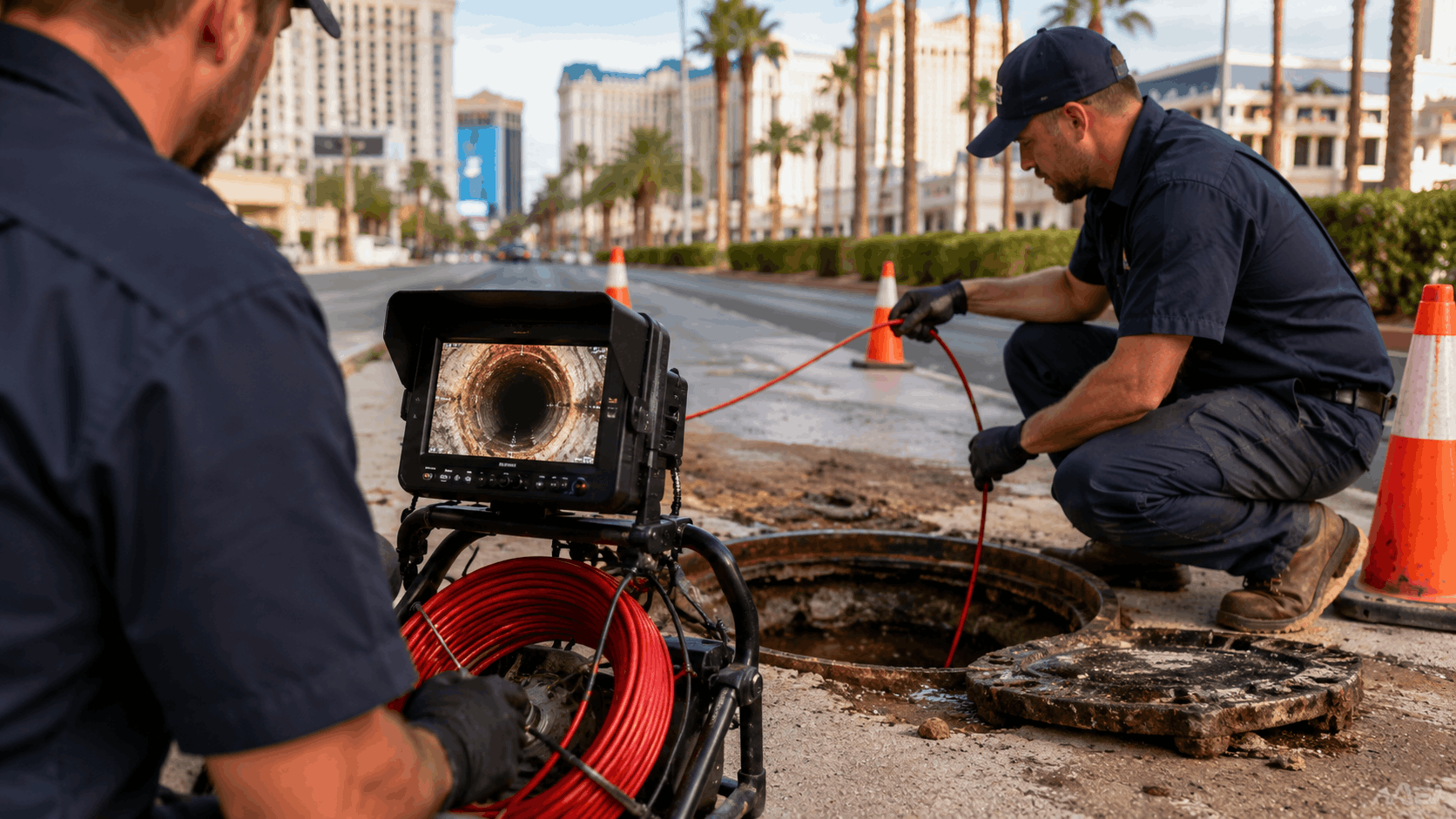
Guessing wastes time and money on old lines. A sewer camera inspection puts eyes inside the pipe so we know exactly what we are dealing with before we pick a tool.
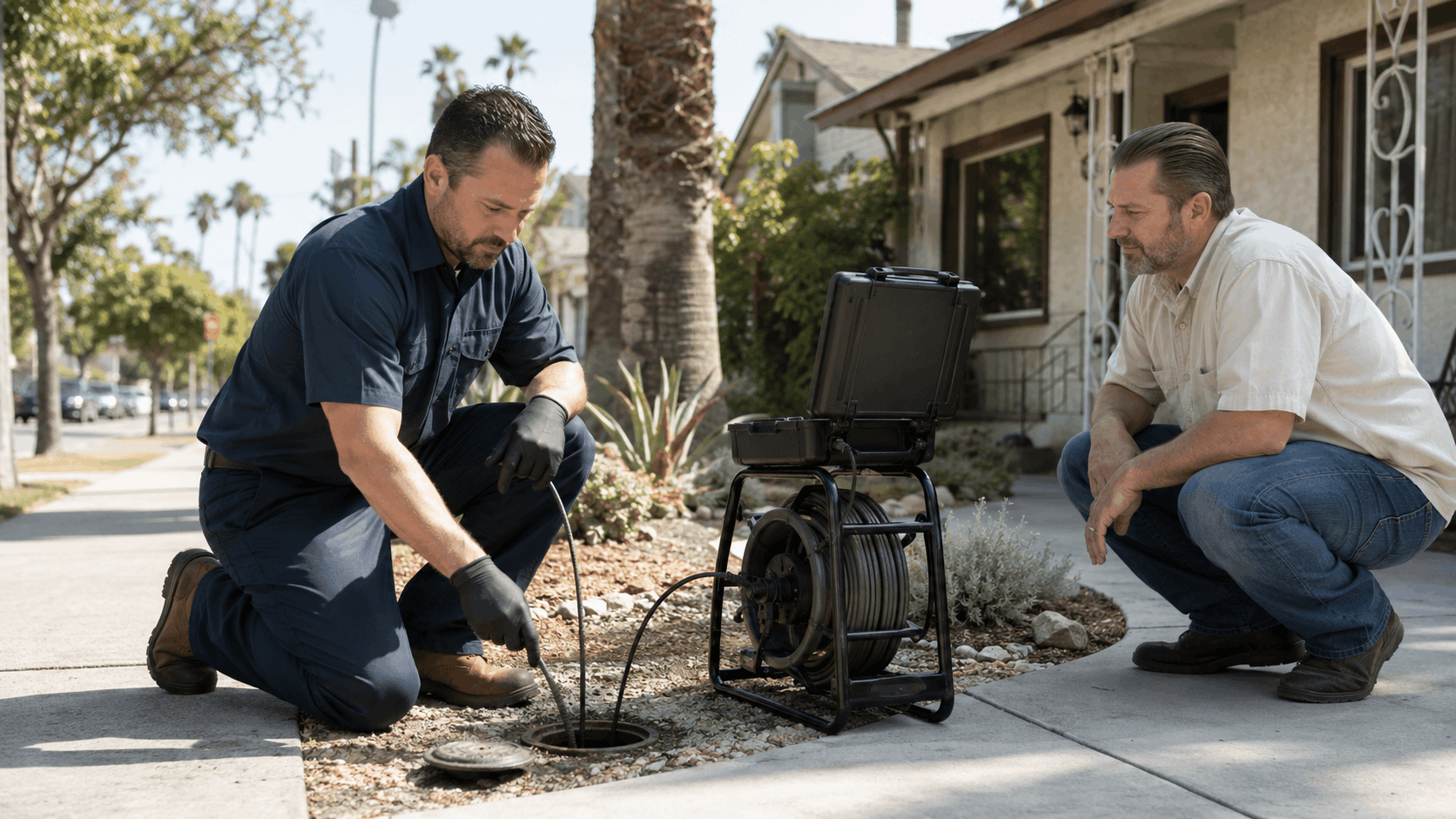
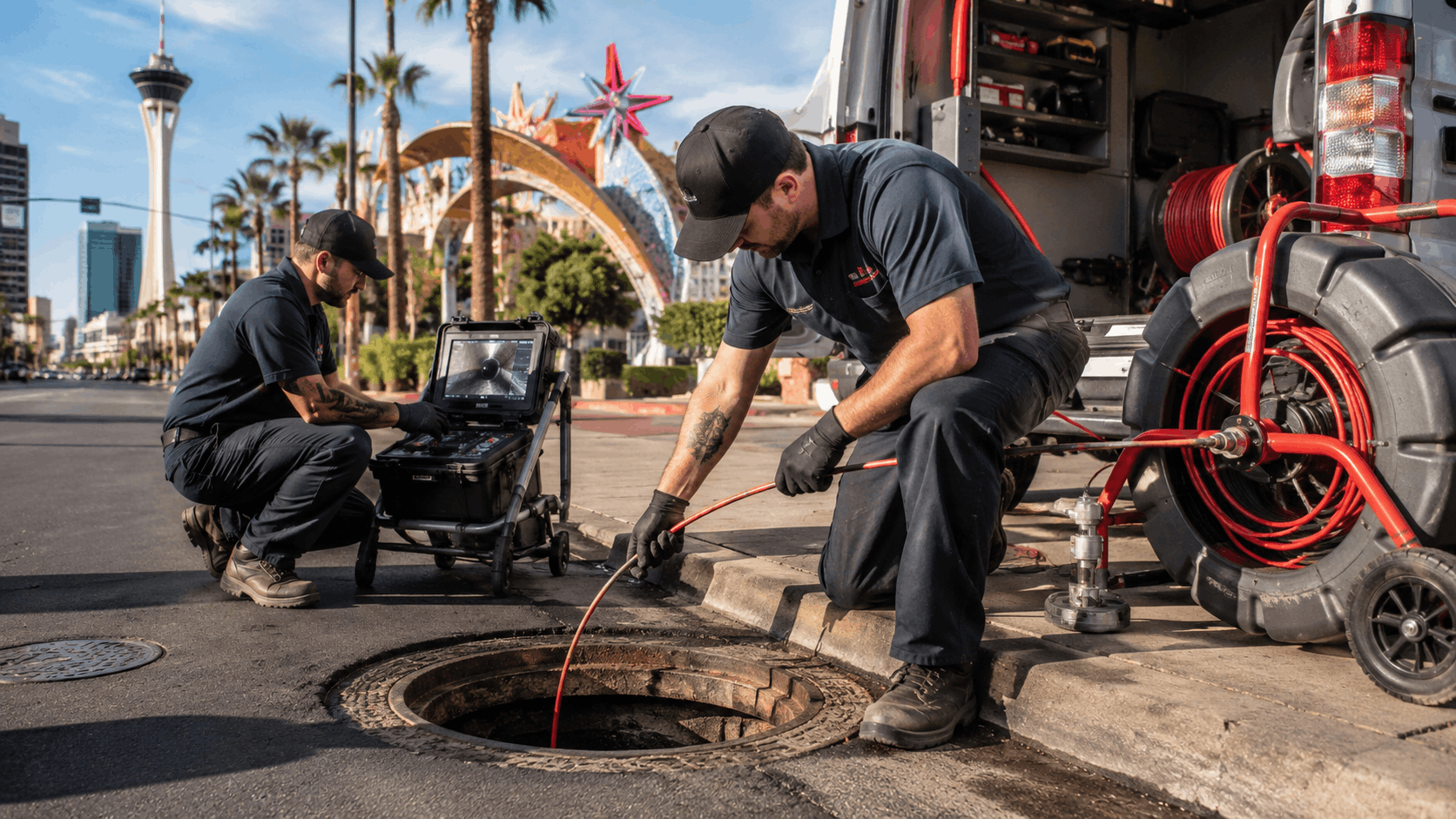
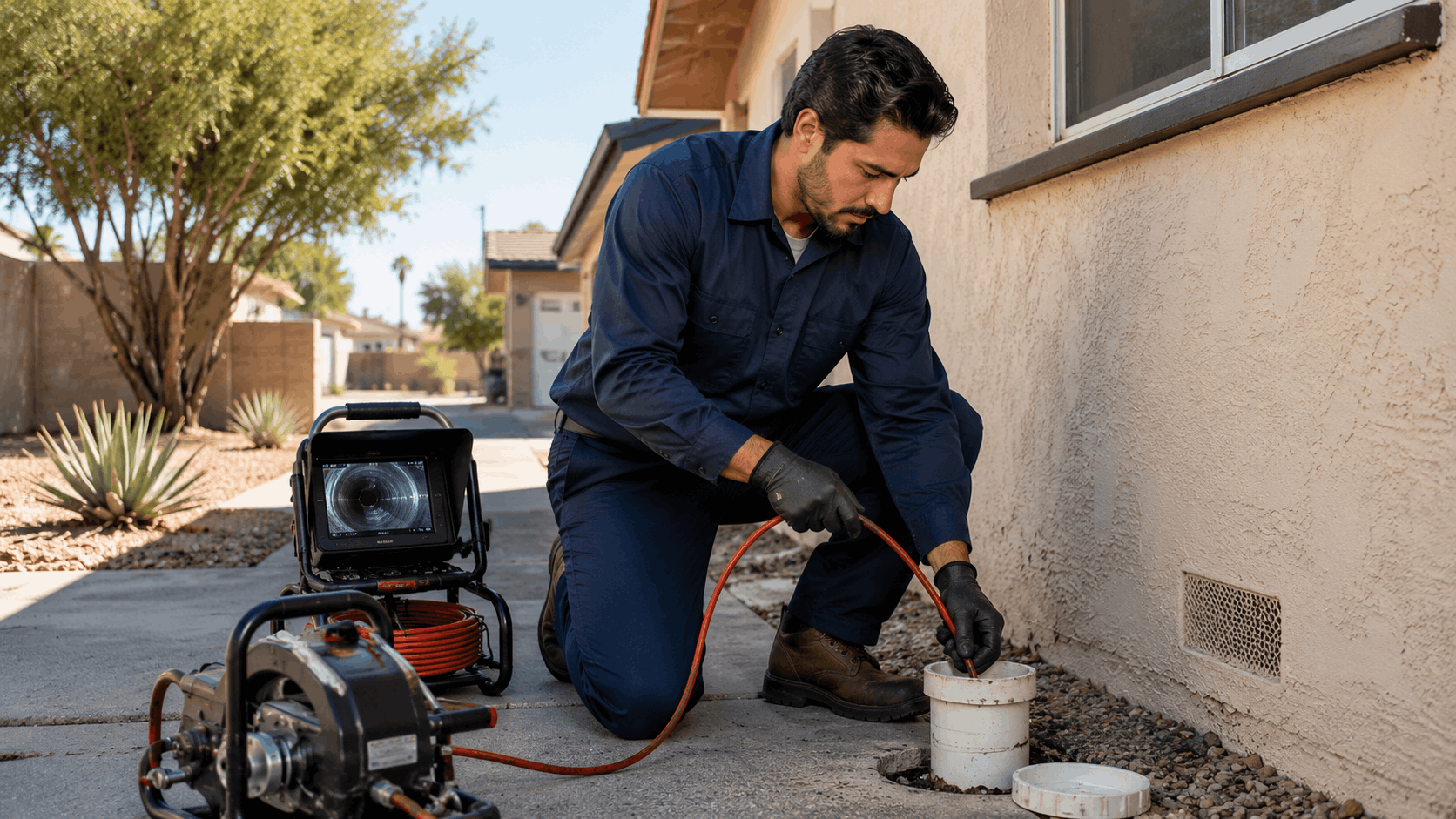
The camera travels the line and shows scale, cracks, root entry points, and bellies on a screen in real time. Pipe locating equipment can also mark the exact depth and spot of a problem in the yard.
This step protects you from paying for repairs you do not need and from missing ones you do. For any older home in John S. Park, we consider a camera look part of doing the job right.
Choosing the Right Method for Fragile Pipes
Safe drain cleaning on historic lines comes down to matching the method to the pipe. A newer, sturdy line can take aggressive treatment. A thin or cracked old one cannot.
We start every job with a pipe assessment. If the camera shows a fragile pipe with heavy corrosion or existing cracks, we favor gentler cabling and low-pressure jetting over anything forceful.
The goal is always to clear the line without turning a cleaning into a repair. Knowing when to hold back is what separates experienced work on old pipes from a one-size-fits-all approach that can crack a lateral.
Need Help in Las Vegas?
Active Plumbing serves Las Vegas and all of Las Vegas Valley.
When Cleaning Is Not Enough: Repair and Replacement
Cleaning restores flow, but it cannot rebuild a pipe that has reached the end of its life. At some point, repeated cleanings only buy short stretches of relief, and repair becomes the smarter money.
Here is how we help homeowners tell the difference and understand their options for sewer line repair and pipe replacement.
| Situation | Best Path | Why |
|---|---|---|
| Repeat clogs, pipe intact | Cleaning | Line still sound |
| One cracked section | Spot repair | Rest of line is fine |
| Collapsed or crushed pipe | Replacement | Cannot be cleaned |
| Widespread corrosion | Full replacement | Failure spreading |
Signs a Line Is Past Cleaning
Some conditions mean no amount of cleaning will hold. A collapsed sewer line where the clay has crushed inward blocks flow and cannot be cleared with a cable or jet.
Fully corroded cast iron is another. When the bottom of the pipe has rusted away and the walls flake apart, cleaning can actually punch through the weak spots and make things worse.
A failed pipe like this shows on the camera as broken shards, missing sections, or soil visible inside the line. Once we see that, we shift the conversation from cleaning to repair, because more cabling would only waste your money.
Spot Repairs Versus Full Line Replacement
Not every bad line needs to be replaced end to end. A spot repair fixes one damaged section while leaving the sound rest of the pipe in place, which keeps cost and disruption down.
Spot repair makes sense when the camera shows a single crack, one root-invaded joint, or a short belly, and the surrounding pipe is still solid. We dig or line just that area and restore the line.
Full replacement makes sense when damage runs the length of the pipe. If the clay is failing at many joints or the cast iron is corroded throughout, replacing the whole lateral once beats patching it every year. Our sewer line repair and replacement team helps weigh the two.
Trenchless Options for Historic Yards
Mature landscaping is part of what makes John S. Park special, and homeowners hate the idea of tearing up the yard. Trenchless sewer repair offers a way to fix the line with far less digging.
Pipe lining pulls a resin-coated sleeve through the old pipe and cures it in place, creating a new pipe inside the old one. Pipe bursting pulls a new line through while breaking apart the old one, all from small access pits.
Both methods protect the trees, walkways, and character features above ground. For historic yards where a full open trench would destroy decades-old planting, trenchless work is often the option that saves the most.
Permits and the Las Vegas Building Department
Sewer work is not something to do off the books. A sewer permit is required for lateral repair and replacement, and the work has to meet code and pass inspection.
The City of Las Vegas building department oversees these permits, and properties in a recognized historic district may have added review to protect the neighborhood's character.
We handle the permit process and coordinate the required inspections so you do not have to chase paperwork. Doing it properly also protects you at resale, since unpermitted sewer work can complicate a home sale down the road.
Protecting Your Old Drains Between Service Calls
The best way to avoid a backup is to keep the line from clogging in the first place. A few simple habits go a long way toward keeping aging cast iron and clay flowing.
Here is the drain maintenance advice we give our Downtown and John S. Park customers for real clog prevention.
What to Keep Out of the Drain
Rough old pipe walls grab onto anything sticky, so what you send down matters more here than in a newer home. Grease is the worst offender, since it coats the pipe and hardens.
For grease disposal, let cooking fat cool and toss it in the trash rather than rinsing it down the sink. Wipe greasy pans with a paper towel before washing them.
Flushable wipes are another trap. Despite the name, they do not break down and they snag on scale and roots, building clogs fast. Keep wipes, paper towels, feminine products, and coffee grounds out of the drain entirely.
Managing Trees Near Your Sewer Line
Trees and sewer laterals do not mix well. If you are planting new trees, keep thirsty species well away from the path of your clay line to head off future tree root prevention headaches.
For trees already in place over the lateral, root control is an ongoing job. Periodic cabling and, in some cases, root-inhibiting treatments keep the invasion in check between cleanings.
Smart sewer line landscaping means knowing where your lateral runs before you dig or plant. We can locate and mark the line during a camera visit so you make planting choices with the pipe in mind.
Scheduling Routine Cleaning and Inspections
Older homes benefit from a regular cleaning schedule instead of waiting for a backup. For most homes with original cast iron and clay, routine drain cleaning every one to two years keeps buildup and roots from taking over.
Pairing that with an annual inspection by camera lets us track how the line is holding up over time. Small cracks and early root entry are far cheaper to address before they become full blockages.
If your home has a history of repeat clogs, we may suggest more frequent visits. A predictable schedule almost always costs less than the emergency calls it prevents.
Seasonal Concerns in the Las Vegas Valley
The desert climate puts its own stress on old lines. Long dry stretches let the soil pull away from pipes, and the ground shifts as it dries and cracks.
Then monsoon season arrives, and sudden heavy rain sends runoff into the ground and the sewer system all at once. Old laterals that were already partly blocked can back up when that surge of water hits.
This cycle of dry heat, soil shift, and monsoon rain is hard on desert-climate plumbing. Having your line cleaned before monsoon season is a smart move for any historic home that has struggled with backups.
Need Help in Las Vegas?
Active Plumbing serves Las Vegas and all of Las Vegas Valley.
Why Local Experience Matters in Downtown Las Vegas
Working on original cast iron and clay is a different craft than plumbing a new subdivision. A local plumber who knows these exact streets brings an edge that a general contractor cannot.
Here is why hands-on familiarity with Downtown Las Vegas plumbing and these historic neighborhoods pays off on every job.
Knowledge of John S. Park Home Layouts
The floor plans in John S. Park follow patterns from their era. The cottages and ranch-style homes of the 1930s and 1940s route their waste lines in ways we have seen many times over.
That familiarity with historic home plumbing speeds up diagnosis. When we know how these houses typically run their drains, we find the cleanout and trace the problem more quickly than someone seeing the layout for the first time.
Knowing John S. Park layouts also helps us predict where the trouble spots hide. Certain floor plans put a bend or a low run right where clogs love to form, and we check those first.
Working Around Historic District Rules
Homes in a historic district come with expectations about preserving the character of the street. We respect that during every job, from where we stage equipment to how we restore the ground afterward.
Careful yard restoration matters here. When trenchless methods are an option, we lean toward them to protect mature trees, brick walkways, and period landscaping that cannot be replaced.
We also work cleanly and keep disruption to a minimum out of respect for neighbors on these tight, walkable blocks. Leaving a historic property looking as it did before we arrived is part of the job.
Fast Response Across Downtown Streets
Sewer problems do not wait, and neither should the plumber. Our crews reach the Downtown core quickly, with easy access to areas near Fremont Street, Charleston Boulevard, and Maryland Parkway.
That fast plumbing service matters most during a backup, when every minute of running water risks more mess inside the house. Being based to serve these neighborhoods means we are not fighting cross-valley traffic to get to you.
We cover the surrounding areas too, including the nearby Arts District just south of the historic core. Wherever you are Downtown, help is close.
How Active Plumbing Handles These Jobs
At Active Plumbing, we approach old lines with a look-first mindset. We camera the pipe, read its true condition, and choose the gentlest method that will actually solve the problem.
Our drain service on these historic homes balances clearing the clog today with protecting the pipe for tomorrow. We would rather do a careful cleaning that lasts than a rushed one that cracks a fragile lateral.
When repair is the honest answer, we say so and explain your options plainly. You can reach our team through our contact page to talk through what your older line needs.
Final Thoughts
The original cast iron and clay laterals under Downtown Las Vegas and John S. Park homes have served for generations, but they need care that respects their age. Slow drains, gurgles, and recurring clogs are early signals worth acting on before they become backups.
The right cleaning method depends on what the camera shows, and sometimes repair is the smarter choice than another temporary clear. With simple maintenance habits and routine inspections, these historic lines can keep flowing for years to come.
If you own a home in these neighborhoods and your drains are acting up, our team knows these streets and these pipes. Call Active Plumbing or reach out through our website to schedule an inspection or cleaning for your older line.
Frequently Asked Questions
- How do I know if my home has cast iron or clay pipes?
- Age is the biggest clue. If your home was built before the 1960s in a neighborhood like John S. Park, it very likely has cast iron waste lines inside and a clay sewer lateral outside. Exposed pipe in a basement or crawlspace that looks dark and heavy is cast iron. The surest way to confirm is a camera inspection, which shows the material and condition of the buried line directly.
- How much does drain cleaning cost for an older line?
- Costs vary with the method and how bad the clog is. A basic cable clearing often runs a couple hundred dollars, while hydro jetting to remove heavy scale and grease costs more because of the equipment and time involved. Adding a camera inspection raises the total but prevents guesswork. Root removal in a clay lateral and hard-to-reach access can also push the price up. We give a clear quote after we see the line.
- Is hydro jetting safe for old cast iron pipes?
- It can be, when done carefully. Hydro jetting is the best way to strip scale and grease from cast iron, but full pressure on a thin, badly corroded pipe can cause damage. That is why we camera the line first and adjust the water pressure to match its condition. If the pipe is too fragile, we choose gentler cabling instead. Matching the method to the pipe keeps a cleaning from turning into a repair.
- How often should older drains be cleaned?
- For most homes with original cast iron and clay, cleaning every one to two years keeps buildup and roots under control. Homes with a history of repeat clogs or trees over the lateral may need service more often. Pairing cleaning with an annual camera inspection helps catch small problems early. A regular schedule almost always costs less than the emergency backups it prevents.
- Can tree roots really break a clay lateral?
- Yes, and it happens often in John S. Park with its mature trees. Roots seek moisture and slip into the small gaps between clay pipe sections. Once inside, they grow into a thick mass that widens the joint and, over time, cracks the pipe. What starts as a hairline root entry can end as a fully broken lateral if it is left alone for years. Regular cabling and root control keep the invasion in check.
- Do I need a permit to repair a sewer line in Downtown Las Vegas?
- Yes. Sewer line repair and replacement require a permit, and the work must pass inspection under the local building department. Properties in a recognized historic district may face added review to protect the neighborhood's character. We handle the permit paperwork and schedule the inspections as part of the job. Proper permitting also protects you at resale, since unpermitted sewer work can complicate a future home sale.
- What is the difference between cleaning and replacing a line?
- Cleaning clears blockages and buildup from a pipe that is still structurally sound, restoring flow. Replacement swaps out a pipe that has failed and can no longer be cleaned, such as a collapsed clay lateral or fully corroded cast iron. Cleaning is the right call when the pipe is intact but clogged. Replacement is the answer when the camera shows cracks, crushed sections, or damage running the length of the line.
- Can old pipes be cleaned without digging up my yard?
- Most cleaning is done through existing cleanouts with no digging at all, using a cable or jetter fed into the line. A camera guides the work so we know exactly where the problem sits. Even many repairs can be done trenchless with pipe lining or bursting, which use small access pits instead of a full trench. These methods protect the mature landscaping that historic yards are known for.
- Why do my drains back up after heavy rain?
- Monsoon runoff sends a surge of water into the ground and the sewer system at once. Old clay laterals that are already partly blocked by roots or scale cannot handle the extra flow and back up. Heavy rain also shifts the desert soil, which can worsen a bellied or cracked section. Cleaning the line before monsoon season is a smart move for homes that have struggled with rain-related backups.
- How long does a drain cleaning appointment take?
- A straightforward cable cleaning often takes one to two hours from arrival to cleanup. Adding a camera inspection or hydro jetting extends that time. Heavy root masses, hard scale, or difficult access can stretch a visit longer, and finding a hidden problem may lead to a follow-up plan. We give you a realistic time estimate once we see the line and understand what it needs.
Licensed plumbing professionals serving Las Vegas and Las Vegas Valley.
Licensed in Nevada · License #0047021
Last updated on
Why trust Active Plumbing?
Founded in 1991, Active Plumbing is a licensed and insured plumber serving Las Vegas and Las Vegas Valley. All content is reviewed by our licensed technicians.

Need Help in Las Vegas?
Active Plumbing serves Las Vegas and all of Las Vegas Valley.
Related Articles
Best Drain Cleaning Method for Las Vegas Hard Water Buildup
Las Vegas hard water ranks among the harshest in the US. Learn which drain cleaning methods actually work on mineral scale - and when to call a professional.
Cast Iron Drain Lifespan in 1950s-60s Las Vegas Homes - Downtown, Huntridge, Paradise Palms
Cast iron drains in 1950s-60s Downtown, Huntridge, and Paradise Palms homes are hitting the end of their 50-75 year life. Learn the warning signs, local factors, and repair options.
Floor Drains in Las Vegas Garages and Laundry Rooms: Dry P-Traps and That Sewer Smell
That sewer smell in a Las Vegas garage or laundry room usually means a dry P-trap. Learn why it happens in the desert, how to fix it, and when to call a plumber.