Tips & Advice
Peccole Ranch Plumber: 1990s Home Common Pipe Issues

Key Takeaways
- Most 1990s Peccole Ranch homes share the same pipe materials, so similar problems appear around the same time.
- Polybutylene pipe fails without warning as chlorine breaks it down from the inside, making a repipe the safest long-term fix.
- Copper pinhole leaks come from water chemistry, high pressure, and pipe age, often hiding behind walls and ceilings.
- Slab leaks under concrete foundations show up as warm floor spots, running water sounds, and rising water bills.
- Las Vegas hard water shortens water heater life and clogs fixtures, valves, and aging pipes with mineral scale.
- Mature landscaping invites tree roots into older sewer lines, causing repeat backups best diagnosed with a camera.
- A failing pressure reducing valve and mineral buildup are the top causes of pressure problems in these homes.
- Regular inspections every couple of years catch aging pipes early and prevent costly plumbing emergencies.
In This Article
A homeowner off Hualapai Way turns on the kitchen faucet one morning and the water trickles out instead of rushing. A few weeks later, a faint musty smell drifts up from the hallway carpet. These small signs are easy to ignore, but in Peccole Ranch they often point to pipes that have quietly aged past their prime.
Most homes in this neighborhood went up during the building boom of the early-to-mid 1990s. That timing matters. Builders used the same pipe materials and methods across hundreds of houses, so the same problems tend to show up around the same time decades later.

Why Peccole Ranch Homes From the 1990s Share Similar Pipe Problems?
Drive through Peccole Ranch and the homes look like they came from the same era because they did. When a whole area gets built in a short window, the plumbing inside follows the same playbook. That is why neighbors often call us with nearly identical complaints.
Here is what ties these 1990s homes together when it comes to pipe problems:
- Built within a few years of each other using the same supply houses and materials
- Routed with similar layouts, often under concrete slabs
- Exposed to the same Las Vegas hard water for three decades
- Reaching the point where original pipes, valves, and water heaters wear out at once
Understanding the shared history helps homeowners know what to watch for. When one house on a street develops a leak, the houses around it are often not far behind.
The Building Boom Along Hualapai Way and Rampart Boulevard
Peccole Ranch grew fast in the early-to-mid 1990s, with home construction spreading out from Hualapai Way and Rampart Boulevard. Builders worked at a steady pace, framing and plumbing block after block of new houses. Speed and consistency were the goal, so crews stuck with the materials and methods they knew.
That meant the same brand of pipe, the same fittings, and the same routing showed up in home after home. A plumber who has seen one Peccole Ranch house from this period has a good idea what the next one looks like inside the walls. The layouts rarely surprise us anymore.
This consistency is helpful for diagnosis but it also means problems cluster. If a particular pipe material was prone to failure, it failed across many homes around the same time. We have watched entire streets near Rampart Boulevard go through repipes within a few years of one another.
For homeowners, the lesson is simple. A pipe issue at a neighbor's house is worth paying attention to, because the same conditions likely exist next door.
Materials Builders Used Back Then
Three pipe materials dominated 1990s construction in this part of the Las Vegas Valley. Copper was the standard for many supply lines and remains common in homes built later in the decade. It held up well for years but is not immune to corrosion in our water.
Polybutylene was the budget-friendly plastic pipe of choice in many earlier builds. It looked like a smart option at the time, gray or blue and flexible, but it has aged poorly. Many of the leak calls we get from older homes trace back to this material.
Early CPVC also showed up in some homes, used for hot and cold water lines. CPVC can become brittle with age and heat, which leads to cracks at fittings. None of these materials were bad choices when installed, but three decades of use changes the picture.
Knowing which material runs through a home tells us a lot about its risk level. A house with polybutylene needs a different plan than one with copper or CPVC throughout.
How Las Vegas Hard Water Speeds Up Wear
The water that comes through the Las Vegas Valley Water District is some of the hardest in the country. It carries high levels of calcium and magnesium, which leave mineral buildup behind everywhere they flow. Over time that scale coats the inside of pipes and clings to fixtures.
This mineral content does more than leave spots on glasses. It narrows the inside of older pipes, restricts flow, and adds stress to fittings and valves. It also shortens the life of water heaters by collecting as sediment at the bottom of the tank.
For 1990s homes, hard water acts like a slow accelerant on every pipe problem. A copper line that might have lasted longer in softer water wears thinner here. Faucet cartridges stiffen, aerators clog, and shutoff valves seize.
Many of our customers add a water softener to slow this wear and protect their plumbing investment. It is one of the better ways to extend the life of aging pipes in the Valley.
Get Your Quote
Tell us what's going on and we'll get back to you fast.
Polybutylene Piping: The Hidden Risk in Many Homes
If there is one material that makes us pause when we walk into a 1990s Peccole Ranch home, it is polybutylene. It was used in a huge number of houses during this era because it was cheap and easy to install. The trouble is that it does not last the way builders expected.
Polybutylene failure is the source of some of the worst surprise leaks we handle. A home can go years without a problem and then spring a leak inside a wall with no warning. That is why repiping comes up so often when we inspect these houses.
For homeowners, learning whether their home has this pipe is the first move. Once that is known, a plan can be made before a failure forces an emergency.
How to Tell If a Home Has Polybutylene
Polybutylene is usually gray, though some homes have blue or black versions. The gray pipe is the most common in our area and the easiest to spot. It is flexible plastic, not rigid like CPVC, and it often connects with metal or plastic crimp fittings.
The best places to look are near the water heater, under bathroom and kitchen sinks, and at the main shutoff where the line enters the home. Homeowners can usually see a short run of pipe in these spots without opening any walls. If the visible pipe is gray plastic, the rest of the home likely has it too.
Some homes hide the pipe behind drywall, so not seeing it does not rule it out. In those cases we trace what we can access and check the points where pipes are exposed. A garage water heater connection is often the clearest tell.
If a homeowner is unsure, our team can confirm the pipe material during a quick visit. Knowing for certain removes the guesswork and helps with planning.
Why These Pipes Fail Without Warning
Polybutylene breaks down from the inside, which is why failures feel so sudden. The chlorine that the city adds to keep water safe reacts with the pipe material over time. That slow chemical attack causes the pipe to flake and weaken where you cannot see it.
The outside of the pipe can look fine while the inner wall is becoming brittle. Pressure that the pipe handled for years finally finds a weak spot, and the result is a leak or a full burst. We have seen these let go behind a wall while a family was away, flooding a room.
Fittings are an especially weak point because that is where stress concentrates. Many polybutylene leaks start right at a connection rather than in the middle of a run. Once one fitting fails, others on the same system are usually not far behind.
This unpredictability is the reason we rarely recommend patching polybutylene. Fixing one leak does nothing for the rest of the aging pipe in the home.
Repiping Options for Peccole Ranch Homeowners
When polybutylene is found, a whole-home repipe is usually the smart long-term answer. The two main choices are PEX repipe and copper repipe. PEX is flexible, resists scale better than older materials, and installs faster, which keeps labor costs down.
Copper repipe costs more but appeals to homeowners who want a proven metal line throughout. Both options remove the failure risk that polybutylene carries. Our team walks customers through the trade-offs so they can pick what fits their home and budget.
A typical whole-home repipe on a Peccole Ranch house takes a few days, depending on size and layout. We work to limit wall openings and clean up carefully after the new lines are in. Many homeowners schedule the work over a long weekend to reduce disruption.
Anyone weighing this decision can review our pipe and fixture services to see how we approach repipes. We are happy to inspect first and give a clear plan before any work begins.

Need Help in Las Vegas?
Active Plumbing serves Las Vegas and all of Las Vegas Valley.
Pinhole Leaks and Corroded Copper Lines
Not every 1990s home has polybutylene. Plenty of Peccole Ranch houses were plumbed with copper, especially those built later in the decade. Copper has a strong reputation, but it is not free from trouble in our climate.
The most common copper issue we find is the pinhole leak. These are tiny holes that form in the pipe wall and slowly drip, sometimes for weeks before anyone notices. Left alone, they cause water damage that costs far more than the original leak.
Catching copper corrosion early is the difference between a small repair and a flooded ceiling. Here is what causes these leaks and how to spot them.
What Causes Pinhole Leaks in the Valley
Pinhole leaks come from a mix of water chemistry, high pressure, and simple pipe age. Our local water carries minerals and chemistry that can be aggressive toward copper over many years. The reaction eats at the pipe wall from the inside until it breaks through.
High water pressure makes the problem worse by stressing the thinning pipe. Many Peccole Ranch homes run at pressure higher than copper handles well, which speeds up the failure. A worn pressure regulator often hides behind these leaks.
Pipe age plays its part too. Copper installed in the 1990s has now carried hard water for around three decades. Even good pipe has a service life, and these lines are reaching the stage where weak spots appear.
When all three factors line up, pinhole leaks become a matter of when, not if. That is why we check pressure and water quality whenever we repair a copper leak.
Warning Signs Behind Walls and Ceilings
Pinhole leaks love to hide, so homeowners have to watch for indirect clues. Water stains on a ceiling or wall are a clear red flag, often showing up as a yellow or brown ring. A spot that grows over days points to an active hidden leak.
A musty or moldy smell is another common sign. When water collects inside a wall cavity, mold grows and the odor seeps into the room. People often notice it in a closet or a corner before they see any stain.
The water meter is a useful tool here. Homeowners can turn off every fixture and watch the meter, and if it keeps moving, water is going somewhere it should not. A running meter with no water in use almost always means a leak.
Soft spots in drywall, warm areas, or a sudden jump in the water bill round out the list. Any of these is worth a call before the damage spreads.
Repair Versus Full Line Replacement
When we find a single pinhole leak, a spot repair can make sense. We cut out the bad section and splice in new pipe, which gets the home back to normal quickly. For an isolated problem on otherwise healthy copper, this is often the right call.
The picture changes when leaks start repeating. One pinhole leak followed by another a few months later usually means the whole system is corroding. At that point, patching one spot just delays the next leak somewhere else.
Replacing a full line section or repiping the home becomes the better value when leaks multiply. It costs more up front but ends the cycle of repeated repairs and water damage. We help homeowners weigh the math based on how many leaks they have seen.
Our electronic leak detection service helps pinpoint the trouble before any wall comes open. That accuracy keeps repair costs down and helps homeowners decide their next step.
Slab Leaks Under Peccole Ranch Foundations
Most homes in Peccole Ranch sit on concrete slab foundations. That construction style is common across the Las Vegas Valley and works well for our soil. The downside is that water lines often run under that concrete, where leaks are hard to find and fix.
A slab leak is a leak in one of those under-slab pipes. Because the pipe is buried in concrete, the water has nowhere obvious to go, so it can run for a long time before anyone notices. By then the bill is high and the damage may be spreading.
Here is a quick look at how slab leaks show up and what to do about them:
| Stage | What Happens | What To Do |
|---|---|---|
| Early | Slightly higher water bill, faint running water sound | Check the meter, call for an inspection |
| Middle | Warm spots on the floor, low pressure | Schedule electronic leak detection |
| Late | Cracked flooring, moisture or mold | Plan repair or rerouting right away |
How Slab Leaks Start in Older Homes
Under-slab pipes face wear that pipes inside walls do not. They are surrounded by concrete and soil that shift slightly over the years. That movement rubs the pipe against the slab, and over three decades it can wear a hole through the metal.
Corrosion adds to the problem. The same water chemistry that attacks copper above ground works on the lines below the concrete slab. A small weak spot turns into a leak that pushes water up through or under the foundation.
Pipe shifting also stresses fittings and joints buried in the slab. When the ground moves, those connections take the strain and eventually loosen or crack. Because everything is hidden, the first sign is often a symptom rather than the leak itself.
Homes from the 1990s have now had plenty of time for these forces to add up. That is why slab leaks show up more often as these houses age.
Signs Homeowners Often Miss
Slab leaks send quiet signals that are easy to overlook. One of the clearest is a warm spot on the floor, which happens when a hot water line leaks under the concrete. People sometimes notice it with bare feet in one part of a room.
The sound of running water when no faucet is on is another tell. In a quiet house, a homeowner may hear a faint hiss or trickle inside the floor. That sound means water is moving where it should not be.
A high water bill with no change in habits is a strong clue. When a slab leak runs nonstop, the meter keeps counting and the bill climbs. Comparing recent bills to past months can reveal the jump.
Other signs include cracked tile, damp carpet, or a drop in water pressure. Any one of these is reason enough to have the slab checked before the damage grows.
Detection and Repair Methods
Finding a slab leak takes the right tools, not guesswork. We use electronic leak detection equipment that listens for the sound of escaping water through the concrete. This pinpoints the leak so we open only the area that needs work.
Once the leak is located, there are a few repair paths. For a single leak, we may break through the slab at that one spot, fix the pipe, and patch the concrete. This keeps the work focused when the rest of the line is sound.
When the line has multiple leaks or badly corroded pipe, rerouting is often smarter. Pipe rerouting runs a new line through walls or the attic to bypass the bad section under the slab. It avoids repeated jackhammering and ends the leak risk on that run.
Tunneling under the slab is another option that protects finished floors when access is hard. Our team explains which method fits the home and what each involves before any concrete is touched.
Aging Water Heaters and Fixture Wear
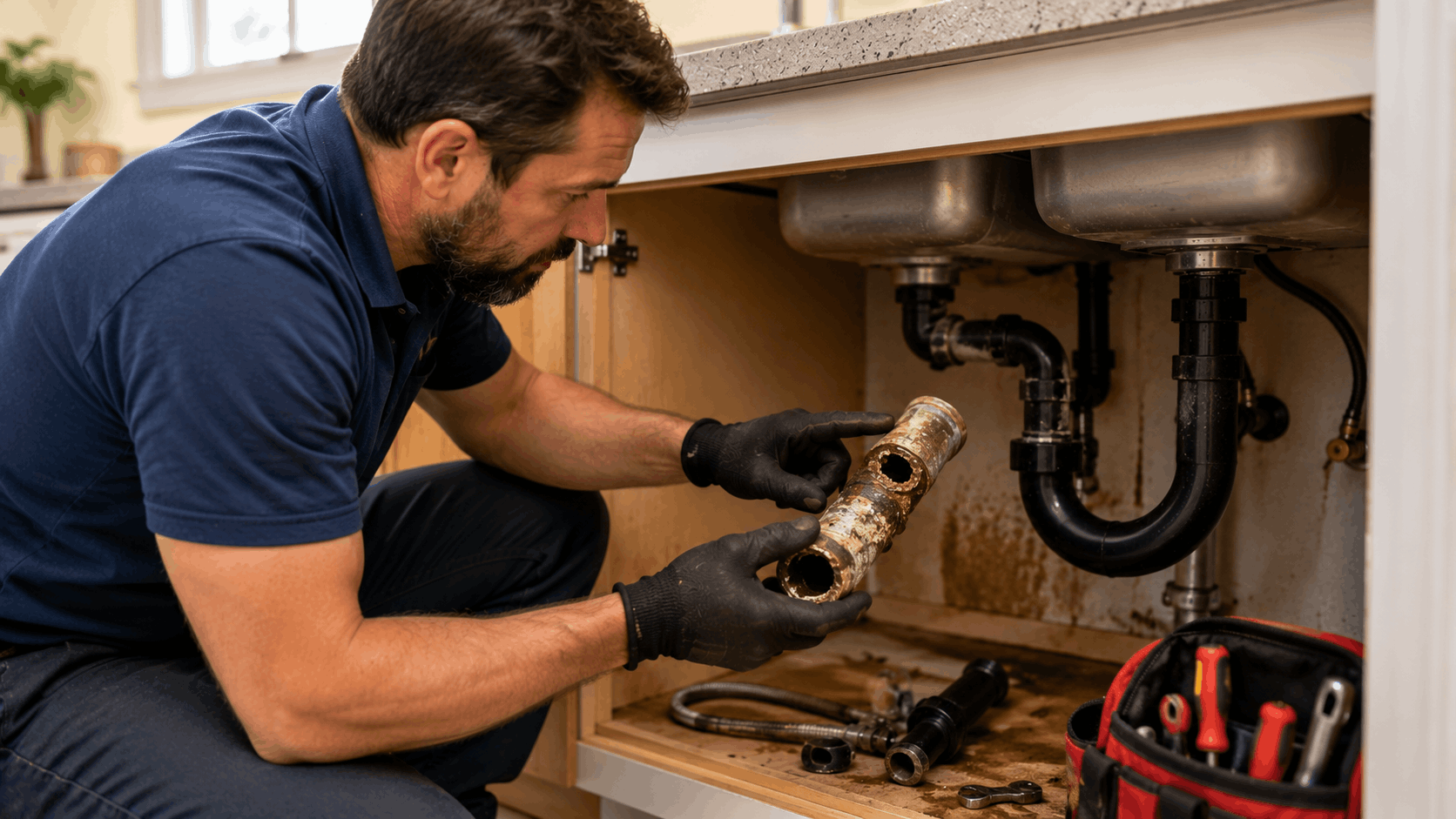
Pipes are not the only part of a 1990s home reaching the end of the road. Water heaters and fixtures wear out too, and they often fail around the same time as the plumbing. A leaking tank can do as much damage as a burst pipe.
Hard water damage speeds all of this along in the Las Vegas Valley. Minerals collect in tanks and stiffen the moving parts inside faucets and valves. The result is poor performance and a higher chance of leaks.
Knowing the age and condition of these parts helps homeowners plan ahead. Here is what we see most often in older homes around Peccole Ranch.
Sediment Buildup From Local Hard Water
Every water heater in the Valley collects sediment, but our hard water makes it worse. Calcium and other minerals settle to the bottom of the tank and form a thick layer over time. That layer sits between the burner and the water, forcing the heater to work harder.
The extra work shortens tank life and drives up energy use. A heater that might last longer elsewhere often wears out faster here because of the sediment load. Many of the units we replace in 1990s homes are well past their expected service life.
Sediment also causes popping or rumbling sounds as the heater runs. Those noises come from water trapped under the mineral layer boiling and bubbling. It is a sign the tank needs attention or replacement.
Flushing the tank yearly slows the buildup, and our water heater services include maintenance that helps these units last. For homes ready to move on from an old tank, a tankless upgrade is worth a look.
Worn Valves, Faucets, and Shutoffs
The small valves and fixtures in a 1990s home take decades of hard water abuse. Original angle stops under sinks and toilets often seize so they will not turn. When a homeowner needs to shut off water for a repair, a stuck stop turns a simple job into a bigger one.
Faucet cartridges wear out and drip, and scale buildup makes the problem worse. A faucet that drips no matter how hard you turn it usually has a worn cartridge inside. Replacing it restores a clean shutoff and stops the waste.
Main shutoff valves can stiffen too, which is a real concern in an emergency. If the main valve will not close fast, a leak keeps running while a homeowner struggles with it. We often recommend replacing old gate valves with newer ball valves that close quickly.
These parts are inexpensive compared to the water damage a failure can cause. Swapping worn valves and stops during other plumbing work is a smart move for older homes.
When to Replace Versus Repair
Water heaters generally last 8 to 12 years in our area, and hard water can pull that shorter. A tank approaching or past that age with rust or leaks is usually time for replacement, not repair. Patching an old tank rarely buys much time.
Fixtures follow their own timelines. A faucet that drips can often be repaired with a new cartridge if the body is in good shape. When the finish is failing and parts are hard to find, replacement is the better value.
Valves and shutoffs that no longer move smoothly should be replaced rather than forced. A valve that fails when needed defeats its whole purpose. The cost of a new one is small next to the risk it removes.
The general rule is to weigh the cost of the repair against the remaining life. When an old part is close to its lifespan, an upgrade saves money and headaches down the road.
Need Help in Las Vegas?
Active Plumbing serves Las Vegas and all of Las Vegas Valley.
Drain and Sewer Line Trouble in Established Yards
Peccole Ranch has matured into a leafy neighborhood with tall trees and full landscaping. Those mature yards are part of the area's charm, but they create problems underground. Roots and decades of use take a toll on drain and sewer lines.
The sewer line is the buried pipe that carries waste from the home to the city main. When it clogs or breaks, the whole house feels it through slow drains and backups. These problems tend to creep in slowly and then turn urgent.
Knowing what causes drain and sewer trouble helps homeowners act before a backup floods a bathroom. Here is what we run into most.
Tree Roots Near Mature Landscaping
The trees that line the quiet streets of Peccole Ranch send roots searching for water. A sewer line carries exactly what roots want, so they grow toward any small crack or loose joint. Once inside, the roots spread and catch debris, building a clog.
Older sewer lines have joints and small gaps that give roots an entry point. Over the years, a hairline crack becomes a full root mass blocking the pipe. We have pulled thick tangles of roots out of lines on these established lots.
Root intrusion often shows up as a drain that backs up again and again. A homeowner clears it, only to have it return weeks later as the roots keep growing. That repeating pattern is a classic sign of roots in the line.
Cutting the roots clears the line, but it does not stop them from coming back. A camera inspection shows how bad the intrusion is and whether the pipe needs repair.
Slow Drains and Recurring Backups
Not all drain trouble comes from roots. Grease, scale, and everyday debris build up on the inside of older pipes and narrow the path. A drain that empties slower than it used to is the first warning.
Kitchen lines suffer from grease buildup that hardens inside the pipe. Each time grease goes down warm and cools, it sticks to the walls and traps food bits. Over time the opening shrinks until water barely passes.
Bathroom drains collect hair, soap, and mineral scale from our hard water. The scale layer makes the pipe rougher, so more debris sticks and clogs form faster. That is why older homes see backups more often than new ones.
For stubborn or repeat clogs, a basic snake may not be enough. Our hydro jetting service scours the pipe walls clean and restores full flow. It clears grease and scale that a cable simply pokes through.
Camera Inspections and Trenchless Repair
When a sewer line keeps acting up, guessing wastes money. A sewer camera inspection sends a small video camera down the line so we can see the exact problem. It shows roots, cracks, bellies, and blockages with no digging required.
The camera also locates the depth and position of the trouble spot. That precision means any repair targets the real problem instead of tearing up the whole yard. Homeowners get to see the footage and understand what they are paying to fix.
For repairs, trenchless methods save mature landscaping. Instead of digging a long trench across the lawn, trenchless repair rehabs or replaces the line through small access points. That keeps the trees and yard that make these lots valuable intact.
Our sewer camera inspection pairs with our line repair work so the diagnosis leads straight to the fix. For lines beyond repair, we also handle full sewer line repair and replacement.
Water Pressure Problems Across the Neighborhood
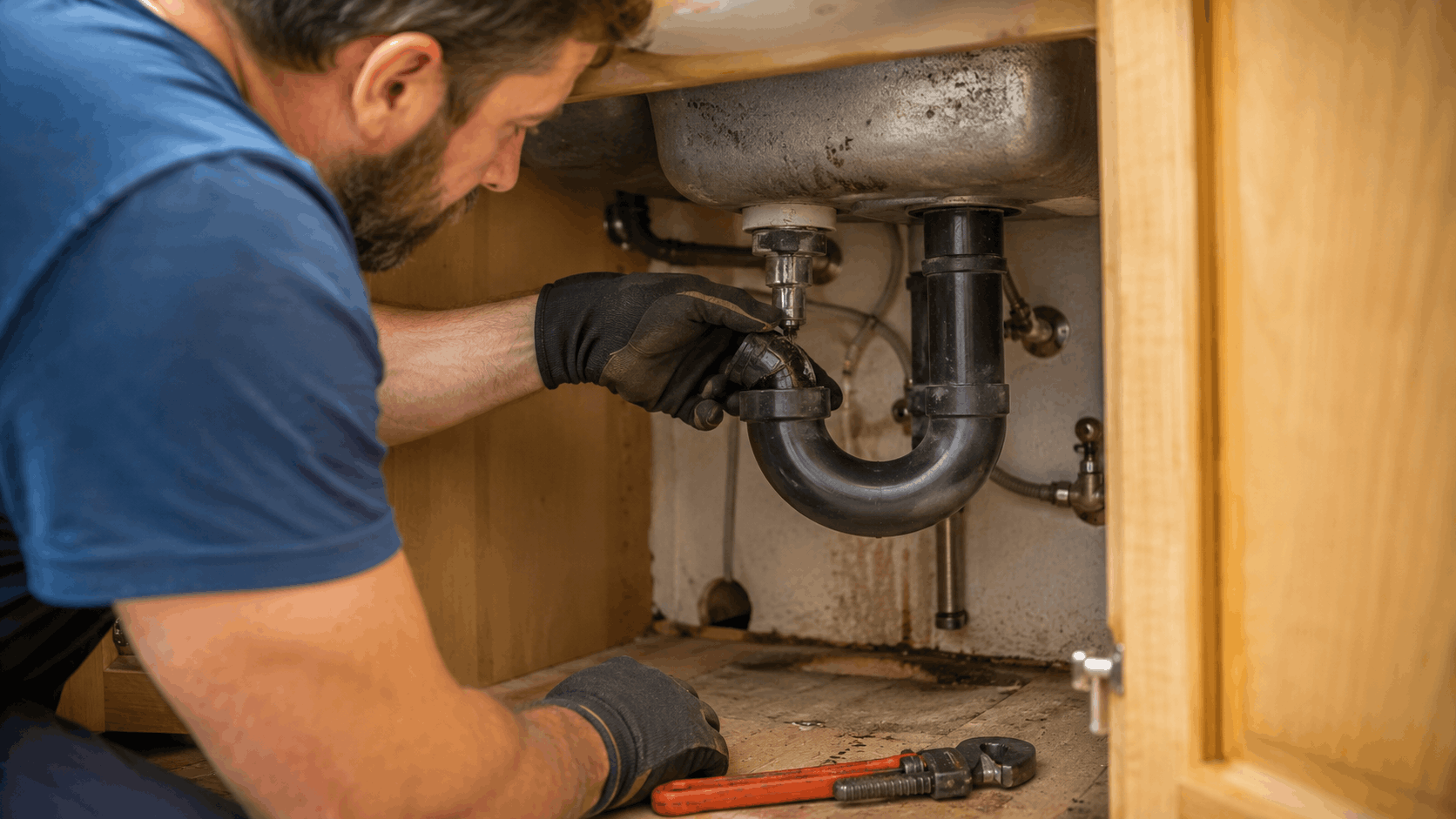
Low water pressure is one of the most common complaints we hear from Peccole Ranch and nearby areas around Sahara Avenue and Charleston Boulevard. Sometimes the issue is the opposite, with pressure so high it stresses the pipes. Either way, the cause usually traces back to aging parts.
Pressure that is too high wears out pipes, fixtures, and the water heater faster. Pressure that is too low makes showers weak and fills tubs slowly. Getting it into the right range protects the home and makes daily life better.
Here is what drives pressure problems in 1990s homes and how to check it.
Failing Pressure Reducing Valves
Most homes have a pressure reducing valve, or PRV, where the main line enters. Its job is to lower the high pressure from the city main to a safe level for the house. Like any part, the PRV wears out over the years.
A failing PRV can let pressure climb too high, which stresses every pipe and fixture in the home. High pressure is a hidden driver behind pinhole leaks and burst supply lines. Many homeowners never check it until something fails.
A worn PRV can also stick and choke pressure down too low. In that case showers go weak and appliances struggle to fill. The fix is the same in both directions, which is to replace the aging valve.
PRVs typically last 10 to 15 years, so original valves in these homes are long overdue. Replacing one is a quick job that protects the whole plumbing system.
Mineral Buildup in Pipes and Aerators
Hard water leaves mineral scale inside pipes and on fixtures throughout the home. Over decades, that scale narrows older pipes and reduces flow even when the pressure is fine. The water simply has less room to move.
Faucet aerators clog with the same minerals. The aerator is the small screen at the tip of a faucet, and scale collects on it until the stream slows to a trickle. Often a homeowner thinks the whole house has low pressure when one clogged aerator is the cause.
Cleaning or replacing aerators is an easy fix that restores flow at a single faucet. Soaking them in vinegar dissolves the mineral scale in most cases. It is one of the simplest improvements a homeowner can make.
When scale has built up inside the pipes themselves, the fix is bigger. A repipe restores full flow, and a softener keeps the new pipes clear longer.
Checking Pressure and Protecting Pipes
Testing water pressure is something any homeowner can do with a cheap gauge. The gauge screws onto an outdoor hose bib, and a quick read shows the pressure in the home. A healthy range sits between 40 and 80 psi.
A reading above 80 psi means the pressure is too high and the PRV likely needs attention. A low reading points to a clogged line, a stuck valve, or a failing regulator. Either result tells the homeowner what to address.
Protecting aging pipes comes down to a few moves. A working pressure regulator keeps the force in a safe range, and a water treatment system cuts the mineral load that clogs and corrodes pipes. Together they extend the life of older plumbing.
We can test pressure during any service visit and recommend the right protection. Catching high pressure early prevents a lot of expensive damage later.
How Active Plumbing Helps Peccole Ranch Homeowners
Active Plumbing has worked on homes throughout Peccole Ranch and the surrounding Las Vegas area for years. We know these 1990s houses well because we have repaired so many of them. That experience as a local plumber lets us diagnose problems faster and recommend repairs that actually fit the home.
Whether it is a polybutylene repipe, a slab leak, or a stubborn sewer clog, we have handled it nearby. Our goal is to give homeowners honest options and clear pricing before any work starts.
Local Knowledge of Area Homes
Having worked on so many homes near Hualapai Way and over toward Lake Mead Boulevard, our team recognizes the patterns. We know which pipe materials a given era of home is likely to have and where the lines tend to run. That neighborhood experience shortens diagnosis time.
When we walk into a Peccole Ranch house, we are not starting from scratch. The layout, the slab construction, and the common failure points are familiar. That means less time hunting and more time fixing.
Local knowledge also helps us anticipate related issues. If a home has one common 1990s problem, we know to check for the others that usually come with it. Homeowners get a fuller picture instead of a single narrow fix.
This familiarity is something a plumber from outside the area cannot match. Working these streets every day builds an understanding no manual provides.
Inspections, Repairs, and Repipes
Our services cover the full range of needs in older homes. We handle leak detection to find hidden problems, spot repairs for isolated issues, and whole-home repipes when pipes have reached the end. Each job is matched to the home's real condition.
For water emergencies, our burst pipe repair team responds quickly to limit damage. A fast response on a burst line can save a homeowner thousands in repairs. We treat these calls with the urgency they deserve.
Beyond emergencies, we handle water heaters, drain and sewer work, fixture replacement, and water treatment. Bundling related work during one visit saves homeowners money and disruption. We point out what needs attention now and what can wait.
Every repair comes with a clear explanation of what we found and why. Homeowners deserve to understand their plumbing, not just hand over a check.
Planning Ahead Before a Pipe Fails
The cheapest plumbing problem is the one caught before it floods a room. A preventive inspection finds aging pipes, weak fittings, and worn valves while they can still be fixed on a schedule. That beats a 2 a.m. emergency every time.
For 1990s homes, we suggest a plumbing inspection every couple of years. The check covers pipe material, pressure, the water heater, and accessible lines. It gives homeowners a clear sense of what to budget for and when.
Proactive pipe maintenance also protects home value. A house with documented plumbing upgrades is easier to sell and gives buyers confidence. Many of our customers schedule a repipe before listing for exactly this reason.
Emergency prevention is the real payoff. A short inspection now can head off a major failure later, and that trade is worth making for any older home.
Need Help in Las Vegas?
Active Plumbing serves Las Vegas and all of Las Vegas Valley.
Final Thoughts
Peccole Ranch homes from the 1990s share a common story, from the materials builders used to the hard water that wears them down. Polybutylene pipes, copper pinhole leaks, slab leaks, aging water heaters, and root-filled sewer lines all show up as these houses age. The good news is that most of these problems give warning signs if homeowners know what to watch for.
Catching trouble early keeps a small repair from becoming a costly flood. A test gauge, a glance at the pipe near the water heater, and an eye on the water bill go a long way. When something looks off, a quick inspection settles the question.
If you own a 1990s home in Peccole Ranch and want to know where your plumbing stands, our team is ready to help. Contact Active Plumbing to schedule an inspection or call for a consultation. We will give you a clear look at your pipes and a plan that fits your home and budget.
Frequently Asked Questions
What types of pipes are common in 1990s Peccole Ranch homes?
Most 1990s homes in this area used one of three materials. Polybutylene was a popular budget plastic pipe in earlier builds, recognizable by its gray or blue color. Copper served as the standard metal supply line in many homes, especially later in the decade. Early CPVC also appeared in some houses. Each ages differently, and knowing which one a home has guides the right repair plan.
How do I know if my home has polybutylene pipes?
Look for flexible gray or blue plastic pipe in spots where plumbing is exposed. The clearest places to check are near the water heater, under bathroom and kitchen sinks, and at the main shutoff where the line enters the home. Polybutylene is soft plastic, not rigid like CPVC, and it usually connects with crimp fittings. If you spot it in one spot, the whole home likely has it.
What are the first signs of a slab leak?
The earliest signs are easy to miss. A warm spot on the floor often points to a hot water line leaking under the concrete. You may also hear a faint running water sound when no faucet is on. A water bill that climbs with no change in habits is another strong clue. Cracked tile and damp carpet show up later, so act on the early signs.
How much does a whole-home repipe cost in Las Vegas?
Costs vary based on home size, pipe material, and layout, but most whole-home repipes range from a few thousand dollars up into the higher thousands. PEX repipes usually cost less than copper because they install faster. Access, the number of fixtures, and wall repair all affect the final price. We inspect the home first and give a clear written estimate before any work begins.
Why do older copper pipes develop pinhole leaks?
Pinhole leaks come from three factors working together. Local water chemistry can be aggressive toward copper, slowly eating the pipe wall from the inside. High water pressure stresses the thinning pipe and speeds failure. Pipe age adds up after three decades of carrying hard water. When all three combine, tiny holes form and drip, often hidden inside walls or ceilings until damage appears.
Does Las Vegas hard water damage plumbing?
Yes, the hard water from the Las Vegas Valley Water District takes a real toll. Its high mineral content leaves scale inside pipes, which narrows them and reduces flow. The same minerals collect as sediment in water heaters and shorten tank life. They also clog faucet aerators and stiffen valves and cartridges. A water softener slows this damage and helps aging plumbing last longer.
How long do water heaters last in this area?
A typical tank water heater lasts 8 to 12 years, but hard water often pulls that shorter in the Valley. Mineral sediment builds at the bottom of the tank, forcing the unit to work harder and wear out faster. Flushing the tank yearly helps it last longer. If a heater is past 10 years with rust or leaks, replacement is usually the smarter move.
Can tree roots really damage my sewer line?
Absolutely, and it is common in established neighborhoods like Peccole Ranch. Roots from mature trees search for water and grow toward the moisture inside sewer lines. They enter through small cracks or loose joints, then spread and catch debris until the line clogs. The telltale sign is a drain that backs up repeatedly after being cleared. A camera inspection shows how far the intrusion has gone.
Should I repair or replace aging pipes?
It depends on the pipe material and how often problems appear. A single leak on otherwise healthy copper often calls for a spot repair. Repeated leaks point to a system that is corroding throughout, where a repipe ends the cycle and saves money over time. Polybutylene is best replaced rather than patched because it fails without warning. We help weigh the condition before you decide.
How often should older homes get a plumbing inspection?
For 1990s homes, an inspection every couple of years is a good rhythm. The check covers pipe material, water pressure, the water heater, and any accessible lines. Catching aging parts on a schedule beats a surprise failure that floods a room. Homes with known issues or older pipe materials may benefit from yearly checks. A short inspection now can prevent a major emergency later.
Frequently Asked Questions
- What types of pipes are common in 1990s Peccole Ranch homes?
- Most 1990s homes in this area used one of three materials. Polybutylene was a popular budget plastic pipe in earlier builds, recognizable by its gray or blue color. Copper served as the standard metal supply line in many homes, especially later in the decade. Early CPVC also appeared in some houses. Each ages differently, and knowing which one a home has guides the right repair plan.
- How do I know if my home has polybutylene pipes?
- Look for flexible gray or blue plastic pipe in spots where plumbing is exposed. The clearest places to check are near the water heater, under bathroom and kitchen sinks, and at the main shutoff where the line enters the home. Polybutylene is soft plastic, not rigid like CPVC, and it usually connects with crimp fittings. If you spot it in one spot, the whole home likely has it.
- What are the first signs of a slab leak?
- The earliest signs are easy to miss. A warm spot on the floor often points to a hot water line leaking under the concrete. You may also hear a faint running water sound when no faucet is on. A water bill that climbs with no change in habits is another strong clue. Cracked tile and damp carpet show up later, so act on the early signs.
- How much does a whole-home repipe cost in Las Vegas?
- Costs vary based on home size, pipe material, and layout, but most whole-home repipes range from a few thousand dollars up into the higher thousands. PEX repipes usually cost less than copper because they install faster. Access, the number of fixtures, and wall repair all affect the final price. We inspect the home first and give a clear written estimate before any work begins.
- Why do older copper pipes develop pinhole leaks?
- Pinhole leaks come from three factors working together. Local water chemistry can be aggressive toward copper, slowly eating the pipe wall from the inside. High water pressure stresses the thinning pipe and speeds failure. Pipe age adds up after three decades of carrying hard water. When all three combine, tiny holes form and drip, often hidden inside walls or ceilings until damage appears.
- Does Las Vegas hard water damage plumbing?
- Yes, the hard water from the Las Vegas Valley Water District takes a real toll. Its high mineral content leaves scale inside pipes, which narrows them and reduces flow. The same minerals collect as sediment in water heaters and shorten tank life. They also clog faucet aerators and stiffen valves and cartridges. A water softener slows this damage and helps aging plumbing last longer.
- How long do water heaters last in this area?
- A typical tank water heater lasts 8 to 12 years, but hard water often pulls that shorter in the Valley. Mineral sediment builds at the bottom of the tank, forcing the unit to work harder and wear out faster. Flushing the tank yearly helps it last longer. If a heater is past 10 years with rust or leaks, replacement is usually the smarter move.
- Can tree roots really damage my sewer line?
- Absolutely, and it is common in established neighborhoods like Peccole Ranch. Roots from mature trees search for water and grow toward the moisture inside sewer lines. They enter through small cracks or loose joints, then spread and catch debris until the line clogs. The telltale sign is a drain that backs up repeatedly after being cleared. A camera inspection shows how far the intrusion has gone.
- Should I repair or replace aging pipes?
- It depends on the pipe material and how often problems appear. A single leak on otherwise healthy copper often calls for a spot repair. Repeated leaks point to a system that is corroding throughout, where a repipe ends the cycle and saves money over time. Polybutylene is best replaced rather than patched because it fails without warning. We help weigh the condition before you decide.
- How often should older homes get a plumbing inspection?
- For 1990s homes, an inspection every couple of years is a good rhythm. The check covers pipe material, water pressure, the water heater, and any accessible lines. Catching aging parts on a schedule beats a surprise failure that floods a room. Homes with known issues or older pipe materials may benefit from yearly checks. A short inspection now can prevent a major emergency later.
A
Licensed plumbing professionals serving Las Vegas and Las Vegas Valley.
Licensed in Nevada · License #0047021
Last updated on
Why trust Active Plumbing?
Founded in 1991, Active Plumbing is a licensed and insured plumber serving Las Vegas and Las Vegas Valley. All content is reviewed by our licensed technicians.

Need Help in Las Vegas?
Active Plumbing serves Las Vegas and all of Las Vegas Valley.
Related Articles

Tips & Advice
Anthem Henderson Plumber: Why Hillside Homes Have Unique Pressure Issues
Anthem hillside homes face unique water pressure issues from elevation, terrain, and the Henderson water system. Learn the causes, tests, and proven fixes.
Tips & Advice
Henderson vs Las Vegas Water Pressure: Why Some Neighborhoods Have PRV Issues
Henderson vs Las Vegas water pressure varies by terrain, utility systems, and neighborhood age. Learn why PRV issues hit some areas harder and when to act.

Tips & Advice
The Lakes Las Vegas Plumber: Lakefront Property Water Line Considerations
A local guide to lakefront water line considerations in The Lakes Las Vegas, covering soil movement, pipe materials, leak signs, repair vs. replacement, HOA rules, and care.