Water Heater Service in Southern Highlands and Mountains Edge: 2000s-Build Original Units Hitting End of Life
Key Takeaways
- Thousands of identical builder-grade water heaters installed during the 2000s boom in Southern Highlands and Mountains Edge are failing on the same schedule.
- Standard tanks last 8 to 12 years, but hard Las Vegas Valley water shortens that timeline, making 15-plus year old original units high risk.
- Watch for rusty hot water, popping noises, shrinking hot water supply, and any leaks or rust at the tank base as signs of failure.
- Use the 50 percent rule: if a repair nears half the cost of a new unit and the tank is aging, replacement is the smarter choice.
- Clark County requires a permit and inspection for every water heater replacement, which protects the home, insurance, and resale value.
- Annual flushing, anode rod checks, a water softener, and a 120 degree setting help a new tank last far longer against valley water.
- Active Plumbing offers fast local response, honest repair-or-replace advice, and permit-handled, code-compliant installs across these neighborhoods.
In This Article
Somewhere along the streets off St. Rose Parkway, a homeowner walks into a cold shower on a January morning. A few doors down, a neighbor finds a puddle spreading across the garage floor near the water heater. Across the way, another family notices their hot water runs out halfway through the second shower. These are not random events. They are the sound of thousands of original 2000s-build water heaters reaching the end of the line all at once.
Southern Highlands and Mountains Edge grew fast in the early-to-mid 2000s. Whole communities went up in a few short years, and nearly every home got the same builder-grade tank installed around the same time. Now, fifteen to twenty years later, those tanks are wearing out on the same schedule.
Why 2000s-Build Water Heaters Are Failing Across These Neighborhoods
The story of failing water heaters in these neighborhoods starts with how they were built. When you install thousands of identical units in the same few years, they tend to give out in the same few years too. Add the hard water in the Las Vegas Valley and the math gets even worse.
The average water heater lifespan is shorter than most people think, and 2000s homes across Southern Highlands are now well past the point where their original tanks should have been replaced. Below is a quick look at how the timeline plays out for a typical builder tank installed during the boom.
| Install Year | Age Today | Expected Lifespan | Risk Level |
|---|---|---|---|
| 2002-2004 | 21-23 years | 8-12 years | Very high - replace now |
| 2005-2007 | 18-20 years | 8-12 years | High - failure likely soon |
| 2008-2010 | 15-17 years | 8-12 years | Elevated - plan ahead |
The Building Boom That Put These Units In Place
Drive the streets around St. Rose Parkway and you can see the pattern in the rooflines. These master-planned communities went up in tight waves, with builders putting up dozens of homes a month at the peak. To keep costs down and schedules tight, they installed the same builder-grade water heater in nearly every house.
A builder-grade water heater is not a bad unit, but it is chosen for price, not longevity. These tanks usually carry shorter warranties and thinner materials than premium models. When you multiply one builder decision across an entire master-planned community, you get thousands of matching tanks with matching expiration dates.
Mountains Edge and Southern Highlands both grew during this exact window. Homes near Rainbow Boulevard, Blue Diamond, and the newer stretches off St. Rose all share this history. That shared build history is the first reason failures cluster so tightly here.
We see the fingerprints of these installs every week. The same brands, the same tank sizes, the same closet and garage placements. Once you have worked on enough of them, you can almost guess the unit before you open the panel.
Typical Lifespan Of A Tank Water Heater
A standard tank water heater lasts somewhere between 8 and 12 years under normal conditions. That range assumes decent water quality and at least some maintenance along the way. Neither of those is a safe assumption in this part of the valley.
When a tank passes the 12-year mark, it is living on borrowed time. The steel inside has been fighting corrosion for years, and the protective anode rod is usually long gone. Every extra year past that point raises the odds of a sudden leak or burst.
So think about what that means for water heater age in these homes. A tank installed in 2005 is now pushing 20 years old. That is nearly double its expected service life, running every single day.
Homeowners are often surprised their unit lasted this long at all. The honest answer is that it should not have, and pushing it further is a gamble that usually ends with water on the floor.
How Las Vegas Water Speeds Up The Clock
The water served by the Las Vegas Valley Water District is some of the hardest in the country. It comes loaded with dissolved minerals, mostly calcium and magnesium. Those minerals do not disappear when the water heats up - they settle out as scale and sediment.
Inside a tank, that sediment collects at the bottom in a thick layer. It bakes onto the steel, traps heat, and forces the burner or element to work harder. Over years, that extra stress cracks the protective glass lining and eats through the tank wall.
This is why hard water shortens the clock so dramatically. A tank that might last 12 years in a soft-water region can be finished in 8 or 9 years here. Sediment buildup is the single biggest enemy of any water heater in the valley.
Homes without a water softener take the worst of it. If a 2000s-era unit ran its whole life on untreated valley water, its decline was quicker than the national average. That is a major reason so many original tanks are failing right now.
Why Whole Streets Fail Around The Same Time
Put the three factors together and the clustering effect makes sense. Identical builder-grade tanks, installed the same year, running on the same hard water. It is almost a recipe for synchronized failure.
We regularly get calls from three or four homes on the same block within a single season. One neighbor's tank goes, they mention it over the fence, and suddenly everyone starts checking their own. The water heater failure pattern spreads through a street like a chain reaction.
These neighborhood clusters are predictable once you know the build year. If a home was finished in 2006 and still has the original unit, that unit is not far behind whatever failed next door. We tell homeowners to treat a neighbor's failure as their own early warning.
The upside is that this pattern gives people a chance to plan. Nobody has to wait for the flood if they act on the warning signs. That is exactly what the next section covers.
Get Your Quote
Tell us what's going on and we'll get back to you. We're open 24/7.
Warning Signs Your Original Unit Is Near The End
A water heater rarely dies without warning. The trouble is that the early signs are easy to ignore until they turn into a flooded garage at 6 a.m. Catching failing water heater symptoms early is the difference between a planned swap and an emergency.
Here are the water heater warning signs we tell every homeowner in Southern Highlands and Mountains Edge to watch for. Any one of them on an old unit is worth a closer look. Two or more at once means it is time to act.
Rusty Or Discolored Hot Water
When hot water comes out brown, orange, or tinted, the tank is telling you something. That color is usually rust from the inside of the tank breaking loose. It means the steel is corroding from the inside out.
Inside every tank is a sacrificial anode rod. Its job is to attract corrosion so the tank walls stay protected. Once that rod is used up, the corrosion moves to the tank itself, and rusty water is often the first visible sign.
A quick test helps narrow it down. Run only the hot side and see if the color shows up. If cold water runs clear but hot runs rusty, the problem is almost certainly inside the water heater rather than the pipes.
A metallic smell in the hot water points the same direction. On a unit that is already 15-plus years old, rusty water usually means replacement is close. The corrosion that causes it does not reverse.
Popping, Rumbling Or Banging Noises
A healthy water heater runs quietly. When homeowners start hearing popping, rumbling, or banging from the tank, sediment is almost always the cause. Those sounds come from water trying to bubble up through a thick mineral layer at the bottom.
As sediment buildup hardens, it traps water underneath against the hot steel. When that trapped water flashes to steam, it forces its way through the crust and makes the popping noise. It is the same idea as a covered pot boiling over.
Beyond the noise, that sediment layer kills efficiency. The burner has to heat through inches of mineral crust before it warms the water. Energy bills creep up and recovery time gets slower.
On a newer unit, a good flush can quiet things down. On an old original tank, the noise is often a sign the damage is already deep. We use it as one more clue that the end is near.
Running Out Of Hot Water Quicker
If the second shower of the morning turns cold, the tank is losing capacity. That sediment layer we mentioned takes up space that used to hold hot water. A 50-gallon tank full of scale might only deliver 35 gallons of real hot water.
On electric units, a failing heating element causes the same complaint. Many tanks have two elements, and when the lower one burns out, you lose a big chunk of your hot water supply. The tank heats slower and drains more quickly.
Families in these two-story homes notice it quickly. With multiple bathrooms and back-to-back morning showers, there is no hiding a shrinking supply. When people tell us they suddenly do not have enough hot water, age and sediment top the list of causes.
Sometimes the fix is a new element or thermostat on a younger unit. On an old tank, though, the shrinking supply usually reflects wear that a repair cannot undo. Our water heater repair team can tell you which situation you are in.
Puddles, Drips And Rust At The Base
Any moisture around the base of the tank is a red flag. A water heater leak often starts as a small drip or a damp ring on the floor. It rarely stays small.
Rust or corrosion at the bottom seam of the tank means the steel has been compromised. Once a tank starts weeping from the body, there is no reliable repair. The next stage is often a full tank burst that dumps 40 or 50 gallons at once.
In these homes, the water heater usually sits in the garage or a hall closet. A burst in either spot can ruin drywall, flooring, and stored belongings quickly. That is why we treat any base leak as urgent.
If you spot standing water, do not wait to see if it gets worse. Shut off the supply and call for help. Our emergency plumbing crew handles these situations across Southern Highlands and Mountains Edge every week.
Need Help in Las Vegas?
Active Plumbing serves Las Vegas and all of Las Vegas Valley.
Repair Or Replace: Making The Right Call
Once a unit shows trouble, the big question is whether to repair or replace the water heater. The answer depends on the age of the tank, the cost of the fix, and how much risk you want to carry. On original 2000s units, the math usually leans one direction.
We give straight advice on this because pushing an unneeded replacement helps nobody. Here is a simple framework to weigh repair against replacement, along with the water heater cost factors that matter most.
| Situation | Best Move | Why |
|---|---|---|
| Unit under 8 years, minor part failure | Repair | Plenty of life left, low cost fix |
| Unit 8-12 years, single part | Repair or plan replacement | Depends on cost and condition |
| Unit 12-15 years, any major issue | Replace | Poor long-term value |
| Unit 15-plus years, leaking tank | Replace now | Repair not possible, flood risk |
When A Repair Still Makes Sense
Not every problem means a new tank. On a unit under about 8 years old, a targeted repair is often the smart move. The tank body is still sound, and one worn part is easy to swap.
A failed thermostat is a common example. It is an inexpensive part, and a thermostat replacement can bring a unit right back to normal. The same goes for a bad heating element on an electric model or a faulty gas valve.
Pressure relief valves and dip tubes also fall into the repairable category. These are wear items that fail independently of the tank itself. Replacing them on a younger unit gets you years more service for a modest cost.
The deciding factor is always the tank body. If the steel is solid and only a component failed, water heater repair is usually worth it. Our team can inspect the unit and give an honest read on whether a fix will hold.
When Replacement Is The Smarter Move
Once a tank crosses 15 years, the equation flips. Spending money to repair an old water heater rarely pays off, because the rest of the tank is right behind whatever just failed. You fix one thing and another goes a few months later.
An original 2000s unit has already outlived its warranty by a decade or more. The glass lining is cracked, the anode rod is gone, and sediment has done its damage. A repair on that kind of tank is money spent on borrowed time.
Water heater replacement gives you a fresh warranty, better efficiency, and no more surprise breakdowns. A modern tank uses less energy to heat the same water, which trims the monthly bill. Over a few years, that difference offsets part of the replacement cost.
We are blunt with homeowners here. If a 20-year-old tank needs a significant repair, we recommend putting that money toward a new unit instead. It is the choice that saves them from a repeat call.
The 50 Percent Rule Of Thumb
There is a simple guideline that cuts through the confusion. If the repair cost approaches half the replacement cost, and the tank is aging, replace it. This is the 50 percent rule, and it works well in these neighborhoods.
Say a new standard tank installed runs a certain amount, and a major repair on your old one costs nearly half that. You would be spending big money to keep a unit that is nearly done anyway. The replacement cost buys far more value.
Age tightens the rule further. On a unit under 8 years, you can lean toward repair even at higher cost. On a 15-plus year unit, almost any real repair cost tips the scale toward replacement.
We walk homeowners through this math on site. Once they see the numbers side by side, the right call is usually clear. Nobody wants to sink hundreds into a tank that fails again next year.
Safety Risks Of Pushing An Old Unit Too Far
Beyond cost, there is a safety side to this decision. An old tank is not just a leak risk - it can be a hazard. The pressure relief valve is one of the biggest concerns.
That valve is a safety device meant to release pressure if the tank overheats. On old units, it can seize or corrode shut. If it fails and pressure keeps building, the results can be serious, which is why aging tanks should never be ignored.
On gas models, an aging unit raises other issues. Worn connections, a failing thermocouple, or a corroded flue affect gas water heater safety. Any gas concern is something to have checked promptly by a licensed pro.
Then there is the water damage angle. A burst tank in a garage or closet can cause thousands in damage in a single failure. Weighed against that, replacing a spent unit is the cautious and cheaper long-term choice. For any gas-related worries, our gas safety inspection service gives a clear picture.
Choosing A New Water Heater For These Homes
Once replacement is the plan, the next step is picking the right new water heater. The good news is that the layouts in Southern Highlands and Mountains Edge homes are familiar, so the choices are straightforward. It mostly comes down to tank versus tankless, size, and fuel type.
We help homeowners match the unit to their home and habits, not just sell the biggest model. Here is how the main options stack up for these specific homes.
Standard Tank Replacements
A common choice is a like-for-like tank swap. The old unit comes out, a new tank of the same type goes in, and the connections line up close to where they were. It is the simplest path and the fastest to complete.
Most of these homes came with a 40 gallon or 50 gallon tank. Matching that size keeps the install clean and predictable. A family that was happy with their hot water supply usually stays happy with the same capacity in a new, efficient unit.
A standard tank water heater also has the lowest upfront cost. For homeowners who want reliable hot water without a bigger project, it is hard to beat. Modern tanks run more efficiently than the 2000s originals they replace.
Our water heater services team handles these swaps constantly in these neighborhoods. Because the setups are so consistent, we can usually complete one in a single visit.
Tankless Water Heaters
A tankless water heater is a popular upgrade for homeowners ready to spend a bit more. Instead of storing hot water, it heats water on demand as it flows through the unit. That means endless hot water and no tank to leak.
The space savings matter in these homes too. A tankless unit mounts on the wall and frees up the floor space a bulky tank used to occupy in the garage or closet. That is a real perk in a two-car garage that doubles as storage.
A 2000s-build home may need a few upgrades to support one. Gas models often require a larger gas line and updated venting, while some electric conversions need panel work. We evaluate the home before recommending a switch.
For homeowners weighing on-demand hot water, our tankless water heater installation service covers the full conversion. If a bigger gas line is needed, our gas line rerouting and upsizing crew handles that part too.
Sizing For Your Household
Getting the size right keeps everyone in hot water without wasting energy. Water heater sizing depends on family size and how many bathrooms run at once. Undersize it and you get cold showers; oversize it and you pay to heat water you never use.
For a typical family in these two-story homes, a 40 to 50 gallon tank covers most needs. Larger households with three or more bathrooms may want a 50 gallon unit or a high-recovery model. Recovery rate, measured in gallons per hour, tells you how fast the tank reheats.
Tankless sizing works differently and is measured in flow rate. Here the question is how many fixtures might run at the same time. A busy household with simultaneous showers needs a higher-capacity tankless unit or two smaller ones.
We size every install to the actual home and family. It is one of those details that separates a good job from a callback about cold showers. Getting it right up front saves headaches later.
Gas Versus Electric Options
Most homes in these areas came with a gas water heater, and many stay gas for good reason. Gas heats water more quickly and usually costs less to run in this market. If the home already has the gas connection and venting, staying gas is the easy path.
An electric water heater has its own advantages. It runs quieter, needs no venting, and installs with fewer complications in some spots. The tradeoff is usually slower recovery and, depending on rates, higher operating cost.
The right choice often comes down to what the home is already set up for. Switching fuel types adds cost, since you may need new gas lines or new electrical circuits. We factor those upgrade costs into any recommendation.
For most 2000s homes in Southern Highlands and Mountains Edge, matching the existing fuel type is the practical move. It keeps the project simple and the cost down. We lay out both paths so homeowners can decide with full information.
Need Help in Las Vegas?
Active Plumbing serves Las Vegas and all of Las Vegas Valley.
What Local Installation Actually Involves
A proper water heater installation is more than dropping in a new tank. There is code to follow, permits to pull, and safety steps that protect the home. Homeowners should know what a real job looks like so they can spot a shortcut.
Working with a local plumber who knows Clark County rules makes the whole thing smoother. Here is what to expect when the work is done right.
| Step | What Happens | Typical Time |
|---|---|---|
| Permit | Pull Clark County permit before work | Same day |
| Removal | Drain and haul out old unit | 30-60 min |
| Install | Set new unit, connect, add safety parts | 1-3 hours |
| Inspection | County inspector verifies code | Scheduled after |
Permits And Clark County Code
Clark County requires a permit for water heater replacement. It is not just paperwork - the permit triggers an inspection that confirms the work meets plumbing code. That protects the homeowner and the next buyer of the home.
A Clark County permit covers things like proper connections, venting, and safety devices. The inspector checks that everything was done to standard. Skipping the permit can cause problems at resale and can void insurance on a water damage claim.
You can review local requirements through the Clark County Building and Fire Prevention office. It confirms that water heater swaps are permitted work. A licensed plumber handles the permit as part of the job.
We pull the permit on every install and coordinate the inspection. Homeowners never have to chase paperwork with the county. It is simply part of doing the job the right way.
Garage And Interior Closet Installs
In these homes, the water heater almost always sits in the garage or a hall closet. Each spot has its own code needs. A garage water heater on gas usually must be raised or have specific ignition protection, depending on the model.
Both locations call for a drip pan under the unit when required, plumbed to drain safely. The pan catches small leaks before they reach flooring or drywall. It is a small part that prevents big damage.
An expansion tank is another common requirement. As water heats and expands, that little tank absorbs the extra pressure so it does not stress the system. Many older installs never had one, and code now calls for it on new work.
We install these safety parts as standard, not as add-ons. Doing it right the first time means the unit lasts longer and passes inspection without a hitch. It also protects the home the tank sits in.
How Long The Job Takes
A standard tank swap is usually a same day replacement. From draining the old unit to firing up the new one, most tank jobs take two to three hours. Homeowners often have hot water back the same afternoon.
A tankless conversion takes longer because there is more involved. New mounting, venting, and sometimes gas or electrical upgrades push installation time to most of a day. If a gas line needs upsizing, plan for extra hours.
The exact timeline depends on the home and the unit chosen. Tight closet installs or unusual connections can add time. We give a realistic estimate before starting so there are no surprises.
When a tank has already failed, speed matters. We schedule urgent swaps quickly so families are not stuck without hot water for days. A same day fix is often possible for standard tank replacements.
Hauling Away The Old Unit
A full-service job does not leave the old tank sitting in the driveway. Proper old water heater removal is part of the work. We drain it, disconnect it, and haul it off for correct disposal.
Old tanks are heavy and awkward, often 100 pounds or more when empty. Getting one out of a closet or garage safely takes the right technique. Homeowners should not have to wrestle it to the curb themselves.
Disposal matters too. Metal tanks get recycled rather than dumped, and any gas components are handled properly. It is a small thing that a complete job should always include.
When our team finishes, the space is clean and the old unit is gone. That is the standard homeowners should expect from any installer. Leaving the mess behind is a sign of a rushed job.
Protecting Your New Unit From Early Wear
A new water heater is an investment, and a little care makes it last. The same hard water that killed the original will go after the new one if nothing changes. Simple water heater maintenance can add years to the tank.
These habits matter more here than in most parts of the country. The valley's mineral-heavy water demands attention that softer regions never worry about. Here is how to keep the next unit healthy.
Annual Tank Flushing
Flushing the tank once a year clears out the sediment before it can build into a crust. You drain a few gallons through the drain valve until the water runs clear. It is the single most effective way to fight sediment removal in this market.
Because of the hard water here, annual is the minimum. Some homes benefit from a flush every six months, especially without a softener. Skipping it lets minerals pile up exactly the way they did in the old tank.
A proper flush also keeps efficiency up. With less sediment insulating the burner or element, the unit heats more quickly and uses less energy. That shows up as a slightly lower gas or power bill.
Homeowners can do a basic flush themselves or have us handle it during a service visit. Either way, do not skip it. When you flush the water heater on schedule, you protect the whole investment.
Checking The Anode Rod
The anode rod is the unsung hero inside every tank. It corrodes on purpose so the tank walls do not have to. That is why it is called a sacrificial rod.
In hard water, the rod wears out sooner - often within three to five years. Once it is used up, corrosion turns on the tank itself. Checking and replacing the rod on schedule is the cheapest insurance a tank owner can buy.
Replacing a worn anode rod costs a fraction of a new water heater. Yet many homeowners never touch it, which is a big reason the 2000s originals failed early. Nobody checked the rod, so the corrosion protection ran out unnoticed.
We inspect the rod during maintenance visits and swap it when it is spent. Staying on top of it can double a tank's working life. It is a small task with an outsized payoff.
Water Softeners And Conditioners
The best defense against hard water is treating it before it ever reaches the tank. A water softener removes the minerals that cause scale. That protects not just the water heater but every pipe and fixture in the home.
Scale prevention pays off across the whole plumbing system. Faucets last longer, glass shower doors stay clear, and appliances run better. In a valley with water this hard, a softener is one of the smartest home upgrades.
For homeowners who prefer not to add salt, there are alternatives. A salt-free water conditioning system reduces scale buildup without the salt maintenance. It is a good middle ground for many homes.
Our water softener installation team can match a system to the home. Paired with a new water heater, it gives the tank the best possible chance to outlast the original. It is the closest thing to a long-term fix for hard water damage.
Setting The Right Temperature
The temperature setting affects both safety and wear. We recommend setting the water heater to about 120 degrees for most homes. That is hot enough for daily use and safe against scalding.
A lower setting also means less stress on the tank and less energy used. Every extra degree costs money and speeds up mineral scaling. So 120 degrees hits a good balance of comfort, safety, and energy savings.
Homes with young children or elderly residents especially benefit from the 120 degree limit. It reduces the risk of a scalding burn from the tap. Comfort and safety do not have to compete at this setting.
If hot water feels too weak at 120, a small bump can help without going overboard. Just avoid cranking it toward the maximum. That only wears the unit more quickly and raises the bill.
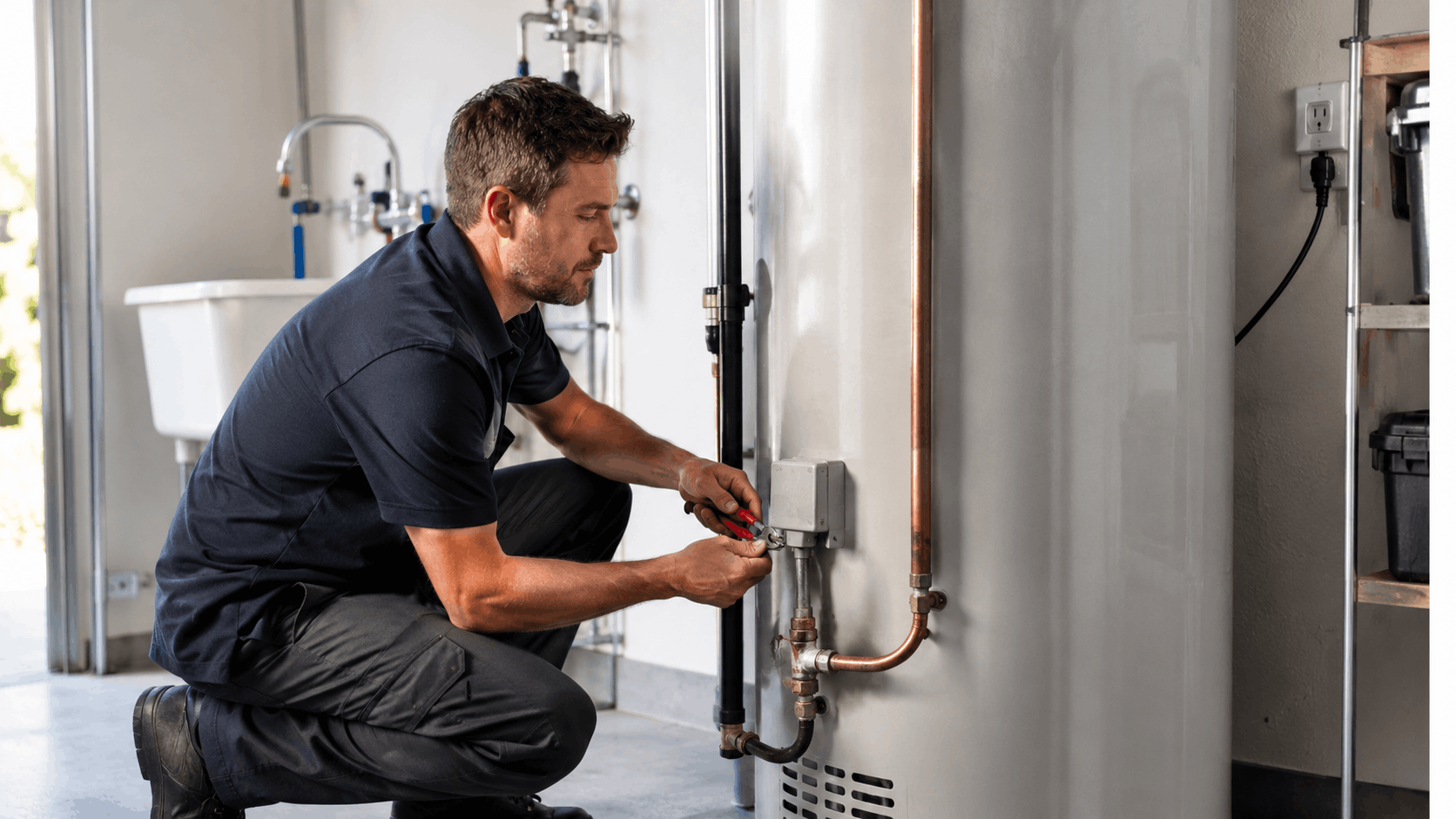
Need Help in Las Vegas?
Active Plumbing serves Las Vegas and all of Las Vegas Valley.
Why Southern Highlands And Mountains Edge Homeowners Call Active Plumbing
When a tank gives out in these neighborhoods, homeowners want someone who knows their home and shows up fast. Our team has spent years working the streets of Southern Highlands and Mountains Edge. That local experience shapes everything we do on a water heater service call.
We are not a national chain reading from a script. We are a local Las Vegas company that knows these homes, this water, and this county code. Here is what sets our approach apart.
Familiar With Homes On St. Rose Parkway Corridor
We have worked in the communities all along the St. Rose Parkway corridor. From the master-planned tracts in Southern Highlands to the family neighborhoods in Mountains Edge, we know the builder setups by heart.
Because so many of these local homes share the same tank models and placements, we come prepared. We often know the likely unit and layout before we arrive. That saves time and means fewer trips for parts.
That familiarity extends to the quirks of these builds. The closet dimensions, the gas line routing, the drain locations - we have seen them many times over. It lets us work quickly without cutting corners.
Serving the broader Enterprise area, we treat these neighborhoods as our home turf. Homeowners appreciate working with a crew that already understands their street.
Fast Response When A Tank Gives Out
A failed water heater is not something that waits politely. When a tank bursts and floods a garage, every minute counts. We keep scheduling flexible so we can get to emergencies fast.
Our emergency water heater help covers leaks, bursts, and total failures across these neighborhoods. We answer the call, shut down the problem, and get hot water restored. Fast service is a core part of what we do.
For active flooding, our burst pipe repair and emergency crew can stop the water and start cleanup right away. The sooner we arrive, the less damage a home takes. That speed often saves flooring and drywall.
Homeowners keep our number handy for exactly this reason. When the worst happens, they are not stuck searching for help. They already know who to call.
Honest Repair Or Replace Advice
We built our reputation on straight talk. If a repair makes sense, we say so, even when a replacement would earn us more. Honest advice keeps customers coming back for years.
Nobody gets pushed into a new unit they do not need. We explain the age, the condition, and the numbers, then let the homeowner decide. A written price before work starts means no surprises on the invoice.
That approach matters most on aging original tanks. Sometimes the right call is replacement, and sometimes a younger unit just needs a part. We give the reasoning so the choice is clear.
Homeowners tell us they appreciate not feeling sold to. They get facts and options, not pressure. That trust is worth more to us than any single job.
Permit-Handled, Code-Compliant Work
Every install we do is code compliant and permitted. We handle the Clark County permit and coordinate the inspection so the homeowner does not have to. It is part of the price of doing the work correctly.
As a licensed plumber team, we follow county code on drip pans, expansion tanks, venting, and connections. That protects the home and holds up at resale. Cut-rate installers who skip permits leave homeowners exposed.
Code-compliant work also protects insurance coverage. If a properly permitted unit ever fails, the paperwork supports a claim. Unpermitted work can leave a homeowner on the hook.
We think that peace on paper is worth the small effort. It is the difference between a job that just runs and a job done right. Homeowners across the valley count on us for that standard.
Final Thoughts
The wave of failing water heaters across Southern Highlands and Mountains Edge is not a coincidence. Thousands of matching builder-grade tanks were installed during the 2000s boom, and hard valley water has pushed them past their limits. If a home still has its original unit, its days are numbered.
The smart move is to watch for the warning signs, weigh repair against replacement honestly, and pick the right new unit for the home. A little maintenance afterward keeps the next tank going far longer than the first. Acting early beats waking up to a flooded garage.
Our team at Active Plumbing is here to help with every step, from an honest inspection to a code-compliant install. Reach out through our contact page or give us a call to schedule a consultation. We will give you a straight answer about your water heater and the best path forward.
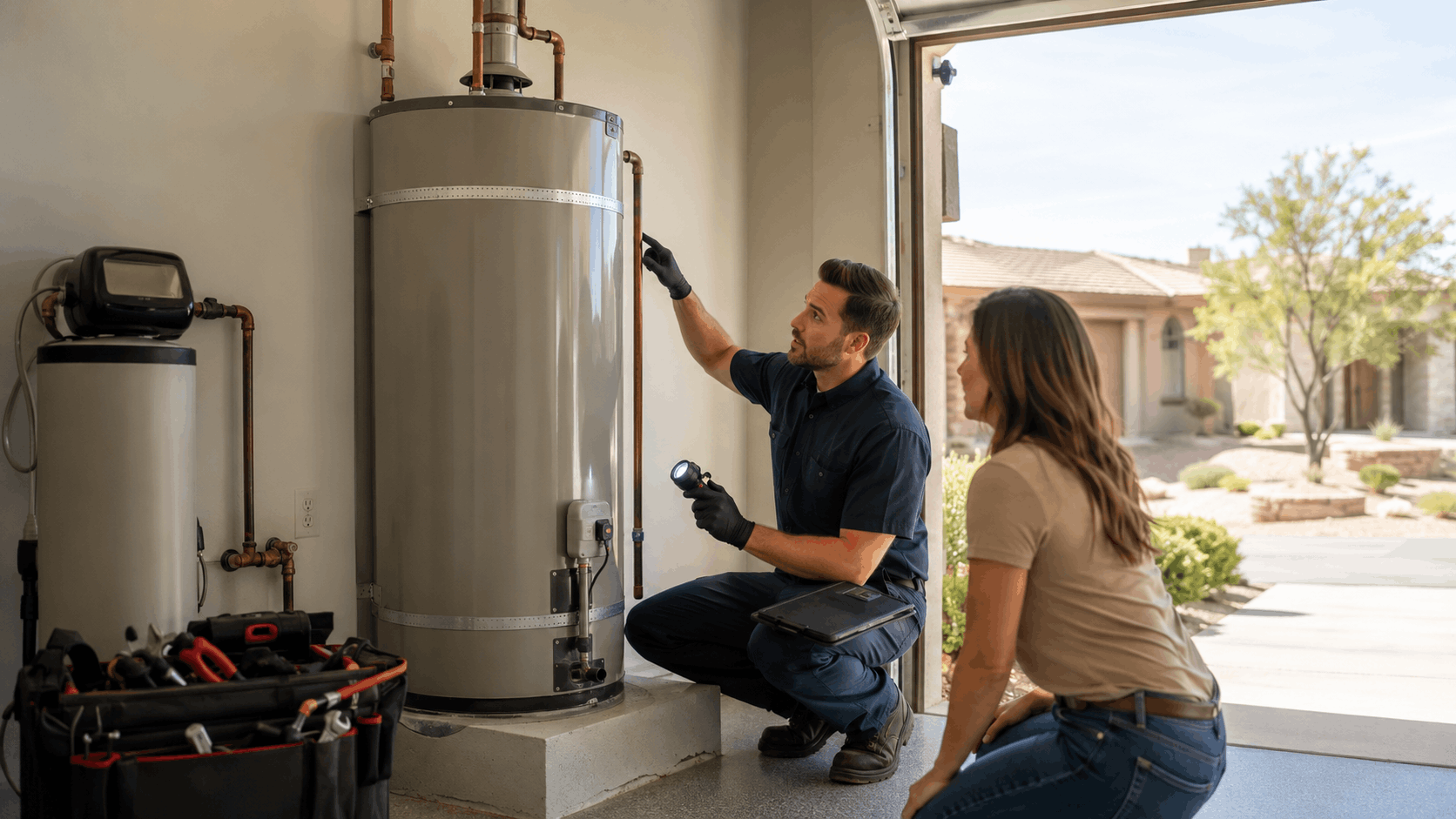
Frequently Asked Questions
- How long should a water heater last in Las Vegas?
- A standard tank lasts 8 to 12 years nationally, but hard water in the valley shortens that to closer to 8 or 9 years without treatment. Sediment and scale from the mineral-heavy supply wear out the tank more quickly. That is why so many original 2000s units are well past their prime. If yours is over 12 years old, it is on borrowed time.
- How much does water heater replacement cost in Southern Highlands?
- A standard tank replacement with labor and permit typically runs in the low to mid four figures, depending on size and fuel type. A tankless conversion costs more, often significantly higher, because it may need gas line or venting upgrades. The final number depends on the unit, the home's setup, and any code work required. We provide a written price before any work begins.
- Is it worth repairing a 15-year-old water heater?
- Usually not. A 15-year-old tank has already outlived its expected life, so a major repair is money spent on a unit likely to fail again soon. If the repair cost approaches half the price of a new unit, replacement is the better value. A younger unit with a single failed part is a different story and often worth fixing.
- What are the signs my water heater is about to fail?
- Watch for rusty or discolored hot water, popping or rumbling noises, and hot water that runs out more quickly than it used to. The biggest red flag is any puddle, drip, or rust at the base of the tank. Those leaks often turn into full bursts. Two or more of these signs on an old unit means it is time to act.
- Do I need a permit to replace my water heater in Clark County?
- Yes. Clark County requires a permit and inspection for water heater replacement. The permit triggers a check that the work meets plumbing code, which protects your home and supports insurance claims. It also matters at resale. A licensed plumber pulls the permit and handles the inspection as part of the job, so you never chase paperwork yourself.
- Should I switch to a tankless water heater?
- Tankless units offer endless hot water, space savings, and no tank to leak. The tradeoffs are a higher upfront cost and possible upgrades to gas lines or venting in a 2000s-build home. For families that run out of hot water often or want to free up garage space, it can be well worth it. We evaluate the home before recommending the switch.
- How long does a water heater installation take?
- A standard tank swap usually takes two to three hours and can be done the same day. A tankless conversion takes longer, often most of a day, because of new mounting, venting, and any gas or electrical upgrades. Tight closet installs or unusual connections add time. We give a realistic estimate before starting so there are no surprises.
- Why does my hot water smell or look rusty?
- Rusty or metallic-smelling hot water usually means the tank is corroding from the inside. The sacrificial anode rod that protects the steel has worn out, so corrosion has moved to the tank itself. If cold water runs clear but hot runs rusty, the problem is inside the water heater. On an older unit, this often signals replacement is near.
- Can a water softener make my water heater last longer?
- Yes. A water softener removes the calcium and magnesium that form scale and sediment inside the tank. Less scale means less stress on the burner or element and a slower corrosion rate. Paired with a new water heater, softened water can add years of service life. It also protects faucets, fixtures, and appliances throughout the home.
- What should I do if my water heater is leaking right now?
- Shut off the water supply to the tank using the valve on the cold inlet line. For electric units, switch off the breaker; for gas, turn the gas valve to off. Then move belongings away from the water and call for emergency help. A slow leak can become a full burst quickly, so getting a pro out fast limits the damage.
Licensed plumbing professionals serving Las Vegas and Las Vegas Valley.
Licensed in Nevada · License #0047021
Last updated on
Why trust Active Plumbing?
Founded in 1991, Active Plumbing is a licensed and insured plumber serving Las Vegas and Las Vegas Valley. All content is reviewed by our licensed technicians.

Need Help in Las Vegas?
Active Plumbing serves Las Vegas and all of Las Vegas Valley.
Related Articles
How to Prevent Water Heater Failure in Las Vegas (Hard Water Maintenance Plan)
Learn how Las Vegas hard water wears out water heaters sooner and follow our maintenance plan to extend your unit's lifespan years.

Tankless Water Heater Scale Buildup: Why Vegas Units Fail at 5 Years Without Descaling
Las Vegas hard water causes scale buildup that fails tankless units at five years. Learn the warning signs, descaling schedule, and treatment options to protect yours.
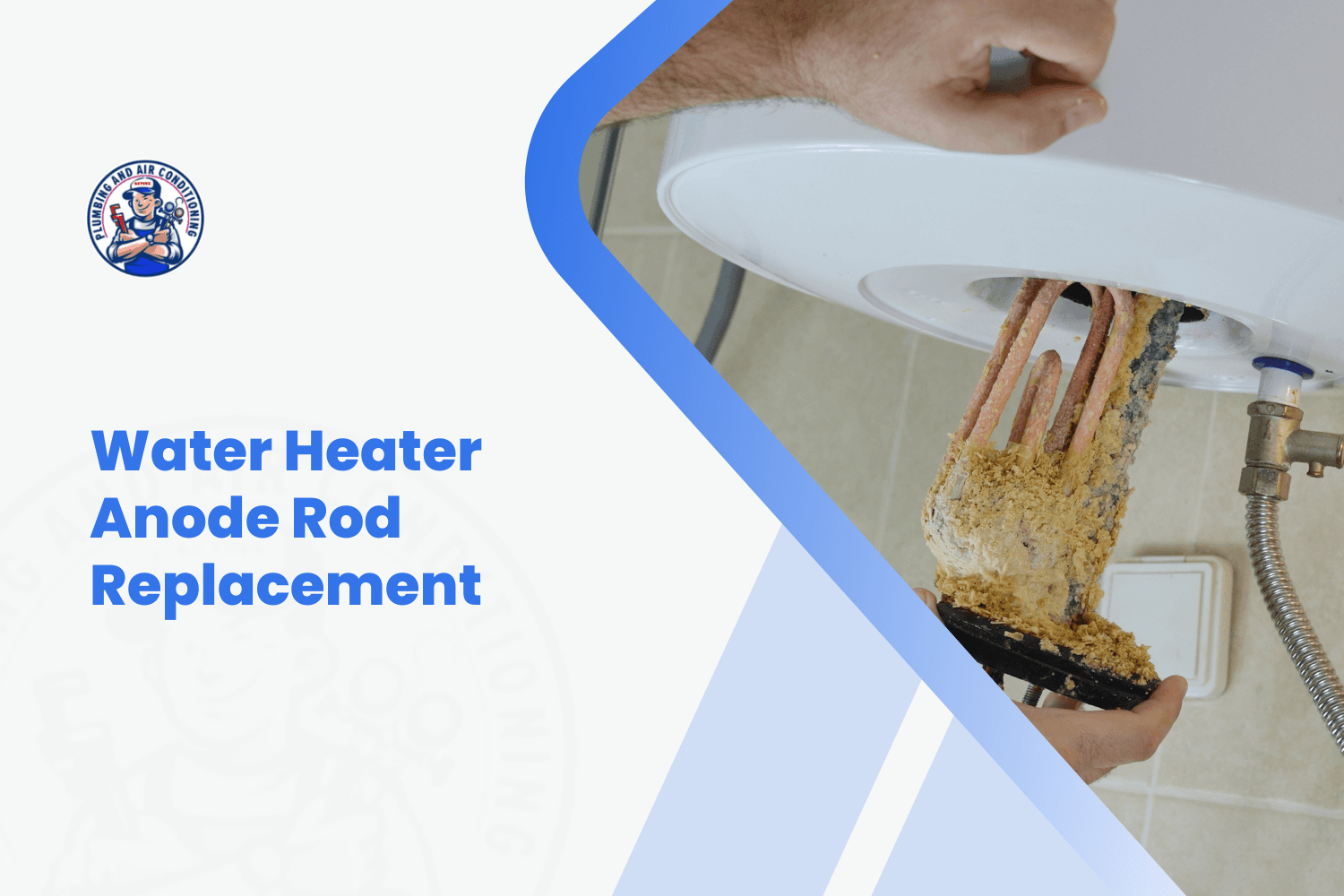
Water Heater Anode Rod Replacement: Why Vegas Hard Water Eats Them in 18 Months
Las Vegas hard water destroys anode rods in 18 months instead of years. Learn the warning signs, replacement costs, and how to protect your water heater long term.