Tips & Advice
Skye Canyon Plumber: Master-Planned Community Common Plumbing Issues
Key Takeaways
- Skye Canyon's newer homes still face plumbing problems from rushed builds, desert heat, higher elevation, and hard water.
- Hard water measuring 16 to 20 grains per gallon is the top complaint, causing scale buildup, clogged fixtures, and short water heater life.
- Yearly water heater flushing and anode rod checks extend tank life, while tankless units suit growing families when paired with a softener.
- Most homes sit on concrete slabs, so watch for warm floor spots, high water bills, and running-water sounds that signal a hidden slab leak.
- Pressure swings from elevation and failing regulators are common; testing psi and replacing worn PRVs protects fixtures and pipes.
- Desert heat and rare freezes stress hose bibs and irrigation lines, so seasonal checks and backflow testing prevent waste and damage.
- Choosing a licensed, insured local plumber who knows Skye Canyon floor plans and HOA rules means faster, more accurate repairs.
In This Article
A Skye Canyon homeowner walks into the garage on a July morning and hears a soft popping sound from the water heater. Down the hall, the kitchen faucet has slowed to a trickle, and there are white crusty rings around the aerator. This is a common start to a workday for our team, and it is one many families off US-95 and Skye Canyon Park Drive know well.
Skye Canyon is one of the newer master-planned communities on the northwest edge of the Las Vegas valley. The homes look modern and clean, but that does not make them free of plumbing headaches. Hard water, desert heat, higher elevation, and slab foundations all leave their mark.
Why Skye Canyon Homes Face Their Own Set of Plumbing Problems?
Skye Canyon sits at the northwest corner of the valley, where new streets, desert climate, and community rules meet. That mix creates plumbing patterns you will not find in older parts of town like the central Arts District or the historic core.
The community was built for growing families, with larger homes, more bathrooms, and heavier daily water use. Combined with the hard local water and high-elevation pressure, those homes ask a lot of their pipes. Here is a quick look at what makes Skye Canyon different:
- Newer construction with modern materials that still have weak points
- Extreme desert heat that punishes outdoor pipes and hose bibs
- Higher elevation that shifts water pressure compared to homes near the Strip
- An active HOA with rules that shape exterior and visible repairs
- Hard Las Vegas plumbing water that leaves mineral scale everywhere
Knowing these patterns helps homeowners in this master-planned community plan ahead instead of reacting to emergencies. Our team keeps all of them in mind on every visit.
Newer Construction Does Not Mean Problem-Free
Most homes near Skye Canyon Park went up after 2015, during a fast building boom across northwest Las Vegas. Fast builds mean crews sometimes rush the rough plumbing, and small mistakes get sealed behind drywall and slab. We have found loose fittings, glued joints that never fully set, and drain lines run at the wrong slope.
New construction plumbing also relies heavily on plastic supply lines, push-fit connectors, and thin-wall PEX. These materials work well, but a single bad crimp or a connector that was not seated all the way can weep water for months before anyone notices. In a newer home the leak may show up first as a musty smell or a warm spot on the floor.
We also see builder-grade fixtures and valves that were chosen for cost, not longevity. Angle stops under sinks, cheap toilet fill valves, and low-end faucets tend to fail within the first five to eight years. Replacing them early with better parts saves money and prevents surprise leaks.
So even a home that feels brand new deserves a real inspection. A short walk-through of the fixtures, valves, and water heater can catch a builder oversight while it is still cheap to fix.
The Desert Climate and Extreme Heat
Summers in Skye Canyon push past 110 degrees for weeks at a time, and that heat is hard on plumbing you cannot see. Sun beats down on exterior walls, hose bibs, and any pipe that runs near the surface. Over time the constant expansion and contraction cracks fittings and dries out rubber seals.
Desert heat plumbing problems often start outdoors. Hose bibs on the south and west sides of a home take the worst of it, and the plastic parts inside irrigation valves become brittle. We get calls every summer about outdoor pipes that split at the very spot where the sun hits hardest.
Attic runs are another hot spot. Attic temperatures in a Skye Canyon home can top 140 degrees in July, and water lines routed up there face real stress. A weak joint that would last decades in a cool climate can give out in just a few desert summers.
Keeping outdoor faucets shaded, wrapping exposed lines, and checking irrigation valves each spring goes a long way. We include those checks when we service homes in the community during the hot months.
How Elevation Near the Northern Foothills Affects Water Pressure
Skye Canyon climbs toward the northern foothills, and that higher ground changes how water behaves. Homes on the upper streets sit at a different elevation than homes closer to the Strip, and the water district has to work harder to push pressure uphill.
In some pockets of northwest Las Vegas this means pressure that swings during peak morning and evening hours. Families getting ready for school and work all draw water at once, and homes at the top of a loop can feel the drop first. A shower that runs strong at night may feel weak at 7 a.m.
On the flip side, some streets receive very strong incoming pressure from the main. When that pressure is not controlled at the home, it wears out fixtures and stresses joints. This is why a working pressure regulator matters so much in this community.
We test static pressure at the hose bib on nearly every call. It tells us fast whether elevation, the regulator, or a clogged line is behind the trouble a homeowner is describing.
HOA Rules That Shape Repairs
The Skye Canyon HOA keeps the community looking sharp, and that means rules about anything visible from the street or a neighbor's yard. Exterior water heater vents, tankless units on side walls, and outdoor fixtures often need to match approved styles or stay out of sight.
HOA plumbing rules can affect where a water softener goes, how a tankless unit is mounted, and whether a repair needs a certain finish. We have handled jobs where the fix itself was simple but the approved placement took an extra step. Knowing this ahead of time avoids do-overs.
Community guidelines also cover landscaping and irrigation, which ties directly into outdoor plumbing. A leaking irrigation line repair sometimes involves digging in a common area or a front yard governed by the HOA. Doing it right the first time keeps everyone happy.
Our team is familiar with how these community guidelines work in Skye Canyon. We plan repairs so the finished job passes both the plumbing standard and the neighborhood's look.
Get Your Quote
Tell us what's going on and we'll get back to you fast.
Hard Water: The Number One Complaint in Skye Canyon
If we had to name the single most common plumbing complaint in this community, it would be hard water. The Las Vegas Valley Water District draws most of its supply from the Colorado River through Lake Mead, and that water carries a heavy load of dissolved minerals.
Hard water Las Vegas measurements often land between 16 and 20 grains per gallon, which is very hard by any standard. According to the U.S. Geological Survey, anything above 10.5 grains is considered hard, so local homes sit well past that mark. That mineral buildup touches every pipe and fixture in a Skye Canyon home.
What Hard Water Does to Pipes and Fixtures
Every time hard water flows through a pipe, it leaves behind a thin layer of calcium and magnesium. Over years, that scale buildup narrows the inside of pipes and coats the heating elements in appliances. The flow slows, and the home works harder for the same amount of water.
Faucet aerators are usually the first casualty. They clog with white mineral deposits and cut the stream to a weak spray, and showerheads do the same. We regularly pull aerators packed solid with scale during service calls near Grand Canyon Drive.
Fixtures show the damage on the outside too. Chrome finishes get etched, glass shower doors haze over, and valve cartridges wear out early from grinding against grit. What looks like a worn faucet is often just mineral damage.
Left alone, that scale keeps building until flow drops noticeably and repairs stack up. Treating the water at the source is the only way to stop the cycle instead of chasing symptoms.
Signs a Skye Canyon Home Needs a Water Softener
Homeowners near Elkhorn Road and Grand Canyon Drive describe the same water softener signs again and again. Spotty dishes that come out of the dishwasher cloudy, crusty white rings on faucets, and soap that never seems to lather right are all classic clues.
Skin and hair tell the story too. Many families report dry, itchy skin and dull hair, along with laundry that feels stiff. That happens because minerals keep soap from rinsing away cleanly.
Inside the plumbing, short water heater life is a major red flag. If a tank is failing after six or seven years, hard water is almost always the reason. Popping and rumbling from the water heater points the same direction.
When several of these signs show up at once, a home is a strong candidate for treatment. Our water treatment services start with a water test so the solution matches the actual hardness level.
Water Softener and Filtration Options
There is no one-size answer, so we walk families through the choices. A traditional salt-based softener removes the minerals through ion exchange and gives the classic soft-water feel, which most homeowners with heavy scale prefer.
A salt-free conditioner works differently. Instead of removing minerals, it changes their structure so they are less likely to stick and form scale. It uses no salt and wastes no water, which appeals to families who want less maintenance and care about water use.
Whole-home filtration adds another layer by removing chlorine, sediment, and other contaminants for better taste and cleaner water at every tap. Some homes pair a softener with a filter for the best of both. For those concerned about newer contaminants, our PFAS screening can check what is in the supply.
Each option has trade-offs in cost, upkeep, and feel. We help homeowners weigh them against their household size and water goals rather than pushing a single product.
How Our Team Installs and Maintains Softeners
Sizing comes first. A softener that is too small will run out of capacity and let hard water slip through, so we base the size on the number of people, bathrooms, and the measured grain count. A busy family off Skye Canyon Park Drive needs more capacity than an empty-nester couple.
Most Skye Canyon homes have the loop and connection point in the garage, which makes installation clean. Our water softener installation ties into that loop, sets up the drain line and bypass, and tests the system before we leave. A typical install takes a few hours.
Maintenance keeps it working. Salt-based units need salt topped off and an occasional resin check, while conditioners need very little. We set homeowners up with a simple schedule so the system does not get forgotten.
If a softener starts letting hard water through again, we can service it rather than replace it. Active Plumbing keeps records on the systems we install so tune-ups are quick and accurate.
Need Help in Las Vegas?
Active Plumbing serves Las Vegas and all of Las Vegas Valley.
Water Heater Trouble in the Valley's Hard Water
Water heaters in Skye Canyon take a beating. Between the hard water and the heavy demand of larger households, they simply do not last as long as the manufacturer's brochure suggests. Knowing why helps homeowners get ahead of a cold-shower morning.
Here are the main reasons water heaters struggle in this part of northwest Las Vegas:
- Mineral sediment builds up fast at the bottom of the tank
- Big families with multiple bathrooms run the unit hard every day
- Skipped flushing lets scale bake onto the heating surfaces
- Anode rods wear out early and leave the tank unprotected
The good news is that a little maintenance stretches the life of a unit, and tankless upgrades are a strong option for growing homes. Our water heater services cover all of it.
Why Sediment Builds Up Fast Here
Hard water carries minerals that settle out as the water heats. Those minerals sink and form a thick layer of sediment across the bottom of the tank. In Skye Canyon, where the water is very hard, that layer builds faster than in most cities.
Sediment causes that telltale popping and rumbling sound. Water gets trapped under the crust and boils, which makes the noise and forces the burner or element to work overtime. The unit takes longer to heat and burns more energy doing it.
Over time the sediment insulates the tank bottom from the burner, so the metal overheats and weakens. That is a big reason water heater life gets cut short here. A tank rated for twelve years may fail in six or seven without care.
A yearly sediment flush is the simplest defense. It clears out the buildup before it can bake on and do lasting harm.
Flushing and Anode Rod Replacement
An annual water heater flush is the single best thing a Skye Canyon homeowner can do for a tank unit. We drain the tank, clear the settled minerals, and refill it so the burner heats clean water again. It is a short job with a big payoff.
The anode rod is the other piece people forget. This sacrificial rod attracts corrosion so the tank walls do not rust, but in hard water it wears out quickly. Checking it every couple of years and replacing it when needed can double the life of a tank.
When we service a water heater, we look at both together. A flush without an anode check only solves half the problem, and a home in this water needs both handled.
Skipping these steps is the fastest path to an early replacement. A little time each year keeps a working unit running for many more.
Tankless Upgrades for Growing Families
Many Skye Canyon homes have four or five bedrooms and several bathrooms, and a single tank can struggle to keep up. Tankless water heaters heat water on demand, which means endless hot water even when three showers run at once. That fits the way big families here live.
Tankless units also last longer and take up far less space, freeing up part of the garage. They run only when hot water is needed, which trims energy use over the year. For a household off Skye Canyon Park Drive, that difference adds up.
The catch is that hard water is tough on tankless units too. Scale builds inside the heat exchanger, so these systems need descaling to stay efficient. Our tankless maintenance and descaling keeps them running strong.
Pairing a tankless unit with a softener is the ideal setup in this water. It protects the exchanger and cuts down on maintenance. Our tankless water heater installation team can size and mount one to fit both the home and HOA rules.
When Repair Makes Sense Versus Replacement
Not every water heater problem means a new unit. A bad thermostat, a failed heating element, or a stuck valve can often be repaired for a fraction of the cost. If the tank itself is sound, a targeted water heater repair is the smart move.
Age is the deciding factor. A tank unit under eight years old is usually worth fixing, while one past ten years in this hard water is living on borrowed time. Once a tank starts leaking from the body, replacement is the only real option.
Cost matters too. When a repair runs more than half the price of a new unit, and the old one is aging, replacement makes better sense. We give straight numbers so homeowners can decide with facts, not guesswork.
Our team lays out both paths, including expected lifespan and energy use. That way a family knows whether they are buying a few more years or setting up for the next decade.
Slab Leaks and Hidden Pipe Damage
One of the more stressful calls we get in Skye Canyon involves a slab leak. Because most homes here sit on concrete, a leaking pipe under the floor can hide for a long time. Catching one early saves both money and flooring.
The signs are subtle at first, so it pays to know what to watch for. Fast detection is what keeps a small leak from becoming a torn-up floor.
Why Slab Foundations Are Common Here
Nearly every home in Skye Canyon was built on a slab-on-grade foundation. Instead of a crawl space or basement, the house sits on a poured concrete pad. It is a common choice across the Las Vegas valley because it suits the soil and the fast build pace.
The trade-off is that water supply lines often run under that slab. Under-slab pipes carry hot and cold water beneath the concrete before rising into the walls. When one of those lines develops a pinhole, the water has nowhere to go but into the ground beneath the home.
In newer construction the pipes are usually copper or PEX, and both can fail from a bad fitting, a rub point, or ground movement. The hard water and pressure swings in this area add extra stress over time. That is why even a young home can develop a slab leak.
Because the pipe is buried in concrete, homeowners cannot see the problem building. The first clue is often a symptom elsewhere in the house, which is why the warning signs matter so much.
Warning Signs of a Slab Leak
A warm spot on the floor is a classic sign of a hot-water slab leak. If one area of tile feels warm for no reason, hot water may be escaping under the concrete. Families often notice it with bare feet in the morning.
An unexplained jump in the water bill is another red flag. If usage climbs but nothing in the home changed, water is leaking somewhere out of sight. A slab leak can waste hundreds of gallons a day.
The sound of running water when every fixture is off is a strong clue too. Stand still in a quiet house, and if you hear water moving inside the walls or floor, something is leaking. Low pressure and damp or cracking flooring can accompany it.
Any one of these signs is worth a call. Catching a water bill spike or a warm spot early keeps the repair small.
How We Locate Leaks Without Tearing Up the Floor
Finding a slab leak used to mean breaking up concrete to search. We use electronic leak detection and acoustic listening tools instead, so we can pinpoint the exact spot without guessing. That protects the tile and the family's budget.
Acoustic equipment amplifies the sound of water escaping the pipe, and it lets us trace the leak to within a small area. Pressure testing and line tracing confirm the location. Our electronic leak detection takes the guesswork out.
This non-invasive approach means we only open the floor where the leak actually is, if we open it at all. For a home with nice tile or wood floors, that is a huge difference. Less demolition means a faster, cleaner repair.
Once we know exactly where the leak sits, we can talk through the best fix. Accurate detection is what makes the whole repair simpler.
Repair and Rerouting Options
For a single leak, a spot repair may be all a home needs. We open a small section, fix the damaged pipe, and patch the floor. It is the least disruptive option when the rest of the plumbing is in good shape.
When a pipe has failed once, though, the same line may fail again. In those cases we often recommend pipe rerouting, which runs a fresh line through the attic or walls and bypasses the slab entirely. That way the old under-slab pipe is retired for good.
Rerouting costs more up front but ends the cycle of repeat slab work. For homes with aging copper or a history of leaks, it is usually the better long-term call. We help owners compare the two based on the age and condition of their plumbing.
Either way, our slab leak repair work is done to last. If you suspect a hidden pipe leak, our emergency plumbing team can respond quickly before damage spreads.
Drain Clogs and Sewer Line Issues
Drains are the everyday plumbing trouble, and Skye Canyon homes are no exception. From a slow kitchen sink to a full main line backup, these problems range from minor to serious. Knowing the difference helps homeowners act at the right moment.
Here are the drain and sewer issues we see most across the community:
- Kitchen drains clogged with grease and food buildup
- Bathroom drains slowed by hair and soap scum
- Main sewer line backups that affect the whole home
- Mineral scale narrowing older drain sections
Our drain and sewer services handle all of these, from a quick clear to a full line cleaning.
Kitchen and Bathroom Drain Clogs
Kitchen drain clogs usually come from grease and food. Grease looks like a liquid going down the drain, but it cools and hardens inside the pipe, catching food scraps until the line chokes. In Skye Canyon kitchens with heavy cooking, grease buildup is the top offender.
Bathroom drains clog differently. Hair, soap scum, and toothpaste combine into a stubborn mat that slows the drain over weeks. Add mineral deposits from the hard water and the pipe narrows even faster.
Simple habits help a lot. Scrape plates into the trash instead of the sink, avoid pouring grease down the drain, and use a hair catcher in showers. Running hot water after each use keeps things moving.
When a drain is already slow, it is better to clear it properly than to keep pouring chemicals down it. Harsh drain cleaners can damage pipes and rarely fix the real blockage.
Main Sewer Line Backups
A main line backup is a different animal than a single slow drain. When the main sewer line clogs, waste has nowhere to go and it backs up into the lowest fixtures in the home. That often means the tub or a downstairs toilet.
The warning signs show up in more than one place. Several drains run slow at once, toilets gurgle when the washer drains, and water may bubble up in odd spots. Those symptoms across the whole home point to a sewer clog, not a local one.
In newer Skye Canyon homes, main line trouble can come from construction debris, a bellied section of pipe, or grease sent down over years. Catching it early prevents a messy backup inside the house. Our sewer line repair and replacement service handles the worst cases.
If sewage is backing up, treat it as urgent. Stop running water and call so we can clear the line before it spills.
Camera Inspections for Peace and Clarity
Guessing at what is inside a sewer line wastes time and money. A sewer camera inspection sends a waterproof camera down the pipe so we can see the exact cause and location of a blockage. There is no digging just to find the problem.
The camera shows whether the issue is grease, roots, a broken section, or a belly where waste collects. It also measures how far down the line the trouble sits. That turns a mystery into a clear plan.
For homebuyers in Skye Canyon, a camera check before purchase is smart. It reveals hidden sewer problems that a normal inspection misses. Our sewer camera inspection gives real answers.
Seeing the blockage location up front means the repair is targeted. We fix what is wrong instead of digging blindly.
Hydro Jetting Versus Snaking
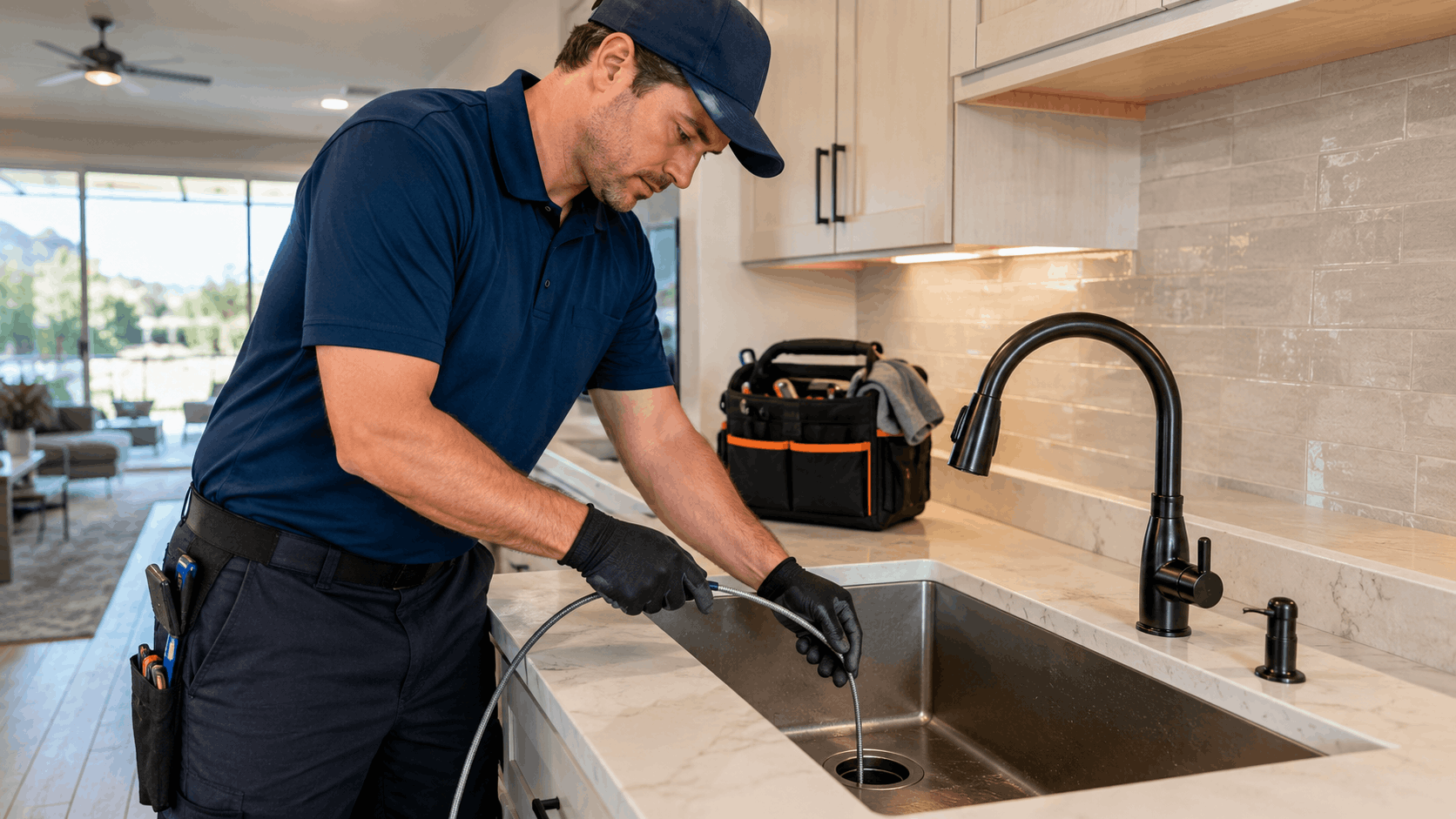
For a simple clog, cable snaking is often enough. A drain snake breaks through the blockage and restores flow quickly. It is a solid choice for a single clogged drain caused by hair or a small grease plug.
Hydro jetting goes further. It uses high-pressure water to scour the inside of the pipe clean, cutting through heavy grease, scale, and roots. For a main line or a badly coated pipe, jetting removes the buildup snaking leaves behind.
In newer Skye Canyon lines, jetting works well because the pipes are in good shape and can handle the pressure. It leaves the pipe closer to like-new than a snake can. Our hydro jetting and rooter service matches the method to the problem.
We pick the right tool for the job rather than defaulting to one. A camera look first tells us whether a snake or a jet makes more sense.
Need Help in Las Vegas?
Active Plumbing serves Las Vegas and all of Las Vegas Valley.
Water Pressure Problems Around the Community
Water pressure is a common source of confusion in Skye Canyon. Some homes fight high pressure that damages fixtures, while others deal with weak flow on the upper streets. Both trace back to the community's location and its plumbing hardware.
Getting pressure right protects the whole home. Too much or too little both cause real problems over time.
High Pressure and Its Damage
Incoming pressure on some Skye Canyon streets runs high, and anything above 80 psi is too much for a home. High water pressure hammers fixtures, wears out appliance valves, and stresses every joint in the system. It is a quiet source of leaks.
Faucets and toilet valves fail early under high pressure. Washing machine and dishwasher hoses take a beating too, and a burst hose can flood a laundry room fast. The damage is gradual, so many owners do not connect it to pressure.
In newer homes the fittings are modern but still rated for normal pressure. Push them past 80 psi day after day and they wear out ahead of schedule. Bringing pressure into the safe 50 to 70 psi range extends the life of everything.
Testing the psi at the hose bib is a quick way to know. If the number is high, a regulator adjustment or replacement fixes it.
Failing Pressure Regulators
Most Skye Canyon homes have a pressure reducing valve, or PRV, near the front of the house where the main line enters. This valve keeps incoming pressure at a safe level. When it wears out, pressure starts swinging and pipes get noisy.
A failing PRV often shows up as banging pipes, sudden pressure changes, or water that surges then drops. The rubber parts inside wear with age and hard water, and eventually the valve cannot hold a steady level. Most PRVs last around ten to fifteen years.
Because these homes are reaching the age where original valves start failing, we see more PRV replacement calls in the community now. Swapping a worn valve restores steady, safe pressure. It is a routine job that prevents bigger damage.
If pipes bang or pressure feels unpredictable, the regulator is the first thing we check. A new PRV usually solves it.
Low Pressure Causes in Higher Elevation Streets
On the upper streets near the foothills, low water pressure is the more common complaint. Elevation plays a part, since water must be pushed uphill against gravity. During busy hours those homes feel it first.
Inside the home, other causes add up. Mineral scale from the hard water narrows pipes and clogs aerators, and a partly closed valve at the meter or main can throttle flow without anyone realizing. A clogged valve is easy to miss.
Sometimes the fix is simple, like cleaning aerators and opening a valve fully. Other times scale has built up enough that a section of pipe needs attention. We trace the flow from the street inward to find the real choke point.
Pinning down whether the cause is elevation, scale, or a valve tells us how to fix it. Guessing rarely solves a low-pressure complaint for good.
Testing and Fixing Pressure Issues
We start every pressure job with a real test. A gauge on the hose bib gives the static pressure, and checking it at different times shows how much it swings. That number guides the whole repair.
If pressure is too high, we adjust or replace the PRV to bring it into the safe range. If it is too low, we track down the clog, valve, or scale causing the drop. Active Plumbing carries the parts to handle both on the spot.
We also check that a home has a working expansion tank where needed, since closed systems need one to absorb pressure spikes. Missing or waterlogged expansion tanks add to pressure trouble. It is an easy thing to overlook.
The goal is steady, safe pressure that protects the home. A proper pressure test and the right regulator get a family there.
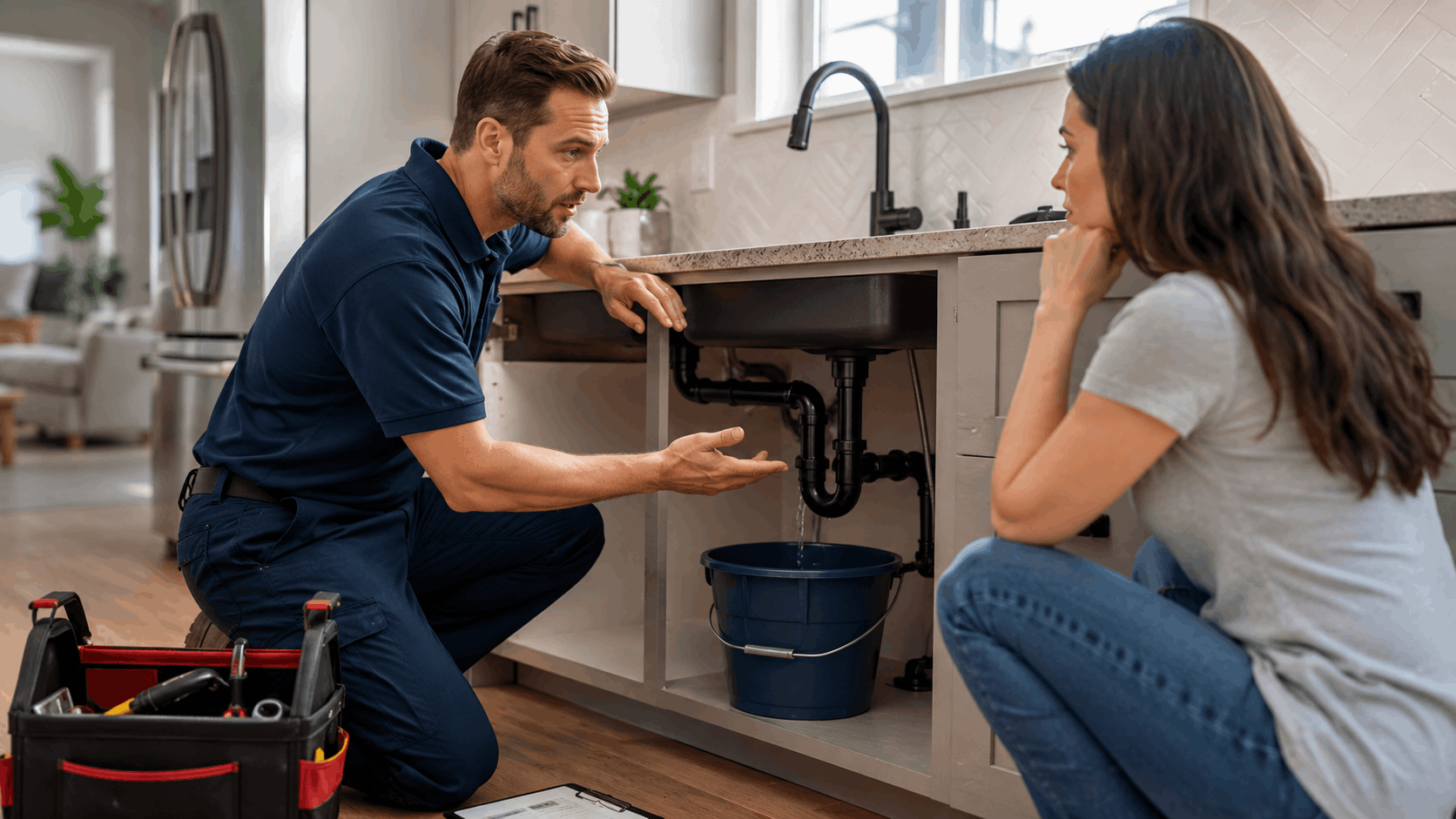
Outdoor and Irrigation Plumbing in the Desert
Skye Canyon's landscaping and irrigation face the full force of the desert. Between the heat, the sun, and the water district's conservation rules, outdoor plumbing needs regular attention. Small leaks out here waste a surprising amount of water.
These are the outdoor issues we handle most often in the community. Each one is easier to prevent than to repair after damage sets in.
Hose Bib and Outdoor Faucet Failures
Hose bibs take the brunt of the desert sun, especially on the south and west walls of a home. The heat cracks the plastic parts and dries out the washers inside, so an outdoor faucet that worked fine last year can start dripping. A hose bib leak often shows as a wet spot along the side yard.
Sun exposure also breaks down the handle and packing over time. A faucet that is hard to turn or weeps when off is telling you it needs service. Left alone, a slow drip runs up the water bill and can undermine the soil near the foundation.
We check hose bibs when servicing homes and replace worn units with frost-resistant models. Adding a simple cover or shade helps them last through the hot months. It is a cheap way to avoid a summer failure.
Walking the side yards a couple of times a year catches these early. A quick look for damp spots or drips saves water and money.
Irrigation Line Leaks and Water Waste
Buried irrigation lines are out of sight, so a leak can run for weeks before anyone notices. The first clue is often a spike in the water bill or an unusually green or soggy patch in the yard. In Skye Canyon's dry climate, that wasted water adds up fast.
The Southern Nevada Water Authority enforces watering rules and rebates tied to water conservation, so a hidden irrigation leak can cost more than just the water. The Southern Nevada Water Authority also offers guidance on efficient outdoor watering that pairs well with leak-free lines. Fixing leaks keeps a home in line with those programs.
Cracked fittings, broken sprinkler heads, and split poly line are the usual culprits. Desert heat and shifting soil work them loose over time. We trace the leak, dig only where needed, and repair the line.
Checking the irrigation system each spring before heavy watering season is smart. It catches winter damage before it wastes a summer of water.
Backflow Preventer Testing
A backflow preventer keeps irrigation and outdoor water from flowing back into the home's drinking supply. It is a safety device that protects clean water, and many properties in the valley are required to have one tested regularly. Backflow prevention is not optional on certain systems.
These devices can fail without warning, and a failed unit may let contaminated water reverse into the potable line. Annual backflow testing confirms the device still holds. Some HOA and water district rules require documented testing.
We test, repair, and replace backflow assemblies for Skye Canyon properties. If a device fails the test, we fix it and re-certify it. Keeping the paperwork current avoids penalties.
For homes with larger irrigation systems, this is a yearly item worth scheduling. It protects the family's drinking water and keeps the property compliant.
Preparing Outdoor Plumbing for Rare Cold Snaps
Skye Canyon sits higher than much of the valley, and winter nights near the foothills can dip to freezing. Exposed hose bibs and irrigation lines can burst when a hard freeze hits, even though it only happens a few nights a year. Freeze protection matters more here than lower parts of town.
Simple steps prevent the damage. Disconnect garden hoses before winter, since a connected hose traps water in the bib and lets it freeze and split the pipe. Insulated faucet covers cost a few dollars and save a repair.
Exposed pipe on north-facing walls deserves foam insulation. On the coldest nights, letting an outdoor faucet drip slightly keeps water moving so it cannot freeze solid. These small habits protect winter plumbing.
If a line does burst, shut off the water and call us right away. Our burst pipe repair team can stop the damage and get the water back on.
Choosing a Plumber Who Knows Skye Canyon
Not every plumber knows this community, and that knowledge shows in the work. A team that has been in these homes understands the builders, the water, and the HOA. Here is what to look for when choosing one.
| What to Check | Why It Matters in Skye Canyon |
|---|---|
| Local experience | Familiar with the floor plans and builders across the community |
| License and insurance | Protects the home and proves real training |
| Upfront pricing | No surprise charges after the work is done |
| Fast response | Reaches Skye Canyon quickly from nearby routes |
| HOA knowledge | Handles visible and exterior repairs the right way |
Local Experience With Master-Planned Homes
Master-planned homes share floor plans, and a plumber who has worked those plans knows where the pipes run before opening a wall. That saves time on every call. We have serviced many of the same builder floor plans across Skye Canyon.
Knowing the common builders means knowing their common weak points. If a certain builder used a fitting that tends to fail, we check it first. That kind of pattern knowledge only comes from working the community.
It also helps with sizing softeners and water heaters correctly, since we know how these homes are laid out. The garage loop, the slab routing, and the exterior walls follow familiar patterns. We plan the job around them.
Local experience turns a guessing game into a known process. It is the difference between a plumber who studies your home and one who already understands it.
Licensing, Insurance, and Fair Pricing
Always confirm a plumber is licensed and insured in Nevada. A license proves real training and code knowledge, and insurance protects the home if something goes wrong. The Nevada State Contractors Board lets homeowners verify a contractor's standing.
Upfront pricing is just as important. A good plumber quotes the cost before starting so there are no surprises when the bill arrives. Being licensed and insured plus honest on price is the baseline every homeowner deserves.
Watch for vague estimates or pressure to decide on the spot. Clear, written pricing lets a family make a calm decision. We put the numbers in front of homeowners before any work begins.
These credentials protect more than the wallet. They protect the home and the family living in it.
Fast Response Times Across Northwest Las Vegas
Plumbing emergencies do not wait, so response time counts. A local team can reach Skye Canyon quickly using US-95 and the Centennial Bowl interchange. Being based nearby in northwest Las Vegas means shorter drive times.
A burst pipe or sewage backup gets worse by the minute. Fast response limits the water damage and the cleanup. We route our trucks to reach the community fast when a call comes in.
Distance matters for scheduled work too. Homeowners in Skye Canyon get quicker appointment windows from a team that already serves the northwest side. We are not driving across the whole valley to get there.
When water is spreading, minutes matter. Choosing a plumber who is close by pays off in an emergency.
How Active Plumbing Serves the Community
Active Plumbing works throughout Skye Canyon and the surrounding northwest neighborhoods, from Elkhorn to the streets near Skye Canyon Park. We handle water treatment, water heaters, slab leaks, drains, pressure, and outdoor plumbing for these homes. Our Skye Canyon services cover the full range of what the community needs.
We know the HOA expectations and plan repairs so exterior and visible work meets community guidelines. That saves homeowners from redoing a job that did not match the rules. It is part of knowing the neighborhood.
Because we service these homes regularly, we recognize the patterns and fix the root cause, not just the symptom. Whether it is a softener install in the garage or a slab leak under the tile, we bring local know-how to every job. You can reach us any time through our contact page.
From routine maintenance to a middle-of-the-night emergency, our team is close and ready. Skye Canyon families have a plumber who knows their community well.

Need Help in Las Vegas?
Active Plumbing serves Las Vegas and all of Las Vegas Valley.
Final Thoughts
Skye Canyon's newer homes look sharp, but they still face real plumbing challenges. Hard water, desert heat, slab foundations, and higher elevation all shape the problems families here deal with. Knowing those patterns helps you catch trouble early.
The best protection is regular care and a plumber who understands this community. Flush the water heater, treat the hard water, watch for slab leak signs, and keep an eye on pressure and outdoor lines. Small steps prevent big repairs.
When you need help, our team is right here in northwest Las Vegas and ready to respond. Call Active Plumbing or reach out through our website for a consultation, and let us keep your Skye Canyon home running clean and dry.
Frequently Asked Questions
Why is the water so hard in Skye Canyon?
Most local water comes from the Colorado River through Lake Mead, which carries a heavy load of calcium and magnesium. Hard water Las Vegas readings often land between 16 and 20 grains per gallon, well past the point where scale forms. That mineral content coats pipes, clogs fixtures, and shortens the life of water heaters in Skye Canyon homes unless the water is treated at the source.
How much does a water softener cost in Skye Canyon?
A quality water softener installed usually runs between about 1,500 and 3,500 dollars, depending on the type and size. Salt-based systems, salt-free conditioners, and whole-home filtration all sit at different price points. Water softener cost also depends on your home's size, the grain count of the water, and whether extra filtration is added. We size the system to your household and give an upfront quote before any work starts.
How long do water heaters last with this water?
In Skye Canyon's hard water, a tank water heater often lasts six to ten years, shorter than the twelve-year rating many carry. Sediment buildup and worn anode rods cut that lifespan. With yearly flushing and anode checks, you can stretch the water heater lifespan closer to or past the rated years. Tankless units last longer but need descaling to fight the same mineral scale.
What are the signs of a slab leak?
Common slab leak signs include a warm spot on the floor, an unexplained jump in the water bill, and the sound of running water when everything is off. You might also notice low water pressure, damp or cracking flooring, or a musty smell. Any one of these is worth checking. Our electronic leak detection pinpoints the leak without tearing up the floor, so the repair stays small.
Why are my pipes making noise?
Noisy pipes usually come from pressure problems. Banging or hammering often means water hammer, where fast-closing valves send a shock through the lines. A failing pressure reducing valve can also cause knocking and pressure swings. High pressure above 80 psi makes pipes rattle and stresses joints. Testing the pressure and checking the regulator tells us which fix your Skye Canyon home needs.
Do newer Skye Canyon homes still have plumbing problems?
Yes. New construction plumbing is not immune to trouble, especially in homes built fast during a boom. Rushed rough-ins, builder-grade fixtures, and cheap connectors all fail early. Add the hard water, desert heat, and pressure swings in this community, and even a home built after 2015 can develop leaks, slab issues, and water heater problems. A simple inspection catches builder oversights while they are still cheap to fix.
How often should drains be cleaned?
For most Skye Canyon homes, a professional drain cleaning every one to two years keeps lines flowing and prevents backups. Homes with heavy cooking, large families, or a history of clogs may want yearly service. A recommended drain cleaning schedule also includes simple habits like using hair catchers and keeping grease out of the sink. A camera inspection every few years catches main line issues early.
Does the HOA affect plumbing repairs?
It can, especially for anything visible from the street or a neighbor's yard. HOA plumbing rules in Skye Canyon may govern water heater vents, tankless unit placement, exterior fixtures, and irrigation work in front yards or common areas. A repair might need a certain finish or approved location. We plan jobs so the finished work meets both the plumbing standard and the community guidelines.
How fast can a plumber reach Skye Canyon?
A local team based in northwest Las Vegas can usually reach Skye Canyon quickly by taking US-95 and the Centennial Bowl interchange. For emergencies, fast plumber response time limits water damage and cleanup. Because we serve the northwest side regularly, we route trucks to the community fast and offer quicker appointment windows than a plumber driving across the whole valley.
What should I do in a plumbing emergency?
First, shut off the water. For a single fixture, use its angle stop; for a bigger problem, close the main water shutoff, usually near the front of the home. Turn off the water heater if the water supply is cut. Then call us right away. Quick action during a plumbing emergency limits the damage while our team heads to your Skye Canyon home to make the repair.
Frequently Asked Questions
- Why is the water so hard in Skye Canyon?
- Most local water comes from the Colorado River through Lake Mead, which carries a heavy load of calcium and magnesium. Hard water Las Vegas readings often land between 16 and 20 grains per gallon, well past the point where scale forms. That mineral content coats pipes, clogs fixtures, and shortens the life of water heaters in Skye Canyon homes unless the water is treated at the source.
- How much does a water softener cost in Skye Canyon?
- A quality water softener installed usually runs between about 1,500 and 3,500 dollars, depending on the type and size. Salt-based systems, salt-free conditioners, and whole-home filtration all sit at different price points. Water softener cost also depends on your home's size, the grain count of the water, and whether extra filtration is added. We size the system to your household and give an upfront quote before any work starts.
- How long do water heaters last with this water?
- In Skye Canyon's hard water, a tank water heater often lasts six to ten years, shorter than the twelve-year rating many carry. Sediment buildup and worn anode rods cut that lifespan. With yearly flushing and anode checks, you can stretch the water heater lifespan closer to or past the rated years. Tankless units last longer but need descaling to fight the same mineral scale.
- What are the signs of a slab leak?
- Common slab leak signs include a warm spot on the floor, an unexplained jump in the water bill, and the sound of running water when everything is off. You might also notice low water pressure, damp or cracking flooring, or a musty smell. Any one of these is worth checking. Our electronic leak detection pinpoints the leak without tearing up the floor, so the repair stays small.
- Why are my pipes making noise?
- Noisy pipes usually come from pressure problems. Banging or hammering often means water hammer, where fast-closing valves send a shock through the lines. A failing pressure reducing valve can also cause knocking and pressure swings. High pressure above 80 psi makes pipes rattle and stresses joints. Testing the pressure and checking the regulator tells us which fix your Skye Canyon home needs.
- Do newer Skye Canyon homes still have plumbing problems?
- Yes. New construction plumbing is not immune to trouble, especially in homes built fast during a boom. Rushed rough-ins, builder-grade fixtures, and cheap connectors all fail early. Add the hard water, desert heat, and pressure swings in this community, and even a home built after 2015 can develop leaks, slab issues, and water heater problems. A simple inspection catches builder oversights while they are still cheap to fix.
- How often should drains be cleaned?
- For most Skye Canyon homes, a professional drain cleaning every one to two years keeps lines flowing and prevents backups. Homes with heavy cooking, large families, or a history of clogs may want yearly service. A recommended drain cleaning schedule also includes simple habits like using hair catchers and keeping grease out of the sink. A camera inspection every few years catches main line issues early.
- Does the HOA affect plumbing repairs?
- It can, especially for anything visible from the street or a neighbor's yard. HOA plumbing rules in Skye Canyon may govern water heater vents, tankless unit placement, exterior fixtures, and irrigation work in front yards or common areas. A repair might need a certain finish or approved location. We plan jobs so the finished work meets both the plumbing standard and the community guidelines.
- How fast can a plumber reach Skye Canyon?
- A local team based in northwest Las Vegas can usually reach Skye Canyon quickly by taking US-95 and the Centennial Bowl interchange. For emergencies, fast plumber response time limits water damage and cleanup. Because we serve the northwest side regularly, we route trucks to the community fast and offer quicker appointment windows than a plumber driving across the whole valley.
- What should I do in a plumbing emergency?
- First, shut off the water. For a single fixture, use its angle stop; for a bigger problem, close the main water shutoff, usually near the front of the home. Turn off the water heater if the water supply is cut. Then call us right away. Quick action during a plumbing emergency limits the damage while our team heads to your Skye Canyon home to make the repair.
A
Licensed plumbing professionals serving Las Vegas and Las Vegas Valley.
Licensed in Nevada · License #0047021
Last updated on
Why trust Active Plumbing?
Founded in 1991, Active Plumbing is a licensed and insured plumber serving Las Vegas and Las Vegas Valley. All content is reviewed by our licensed technicians.

Need Help in Las Vegas?
Active Plumbing serves Las Vegas and all of Las Vegas Valley.
Related Articles
Tips & Advice
MacDonald Highlands Plumber: Custom Estate Plumbing Service
A complete guide to custom estate plumbing in MacDonald Highlands, covering common issues, services, costs, emergency response, and why luxury homeowners choose Active Plumbing.
Tips & Advice
Mountain's Edge Plumber: New Construction Warranty Plumbing Issues
New Mountain's Edge homes can still have plumbing problems. Learn common defects, how builder warranties work, and when to call a local Las Vegas plumber.
Tips & Advice
Peccole Ranch Plumber: 1990s Home Common Pipe Issues
A local plumber's guide to common pipe issues in 1990s Peccole Ranch homes, from polybutylene and copper leaks to slab leaks, sewer roots, and water pressure problems.