Safety & Prevention
Emergency Plumber in Green Valley and Seven Hills: High-Pressure Blowouts on Regulators
Key Takeaways
- A pressure regulator drops high city water pressure to a safe 50 to 70 PSI range for your home.
- Green Valley and Seven Hills homes see more failures due to high incoming pressure, hillside elevation, hard water, and aging original valves.
- Warning signs include banging pipes, swinging pressure, running toilets, and fixture leaks across the home.
- When a regulator blows, shut off the main, cut power near water, document damage, and call for emergency help.
- Standard replacement runs $300 to $600, while after-hours emergency calls range $450 to $850.
- An expansion tank and correct pressure setting protect a new regulator and the water heater from thermal stress.
- Regulators last 10 to 15 years, often less in the valley, so proactive replacement beats a sudden blowout.
- Active Plumbing offers 24/7 emergency service with fast response across Henderson and Las Vegas.
In This Article
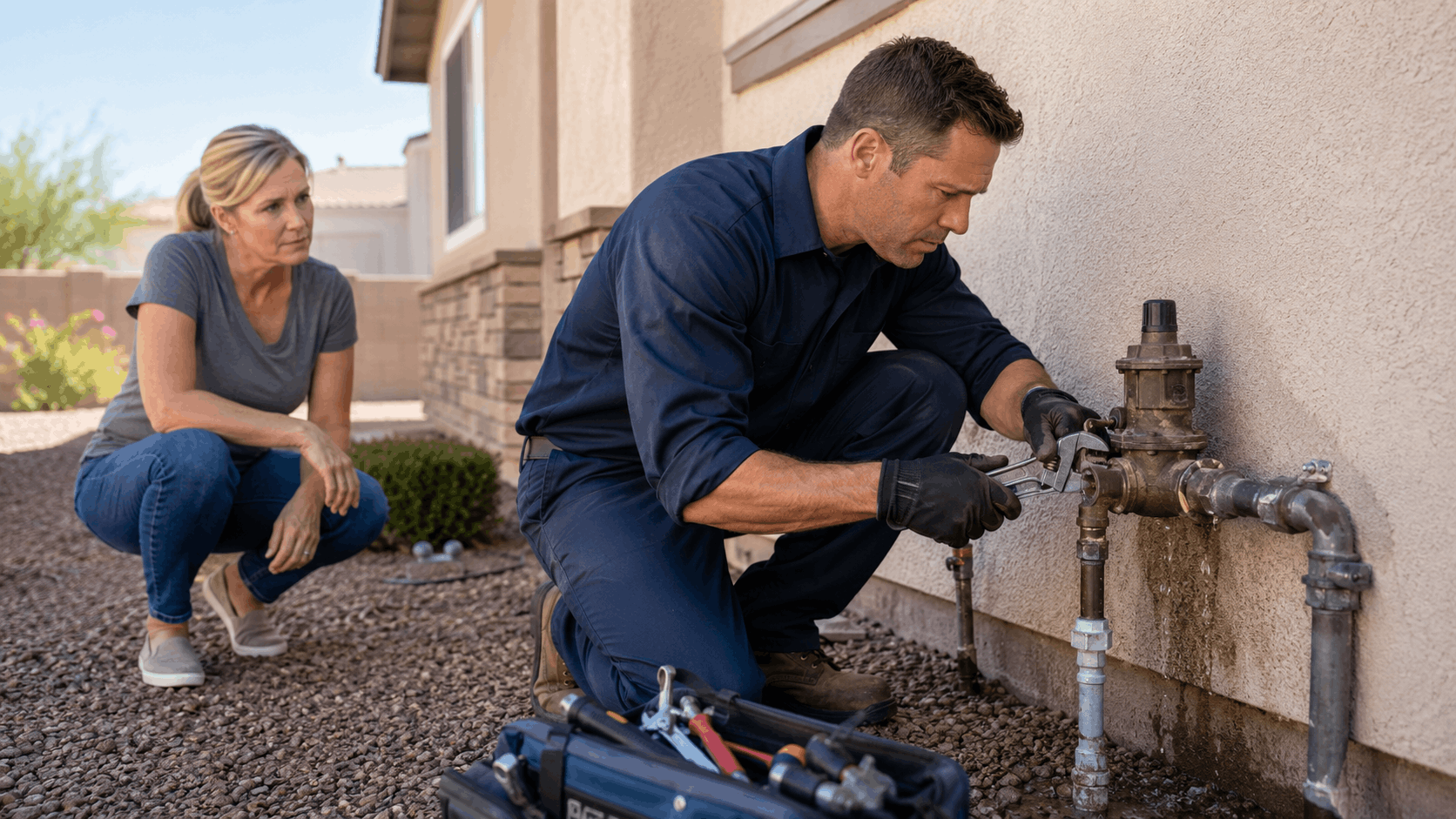
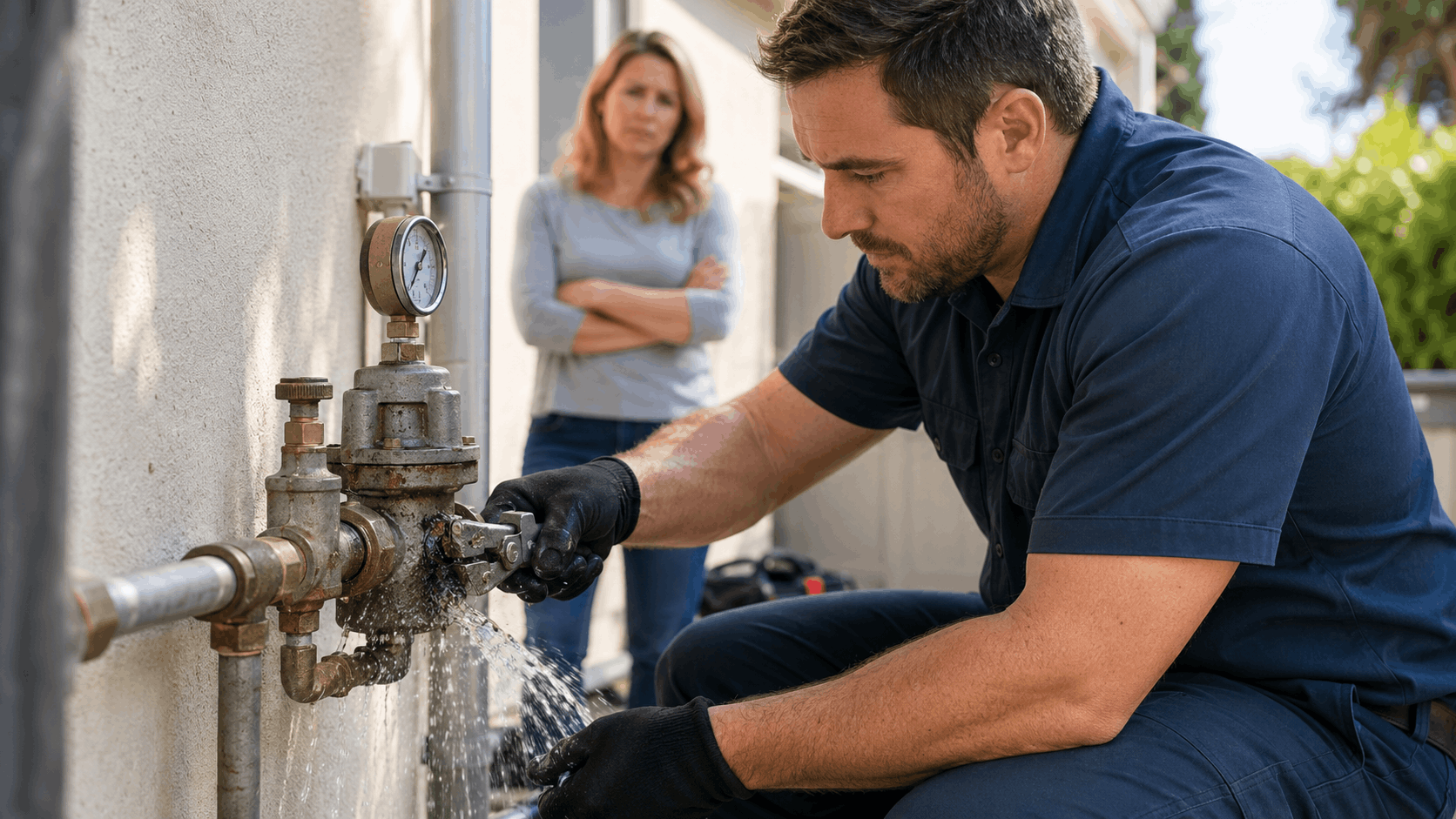
A Green Valley homeowner is finishing dinner when a loud bang echoes through the garage. Moments later, water sprays across the wall near the water heater. The pressure regulator, quiet and forgotten for years, just gave out. Within seconds, the floor is soaked and the panic sets in.
This scenario plays out more often than most people expect across Henderson and the Las Vegas valley. High incoming pressure, aging valves, and hard water combine to push regulators past their limits. When one fails suddenly, it can flood a garage in minutes and stress every fixture in the home.
What a High-Pressure Blowout on a Regulator Really Means?
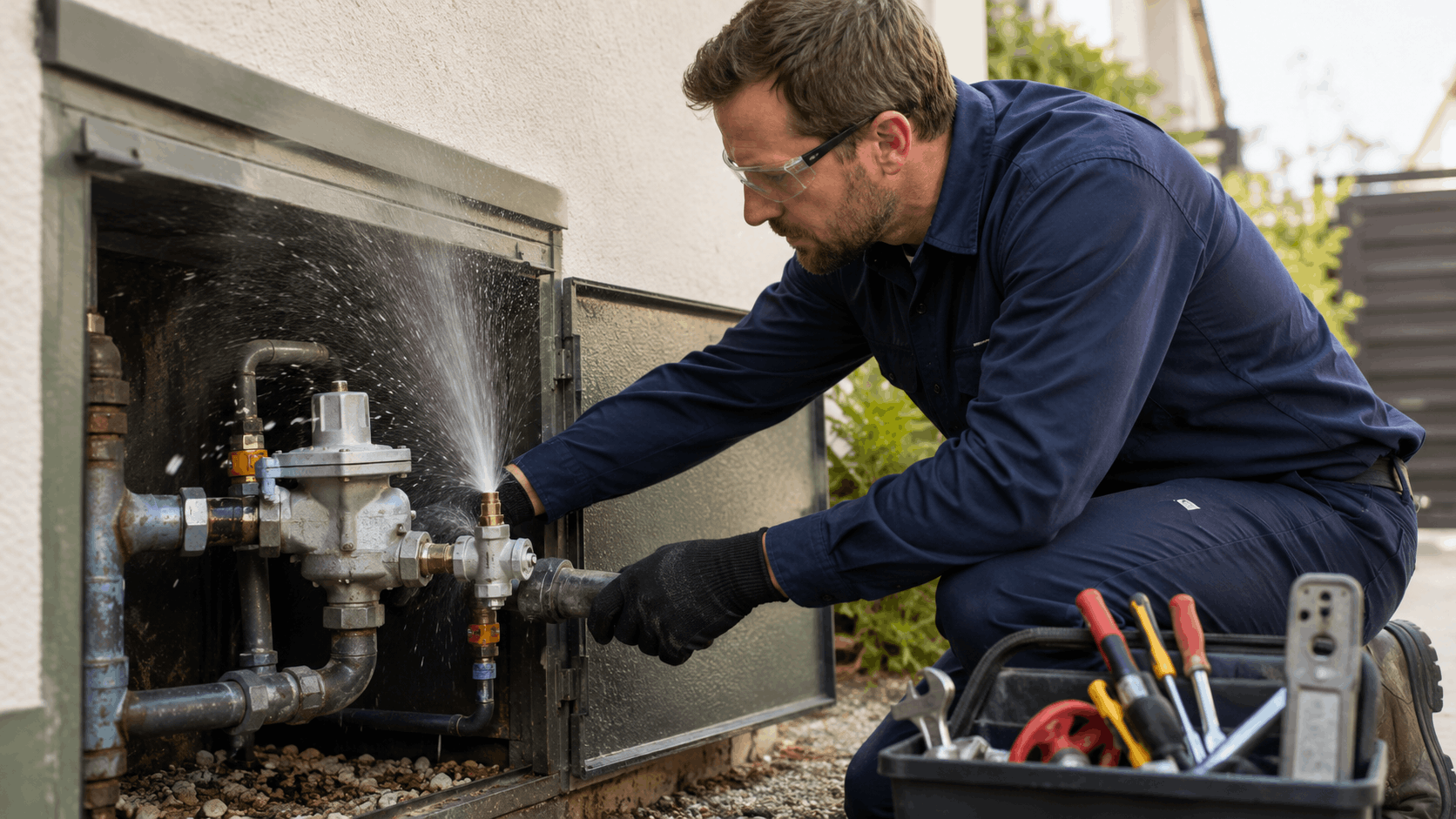
A pressure regulator sits between the city water main and your home's plumbing. Its job is to knock down the high pressure coming in from the street to a safe level your pipes and fixtures can handle. When it blows out, that protection disappears and water escapes fast.
Here is what a blowout typically looks like:
- A sudden bang or pop near the main line or garage wall
- Water spraying or gushing rather than dripping
- A jump in pressure at faucets right before the failure
- Wet drywall, soaked garage floors, or flooded landscaping
How a Pressure Reducing Valve Works
A pressure reducing valve, or PRV, is a bell-shaped brass fitting installed near where the water main enters your property. In most Green Valley and Seven Hills homes, it sits in the garage, in a wall box outside, or near the front hose bib. Water from the street pushes through it, and an internal spring and diaphragm reduce that force before it reaches your pipes.
City water pressure can run high, sometimes well above 100 PSI at the street. Homes are built to handle 50 to 70 PSI, so the PRV brings that number down to a safe range. Without it, every faucet, toilet, and appliance in the house would take the full brunt of the water main.
The valve does this work quietly for years, which is why homeowners forget it exists. Most people never think about their PRV until the day it stops doing its job. That is usually the day water is spraying across the floor.
Because the PRV controls water pressure for the entire home, its condition affects everything downstream. A healthy valve protects your plumbing. A failing one puts the whole system at risk.
Why Regulators Suddenly Blow Out
The most common cause of a blowout is diaphragm failure. Inside the valve, a rubber diaphragm flexes constantly to control flow. Over years of use, it hardens, cracks, or tears, and once it fails the valve can no longer hold pressure back.
Sediment buildup is another big factor in the valley. Mineral-heavy water leaves deposits on the valve seat and spring, causing them to stick or wear unevenly. When the internal parts cannot move freely, pressure builds until something gives.
Thermal expansion from the water heater adds even more stress. As water heats, it expands and pushes back toward the regulator. Without an expansion tank to absorb that force, the added pressure hammers the valve from the inside and shortens its life.
Age ties all of these together. A regulator that is 12 to 15 years old has been fighting high pressure and hard water for a long time. At that point, the failure is often just a matter of when, not if.
Blowout Versus a Slow Leak
A slow leak and a burst valve are two very different problems. A slow leak might show up as a small drip at the valve body, a damp spot on the garage floor, or a faint hiss you barely notice. It gives you time to schedule a repair without panic.
A blowout is dramatic and immediate. You hear it, you see water spraying, and the volume of water is far greater than a drip. This is a true emergency because the damage adds up by the minute.
Telling the two apart helps you gauge urgency. If water is pooling slowly and you can still use the home, you likely have time. If water is spraying or gushing, you need to shut off the main right away and call for help.
Either way, a leaking or burst valve should not be ignored. A slow leak today often becomes a full failure later, especially with the pressure and water conditions in this part of Henderson.
The Water Damage That Follows
A failed regulator under full city pressure can release several gallons per minute. In ten minutes, that adds up to enough water to soak a garage, seep into walls, and run out toward the driveway or yard. The longer it runs, the worse the flooding.
Garages take the hardest hit because that is where many valves and water heaters sit. Boxes, tools, and stored belongings get soaked, and drywall wicks moisture upward. Left long enough, that moisture invites mold behind the walls.
Landscaping and hardscape can also suffer. Water pooling against a foundation or eroding a flower bed creates problems that outlast the plumbing repair itself. In Seven Hills, where many homes sit on graded hillside lots, runoff can travel fast.
This is why speed matters so much. Every minute the water runs, the cleanup and repair bill climbs. Our emergency plumbing team treats these calls as top priority for exactly that reason.
Get Your Quote
Tell us what's going on and we'll get back to you fast.
Why Green Valley and Seven Hills Homes See These Failures
Regulator blowouts are not random. They cluster in specific neighborhoods for reasons tied to the local water supply, elevation, and the age of the homes. Green Valley and Seven Hills check several of those boxes.
Here is what makes these communities prone to regulator trouble:
- High incoming pressure from the regional water system
- Older original valves in established tracts
- Hillside elevation that pushes street pressure up
- Hard water that wears valve parts faster
High City Pressure From the Water District
Water in Henderson comes through the regional system fed by the Las Vegas Valley Water District and local Henderson utilities. To serve homes at many different elevations, the system has to push water at high pressure so it reaches the highest points.
That means homes lower on the grade often receive very high pressure at the street. It is not unusual to measure incoming pressure above 100 PSI in parts of the valley. Your PRV is the only thing standing between that pressure and your fixtures.
The higher the incoming pressure, the harder your regulator works every single day. A valve fighting 110 PSI wears out faster than one handling 70. Over years, that constant strain leads to the failures we see.
This is why we recommend homeowners in these areas know their incoming pressure. It explains a lot about why regulators here do not last as long as they might in a lower-pressure region.
Older Regulators in Established Green Valley Neighborhoods
Green Valley is one of Henderson's older master-planned areas, with many tracts built decades ago. Homes near Green Valley Parkway and the surrounding established neighborhoods often still run on their original regulators. Those valves are well past their expected lifespan.
When a valve is 20 or more years old, the internal diaphragm and spring have simply worn out. We often find valves so old the brand markings have corroded off. These are the ones most likely to fail without warning.
Aging plumbing throughout these homes compounds the problem. Old shutoff valves, brittle supply lines, and dated fittings all add risk when a regulator finally goes. A blowout in an older home can stress the surrounding pipes too.
If you live in an established Green Valley tract and have never replaced your regulator, it is likely original. Getting it checked before it fails saves a lot of grief. We cover these neighborhoods regularly and know the common valve setups here.
Elevation and Hillside Pressure in Seven Hills
Seven Hills sits on elevated terrain, with many homes built into the hillside near Seven Hills Drive and the golf community. Elevation changes have a direct effect on water pressure at street level. Homes lower on the slope can see notably higher pressure than those up top.
To push water uphill to the highest lots, the system maintains strong pressure across the area. Homes near the base of the grade receive the strongest push. That extra force lands squarely on the pressure regulator.
We have replaced valves in Seven Hills where incoming pressure measured well above the safe range. Homeowners there are often surprised how high their street pressure runs. It is a direct result of serving a hillside community.
If your home sits lower on a Seven Hills slope, your regulator is doing extra duty. Keeping it in good shape matters even more in this kind of terrain. Our team knows the layout of these hillside streets and the pressure challenges that come with them.
Hard Water and Sediment in the Valley
Las Vegas water is famously hard, loaded with calcium and other minerals. That mineral content is rough on plumbing across the entire valley. Regulators are no exception.
Mineral buildup coats the valve seat and internal parts over time. As deposits accumulate, moving parts stick and wear unevenly. A valve that cannot flex smoothly is a valve headed for failure.
Hard water also speeds up corrosion at fittings and connections around the regulator. That makes both the failure and the repair more complicated. Corroded fittings can turn a quick swap into a longer job.
Many homeowners address hard water with a water softener installation to protect their whole system. Softer water is easier on regulators, fixtures, and the water heater alike. It is one of the better long-term protections in this region.
Need Help in Las Vegas?
Active Plumbing serves Las Vegas and all of Las Vegas Valley.
Warning Signs Before a Regulator Blows
Most regulators give hints before they fail completely. If you catch the warning signs early, you can schedule a calm repair instead of dealing with an emergency flood. Here is what to watch and listen for.
Common regulator failure symptoms include:
- Banging or knocking pipes when water shuts off
- Pressure that spikes and drops without reason
- Toilets that run and fixtures that leak more often
- Unusually forceful water at faucets and showers
Banging Pipes and Water Hammer
A knocking or banging sound in the walls when you shut off a faucet is called water hammer. It happens when pressure surges have nowhere to go and slam against the pipes. A struggling regulator often makes this worse.
Homeowners describe it as a thud behind the wall or a rattle when the washing machine cycles. It can be occasional at first, then more frequent as the valve weakens. That change is a signal worth acting on.
Banging pipes are not just annoying. The repeated shock stresses joints and fittings, which can lead to leaks down the line. Ignoring it lets a small problem grow into a bigger one.
If your pipes have started banging where they never did before, have the pressure checked. It is often the first clue that a regulator is on its way out. Catching it here can prevent a blowout later.
Sudden Spikes and Drops in Pressure
Pressure fluctuation is another clear warning. If your shower goes from strong to weak for no reason, or a faucet surges when you turn it on, the regulator may be failing to hold a steady level. A healthy valve keeps pressure consistent.
You might notice it most in the morning or evening when neighborhood demand shifts. A good regulator smooths those changes out. A failing one lets them reach your fixtures directly.
These swings put stress on faucet cartridges and appliance valves. Over time they wear out faster and start to leak. What looks like a faucet problem can trace back to the regulator.
When pressure feels unpredictable throughout the house, the valve is the first thing to check. It is a system-wide symptom, not a single-fixture one. That pattern points straight at the regulator.
Leaking Fixtures and Running Toilets
High pressure is hard on every fixture in the home. Toilet fill valves are especially sensitive, so a running toilet that will not stop can point to excess pressure. When several toilets act up at once, suspect the regulator.
Faucet cartridges also suffer under high pressure. Drips that keep coming back after repairs often mean the underlying pressure is too high. You can replace the cartridge, but the drip returns until the pressure is fixed.
Fixture leaks that spread from room to room are a telling sign. One leaky faucet might be a worn part. Several leaks across the home usually mean a system-wide pressure problem.
If you have been chasing small leaks all over the house, stop and check the pressure first. Fixing the regulator often solves several problems at once. Our pipe and fixture services address both the valve and the fixtures it affects.
How to Test Pressure With a Gauge
You can check your own pressure with an inexpensive gauge from any hardware store. Thread it onto an outdoor hose bib, ideally one closest to where the water main enters. Make sure other water is off in the house for an accurate reading.
Turn the hose bib fully on and read the PSI on the dial. A safe home reading falls between 50 and 70 PSI. If your gauge shows 80 PSI or higher, your pressure is too high and your regulator needs attention.
Take the reading a couple of times through the day if you can. Pressure can vary with neighborhood demand, and a valve that reads high in the morning tells the same story as one high at night. Note the highest number you see.
If your PSI reading runs above the safe range, or bounces around a lot, call for a professional check. A gauge tells you there is a problem, and a plumber can tell you why. It is a quick, cheap test that can save you from a blowout.
What to Do the Moment a Blowout Happens
When a regulator blows and water is spraying, the first few minutes matter most. Staying calm and following a clear order of steps limits the damage. Here is exactly what to do.
Find and Turn Off the Main Shutoff
Your first move is to shut off the water at the main valve. In most Green Valley and Seven Hills homes, the main shutoff sits in the garage near the water heater, in an exterior wall box, or in a ground box near the front of the property. Look close to where the regulator itself is mounted.
To close it, turn the handle or lever clockwise until it stops. A round handle may need several full turns, while a lever only needs a quarter turn. Once it is closed, the spraying should slow and stop.
It helps to know where your main shutoff is before an emergency ever happens. Walk out and find it today so you are not searching while water sprays. Show other members of the household too.
If the valve is stuck or corroded and will not turn, do not force it to the point of breaking it. Move on to protect what you can and call for help right away. A seized main valve is common in older homes here.
Cut Power Near the Water
Water and electricity are a dangerous mix. If water has reached outlets, appliances, or the water heater area, shut off power to that part of the house at the breaker panel. Do this only if you can reach the panel without standing in water.
Turn off the breaker to the water heater as well, especially an electric unit. Running a water heater that has lost its water supply can damage it. Cutting power protects both you and the appliance.
Do not touch electrical devices that are wet or standing in water. If the flooding is severe and you are unsure it is safe, stay clear and wait for professionals. Your safety comes before any belongings.
Once power is off in the affected area, you can move more freely to limit damage. Electrical safety first, cleanup second. That order keeps a bad day from becoming a dangerous one.
Protect Belongings and Document Damage
With the water off, start moving items out of the wet area. Lift boxes, electronics, and anything valuable off the floor. Getting belongings out of standing water reduces the loss.
Before you clean everything up, take photos and video of the damage. Capture the failed valve, the water on the floor, and any soaked walls or items. This documentation matters for an insurance claim later.
Then begin water cleanup by mopping, toweling, or using a wet vacuum. Move air toward the wet area with fans to help it dry. The faster the area dries, the lower the risk of mold.
Keep any records of what was damaged and any receipts for cleanup supplies. Insurance adjusters want proof, and good documentation speeds up your claim. A few minutes of photos can save you a lot later.
Call for Emergency Plumbing Help
With the water shut off and the area protected, call an emergency plumber. When you reach our team, have a few details ready so we arrive prepared. Tell us your neighborhood, whether the main is off, and what you are seeing.
Let us know the approximate age of the home and where the valve is located if you can. This helps us bring the right parts and plan the fastest route. The more we know, the quicker the repair goes.
Our burst pipe and valve repair crews handle these calls around the clock. A blown regulator does not wait for business hours, and neither do we. You can reach us any time a failure hits.
Do not wait until morning if water is escaping. Even with the main off, the sooner the valve is replaced, the sooner your home is back to normal. Call for 24/7 service the moment you have the situation contained.
How Active Plumbing Handles Regulator Emergencies
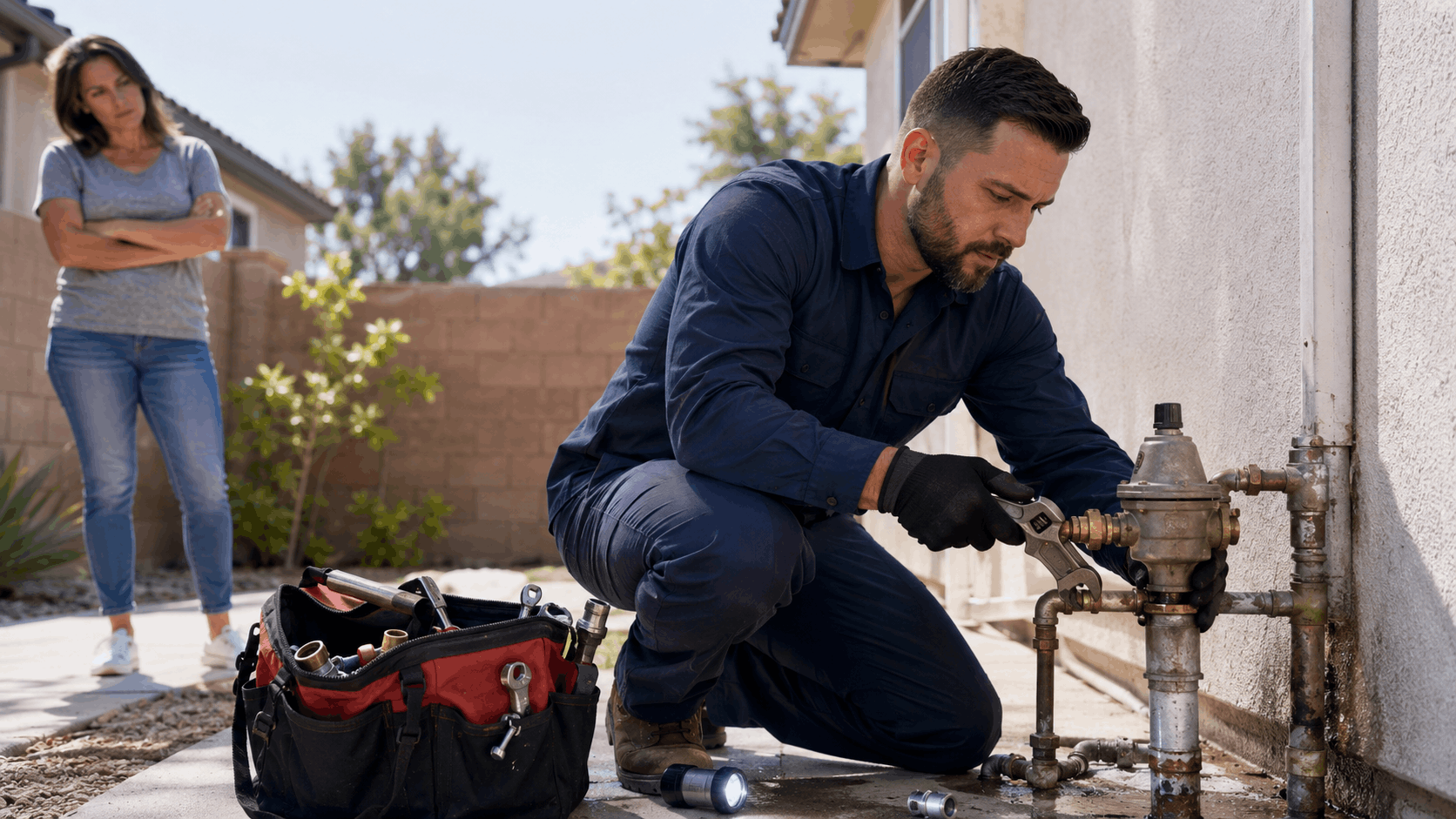
When you call us with a blown regulator, we move fast and work methodically. Our goal is to stop the emergency, replace the failed part, and check for any damage it caused. Here is how that process runs from call to finish.
Our regulator emergency response covers:
- Rapid dispatch to Henderson and Las Vegas neighborhoods
- On-site diagnosis of the failed valve and pressure
- Proper regulator replacement set to a safe PSI
- A check of related fixtures and the water heater
Fast Response Across Henderson and Las Vegas
We serve Henderson and the greater Las Vegas valley, so we know the fastest routes to Green Valley and Seven Hills. From the main corridors like Green Valley Parkway and the I-215 beltway, our crews reach most homes in these areas quickly. That local knowledge cuts the wait.
For a true blowout, we prioritize the call and dispatch the nearest available technician. Typical arrival times to Green Valley and Seven Hills run short compared to companies coming from across town. Every minute we save is water damage avoided.
We also cover nearby communities like Whitney Ranch and Lake Las Vegas, so our trucks are often already in the area. Being close means we can respond fast when a regulator fails. You are not waiting on a crew from the other side of the valley.
When you call, we give you a realistic arrival window and keep you updated. No vague promises, just honest timing. That way you know exactly when help is coming.
Diagnosing the Failed Valve On Site
Once on site, our first step is a pressure test. We measure the incoming pressure from the water main to see exactly what your regulator was fighting. That number tells us a lot about why it failed.
Next we inspect the valve itself. We look at the body, the fittings, and any signs of corrosion or diaphragm failure. Often the valve is clearly done, but the test confirms it and rules out other causes.
We also check downstream for damage. High pressure or the failure event can stress nearby fittings and connections, so we look before we finish. Catching a weakened joint now prevents a second call later.
This diagnosis takes only a few minutes but guides the whole repair. It confirms the valve is the problem and shows us what pressure the new one must handle. Good diagnosis makes for a clean, lasting fix.
Replacing the Pressure Regulator
Replacing a regulator means removing the old valve and installing a new one rated for your incoming pressure. We use quality brass valves from trusted brands built to last in hard-water conditions. Cheap valves fail fast here, so we do not use them.
After installation, we set the new regulator to a safe PSI, usually in the 55 to 65 range for most homes. We adjust it while watching the gauge to dial it in precisely. That setting protects your fixtures and appliances.
If the surrounding fittings are corroded, we replace those too rather than reuse worn parts. It costs a little more but avoids a repeat failure. Doing it right the first time saves you money over the long run.
Once the new valve is set, we test the whole system. We confirm steady pressure at the fixtures and check for any leaks at the new connections. You end up with a valve that will quietly do its job for years.
Checking for Related Damage
A regulator failure rarely happens in isolation, so we check what the high pressure may have stressed. The water heater is first on the list, since thermal expansion and pressure surges are hard on the tank and its valves. A water heater check often catches problems early.
We also look at the expansion tank, if one is installed. A waterlogged or failed expansion tank cannot absorb thermal pressure, which puts strain back on the regulator. Replacing it protects your new valve.
Fixtures throughout the home get a quick look too. Toilets, faucets, and supply lines that took high pressure may show early signs of wear. We flag anything that needs attention.
This full check makes sure the blowout was the whole problem, not just the loudest part. Fixing the valve and ignoring a damaged expansion tank would only lead to another failure. We look at the complete picture.
Need Help in Las Vegas?
Active Plumbing serves Las Vegas and all of Las Vegas Valley.
Cost and Timing of Regulator Repairs in the Area
Cost is one of the first questions homeowners ask, and honest ranges help you plan. Prices vary with the situation, but here are realistic numbers for the Las Vegas market. This gives you a starting point for budgeting.
| Service | Typical Range | Notes |
|---|---|---|
| Standard regulator replacement | $300 - $600 | Parts and labor, business hours |
| Emergency after-hours call | $450 - $850 | Night, weekend, or holiday |
| Replacement with corroded fittings | $500 - $900+ | Extra parts and labor |
| Added expansion tank | $250 - $500 | Often paired with valve swap |
Typical Price Ranges for Replacement
A standard regulator replacement during business hours generally runs between $300 and $600 in the Las Vegas area. That covers the valve itself, the labor to install it, and setting the correct pressure. The exact number depends on the valve and the home.
The replacement cost includes a quality brass valve, not a bargain part. Better valves cost more up front but last far longer in our hard water. Paying a bit more here avoids paying again in a few years.
Labor is a fair share of the total. The work involves shutting down the water, removing the old valve, fitting the new one, and testing the system. An experienced technician does this cleanly and quickly.
If your home needs additional work, like new fittings or an expansion tank, the total rises accordingly. We give you a clear quote before starting so there are no surprises. You approve the price before we do the work.
Emergency After-Hours Rates
After-hours calls cost more than scheduled work, and that is true across the industry. A night, weekend, or holiday emergency typically runs between $450 and $850 depending on the job. The premium reflects the immediate response.
The emergency rate pays for having a crew ready around the clock. When water is spraying, waiting until Monday is not an option. Fast response prevents thousands in water damage, which makes the extra cost worthwhile.
We are upfront about after-hours pricing when you call. You will know the rate before we arrive, not after. Honest pricing during a stressful moment is something we hold ourselves to.
Weigh the emergency rate against the cost of flooding. A few hundred dollars for a fast repair beats a soaked garage, damaged drywall, and a mold problem. In most cases, calling right away is the cheaper path.
How Long the Repair Takes
A standard regulator swap usually takes about one to two hours from start to finish. That includes shutting off water, replacing the valve, setting the pressure, and testing the system. Most homeowners are back to normal the same visit.
Jobs with corroded fittings take longer. When old connections crumble or need cutting out, the installation can stretch to three hours or more. Hard water and older homes make this more common in Green Valley.
If we find related damage, like a failed expansion tank, that adds time as well. We handle it in the same visit whenever possible to save you a second appointment. Doing it all at once is more convenient for you.
We give you a realistic time estimate once we see the setup. You will know roughly how long to plan for. No one likes an open-ended repair, so we keep you informed.
What Affects the Final Price
Several pricing factors shape the final total. Valve access is a big one, since a regulator buried in a tight wall box or ground box takes more labor to reach than one mounted in the open garage. Harder access means more time.
Pipe material matters too. Copper, galvanized, and PEX each require different fittings and techniques. Older galvanized pipe, common in some established homes, can complicate the connection.
Added damage from the blowout raises the price. If the failure stressed nearby joints or a fixture, repairing those adds to the total. We only recommend what is genuinely needed.
Finally, the choice of valve brand and any extras like an expansion tank affect the number. We walk you through the options and their costs. You decide what fits your home and budget with full information.
Preventing the Next Blowout
Once you have dealt with one blowout, you do not want another. A few practical steps go a long way toward protecting your plumbing. Here is how to keep your next regulator healthy.
Setting Safe Household Pressure
The recommended pressure range for a home is 50 to 70 PSI, and staying under 80 protects your fixtures. A properly set regulator holds you in that safe zone. Anything higher wears out valves, faucets, and appliances faster.
When we install a new regulator, we set it to a safe PSI and confirm it on the gauge. If you have a valve already, we can adjust it to the right level. It is a simple change with a big payoff.
Lower, steady pressure means less stress on every part of your system. Your fixtures last longer and your water heater works easier. The whole home benefits from a correct pressure setting.
Check your pressure yourself with a gauge from time to time. If it creeps above the safe range, call for an adjustment. Staying on top of the number prevents the strain that leads to failures.
Scheduling Regular Pressure Checks
Given the high pressure and hard water in the valley, an annual pressure check is smart. Once a year, a technician can measure your incoming and household pressure and inspect the regulator. That catches problems before they become emergencies.
A yearly check is quick and inexpensive compared to a blowout. It is the kind of small maintenance that pays for itself many times over. Homes in high-pressure areas like Seven Hills benefit most.
During the check, we also look at the water heater and expansion tank. These parts work together with the regulator, so inspecting them together makes sense. A complete look keeps the whole system healthy.
If you have never had your pressure professionally checked, now is a good time to start. Pair it with other yearly plumbing maintenance for convenience. Regular attention keeps surprises to a minimum.
Adding an Expansion Tank
An expansion tank is one of the best protections against regulator failure. As water heats and expands, the tank absorbs that extra pressure instead of letting it slam the regulator. This relieves the thermal expansion that wears valves out.
Many older homes in Green Valley were built without an expansion tank. Adding one is a straightforward upgrade that extends the life of both your regulator and water heater. It is a worthwhile investment.
Without a tank, every heating cycle pushes pressure back through your system. Over years, that repeated stress shortens the life of every component it touches. The tank breaks that cycle.
We can install an expansion tank during a regulator replacement or as its own visit. It pairs naturally with water heater service. Ask us whether your home would benefit from one.
Replacing Aging Valves Before They Fail
A pressure regulator typically lasts 10 to 15 years, sometimes less in our high-pressure, hard-water conditions. If yours is approaching that age, proactive replacement makes sense. Swapping it on your schedule beats a 2 a.m. blowout.
Proactive replacement is calm, planned, and often cheaper than an emergency call. There is no flooding, no panic, and no after-hours rate. You choose the time and the valve.
If you bought an older home and do not know the regulator's age, assume it is old. Original valves in established neighborhoods are living on borrowed time. Getting ahead of the failure protects your home.
We can inspect your valve and tell you honestly whether it has life left or should be replaced. There is no pressure to swap a good valve. But if yours is aging, replacing it now saves a mess later.
Need Help in Las Vegas?
Active Plumbing serves Las Vegas and all of Las Vegas Valley.
Final Thoughts
A blown pressure regulator is one of the more dramatic plumbing failures a homeowner can face, but it does not have to wreck your day. Knowing the warning signs, keeping your pressure in the safe range, and acting fast when water sprays all limit the damage. Green Valley and Seven Hills homes face real pressure and water conditions, so staying ahead of them pays off.
If your regulator has failed or is showing warning signs, our team is ready to help. We know these neighborhoods, we carry quality parts, and we answer emergency calls day or night. Reach out through our contact page or call us the moment you need an emergency plumber in Green Valley or Seven Hills.
Frequently Asked Questions
What causes a water pressure regulator to blow out?
Most blowouts trace back to a worn diaphragm inside the valve, which hardens and fails over time. High city pressure in the Henderson area forces the regulator to work harder every day, speeding up that wear. Hard-water sediment builds up on internal parts, and age finishes the job. A valve past 12 to 15 years old under high pressure is a prime candidate for sudden failure.
How do I know if my regulator failed or just needs adjusting?
A failed regulator usually shows dramatic symptoms like water spraying, banging pipes, or pressure that swings wildly no matter what you do. A valve that simply needs adjusting shows steady but slightly high pressure on a gauge, often correctable with a turn of the setting screw. If your gauge reads high and stays steady, adjustment may fix it. If pressure fluctuates or water is leaking, the valve has failed.
What is safe water pressure for a home in Las Vegas?
Safe household water pressure falls between 50 and 70 PSI, and you should stay under 80 to protect fixtures. Incoming pressure from the street in the Las Vegas valley often runs above 100 PSI, especially in hillside areas like Seven Hills. Your regulator brings that down to the safe range. Testing with a gauge at an outdoor hose bib tells you where your home stands.
How fast can a plumber reach Green Valley or Seven Hills?
Because our team works throughout Henderson and the greater valley, we reach Green Valley and Seven Hills quickly on emergency calls. Using main routes like Green Valley Parkway and the I-215 beltway, our crews often arrive faster than companies coming from across town. For a true blowout we prioritize dispatch. When you call, we give you a realistic arrival window and keep you updated.
How much does it cost to replace a pressure regulator?
A standard replacement during business hours generally runs between $300 and $600, including a quality valve, labor, and correct pressure setting. After-hours emergency calls range from $450 to $850 due to the immediate response. Jobs with corroded fittings or an added expansion tank cost more. We provide a clear quote before starting so you know the price up front.
Can I replace a regulator myself?
A regulator swap involves shutting down the water main, removing a valve under pressure, and setting the new one to an exact PSI. Mistakes can lead to leaks, incorrect pressure that damages fixtures, or fittings that fail. Hard water and corroded connections in older valley homes make the job trickier than it looks. Professional installation is safer and comes with proper testing and a warranty on the work.
Will homeowners insurance cover the water damage?
Many policies cover sudden and accidental water damage, which a regulator blowout usually qualifies as. Slow leaks that were neglected over time are often excluded. This is why documentation matters so much. Take photos and video of the failed valve and the damage before cleanup, keep receipts, and contact your insurer promptly. Good records give your claim the best chance of approval.
How long does a pressure regulator last?
A pressure regulator typically lasts 10 to 15 years, though our high pressure and hard water often shorten that in the Las Vegas valley. Homes with very high incoming pressure or no expansion tank tend to wear valves out faster. Sediment buildup also speeds the decline. If yours is nearing or past that age, proactive replacement is wise before it fails on its own.
Does high pressure damage the rest of my plumbing?
Yes, high pressure stresses your entire system. It wears out faucet cartridges, strains toilet fill valves, and shortens the life of appliances like dishwashers and washing machines. The water heater takes a hit too, especially without an expansion tank. Pipe joints and connections face extra force with every use. Keeping pressure in the safe range protects everything downstream of the regulator.
Do you offer 24/7 emergency plumbing service?
Yes, we answer emergency plumbing calls around the clock, including nights, weekends, and holidays. A blown regulator does not wait for business hours, so neither do we. When you call, have your neighborhood, the age of the home, and whether the main is off ready to share. We will dispatch the nearest crew and get your water back under control fast.
Frequently Asked Questions
- What causes a water pressure regulator to blow out?
- Most blowouts trace back to a worn diaphragm inside the valve, which hardens and fails over time. High city pressure in the Henderson area forces the regulator to work harder every day, speeding up that wear. Hard-water sediment builds up on internal parts, and age finishes the job. A valve past 12 to 15 years old under high pressure is a prime candidate for sudden failure.
- How do I know if my regulator failed or just needs adjusting?
- A failed regulator usually shows dramatic symptoms like water spraying, banging pipes, or pressure that swings wildly no matter what you do. A valve that simply needs adjusting shows steady but slightly high pressure on a gauge, often correctable with a turn of the setting screw. If your gauge reads high and stays steady, adjustment may fix it. If pressure fluctuates or water is leaking, the valve has failed.
- What is safe water pressure for a home in Las Vegas?
- Safe household water pressure falls between 50 and 70 PSI, and you should stay under 80 to protect fixtures. Incoming pressure from the street in the Las Vegas valley often runs above 100 PSI, especially in hillside areas like Seven Hills. Your regulator brings that down to the safe range. Testing with a gauge at an outdoor hose bib tells you where your home stands.
- How fast can a plumber reach Green Valley or Seven Hills?
- Because our team works throughout Henderson and the greater valley, we reach Green Valley and Seven Hills quickly on emergency calls. Using main routes like Green Valley Parkway and the I-215 beltway, our crews often arrive faster than companies coming from across town. For a true blowout we prioritize dispatch. When you call, we give you a realistic arrival window and keep you updated.
- How much does it cost to replace a pressure regulator?
- A standard replacement during business hours generally runs between $300 and $600, including a quality valve, labor, and correct pressure setting. After-hours emergency calls range from $450 to $850 due to the immediate response. Jobs with corroded fittings or an added expansion tank cost more. We provide a clear quote before starting so you know the price up front.
- Can I replace a regulator myself?
- A regulator swap involves shutting down the water main, removing a valve under pressure, and setting the new one to an exact PSI. Mistakes can lead to leaks, incorrect pressure that damages fixtures, or fittings that fail. Hard water and corroded connections in older valley homes make the job trickier than it looks. Professional installation is safer and comes with proper testing and a warranty on the work.
- Will homeowners insurance cover the water damage?
- Many policies cover sudden and accidental water damage, which a regulator blowout usually qualifies as. Slow leaks that were neglected over time are often excluded. This is why documentation matters so much. Take photos and video of the failed valve and the damage before cleanup, keep receipts, and contact your insurer promptly. Good records give your claim the best chance of approval.
- How long does a pressure regulator last?
- A pressure regulator typically lasts 10 to 15 years, though our high pressure and hard water often shorten that in the Las Vegas valley. Homes with very high incoming pressure or no expansion tank tend to wear valves out faster. Sediment buildup also speeds the decline. If yours is nearing or past that age, proactive replacement is wise before it fails on its own.
- Does high pressure damage the rest of my plumbing?
- Yes, high pressure stresses your entire system. It wears out faucet cartridges, strains toilet fill valves, and shortens the life of appliances like dishwashers and washing machines. The water heater takes a hit too, especially without an expansion tank. Pipe joints and connections face extra force with every use. Keeping pressure in the safe range protects everything downstream of the regulator.
- Do you offer 24/7 emergency plumbing service?
- Yes, we answer emergency plumbing calls around the clock, including nights, weekends, and holidays. A blown regulator does not wait for business hours, so neither do we. When you call, have your neighborhood, the age of the home, and whether the main is off ready to share. We will dispatch the nearest crew and get your water back under control fast.
A
Licensed plumbing professionals serving Las Vegas and Las Vegas Valley.
Licensed in Nevada · License #0047021
Last updated on
Why trust Active Plumbing?
Founded in 1991, Active Plumbing is a licensed and insured plumber serving Las Vegas and Las Vegas Valley. All content is reviewed by our licensed technicians.

Need Help in Las Vegas?
Active Plumbing serves Las Vegas and all of Las Vegas Valley.
Related Articles
Safety & Prevention
Does Your Las Vegas Home Have Kitec? The 1995-2007 Builds in Summerlin, Green Valley, and Anthem Most Affected
Homes built in Las Vegas between 1995 and 2007 often have failing Kitec plumbing. Learn how to spot it in Summerlin, Green Valley, and Anthem, and how to fix it.
Cost Guides
Plumber in Green Valley Henderson: Service Costs and Response Times for Sun City Anthem Area
Real plumbing service costs, response times, and local conditions for Sun City Anthem, Green Valley, and the wider Henderson area from Active Plumbing.
Tips & Advice
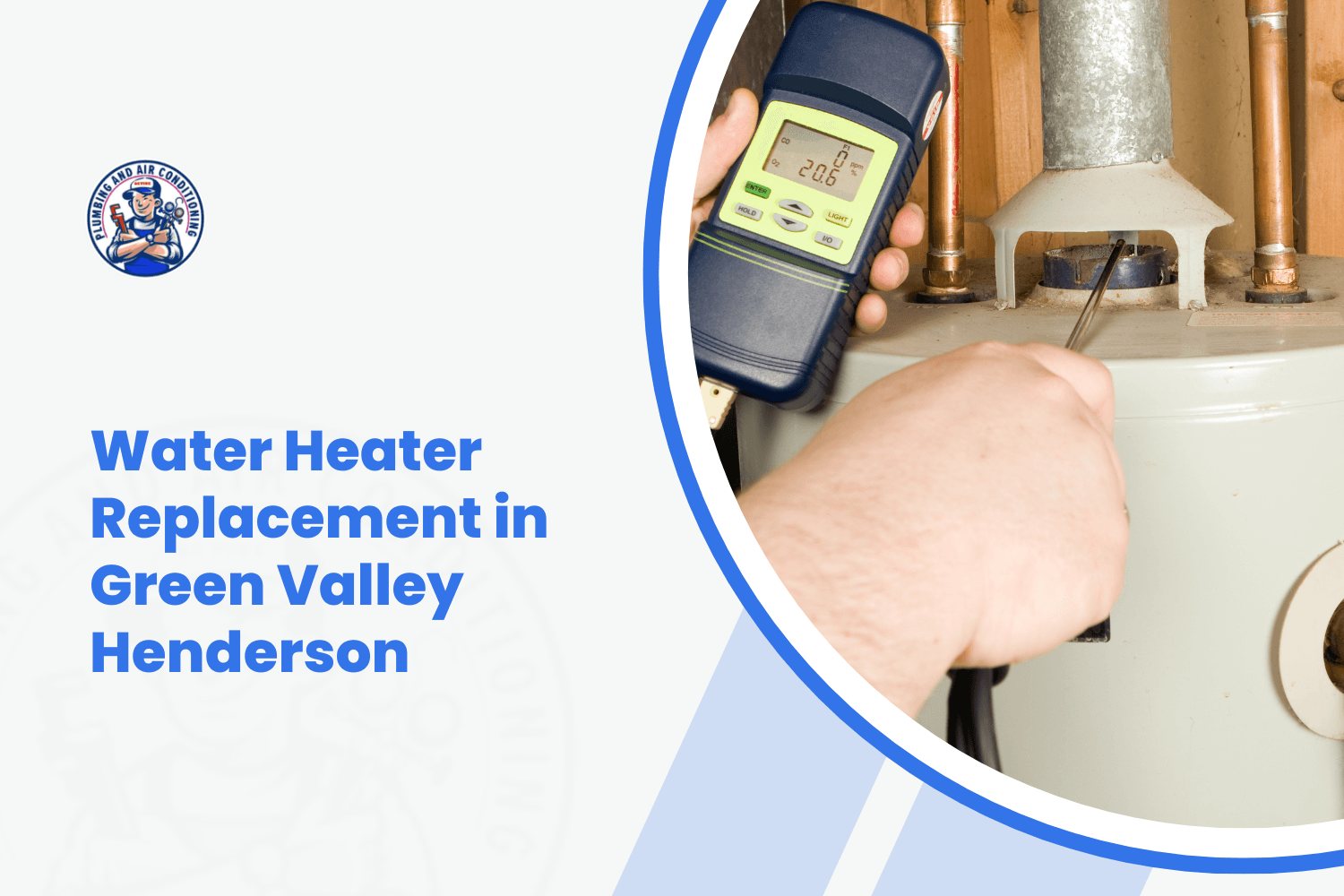
Water Heater Replacement in Green Valley Henderson: High Water Pressure and PRV Pairing
High street pressure quietly kills water heaters in Green Valley Henderson. Learn why pairing a new unit with a PRV protects your investment, warranty, and home.