Tips & Advice
Inspirada Henderson Plumber: New Build Plumbing Defects to Watch For
Key Takeaways
- New construction in fast-growing Inspirada can still hide plumbing defects from rushed schedules and rotating subcontractor crews.
- Hidden pipe problems like loose PEX or PVC joints, slab leaks, and bad drain slope cause the most costly damage.
- Water heater sizing, missing pressure regulators, and skipped expansion tanks are common new build defects to check.
- Visible fixture defects such as leaking supply lines, wobbly toilets, and bad caulking show up within the first year.
- Outdoor issues include leaking hose bibs, missing backflow preventers, buried sewer cleanouts, and poor foundation grading.
- Inspect your home room by room and bring in an independent plumber before the builder warranty window closes.
- A water softener, annual water heater flushing, and working shut-off valves protect against hard water and long-term damage.
- Active Plumbing inspects Inspirada and Henderson new builds and documents defects for warranty claims.
In This Article
A family moves into a brand-new home off Bicentennial Parkway in Inspirada. The paint is fresh, the tile is spotless, and everything looks perfect. Then, about seven months later, they notice a musty smell near the guest bathroom and a small water stain forming under the kitchen sink. That surprise catches a lot of new homeowners off guard, because they assumed a new house meant zero plumbing worries.
The reality is that even quality new construction can hide plumbing defects. Rushed schedules, rotating crews, and the tough desert water supply all play a part. Small mistakes made behind walls or under the slab often stay hidden until the warranty window is closing.
Why New Homes in Inspirada Still Have Plumbing Problems
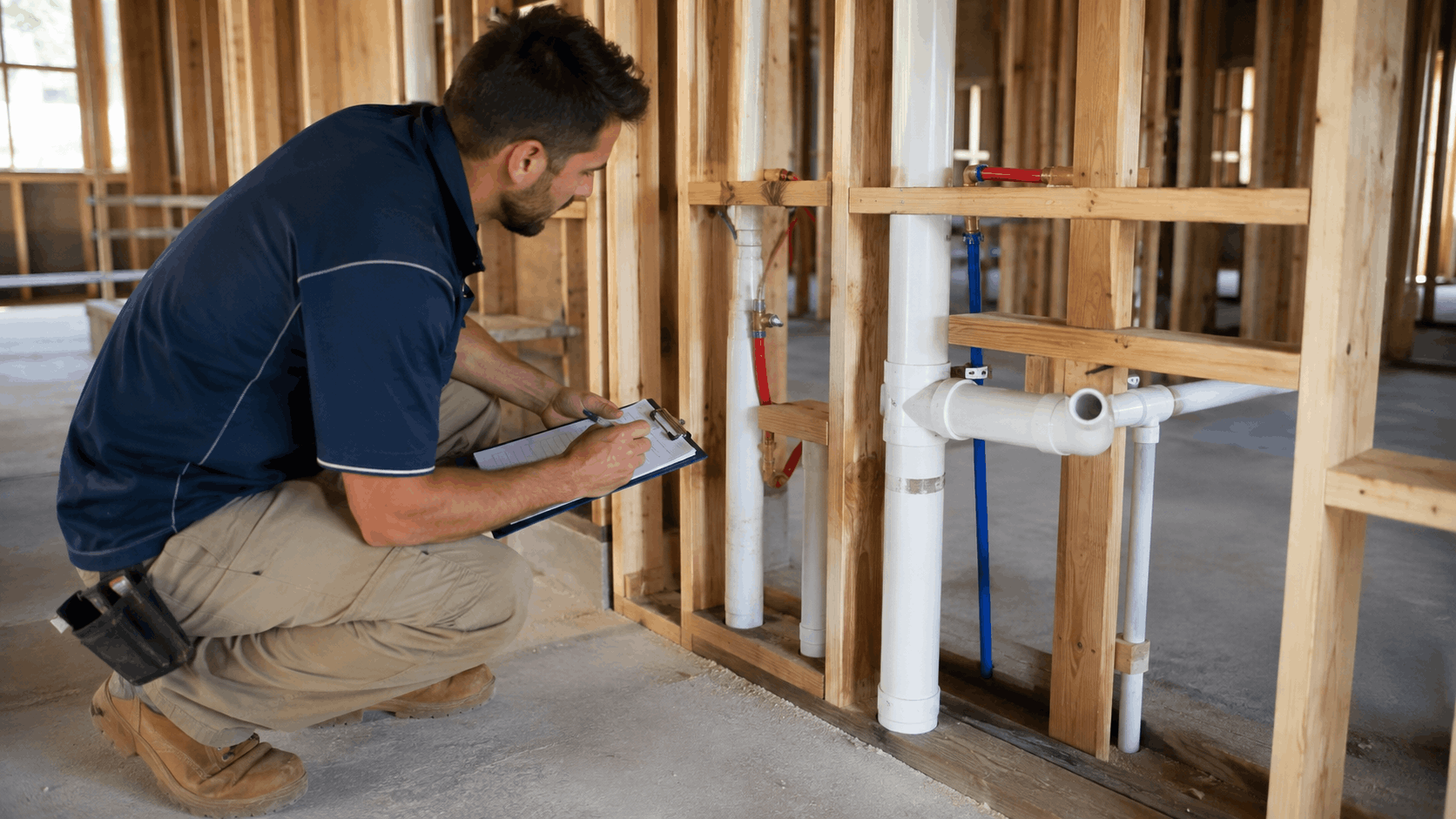
New construction plumbing gets a lot of trust from buyers, and most of the time it holds up fine. But plumbing defects still slip through, especially in fast-growing parts of Inspirada Henderson where builders race to finish subdivisions. A new house is only as good as the crews and the timeline behind it.
Here are the biggest reasons new homes still develop plumbing issues:
- Tight construction schedules that leave little room for careful testing
- Multiple subcontractors handling different stages of the same system
- Hard water that stresses new fixtures faster than owners expect
- Warranty periods that end before hidden defects show up
The Rapid Growth Along Bicentennial Parkway
Drive along Bicentennial Parkway on any weekday and you will see framing crews, concrete trucks, and rows of homes in every stage of new home construction. Inspirada has grown at a remarkable pace, with entire streets going up in a matter of months. That speed is great for buyers waiting on a move-in date, but it can create pressure to keep the line moving.
When dozens of homes are being built at once, plumbers often work on a schedule that leaves little slack. A crew might rough-in several houses in a single day, then move on to the next block. Small steps like double-checking a glued joint or confirming a drain slope can get skipped when the calendar is packed.
We have inspected homes near Inspirada where the work was solid overall but one or two connections showed clear signs of being rushed. It is rarely the whole house. It is usually a handful of spots where the pace caught up with the crew. Those spots are exactly what a careful homeowner should watch.
Subcontractor Turnover and Inconsistent Work
Most production builders hire plumbing subcontractors, and those companies rotate their crews often. One team may handle the rough-in plumbing that goes in before the walls close up. A completely different crew may come back later for the finish work like faucets, toilets, and connections.
That handoff is where things go wrong. The finish crew may not know exactly how the rough-in was set, so connections do not always line up cleanly. A supply stub that was left a little short or crooked leads to a strained fixture connection down the road.
Turnover makes it worse. A subcontractor short on workers might bring in a newer helper who misses a step that a veteran would catch. When no single person owns the whole system from start to finish, small mismatches add up and nobody notices until a leak appears.
How Hard Water Affects Brand-New Fixtures
The water in the Las Vegas Valley is famously hard. The Las Vegas Valley Water District delivers water loaded with calcium and magnesium, and Inspirada homes get the same mineral-heavy supply as the rest of the region.
That hard water goes to work on new fixtures right away. Faucet aerators clog, showerheads lose pressure, and valve seals wear faster than they would in a soft-water area. A fixture that might last a decade elsewhere can start showing trouble in just a few years here.
Water heaters take an even bigger hit. Minerals settle at the bottom of the tank and form a hard layer of sediment. That buildup makes the heater work harder and shortens its life. Homeowners often blame the fixture brand when the real culprit is untreated hard water.
Warranty Windows That Close Fast
Most builders offer a limited warranty on plumbing, and the clock starts the day you close. Many cover workmanship for one year and major systems for two years, with structural coverage lasting longer. The trouble is that plumbing defects do not always show up within that first year.
A slow leak behind a wall can take months to leave a visible stain. By the time a homeowner spots the damage, the workmanship coverage may already be gone. That leaves the owner paying for a repair the builder should have handled.
This is why an early home inspection matters so much. Checking every fixture, drain, and valve during the first several months gives you time to file a builder warranty claim while coverage is still active. Waiting until year two is a gamble that often does not pay off.
Get Your Quote
Tell us what's going on and we'll get back to you fast.
Common Rough-In and Pipe Defects to Look For
The most expensive plumbing defects are the ones you cannot see. Pipe problems buried behind drywall or under the slab do their damage quietly. By the time water shows up, it has often been leaking for a while.
These are the hidden rough-in and pipe defects we find most often in newer Inspirada homes:
- Loose or poorly glued pipe connections that seep slowly
- Slab leaks tied to shifting desert soil
- Incorrect drain slope causing repeat backups
- Missing pipe supports that let lines sag and rattle
Loose or Improperly Glued PEX and PVC Connections
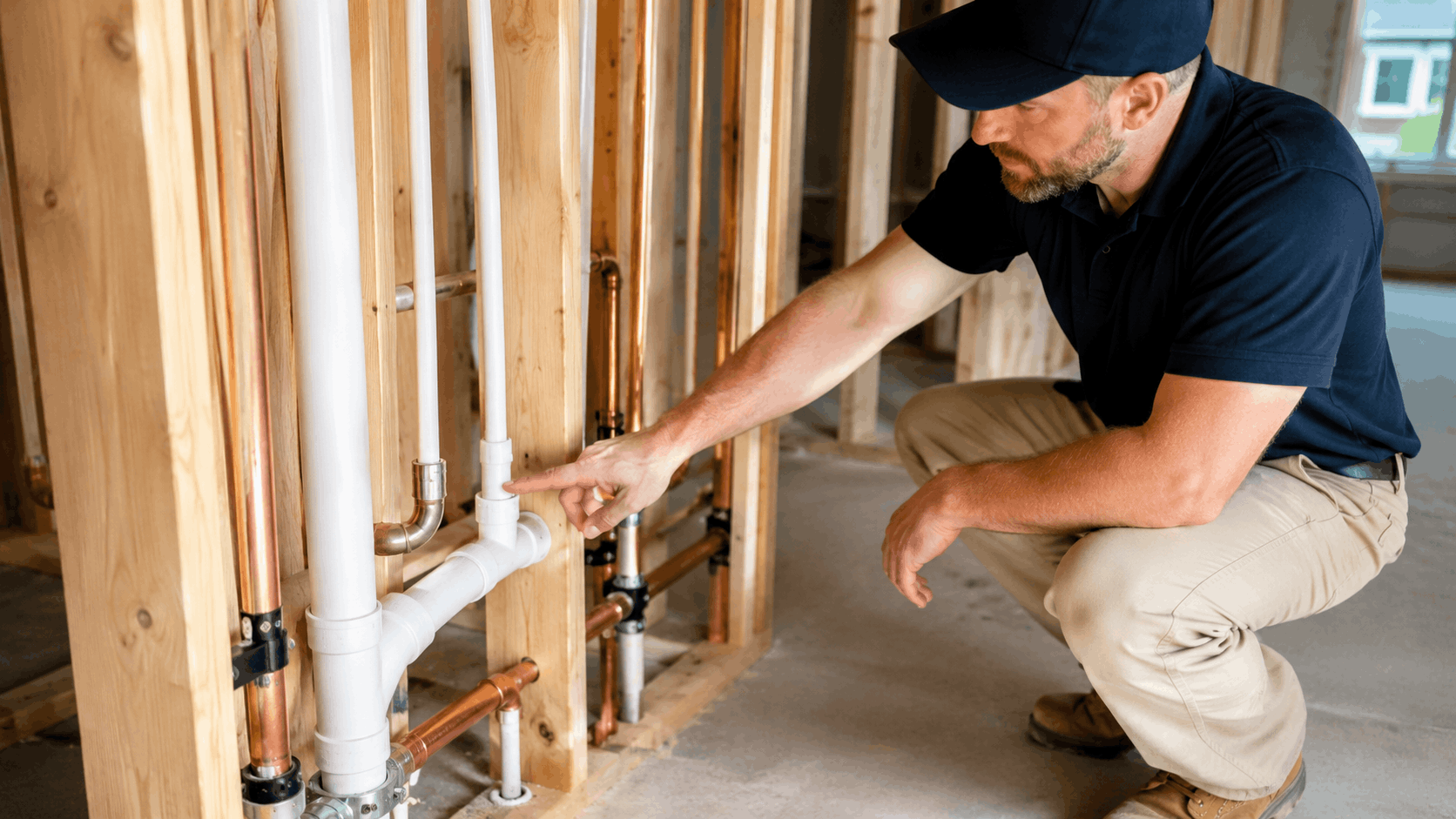
Modern homes in Inspirada use a mix of PEX for water supply and PVC for drains. Both are reliable when installed right, but both fail when a crew rushes the connection. PEX connections need the correct crimp or clamp, and PVC joints need clean, fully seated glue.
A PEX fitting that was not crimped all the way can hold for months before it starts to weep. A PVC joint that was glued in a hurry may have a dry spot where the cement never bonded. These slow leaks release just a few drops at a time, which is why they hide so well.
Watch for the early warning signs. Look for water spots on the ceiling below a bathroom, a faint musty odor near a wall, or bubbling paint. If your water meter creeps up when every fixture is off, a hidden joint may be the reason. Our team uses electronic leak detection to find these leaks without tearing into walls.
Slab Leaks in Homes Near Anthem and South Henderson
Many Inspirada and Anthem Henderson homes sit on concrete slabs with water lines running underneath. The desert soil around south Henderson shifts as it dries and expands, and that movement puts stress on the pipes below the slab. Even a new home can develop a slab leak when the ground settles.
A slab leak is one of the trickier problems to catch. The classic signs include a warm spot on the floor, a sudden jump in the water bill, and the faint sound of running water when nothing is on. Some homeowners near Anthem notice a section of tile that stays damp for no clear reason.
Catching a slab leak early saves a fortune in repairs and flooring damage. If you suspect one, do not wait. A quick call to our emergency plumbing team can confirm the problem before it destroys your subfloor.
Improper Pipe Slope Causing Drainage Backups
Drain pipes rely on gravity, so they need the right downward slope to carry waste away. The general standard is about a quarter inch of drop per foot of pipe. Too little slope and water sits in the line. Too much and the water races ahead, leaving solids behind.
When a crew sets the drain slope wrong during rough-in, the homeowner deals with the fallout for years. Slow drains, gurgling sounds, and recurring clogs are all classic symptoms. A kitchen or laundry line with bad slope will clog again and again no matter how often you clear it.
If a drain in your new home backs up more than it should, the slope may be the cause rather than a simple clog. Our drain and sewer team can camera the line and confirm whether the pitch was installed correctly.
Missing or Loose Pipe Supports Behind Walls
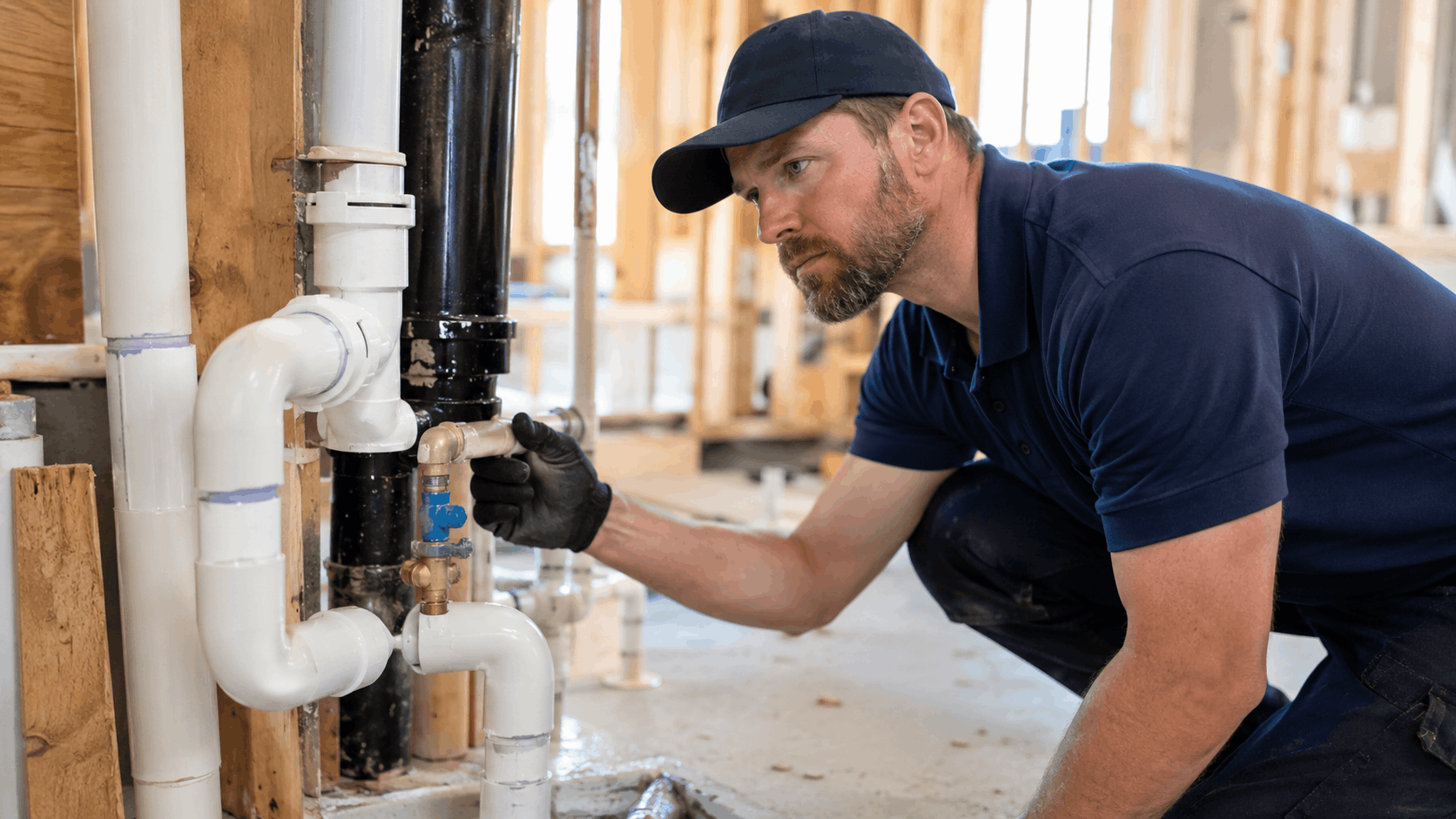
Pipes inside walls and ceilings need supports to hold them in place. Straps and brackets keep the lines from moving when water rushes through. When a crew skips supports or leaves them loose, the pipes start to shift with every use.
That movement creates two problems. First, you hear a loud banging called water hammer when a faucet shuts off and the unsupported pipe slams against the framing. Second, the constant flexing stresses the fittings and can crack a joint over time.
If your new home rattles or bangs when someone shuts off the water, missing pipe supports are a likely cause. It is a defect worth documenting for a warranty claim, because a cracked fitting behind a wall turns into a much bigger repair later.
Need Help in Las Vegas?
Active Plumbing serves Las Vegas and all of Las Vegas Valley.
Water Heater and Water Pressure Issues in New Builds
Hot water and steady pressure make a house feel like home. In a new build, both depend on the water heater being sized and installed correctly and the pressure being controlled at the street. Small setup mistakes here lead to daily frustration.
Here is a quick look at the common water heater and pressure defects we see in new Inspirada homes:
| Defect | What Homeowners Notice | Why It Happens |
|---|---|---|
| Undersized water heater | Runs out of hot water fast | Unit too small for the floor plan |
| Missing pressure regulator | Banging pipes, worn fixtures | High street pressure left uncontrolled |
| No expansion tank | Relief valve drips, loud knocks | Step skipped during install |
| Uneven pressure | Weak showers upstairs | Pressure drop on upper floors |
Incorrect Water Heater Sizing for the Home
Inspirada floor plans range from cozy to large, and the water heater needs to match the home. When a builder installs a unit that is too small, the family runs out of hot water during back-to-back showers. A four-bedroom home with two baths needs more capacity than a small starter house.
Sizing mistakes happen when a builder uses the same standard unit across many models to keep costs down. A 40-gallon tank might be fine for a smaller plan but falls short in a big two-story house full of people. The morning rush is when everyone feels it.
If your new home cannot keep up with hot water demand, the tank may simply be too small. Upgrading to a larger unit or a tankless water heater solves the problem for good. Our water heater team can help you pick the right size.
Missing or Faulty Pressure Regulators
Street water pressure in parts of Henderson runs higher than a home should handle. A pressure regulator, also called a PRV, steps that pressure down to a safe range around 50 to 70 psi. When the regulator is missing or set wrong, the whole plumbing system takes the hit.
High pressure wears out fixtures fast, causes banging pipes, and can even cause a water heater relief valve to leak. Some new homes have a regulator that was never adjusted properly, so the pressure stays too high from day one. Others skip the part entirely.
A simple pressure gauge on an outdoor spigot tells the story. If your reading is above 80 psi, the regulator needs attention. Fixing it early protects every fixture and appliance in the house from years of avoidable strain.
Expansion Tank and Drain Pan Problems
An expansion tank gives heated water somewhere to go as it expands. Without one, pressure builds inside a closed system and stresses the tank, pipes, and valves. Some new builds skip the expansion tank even when local code calls for it.
The drain pan under the water heater is another spot for shortcuts. The pan is supposed to catch a leak and route it to a drain. When it is installed without a drain connection, or set at a bad angle, a small leak spreads across the floor instead of draining away.
Check the base of your water heater for both parts. A missing expansion tank or a dry, unconnected drain pan are both worth flagging for warranty repair. These are inexpensive to fix now and expensive to ignore.
Uneven Pressure Between Upstairs and Downstairs
Two-story homes in Inspirada often feel a pressure difference between floors. Water has to fight gravity to reach the upper level, so showers upstairs can feel weaker than the ones below. Some drop is normal, but a big difference points to a defect.
Undersized supply lines, a poorly set pressure regulator, or partly closed valves can all rob the upper floor of pressure. In some homes, a clogged aerator on an upstairs faucet makes the problem look worse than it is. It pays to check the simple things first.
If the weak pressure upstairs bothers your family every morning, have it checked while the warranty is active. A plumber can measure pressure at each floor and pin down whether the cause is the regulator, the line sizing, or a fixture.
Fixture and Finish Plumbing Defects Homeowners Notice First
Fixture defects are the ones homeowners spot first, because they are out in the open. A dripping faucet or a wobbly toilet is hard to miss. These finish problems are usually cheaper to fix, but they can hide bigger damage if left alone.
Leaking Faucets and Loose Supply Lines
Open the cabinet under a new sink and you will find the supply lines that feed the faucet. During finish work, a crew connects these flexible lines to the shutoff valves. When they are not tightened correctly, they drip slowly onto the cabinet floor.
A faucet leak often starts as a tiny bead of water at a connection. Over weeks it soaks the cabinet base and creates that familiar musty smell. Many homeowners do not notice until they reach under the sink for cleaning supplies and feel dampness.
Check every supply line in the house during your inspection. Run a paper towel along each connection and look for moisture. A loose supply line is a quick fix, and our pipe and fixture team can handle it fast before the cabinet is ruined.
Wobbly Toilets and Bad Wax Ring Seals
A toilet should sit firm on the floor with no movement at all. When a new toilet rocks even slightly, the wax ring seal underneath is at risk. That seal keeps water and sewer gas from escaping around the base.
A rocking toilet slowly breaks the wax ring, and once the toilet seal fails, water seeps under the flange at every flush. That water spreads across the subfloor where you cannot see it. The first clue is often a sewer smell in the bathroom or a soft spot in the floor.
If any toilet in your new home wobbles, do not ignore it. Fixing the seal and securing the toilet early prevents rotted subfloor and a much larger repair. It is one of the most common finish defects we catch during new build inspections.
Shower and Tub Caulking and Drain Gaps
Caulking around showers and tubs is the last line of defense against water getting behind the walls. Finish crews sometimes rush this step, leaving thin beads or gaps at the corners. Water finds those gaps and works its way into the wall over time.
The shower drain is another weak point. If the drain flange is not sealed tight to the pan, water slips past the edge and soaks the framing below. This kind of leak is sneaky because the shower looks perfectly fine from above.
Look closely at the caulking lines in every bathroom. Press gently around the drain and check for movement or gaps. Catching bad caulking or a loose shower drain early keeps mold and rot out of your walls.
Garbage Disposal and Dishwasher Hookup Errors
The area under a kitchen sink holds several connections, and it is a frequent spot for defects. A garbage disposal has to be sealed to the sink flange and connected to the drain correctly. A loose fit leaks every time the sink is used.
The dishwasher hookup is another common miss. The drain hose needs a proper high loop or air gap to keep dirty water from flowing back into the machine. When this step is skipped, water can leak at the connection or back up into the dishwasher.
Run the disposal and the dishwasher during your inspection and watch the connections underneath. Any drip means a hookup error that should go on your warranty list. These kitchen leaks damage cabinet floors quickly if they are not caught.
Outdoor and Landscape Plumbing Problems in Inspirada Yards
Plumbing defects do not stop at the front door. Inspirada yards come with hose bibs, irrigation lines, and sewer cleanouts that all need correct installation. Desert landscaping adds its own set of challenges to outdoor plumbing.
Leaking Hose Bibs and Exterior Spigots
The hose bibs on the outside of your home get less attention during construction, so defects slip through. A spigot that was not sealed to the wall properly leaks water down the side of the house. In our dry climate, that wasted water adds up on your bill.
A leaking exterior spigot may drip from the handle or from where it enters the wall. Sometimes the leak only shows when the hose is running, which makes it easy to miss. Water running down the stucco or a damp patch on the wall are the clues to watch.
Test every hose bib in your yard during the warranty period. Turn each one on and off and check for drips at the handle and the wall. A faulty spigot is a simple repair that saves water in a place where every gallon counts.
Irrigation Tie-In Mistakes and Backflow Issues
New Inspirada landscaping usually includes a drip or sprinkler system tied into the home water supply. That tie-in needs a backflow preventer to keep irrigation water and any lawn chemicals from flowing back into your drinking water. Skipping or wrongly installing that device is a real health concern.
Landscapers and plumbers do not always coordinate well on new builds. The irrigation connection may be made without the correct backflow assembly, or the device may be installed backward. Either way, the protection you are supposed to have is not there.
Have the irrigation tie-in and backflow preventer checked before you rely on the system. It protects your family and keeps you in line with local requirements. The EPA WaterSense program offers good guidance on efficient, safe irrigation in dry regions like ours.
Sewer Line Cleanout Placement and Access
Every home needs a sewer cleanout, which is the access point a plumber uses to clear the main sewer line. In new builds, the cleanout sometimes ends up buried under landscaping or placed in an awkward spot. That makes future service slow and expensive.
We have arrived at Inspirada homes and spent time just hunting for a cleanout that was covered by rock or a new plant bed. Some are set below grade with no riser, so they are all but impossible to reach. A hidden cleanout turns a routine job into a dig.
Locate your sewer cleanout early and make sure it is accessible. If it is buried or missing, ask the builder to fix it. Should you ever need a sewer camera inspection, easy access saves you time and money.
Grading and Drainage Around the Foundation
The soil around your home should slope away from the foundation so rainwater runs off. When a builder grades the yard wrong, water pools against the slab instead. That standing water pushes toward the foundation and the plumbing penetrations that pass through it.
Poor foundation drainage is a slow threat. Over time, water working against the slab can worsen soil movement and stress the pipes below. During our rare heavy desert storms, a badly graded yard shows its true colors fast.
Walk your yard after a rain and note where water collects. If it pools near the house, the grading needs correction while the builder is still on the hook. Good drainage protects both your foundation and your buried plumbing.
Need Help in Las Vegas?
Active Plumbing serves Las Vegas and all of Las Vegas Valley.
How to Inspect a New Inspirada Home Before the Warranty Ends
The best time to find plumbing defects is while the builder is still responsible for them. A careful home inspection during your first several months of ownership gives you room to file claims. A warranty walkthrough works best with a real plumbing checklist in hand.
Here is how to approach the inspection:
- Test every fixture, drain, and valve room by room
- Watch for water stains, smells, and meter changes that hint at hidden leaks
- Bring in an independent plumber for a second set of eyes
- Document everything with photos and dates for your builder
Room-by-Room Plumbing Checklist
Go through the house one room at a time so nothing gets missed. In each bathroom, run the sink, shower, and tub, then flush the toilet and check for wobble. Feel under every sink for moisture at the supply lines and drain connections.
In the kitchen, run the faucet, the disposal, and the dishwasher while watching the pipes underneath. In the laundry room, check the washer connections for drips. Then test each shutoff valve to make sure it turns and seals as it should.
Do not forget outdoor fixtures. Test every hose bib and note the irrigation and cleanout locations. A written plumbing checklist keeps your fixture test organized and gives you a clear record to hand the builder.
Signs of Hidden Leaks to Document
Some leaks never show themselves directly, so you have to read the clues. Water stains on ceilings or walls, bubbling paint, and warped baseboards all point to moisture behind the surface. A musty or mildew smell in one room is another red flag.
Your water meter is a powerful tool for finding a hidden leak. Shut off every fixture and appliance in the house, then check the meter. If it is still moving, water is escaping somewhere in the system.
Photograph and date anything suspicious. A clear record strengthens your warranty claim and helps a plumber zero in on the problem. If the meter keeps running, a whole home leak detection system can pinpoint the source.
When to Call a Third-Party Plumber
The builder runs its own final walkthrough, but that inspection has limits. The crew is checking its own work, and there is pressure to close out the house and move on. A third-party inspection brings a fresh, honest look at the plumbing.
An independent plumber has no reason to overlook a defect. We test everything the way we would in any home and report exactly what we find. That independence often turns up issues the builder walkthrough missed entirely.
Bringing in your own plumber before the warranty ends is a smart move. The cost of an inspection is small next to the price of a leak you discover after coverage lapses. It is protection for one of the biggest purchases you will ever make.
How Active Plumbing Helps Henderson Homeowners
Our Las Vegas-based team knows Inspirada and the rest of Henderson well. We have inspected new builds off Bicentennial Parkway, near Anthem, and throughout the growing communities in south Henderson. We know the water, the soil, and the shortcuts to watch for.
When you hire us for a new build inspection, we go through the home top to bottom and document every defect we find. We give you a clear report with photos that you can hand straight to your builder for a warranty claim. That documentation makes it far harder for a builder to brush off a real problem.
As a trusted Henderson plumber, Active Plumbing serves Inspirada and nearby neighborhoods like Whitney Ranch and Lake Las Vegas. Reach out to our Henderson team whenever you need a careful, independent look at your home.
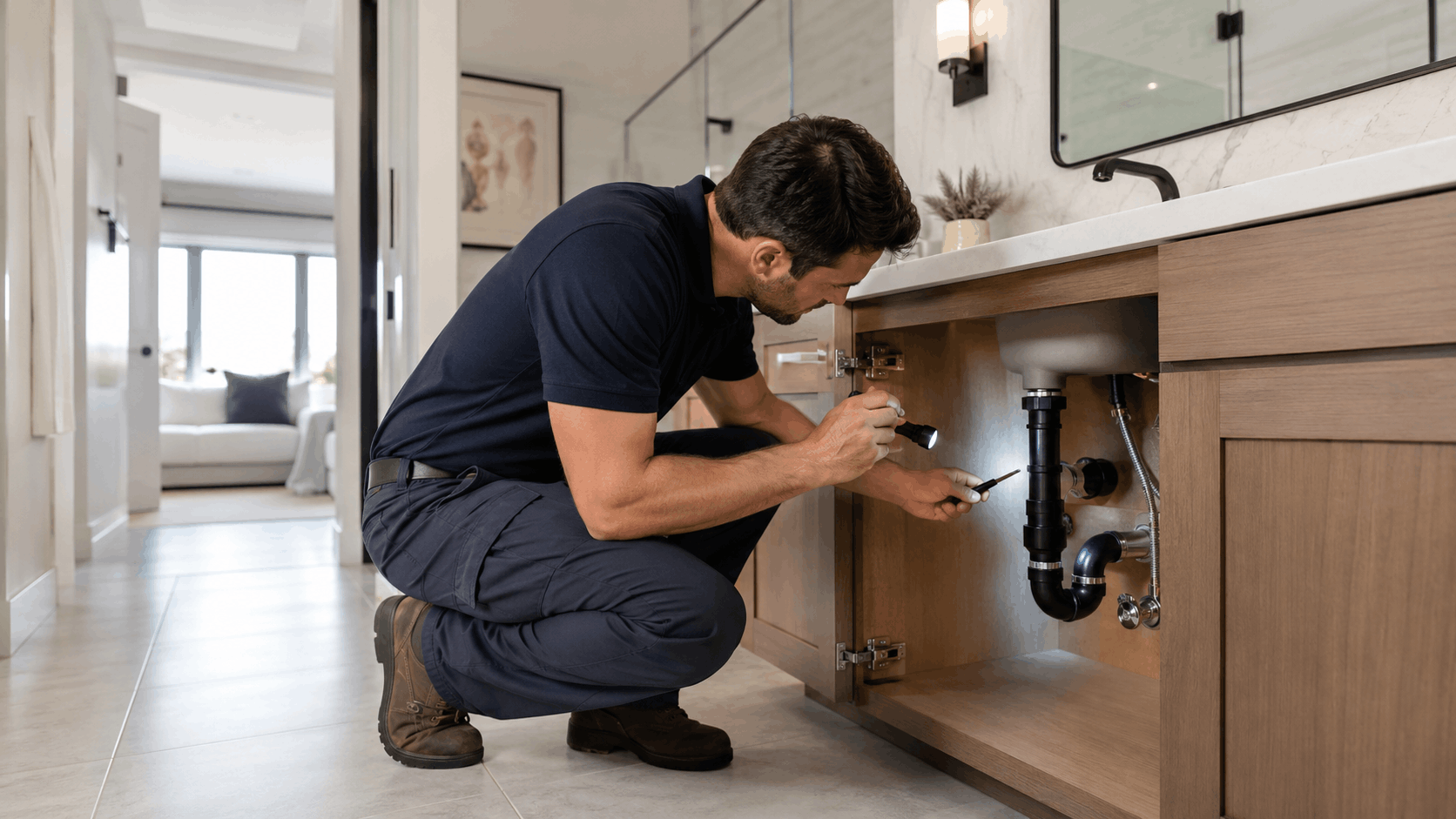
Preventing Long-Term Plumbing Damage in Your New Home
Once you have checked for defects, the next step is protecting your plumbing for the long haul. The region's hard water and dry climate work against every fixture in your home. A little plumbing maintenance now saves big repairs later.
Installing a Water Softener for Hard Water
A water softener is the single best defense against our hard water. It removes the calcium and magnesium that clog fixtures and build up inside the water heater. Softened water keeps faucets flowing freely and appliances running longer.
The mineral buildup from untreated water shortens the life of everything it touches. Showerheads clog, valves stick, and the water heater fills with sediment. A softener stops that damage before it starts, which pays off across the whole house.
Many Inspirada homeowners add a softener within their first year. Our water softener installation team can size a system for your home and keep your new fixtures looking new for years.
Annual Water Heater Flushing
Sediment settles at the bottom of a water heater tank, especially in a hard-water area like ours. That layer forces the heater to work harder and can lead to popping sounds and early failure. Flushing the tank clears the sediment out.
An annual water heater flush is one of the easiest ways to extend the life of the unit. It also keeps the heater running efficiently, which helps your energy bill. Skipping it lets the sediment harden into a stubborn crust that is tough to remove later.
If you have a tankless unit, it needs descaling instead of flushing to clear mineral scale from the heat exchanger. Our team handles both, so you can keep your hot water reliable year after year.
Checking Shut-Off Valves and Angle Stops
The shut-off valves under sinks and toilets are your emergency brakes. When a fixture leaks, you turn the angle stop to cut the water fast. But valves that never get used can seize up and refuse to turn when you need them most.
Test each shut-off valve once or twice a year by turning it off and back on. If a valve is stiff or leaks around the stem, it should be replaced before an emergency hits. A seized valve can turn a small leak into a flooded room.
Do not forget the main shut-off for the whole house. Know where it is and make sure it works. In a burst pipe situation, that valve is the difference between a quick fix and major water damage.
Scheduling Routine Plumbing Checkups
A yearly plumbing inspection catches small problems before they grow. A plumber can spot a weeping joint, a worn valve, or early sediment buildup that you would never notice on your own. That kind of preventive maintenance keeps repair costs down.
Routine checkups matter even more in a new home. Defects from construction can take a year or two to surface, and regular inspections keep you ahead of them. It also builds a service history you can lean on if a warranty dispute comes up.
Our team offers routine checkups for homeowners across Inspirada and Henderson. A short visit once a year protects your home and gives you a clear picture of your plumbing's health. It is the simplest way to avoid an unwelcome surprise.
Need Help in Las Vegas?
Active Plumbing serves Las Vegas and all of Las Vegas Valley.
Final Thoughts
A new home in Inspirada is a big investment, and even quality construction can hide plumbing defects. Rushed timelines, rotating crews, and our hard desert water all leave gaps worth checking. The homeowners who catch problems early are the ones who inspect before the warranty closes.
Walk your home room by room, watch for hidden leaks, and do not be shy about bringing in an independent plumber. Add a water softener, flush the water heater, and keep your valves working, and your plumbing will serve you well for years. A little attention now prevents a lot of grief later.
If you own a new build in Inspirada or anywhere in Henderson, our team at Active Plumbing is ready to help. Call us or contact our office to schedule a new build inspection or a routine checkup. We will give you a straight, honest report so you can protect your home with confidence.
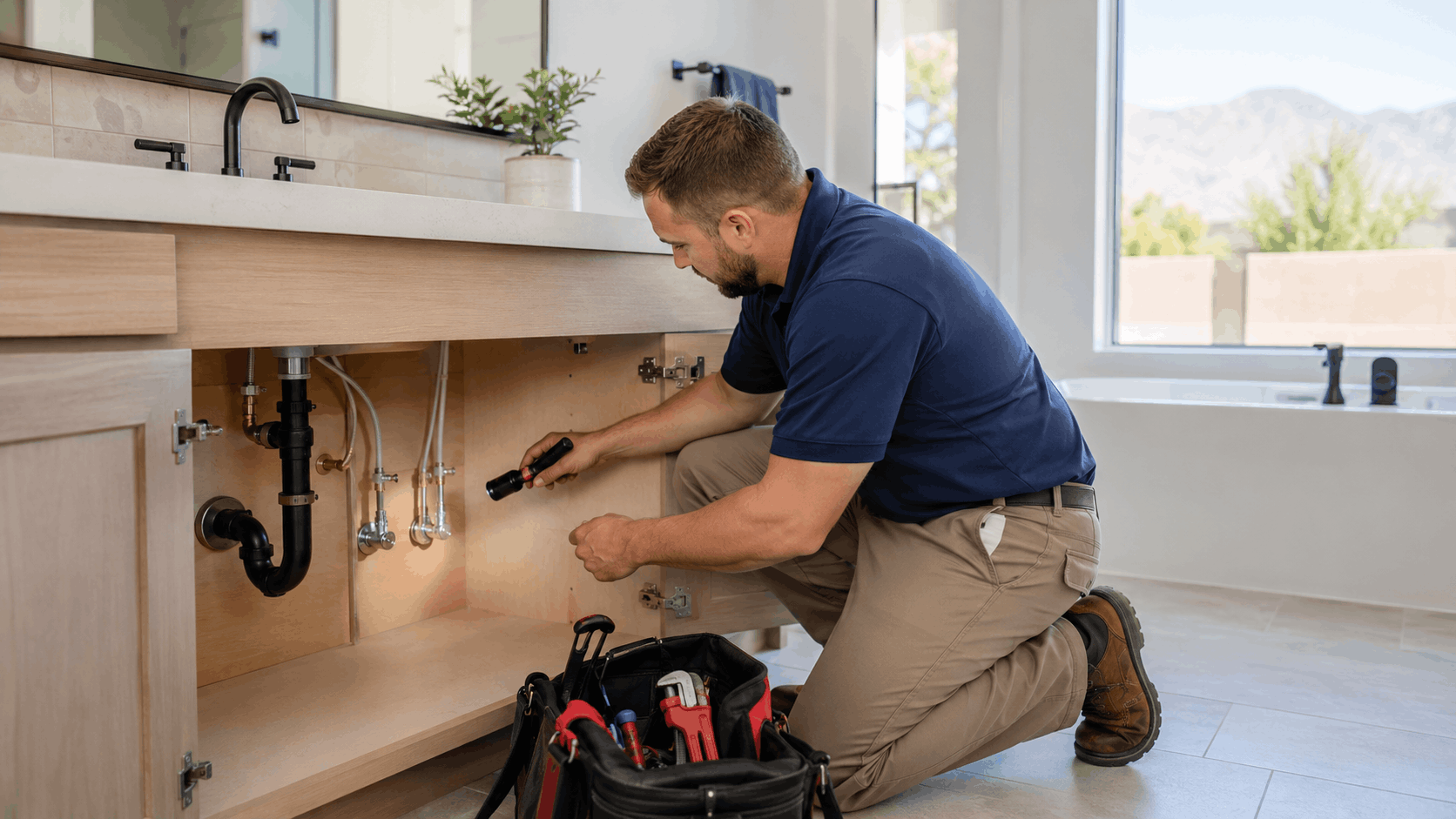
Frequently Asked Questions
How common are plumbing defects in new Inspirada homes?
Minor plumbing defects are fairly common even in well-built Inspirada homes. Rushed schedules and rotating crews mean small mistakes like loose supply lines, wobbly toilets, or a skipped expansion tank slip through often. Serious defects are less frequent, but they do happen. The good news is that most issues are easy to catch with a careful inspection during your first year of ownership.
How long is the plumbing warranty on a new Henderson home?
Most builders in Henderson offer a one-year warranty on workmanship, including plumbing installation, and a two-year warranty on major systems. Structural coverage usually runs much longer. Because hidden leaks can take months to show up, you should inspect your plumbing within the first several months. That timing gives you room to file a claim while workmanship coverage is still active.
Can I hire my own plumber to inspect a new build?
Yes, homeowners can and should bring in an independent plumber to inspect a new build. The builder's walkthrough checks the builder's own work, so a third-party review adds an honest second opinion. An independent plumber tests every fixture and reports exactly what they find. Scheduling that inspection before the warranty ends gives you documented proof to support any repair claims.
What are the first signs of a slab leak?
The earliest signs of a slab leak include a warm spot on the floor, a sudden spike in your water bill, and the sound of running water when everything is off. You may also notice damp tile or a section of flooring that stays wet without reason. If you spot any of these in a home near Anthem or south Henderson, call a plumber right away.
Does hard water in Henderson damage new fixtures?
Yes, the mineral-heavy water from the Las Vegas Valley Water District wears out fixtures faster than soft water would. Calcium and magnesium clog aerators, coat showerheads, and settle as sediment inside water heaters. Without treatment, a fixture that could last a decade may show trouble in just a few years. A water softener protects your new fixtures and appliances from that buildup.
Why does my new home have low water pressure upstairs?
Low pressure upstairs in a two-story home usually traces back to a few causes. A pressure regulator set too low, undersized supply lines, or a partly closed valve can all rob the upper floor. Water also loses some pressure fighting gravity to reach higher fixtures. A plumber can measure pressure at each floor and pinpoint whether the regulator, line sizing, or a fixture is the culprit.
Should a new home have an expansion tank?
Yes, most homes with a closed plumbing system need an expansion tank. It gives heated water somewhere to go as it expands, which keeps pressure from building against the tank, pipes, and valves. Some new builds skip this step even when code requires it. A missing expansion tank can cause a dripping relief valve and loud knocking, so it is worth checking near your water heater.
How much does a new build plumbing inspection cost?
An independent plumbing inspection for a new build in the Henderson area typically runs a few hundred dollars, depending on the size of the home and the depth of testing. That cost is small compared to a hidden leak you discover after the warranty ends. Contact our team for a current quote based on your home and any specific concerns you have.
What should I do if the builder ignores my defect claim?
If a builder brushes off your defect claim, documentation is your strongest tool. Take dated photos and keep written records of every issue you reported. Then hire an independent plumber to inspect the problem and provide a written report. That third-party evidence makes it much harder for a builder to dismiss a legitimate defect and supports you if the dispute escalates.
Does Active Plumbing serve Inspirada and Henderson?
Yes, our Las Vegas-based team serves Inspirada, Henderson, and the surrounding communities every day. We inspect new builds, document defects for warranty claims, and handle repairs and maintenance across the area. From Bicentennial Parkway to Anthem and Lake Las Vegas, we know the local homes and water conditions well. Reach out to schedule an inspection or service whenever you need us.
Frequently Asked Questions
- How common are plumbing defects in new Inspirada homes?
- Minor plumbing defects are fairly common even in well-built Inspirada homes. Rushed schedules and rotating crews mean small mistakes like loose supply lines, wobbly toilets, or a skipped expansion tank slip through often. Serious defects are less frequent, but they do happen. The good news is that most issues are easy to catch with a careful inspection during your first year of ownership.
- How long is the plumbing warranty on a new Henderson home?
- Most builders in Henderson offer a one-year warranty on workmanship, including plumbing installation, and a two-year warranty on major systems. Structural coverage usually runs much longer. Because hidden leaks can take months to show up, you should inspect your plumbing within the first several months. That timing gives you room to file a claim while workmanship coverage is still active.
- Can I hire my own plumber to inspect a new build?
- Yes, homeowners can and should bring in an independent plumber to inspect a new build. The builder's walkthrough checks the builder's own work, so a third-party review adds an honest second opinion. An independent plumber tests every fixture and reports exactly what they find. Scheduling that inspection before the warranty ends gives you documented proof to support any repair claims.
- What are the first signs of a slab leak?
- The earliest signs of a slab leak include a warm spot on the floor, a sudden spike in your water bill, and the sound of running water when everything is off. You may also notice damp tile or a section of flooring that stays wet without reason. If you spot any of these in a home near Anthem or south Henderson, call a plumber right away.
- Does hard water in Henderson damage new fixtures?
- Yes, the mineral-heavy water from the Las Vegas Valley Water District wears out fixtures faster than soft water would. Calcium and magnesium clog aerators, coat showerheads, and settle as sediment inside water heaters. Without treatment, a fixture that could last a decade may show trouble in just a few years. A water softener protects your new fixtures and appliances from that buildup.
- Why does my new home have low water pressure upstairs?
- Low pressure upstairs in a two-story home usually traces back to a few causes. A pressure regulator set too low, undersized supply lines, or a partly closed valve can all rob the upper floor. Water also loses some pressure fighting gravity to reach higher fixtures. A plumber can measure pressure at each floor and pinpoint whether the regulator, line sizing, or a fixture is the culprit.
- Should a new home have an expansion tank?
- Yes, most homes with a closed plumbing system need an expansion tank. It gives heated water somewhere to go as it expands, which keeps pressure from building against the tank, pipes, and valves. Some new builds skip this step even when code requires it. A missing expansion tank can cause a dripping relief valve and loud knocking, so it is worth checking near your water heater.
- How much does a new build plumbing inspection cost?
- An independent plumbing inspection for a new build in the Henderson area typically runs a few hundred dollars, depending on the size of the home and the depth of testing. That cost is small compared to a hidden leak you discover after the warranty ends. Contact our team for a current quote based on your home and any specific concerns you have.
- What should I do if the builder ignores my defect claim?
- If a builder brushes off your defect claim, documentation is your strongest tool. Take dated photos and keep written records of every issue you reported. Then hire an independent plumber to inspect the problem and provide a written report. That third-party evidence makes it much harder for a builder to dismiss a legitimate defect and supports you if the dispute escalates.
- Does Active Plumbing serve Inspirada and Henderson?
- Yes, our Las Vegas-based team serves Inspirada, Henderson, and the surrounding communities every day. We inspect new builds, document defects for warranty claims, and handle repairs and maintenance across the area. From Bicentennial Parkway to Anthem and Lake Las Vegas, we know the local homes and water conditions well. Reach out to schedule an inspection or service whenever you need us.
A
Licensed plumbing professionals serving Las Vegas and Las Vegas Valley.
Licensed in Nevada · License #0047021
Last updated on
Why trust Active Plumbing?
Founded in 1991, Active Plumbing is a licensed and insured plumber serving Las Vegas and Las Vegas Valley. All content is reviewed by our licensed technicians.

Need Help in Las Vegas?
Active Plumbing serves Las Vegas and all of Las Vegas Valley.
Related Articles

Tips & Advice
Anthem Henderson Plumber: Why Hillside Homes Have Unique Pressure Issues
Anthem hillside homes face unique water pressure issues from elevation, terrain, and the Henderson water system. Learn the causes, tests, and proven fixes.

Tips & Advice
Mountain's Edge Plumber: New Construction Warranty Plumbing Issues
New Mountain's Edge homes can still have plumbing problems. Learn common defects, how builder warranties work, and when to call a local Las Vegas plumber.
Tips & Advice
Whitney Ranch Henderson Plumber: 2000s-Era Construction Issues
Whitney Ranch homes built in the early-2000s boom share predictable plumbing problems. Learn the warning signs and how Active Plumbing helps Henderson homeowners.