Tips & Advice
Kitec Class Action Is Long Over - What Las Vegas Owners Can Still Do
Key Takeaways
- The Kitec class action closed on January 9, 2020, and no new claims are accepted in 2026.
- Kitec is a PEX-AL-PEX pipe that fails at its brass fittings through dezincification, made worse by hard Las Vegas water.
- Homes built between 1995 and 2007 in Summerlin, Green Valley, Aliante, and Southern Highlands are the most common Kitec sites.
- Check for orange, blue, or gray pipe with printed Kitec, IPEX, PlumbBetter, or KERR labels near the water heater and manifold.
- Spot repairs rarely solve the problem since all fittings age together, so a full repipe usually costs less over time.
- Single-story PEX repipes typically run $4,000 to $8,000, with larger homes reaching $8,000 to $15,000 or more.
- A repipe requires a Clark County plumbing permit plus rough-in and final inspections, and Kitec must be disclosed when selling.
- Active Plumbing confirms the pipe, maps the system, protects the home during work, and backs the job with a workmanship warranty.
In This Article
A homeowner off Hills Center Drive in Summerlin called us last spring. She had just found orange plastic pipe behind her water heater and remembered hearing about a big Kitec lawsuit years back. She wanted to know how to file a claim and get her repipe paid for. We had to give her the hard news: that money is long gone, and it has been for years.
She is not alone. We hear this same story from owners in Green Valley, Aliante, and Southern Highlands almost every month. The Kitec class action closed its claim window back in January 2020. No new claims. No reopened fund. No manufacturer writing checks for repipes today.

What Kitec Plumbing Is and Why It Failed
Kitec is a brand of flexible water piping that was popular in homes built roughly between the late 1990s and 2007. It looked like a smart, cheaper answer to copper at the time. Millions of feet went into homes across North America before the failures started piling up.
The trouble was not one single flaw. It was a mix of design choices and materials that reacted badly to real-world water, especially the hard, mineral-heavy supply we deal with here in Nevada. Understanding the basics helps owners make a calm, informed choice instead of a panicked one.
- Kitec is a PEX-AL-PEX pipe, meaning plastic layers around an aluminum core.
- The failures usually start at the brass fittings, not the pipe body itself.
- It was installed heavily during the early 2000s building boom.
- Hard water speeds up the corrosion that causes fittings to burst.
How Kitec Was Made and Marketed
Kitec used a design called PEX-AL-PEX. That means a layer of aluminum sandwiched between two layers of cross-linked polyethylene, or PEX plastic. The aluminum core gave the pipe some stiffness and let it hold a bend, which made installers happy.
Builders liked it because it was flexible piping that went in faster than rigid copper. Fewer soldered joints meant less labor, and labor was the expensive part during the boom. Copper prices were also climbing fast in the early 2000s, so a cheaper alternative sold itself to production builders working on tight margins.
The marketing pitch was simple: same performance as copper, lower cost, quicker install. For a few years it seemed to deliver on that promise. The problems took time to show up, which is exactly why so many homes got it before anyone knew better.
By the time the failures became obvious, the pipe was already sitting inside walls across the valley. That delay is a big reason the issue still surprises owners today, more than two decades after some of these homes were framed.
Why the Fittings Corrode and Burst
The pipe itself rarely fails. The weak point is the brass fittings that connect everything together. Those fittings suffer from a process called dezincification, where zinc leaches out of the brass and leaves the metal brittle and porous.
As the brass breaks down, mineral buildup forms inside the fitting and slowly chokes off the water flow. At the same time the metal weakens until it cracks. That is when owners get the sudden burst that floods a laundry room or soaks a hallway overnight.
Our local hard water makes all of this worse and faster. The Las Vegas supply carries heavy calcium and mineral content that feeds the corrosion and accelerates the scale buildup inside the fittings. A fitting that might last longer in a soft-water region can fail much sooner here.
We have opened up plenty of walls where the brass fitting looked chalky, white, and crumbling while the pipe next to it looked almost new. That is the classic Kitec failure pattern, and it is why patching one spot rarely ends the problem.
The Years and Brand Names to Watch For
Kitec was made from roughly 1995 through 2007. If a home was built or replumbed in that window, it is worth checking closely. Homes from the peak boom years around 2000 to 2006 are the most likely suspects here in the valley.
The product was sold under several names, so the word Kitec is not the only label to look for. Owners should watch for Kitec, IPEX, PlumbBetter, and KERR printed on the pipe. Some fittings also carry the marking XPA or AQUA.
These brand labels are usually printed right on the pipe surface in repeating text. You can often read them near the water heater or on any exposed line in the garage. The pipe colors also help, which we cover further down.
If a home falls in the right age range and shows any of those names, that is a strong signal. It does not automatically mean disaster, but it does mean the system deserves a proper look before a fitting decides to let go on its own.
Get Your Quote
Tell us what's going on and we'll get back to you fast.
Why Las Vegas Homes Are So Affected
The Las Vegas Valley grew explosively during the exact years Kitec was popular. That timing is why local homes carry so much of it compared to older cities. When you combine boom-era construction with our aggressive water, you get a region primed for these failures.
We have worked in nearly every corner of the valley, and certain neighborhoods come up again and again. The table below shows how build years and water conditions stack the odds against these Kitec neighborhoods.
| Factor | Why It Matters in Las Vegas |
|---|---|
| Build years 1995-2007 | Overlaps directly with peak Kitec installation |
| Rapid subdivision growth | Builders chose cheaper materials at scale |
| Hard mineral water | Speeds up brass fitting corrosion |
| Master-planned communities | Whole tracts often share the same plumbing spec |
The Building Boom of 1995 to 2007
Las Vegas was one of the fastest growing metros in the country during those years. Whole desert sections turned into rooftops in a matter of months. That building boom meant builders needed materials that were cheap and quick to install.
Kitec fit that need perfectly. When a builder is framing hundreds of homes in a single subdivision, shaving cost and time off each one adds up fast. Flexible pipe that needed fewer fittings and less skilled labor was an easy pick.
The trouble is that subdivision growth at that speed means the same plumbing decision got copied across an entire tract. If one model home used Kitec, the whole street usually did too. That is why we often find it clustered block by block.
So when an owner tells us their neighbor also had a mystery leak, we are not surprised. Those homes went up together with the same materials and the same clock ticking on the same fittings.
Neighborhoods Where We See It Most
Certain areas come up constantly on our service calls. In Summerlin, especially older villages built before the mid-2000s, we find Kitec regularly behind water heaters and in garage manifolds. Homes near Peccole Ranch and the earlier Summerlin sections are common finds.
Over in Henderson, the Green Valley area has plenty of boom-era homes that carried Kitec. We see it in the Whitney Ranch corridor and surrounding neighborhoods too. Lake Las Vegas homes from that same window come up as well.
North Las Vegas has its share, particularly in Aliante, which grew during the tail end of the Kitec era. Southern Highlands and parts of Enterprise like Mountains Edge round out the list of spots where we pull this pipe out often.
None of this means every home in these areas has it. But if you own a house built in these communities during the boom, the odds are high enough that a quick check is worth your time.
How Local Water Speeds the Damage
The Las Vegas Valley Water District pulls most of our supply from the Colorado River through Lake Mead. That water is famously hard, loaded with calcium and other minerals picked up along the way. It tastes fine and is safe, but it is rough on plumbing.
That high mineral content is exactly what drives dezincification in brass fittings. The minerals react with the metal and accelerate the leaching of zinc. What might take fifteen or twenty years elsewhere can happen faster here.
The same water also builds scale inside the fittings, which restricts flow and adds internal pressure. That combination of a weakening fitting and rising strain is a recipe for a sudden burst. Many owners consider a water softener installation to protect their new plumbing after a repipe.
So the Las Vegas problem is really two problems stacked together. The wrong pipe went in during the boom, and our water works overtime to break down its weakest part.

Need Help in Las Vegas?
Active Plumbing serves Las Vegas and all of Las Vegas Valley.
What Happened to the Kitec Class Action
There really was a large class action, and it really did pay out to affected owners. The confusion today comes from people assuming that fund is still open. It is not, and it has not been for a long time.
Clearing this up matters because we meet owners who are waiting on a check that will never come. The table below lays out the basic facts of the settlement so there is no guesswork.
| Detail | Fact |
|---|---|
| Settlement fund | Roughly $125 million |
| Who paid | IPEX and related parties |
| Claim deadline | January 9, 2020 |
| Status in 2026 | Closed, no new claims accepted |
The Settlement Terms and Fund
The Kitec class action created a settlement fund of about $125 million to compensate owners for damage and replacement costs. It was set up to cover homes across the United States and Canada that had the pipe installed. The manufacturer and related companies funded the settlement.
The claims payout worked on a formula tied to the size of the home and the plumbing involved. Owners who filed on time and documented their Kitec could receive money toward repairs or a repipe. It was never a blank check, but it did help many households offset the cost.
You can read more about how large class action settlements are structured through resources like the Consumer Financial Protection Bureau. The Kitec fund followed the same general path as other product settlements. Money was set aside, claims were reviewed, and payments went out over a defined period.
Once that pool of money was committed and the window closed, the process ended. There is no ongoing program quietly accepting late filings behind the scenes.
When the Claim Window Closed
The hard fact is simple. The claim deadline was January 2020, and it has long passed. No new claims are being accepted for the Kitec settlement today.
That means an owner who discovers Kitec in 2026 cannot go back and file. The legal deadline was a firm cutoff, not a rolling opportunity. Missing it closed the door permanently for that individual claim.
We understand how frustrating that is, especially for someone who never heard about the case until they found the pipe. It feels unfair to learn the help existed and expired before you knew you needed it. But wishing the window were open does not change the calendar.
The productive move now is to focus on the repair path rather than the lost claim. The pipe is still in the wall regardless of the deadline, and it still needs attention before it fails.
Common Myths Owners Still Believe
The biggest settlement myths we hear is that the fund reopened. It did not. There is no second round, no extension, and no revived program taking applications in 2026.
Another false hope is manufacturer reimbursement outside the settlement. Some owners believe they can call the pipe maker directly and get a repipe covered. That is not how it works, and those companies are not cutting checks for individual homes today.
We also hear that a new lawsuit is forming that owners can join. We have seen no legitimate active class action accepting Nevada homeowners for Kitec at this time. Anyone claiming otherwise deserves careful scrutiny before you share personal or financial details.
The honest picture is that the money era is over. Treating the repipe as a normal home investment, not a reimbursable event, is the realistic way forward.
How to Tell If Your Home Has Kitec
Before calling anyone, an owner can do a quick self-check. Kitec has some telltale signs that are easy to spot once you know where to look. A few minutes with a flashlight often answers the basic question.
This section walks through how to identify Kitec by color, markings, and location. If the signs point to yes, a professional plumbing inspection confirms both the material and its current condition.
The Color and Markings to Look For
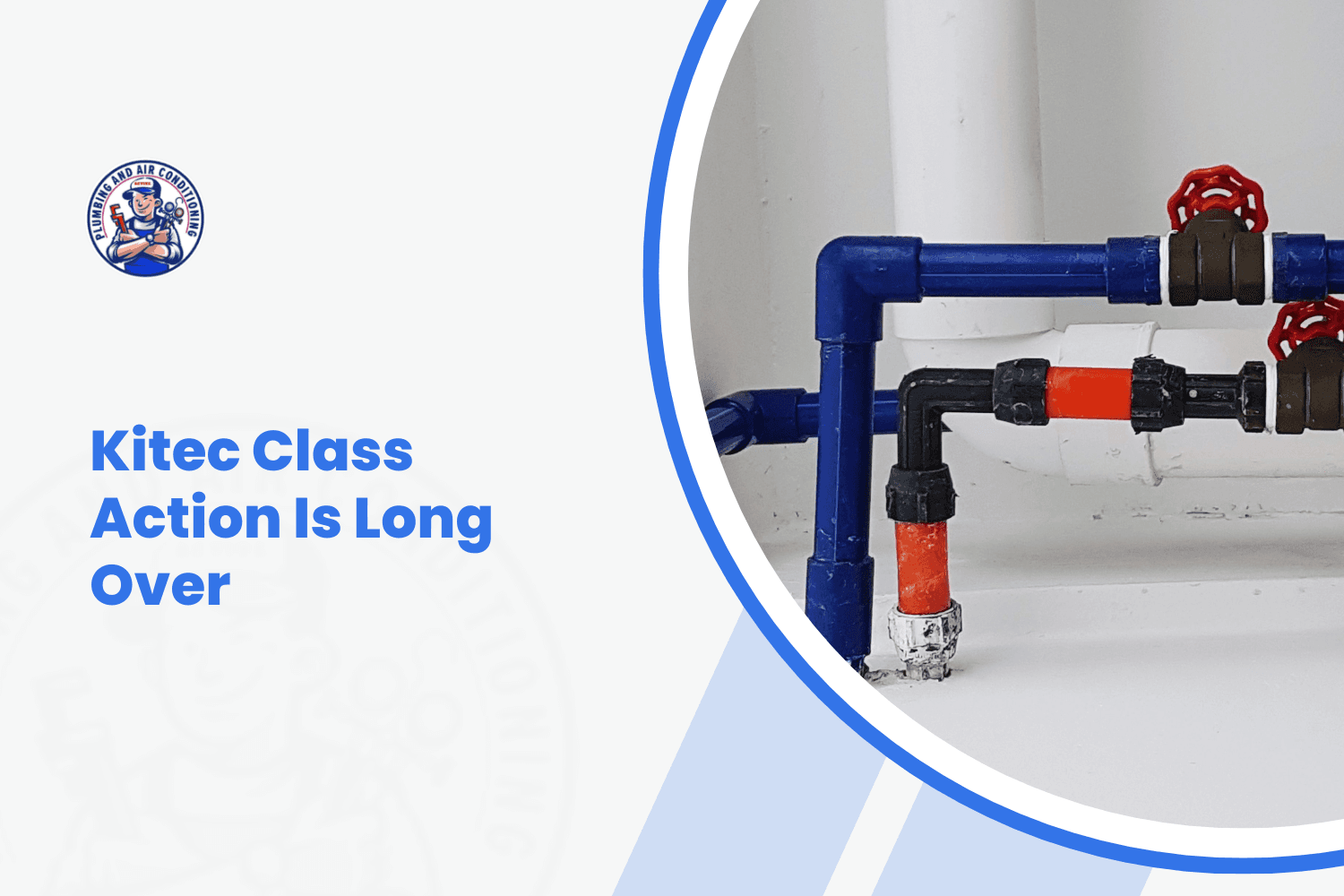
Kitec pipe usually comes in a few distinct colors. The classic sign is orange pipe for hot water lines and blue for cold. Some systems used a gray pipe for both.
Look for printed text running along the pipe surface. The words Kitec, IPEX, PlumbBetter, KERR, or codes like XPA appear in repeating labels. That printing is the clearest confirmation you are looking at the real thing.
The orange and blue combination is what catches most owners' eyes first, since standard modern PEX is more often red, blue, or white. If you see bright orange plastic pipe in a home built during the boom, that is a strong flag. Pair the color with a printed brand name and you have your answer.
Keep in mind that lighting in a garage can wash out colors. Wipe off any dust and use a good flashlight so you can actually read the printing on the pipe.
Checking the Water Heater and Manifold
The easiest place to start is the water heater. The connections coming off the top of the tank are usually exposed, and Kitec often shows up right there. Look at the pipe going in and out and check for that orange or gray color and printed labels.
Next, find the manifold. In many valley homes this sits in the garage or a utility closet. A manifold looks like a central hub where many pipe lines branch out to different rooms, almost like an octopus.
Kitec systems frequently used these manifolds, so finding one loaded with orange and blue lines is telling. Trace a few of the lines and read the printing where you can. If the manifold fittings look chalky or white with buildup, that corrosion is already underway.
These two spots, the water heater and the manifold, give you the fastest read on your whole system. If both show Kitec, it is safe to assume the rest of the house has it too.
When to Book a Professional Inspection
Sometimes the pipe is hidden or the markings are worn off. Guessing gets risky when a wrong call means either an unnecessary repipe or a missed failure waiting to happen. That is when a professional inspection earns its cost.
Our team at Active Plumbing confirms the material, maps where it runs, and checks the actual condition of the fittings. We can spot early corrosion that an owner would never notice from the outside. That gives you a clear picture instead of a hopeful guess.
We also use tools like electronic leak detection to find slow leaks that have not yet shown up as visible damage. Catching a weeping fitting early can save a ceiling or a floor. An inspection is far cheaper than emergency cleanup.
If your self-check leaves any doubt, or if the home is in a known Kitec neighborhood, book the inspection. Knowing for certain lets you plan on your own timeline instead of reacting to a 2 a.m. flood.
Repair Versus Full Repipe Options
Once Kitec is confirmed, owners face a choice. Do you patch problems as they pop up, or replace the whole system at once? With the settlement money gone, this decision comes down to cost and risk over time.
We walk every client through both paths honestly. The table below sums up how a spot repair compares to a full repipe for a typical valley home.
| Approach | Upfront Cost | Long-Term Risk |
|---|---|---|
| Spot repair | Low per fix | High, next fitting fails soon |
| Full repipe (PEX) | Moderate | Low, whole system replaced |
| Full repipe (copper) | Higher | Low, long service life |
Why Spot Repairs Rarely Solve It
A spot repair fixes the one fitting that failed today. The problem is that every other Kitec fitting in the house is the same age and sits in the same hard water. They are all aging along the same curve.
So fixing one leak often just tells you where the next one is coming from. We see owners chase recurring leaks for a year or two, paying for a service call each time. Those calls add up quickly and the drywall repairs pile on top.
There is also the damage factor. Each burst that happens before you catch it can soak flooring, cabinets, and drywall. One bad overnight failure can cost more than a planned repipe would have.
For a fitting or two on an otherwise young system, a repair makes sense. For aging Kitec across a whole boom-era home, patching is usually throwing good money after bad.
What a Full Repipe Involves
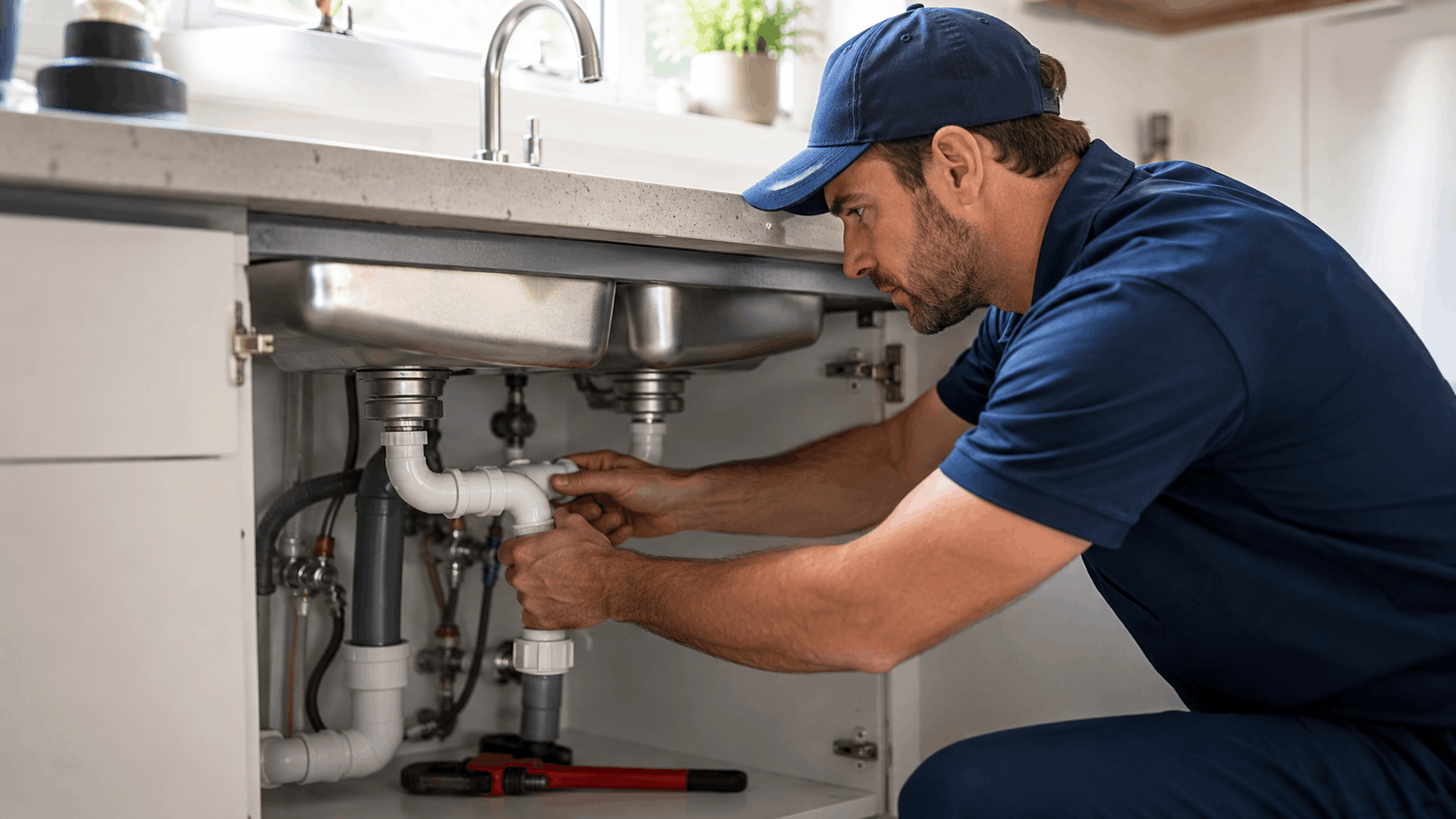
A full repipe replaces all the old Kitec supply lines with new pipe. The crew opens access points in the drywall, runs fresh lines to every fixture, and connects everything to the water heater and main. Old pipe is abandoned in place or removed where practical.
The process takes planning. We map the system first, then cut careful access holes rather than tearing out walls. Permits are pulled through the county, and inspections happen at the rough-in and final stages.
After the new lines pass inspection, the drywall gets patched and the home goes back to normal. Many owners pair a repipe with upgrades like a pipe and fixture service while the walls are already open. It is a good time to handle related work at once.
A copper repipe is one option, and PEX is the other. Both fully solve the Kitec problem because they remove the failing brass fittings from the equation entirely.
Choosing the Right Replacement Material
The two main choices are PEX and copper piping. PEX is modern flexible plastic pipe, but it uses different, reliable fittings and has no aluminum core to fail. Copper is the traditional rigid metal pipe that has served homes for decades.
For our local water, both work well when installed correctly. PEX resists scale buildup and handles hard water nicely, and it costs less to install because it goes in faster. It also tolerates the temperature swings a garage sees in the desert.
Copper carries a longer track record and some owners simply prefer metal. It costs more and takes longer to install, but it lasts a very long time. Either choice ends the Kitec failure cycle for good.
We help each owner weigh budget, timeline, and preference. For most valley homes we repipe, quality PEX offers the best balance of cost and durability against our mineral-heavy supply.
Need Help in Las Vegas?
Active Plumbing serves Las Vegas and all of Las Vegas Valley.
Permits, Codes, and HOA Rules in the Valley
A repipe is real construction, so the paperwork matters. Skipping permits can cause problems when you sell or file an insurance claim later. Doing it right the first time protects the owner.
Here is what a valley repipe involves on the red tape side, from permits to inspections to HOA approvals.
- A plumbing permit is required for a repipe in Clark County.
- The work must pass rough-in and final inspections.
- HOA communities may have rules about exterior access and scheduling.
- Licensed work protects your insurance and resale position.
Pulling a Permit in Clark County
Most valley homes fall under the Clark County Building Department, while homes inside city limits go through the City of Las Vegas, Henderson, or North Las Vegas. A repipe requires a plumbing permit before work begins. This is standard and not something to skip.
As a licensed contractor, we handle the permit filing for our clients. We submit the scope of work and pull the permit under our license. That keeps the project on the right side of local rules from day one.
You can review permit basics on the Clark County government site. The requirements protect the homeowner by making sure the work meets current standards. A permitted repipe is documented, which helps at resale.
An unpermitted repipe can come back to bite an owner when a buyer's inspector asks for records. It is cheaper and cleaner to do it properly from the start.
Inspections and Code Requirements
A permitted repipe gets checked at two points. The rough-in inspection happens after the new lines are run but before the drywall closes up. This lets the inspector see the actual pipe, fittings, and connections.
The final inspection comes after the walls are patched and everything is buttoned up. The inspector confirms the finished work meets the current plumbing code. Only then is the job officially complete in the county's eyes.
Current code sets standards for pipe support, fittings, and pressure that new water lines must meet. Modern PEX and copper installed by a licensed crew clear these requirements without trouble. The inspections exist to catch shortcuts, which we do not take.
Owners sometimes worry inspections slow things down. In practice they add only a short scheduling step, and passing them gives real assurance the system is sound.
Working With HOA Communities
Many valley homes sit inside a master-planned community with an active HOA. Places like Summerlin, Anthem in Henderson, and Aliante have architectural rules and access guidelines. Most repipe work is interior, so it rarely triggers HOA review.
Where HOA approval can come into play is any exterior work, such as accessing a wall from outside or staging equipment in a shared area. It also helps to give neighbors a heads up when trucks will be parked out front for a day or two. A quick courtesy note keeps everyone happy.
We work in these communities constantly, from Summerlin West to the gated sections of Lake Las Vegas. We know how to keep a job low-profile and respectful of community standards. Clean, contained, and quiet is the goal.
If your HOA does require any notice, we can help you understand what to submit. Most of the time the interior nature of a repipe keeps the paperwork light.

Costs, Timelines, and Insurance Now That the Fund Is Gone
With no settlement money to lean on, owners want real numbers. Below are honest ranges for what a repipe costs and how long it takes in the valley. We also cover how insurance and home sales factor in.
Every home is different, so treat these as ballpark figures. A firm quote comes after we see the actual layout.
| Item | Typical Range |
|---|---|
| Single-story PEX repipe | $4,000 - $8,000 |
| Two-story or larger repipe | $8,000 - $15,000+ |
| Copper upgrade | Add 30-50% over PEX |
| Project duration | 1 to 4 days typical |
Typical Repipe Price Ranges
For a single-story valley home, a PEX repipe often lands in the repipe price range of roughly $4,000 to $8,000. The exact figure depends on square footage, number of bathrooms, and how easy the access is. A simple one-bath home sits at the low end.
Two-story homes and larger floor plans push the cost range higher, commonly $8,000 to $15,000 or more. Upstairs plumbing means more access points and more labor. Homes with finished basements or tricky layouts add to that.
Choosing copper instead of PEX typically adds 30 to 50 percent because of material and labor. That premium buys the long metal service life some owners want. For most homes we recommend quality PEX as the better value.
These numbers are for planning only. The real quote comes from seeing your home, but they give owners a realistic frame instead of a scary unknown.
How Long the Job Takes
Most single-story repipes wrap up in one to two days for the plumbing work. The repipe timeline stretches when drywall patching and paint are added, which can push the full finish out a few more days. We keep the plumbing portion tight.
Larger two-story homes run longer, often two to four days for the pipe work. The project duration depends on home size, access, and how many fixtures are involved. Older homes with plaster or difficult wall access take extra care.
We aim to keep water service on as much as possible during the job. In many cases the home only loses water for short stretches, not the whole project. That makes staying home during the work far more manageable.
Before we start, we give a realistic schedule so owners can plan around it. Surprises on timing are avoidable when the crew maps the work in advance.
Insurance Coverage and Selling Your Home
Insurers have grown wary of Kitec. Once a company knows a home has it, they may raise rates, exclude related claims, or push for replacement. Insurance coverage for a sudden burst may apply, but a known aging system is a different conversation.
Most policies cover sudden, accidental water damage but not gradual failure or neglect. A fitting that bursts overnight might be covered for the water cleanup, though the pipe replacement itself often is not. Guidance from the Insurance Information Institute explains how these distinctions work.
When selling, Nevada law requires honest seller disclosure of known material defects, and Kitec qualifies. Buyers' inspectors know to look for it, so hiding it is neither legal nor practical. A home with active Kitec can lose negotiating power or scare off buyers.
Many sellers repipe before listing so they can market a home with new plumbing. It removes a bargaining chip from the buyer and often pays for itself in a smoother sale.
How Active Plumbing Handles Kitec Replacement
We have replaced Kitec in homes across the valley, from Summerlin villages to Aliante and Green Valley. Our approach centers on getting owners a clear answer and a clean job with minimal mess. Here is how we run a Kitec replacement from start to finish.
- We confirm the pipe and map the whole system first.
- We give a clear written estimate with no surprises.
- We limit drywall openings and protect floors during the work.
- We back the job with a workmanship warranty and follow-up.
Our Inspection and Quote Process
Every project starts with a proper look. Our free estimate visit confirms whether the home actually has Kitec and where it runs. Guessing has no place in a repipe quote.
The system mapping step traces the lines from the main to every fixture. We note the manifold location, the water heater connections, and any tricky access spots. That map drives an accurate scope and price.
From there we write a clear estimate that spells out the material, the access plan, and the timeline. There are no vague line items or mystery add-ons. Owners know what they are paying for before we lift a tool.
As a local Las Vegas plumber, we also flag any related issues we spot, like an aging water heater or corroded shutoffs. Handling them together while walls are open saves money down the road.
Protecting Your Home During the Work
A repipe should not wreck the house to fix the pipes. We plan drywall access carefully, cutting the fewest and smallest openings that still let us do clean work. Neat cuts mean easier, cheaper patching afterward.
Our crew treats home protection as part of the job, not an afterthought. We lay down floor coverings, contain dust, and keep the work areas tidy each day. Owners are not left with a construction zone at night.
We keep water on wherever the layout allows, so the household is not fully shut off for days. When we do need to cut water, we schedule those stretches to be short and predictable. Living through a repipe should be an inconvenience, not a nightmare.
If a burst has already caused damage, we can move fast. Our burst pipe repair team handles urgent failures and can roll the fix into a full repipe plan.
Warranty and Follow-Up Support
We stand behind the work with a workmanship warranty. The new PEX or copper system comes with its own material warranty, and our labor is backed as well. Owners get real coverage on both fronts.
After the job passes final inspection, we do our own follow-up walkthrough. We check the new connections, test pressure at fixtures, and confirm there are no drips. That last look gives owners confidence the system will hold.
We also stay reachable after the project wraps. If a question comes up weeks later about the new plumbing, our team answers. A repipe is a long-term investment, and we treat the relationship the same way.
The goal is simple. When we leave, the Kitec worry leaves with us, and the owner has a system built to outlast the last one by decades.

Need Help in Las Vegas?
Active Plumbing serves Las Vegas and all of Las Vegas Valley.
Final Thoughts
The Kitec class action is genuinely over, and no amount of waiting brings that money back. What remains in your control is the pipe itself and the choice to deal with it before it fails on its own terms.
A planned repipe on your schedule beats a 2 a.m. burst every time. It protects your home, your insurance standing, and your resale position all at once.
If your home in Summerlin, Henderson, Aliante, or anywhere in the valley might have Kitec, reach out to our team. Contact Active Plumbing for an inspection and a clear written estimate, or call us to talk through your options today.
Frequently Asked Questions
Can I still file a Kitec class action claim in 2026?
No. The Kitec class action claim window closed on January 9, 2020, and it has not reopened. No new claims are being accepted, and there is no revived fund or extension for owners who discover the pipe now. Anyone telling you otherwise should be viewed with caution. The realistic path today is treating the repipe as a normal home repair, not a reimbursable settlement event.
How do I know if my Las Vegas home has Kitec pipes?
Check the pipe near your water heater and any manifold in the garage or utility closet. Kitec is usually orange for hot lines and blue for cold, or sometimes gray, with printed labels reading Kitec, IPEX, PlumbBetter, or KERR. Homes built between 1995 and 2007 are the main suspects. If the color and markings match, or you are unsure, book a professional inspection to confirm the material and its condition.
How much does a Kitec repipe cost in Las Vegas?
A single-story PEX repipe typically runs about $4,000 to $8,000, while two-story or larger homes range from $8,000 to $15,000 or more. Choosing copper adds roughly 30 to 50 percent over PEX. Final cost depends on square footage, number of bathrooms, and access. These are planning figures only, so a firm quote comes after we inspect the actual home and map the plumbing.
Is Kitec plumbing dangerous or just a leak risk?
The main danger is water damage and mold from a sudden fitting failure. When a brass fitting fails, it can burst without warning and flood a room overnight. Standing water and hidden moisture inside walls can lead to mold growth and structural damage. The water itself is not toxic, but the property damage from an unexpected burst can be severe and expensive, which is why proactive replacement is smart.
Will my homeowners insurance cover a Kitec failure?
It depends on the situation. Most policies cover sudden, accidental water damage, so cleanup from a surprise burst may be covered. Gradual leaks or damage from a known aging system often are not. Some insurers raise rates or exclude claims once they know a home has Kitec. Check your specific policy, and review general guidance from the Insurance Information Institute to understand sudden versus gradual damage rules.
Do I have to replace all the Kitec at once?
You do not have to, but a full repipe usually beats piecemeal repairs. Every Kitec fitting in the home is the same age and sits in the same hard water, so fixing one often means chasing the next failure soon after. Repeated service calls and drywall repairs add up fast. A single planned repipe removes the whole failing system and ends the cycle for decades.
Can I sell my house with Kitec plumbing?
Yes, but Nevada law requires disclosing known material defects, and Kitec qualifies. Buyers' inspectors routinely look for it, so it will likely surface during the sale. Homes with active Kitec often face lower offers or nervous buyers. Many sellers repipe before listing so they can market new plumbing, remove a negotiating chip, and enjoy a smoother closing. Being upfront protects you legally and practically.
How long does a whole-home repipe take?
Most single-story homes take one to two days for the plumbing work, while larger two-story homes run two to four days. Drywall patching and paint can add a few more days to the full finish. We keep water on where the layout allows and schedule any shutoffs to be short. We provide a realistic schedule before starting so owners can plan around the work.
Do I need a permit to replace Kitec in Clark County?
Yes. A repipe requires a plumbing permit through the Clark County Building Department, or the relevant city department if you are inside Las Vegas, Henderson, or North Las Vegas limits. The work must pass rough-in and final inspections. As a licensed contractor, we pull the permit and handle the inspection scheduling. Permitted work protects your insurance standing and gives you clean documentation at resale.
What should I replace Kitec with in the Las Vegas Valley?
PEX and copper are the two main choices, and both solve the Kitec problem by removing the failing brass fittings. For our hard, mineral-heavy water, quality PEX offers the best balance of cost and durability, resists scale, and installs faster. Copper has a longer track record and appeals to owners who prefer metal, but it costs more. We help each owner choose based on budget, timeline, and preference.
Frequently Asked Questions
- Can I still file a Kitec class action claim in 2026?
- No. The Kitec class action claim window closed on January 9, 2020, and it has not reopened. No new claims are being accepted, and there is no revived fund or extension for owners who discover the pipe now. Anyone telling you otherwise should be viewed with caution. The realistic path today is treating the repipe as a normal home repair, not a reimbursable settlement event.
- How do I know if my Las Vegas home has Kitec pipes?
- Check the pipe near your water heater and any manifold in the garage or utility closet. Kitec is usually orange for hot lines and blue for cold, or sometimes gray, with printed labels reading Kitec, IPEX, PlumbBetter, or KERR. Homes built between 1995 and 2007 are the main suspects. If the color and markings match, or you are unsure, book a professional inspection to confirm the material and its condition.
- How much does a Kitec repipe cost in Las Vegas?
- A single-story PEX repipe typically runs about $4,000 to $8,000, while two-story or larger homes range from $8,000 to $15,000 or more. Choosing copper adds roughly 30 to 50 percent over PEX. Final cost depends on square footage, number of bathrooms, and access. These are planning figures only, so a firm quote comes after we inspect the actual home and map the plumbing.
- Is Kitec plumbing dangerous or just a leak risk?
- The main danger is water damage and mold from a sudden fitting failure. When a brass fitting fails, it can burst without warning and flood a room overnight. Standing water and hidden moisture inside walls can lead to mold growth and structural damage. The water itself is not toxic, but the property damage from an unexpected burst can be severe and expensive, which is why proactive replacement is smart.
- Will my homeowners insurance cover a Kitec failure?
- It depends on the situation. Most policies cover sudden, accidental water damage, so cleanup from a surprise burst may be covered. Gradual leaks or damage from a known aging system often are not. Some insurers raise rates or exclude claims once they know a home has Kitec. Check your specific policy, and review general guidance from the Insurance Information Institute to understand sudden versus gradual damage rules.
- Do I have to replace all the Kitec at once?
- You do not have to, but a full repipe usually beats piecemeal repairs. Every Kitec fitting in the home is the same age and sits in the same hard water, so fixing one often means chasing the next failure soon after. Repeated service calls and drywall repairs add up fast. A single planned repipe removes the whole failing system and ends the cycle for decades.
- Can I sell my house with Kitec plumbing?
- Yes, but Nevada law requires disclosing known material defects, and Kitec qualifies. Buyers' inspectors routinely look for it, so it will likely surface during the sale. Homes with active Kitec often face lower offers or nervous buyers. Many sellers repipe before listing so they can market new plumbing, remove a negotiating chip, and enjoy a smoother closing. Being upfront protects you legally and practically.
- How long does a whole-home repipe take?
- Most single-story homes take one to two days for the plumbing work, while larger two-story homes run two to four days. Drywall patching and paint can add a few more days to the full finish. We keep water on where the layout allows and schedule any shutoffs to be short. We provide a realistic schedule before starting so owners can plan around the work.
- Do I need a permit to replace Kitec in Clark County?
- Yes. A repipe requires a plumbing permit through the Clark County Building Department, or the relevant city department if you are inside Las Vegas, Henderson, or North Las Vegas limits. The work must pass rough-in and final inspections. As a licensed contractor, we pull the permit and handle the inspection scheduling. Permitted work protects your insurance standing and gives you clean documentation at resale.
- What should I replace Kitec with in the Las Vegas Valley?
- PEX and copper are the two main choices, and both solve the Kitec problem by removing the failing brass fittings. For our hard, mineral-heavy water, quality PEX offers the best balance of cost and durability, resists scale, and installs faster. Copper has a longer track record and appeals to owners who prefer metal, but it costs more. We help each owner choose based on budget, timeline, and preference.
A
Licensed plumbing professionals serving Las Vegas and Las Vegas Valley.
Licensed in Nevada · License #0047021
Last updated on
Why trust Active Plumbing?
Founded in 1991, Active Plumbing is a licensed and insured plumber serving Las Vegas and Las Vegas Valley. All content is reviewed by our licensed technicians.

Need Help in Las Vegas?
Active Plumbing serves Las Vegas and all of Las Vegas Valley.
Related Articles

Tips & Advice
Best Leak Detection Method in Las Vegas (Slab, Yard, Wall, and Ceiling Leaks)
Discover the most effective leak detection methods for Las Vegas homes including slab, yard, wall, and ceiling leaks. Professional techniques that save money and prevent damage.
Safety & Prevention
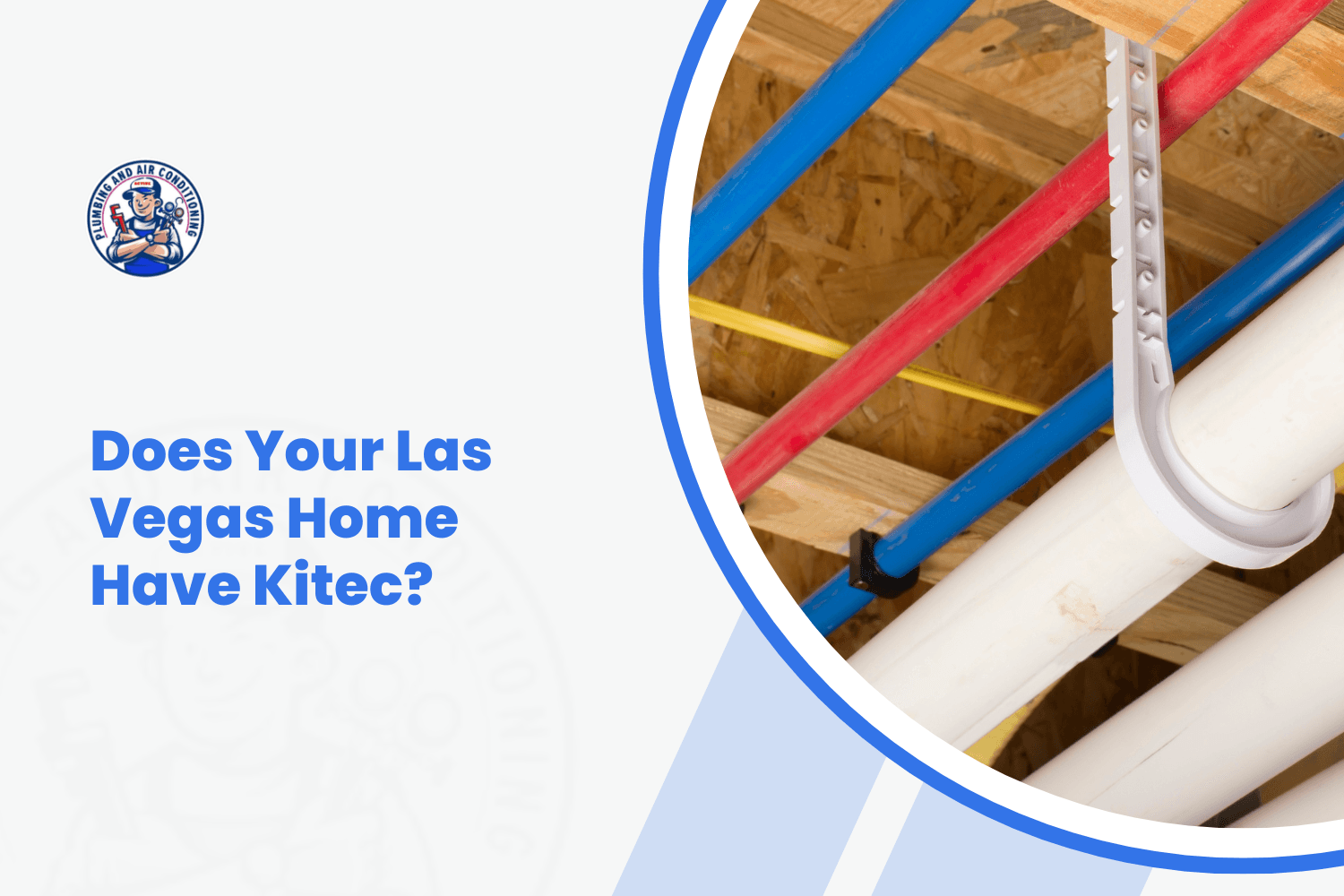
Does Your Las Vegas Home Have Kitec? The 1995-2007 Builds in Summerlin, Green Valley, and Anthem Most Affected
Homes built in Las Vegas between 1995 and 2007 often have failing Kitec plumbing. Learn how to spot it in Summerlin, Green Valley, and Anthem, and how to fix it.
Tips & Advice
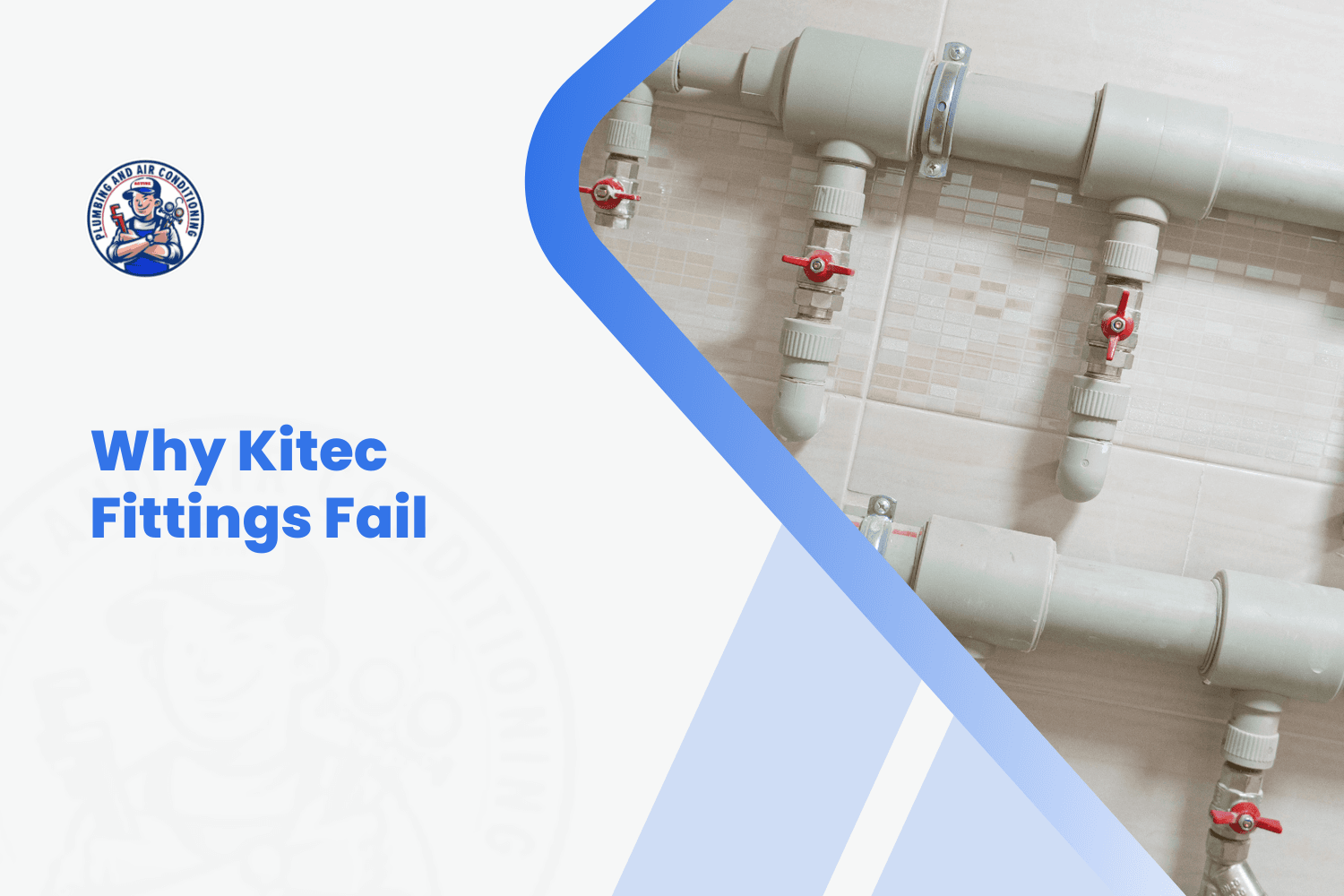
Why Kitec Fittings Fail: Dezincification Chemistry Meets Las Vegas Water
Kitec fittings fail fast in Las Vegas because dezincification meets hard, hot valley water. Learn the warning signs, risks, and repipe options.