Water Heater and Recirculation Service for Lake Las Vegas Estates

Looking for a Plumber? Contact Us Now
Open 24/7. Written price before work starts.
Get Your Quote
Tell us what's going on and we'll get back to you. We're open 24/7.
Key Takeaways
- Lake Las Vegas estates run multiple water heaters and long recirculation loops, so distance from the heater is the problem recirculation exists to solve.
- The valley's water is 280 ppm, about 16 grains per gallon, categorized very hard, and a continuous loop pushes that hard water across hot surfaces day and night.
- Scale builds on heater elements, inside high-end cartridges, in tankless heat exchangers and in the recirculation loop itself, shortening equipment life.
- Whole-house softening or salt-free conditioning plus regular flushing and tankless descaling protect an expensive estate system; a scheduled plan suits second homes.
- A water heater or loop failure in an empty estate can run for weeks; leak detection with automatic shut-off and a pre-season check are proportionate protections here.
- Much of the community falls inside the Kitec window of 1995 to 2007; Kitec fails by dezincification that restricts flow and is a planned repipe candidate.
- Lake Las Vegas is inside the City of Henderson, so permits run through Henderson Development Services, and a master association's design review can apply to exterior work.
- Active Plumbing holds Nevada license NSCB #0047021, licensed since 1991, verifiable at nvcontractorsboard.com, and gives a written price before work begins.
In This Article
An estate off Lake Las Vegas Parkway does not run on one water heater the way a tract home does. It runs on two or three, long recirculation loops that push hot water out to far bathrooms and a casita, and a mechanical setup that has to serve a footprint measured in thousands of square feet. All of that equipment is working against the same thing every other home in the valley fights: very hard water that leaves scale on every hot surface it touches.
On a single-heater home, hard water is a slow nuisance. On an estate with a loop running day and night, it is a system-wide problem that shows up in several places at once. Scale lands on heater elements and tank bottoms, narrows the loop itself, and clogs the fine passages inside expensive mixing valves. Left alone, it turns into slow hot water, a pump that labors, and heaters that fail years before their rated life.

Why Estate Water Heating in Lake Las Vegas Is a Different Job?
Lake Las Vegas sits in east Henderson, wrapped around a 320 acre private lake, built from the late 1990s onward as a guard-gated resort community of custom estates, villas, condominiums and resort hotels. The homes here are not single-heater houses. Their size, their layout and the way owners use them change what the equipment has to do and how often it needs attention.
A custom estate is an estate-scale system: multiple water heaters, long hot water runs with recirculation often running continuously, many bathrooms with high-end fixtures, pool and spa gas, outdoor kitchens and fire features, and often a casita with its own services. That is a far larger hot water demand than a standard home places on its plumbing, and it means more equipment aging at the same time against the same hard water.
The City of Henderson is the authority for this community, and the four customer types here each change the job before anyone orders a part. The table below lays out what sets estate water heating apart.
| Factor | Standard valley home | Lake Las Vegas estate |
|---|---|---|
| Water heaters | One | Two or more, sometimes a mix of tank and tankless |
| Hot water runs | Short, central | Long runs to far bathrooms and a casita |
| Recirculation | Often none | Loop, frequently running continuously |
| Fixtures | Standard | High-end mixing valves and cartridges |
| Occupancy | Full-time | Often a second home, seasonally occupied |
Multiple Heaters and Long Hot Water Runs
Estates off MonteLago Boulevard and in the SouthShore area frequently carry more than one water heater. A single tank cannot keep up with the demand of many bathrooms, a kitchen, an outdoor kitchen and a casita all drawing at once, so builders split the load across units placed closer to the zones they serve. That keeps the supply steady, but it also means two or three heaters all scaling at the same time.
The real problem these systems solve is distance. On a large footprint, the hot water tap at a far bathroom can sit a long way from the nearest heater. Every time someone opens that tap, the cooled water sitting in the pipe has to run out before hot water arrives, which can take a full minute or more at the end of a long branch.
That wait is wasted water and wasted time, and on an estate with a casita set apart from the main house the run can be even longer. A recirculation loop exists precisely to close that gap. It keeps hot water near the fixture so it arrives quickly instead of running cold while the owner stands there waiting.
When flow drops at those far fixtures, the cause is not always the heater. It can be the loop, the pump, scale in the line, or aging pipe feeding the system, which is why a proper diagnostic looks at the whole hot water path rather than just the tank.
What a Recirculation System Actually Does
A recirculation loop is a return line that carries hot water in a continuous circle from the heater, out to the far fixtures, and back again. A small pump keeps that water moving so the pipe near each tap stays warm. The result is hot water that arrives fast instead of a long cold run while the pipe clears.
There are two broad approaches. A continuous system runs the pump around the clock, so hot water is always ready at every fixture on the loop. That delivers the shortest wait but keeps the heater cycling and keeps hot water in constant contact with the pipe and the pump.
An on-demand setup runs the pump only when it is needed, often triggered by a button, a sensor or a timer, so hot water is primed just before someone uses a fixture. That cuts the energy and the constant cycling of a continuous loop while still shortening the wait at the tap. The right choice depends on how the estate is used and how the loop is laid out.
On a large home the loop is long and the pump matters. A pump that is undersized, worn or fighting scale cannot keep the whole loop warm, and the owner notices it first as hot water that is slow to arrive at the farthest bathroom. A recirculation pump installation sized to the estate's actual footprint is what keeps that from happening.
Why Continuous Recirculation Works Harder Here
A continuous loop running across a large estate footprint keeps pushing water through the heater and the pipe all day and all night. Every pass warms the water, and every pass carries the valley's very hard water across the same hot surfaces again. That is far more heating cycles and far more scale contact than a small home will ever see.
The hardness is the reason this matters. The Southern Nevada Water Authority states the valley's water is 280 parts per million, or 16 grains per gallon, which is categorized as very hard. Hot water drops its dissolved minerals onto surfaces faster than cold water does, so a loop that keeps hot water moving around the clock is a nonstop scale machine.
On a continuous system the heater never gets a long rest. It cycles to hold the loop temperature, and each cycle is another chance for calcium and magnesium to settle on the elements and the tank bottom. The pump and the return line take the same steady exposure.
None of this means a continuous loop is the wrong choice for a large estate. It means the system needs treatment and regular service to stay ahead of the scale it is bound to collect. Owners who skip that maintenance find the loop slows and the heaters fail earlier than they should.
Tank, Tankless and Mixed Setups
Many estates here run a mix of equipment. Tank heaters handle volume, holding a large reserve of hot water for heavy simultaneous demand, while tankless units serve specific zones such as a casita or a distant wing where a dedicated on-demand source makes sense. A mixed setup lets the system match the right heater to each part of the house.
Tank heaters are simple and hold a buffer, but they store water constantly and that stored water sits in contact with any sediment that settles out of the valley's hard water. Tankless units heat water as it flows, so they take up less space and avoid standby loss, but they move that water through a very narrow heat exchanger.
That narrow path is the catch here. Scale builds faster in a tankless heat exchanger than in a tank because the water passage is so tight, so tankless units need a different maintenance approach, mainly regular descaling to keep that passage clear. A tankless water heater installation in very hard water often pairs with a pre-filter and a descaling schedule from day one.
Point-of-use heaters serve a single fixture, like a far sink, with instant hot water and no long run at all. Whatever the mix, each type carries its own service needs, and on an estate that means a plan that covers the tank heaters, the tankless zones and the loop together rather than one at a time.
Get Your Quote
Tell us what's going on and we'll get back to you. We're open 24/7.
How Very Hard Water Shortens the Life of Estate Systems?
The single biggest factor behind heater and recirculation failures in this valley is water hardness. It is not a minor water-quality footnote. It is the one thing that explains more plumbing failures in Las Vegas than anything else, and on an estate with several heaters and a continuous loop it shows up in several places at once.
The honest framing is that very hard water deposits calcium and magnesium scale throughout a system, and the consequences are specific and predictable. Scale builds on water heater elements and tank bottoms and shortens heater life. It narrows the bore of supply lines over years. It clogs the small passages inside mixing valves and cartridges, and it leaves the white crusting owners describe as hard water stains on stone, glass and polished finishes.
Because an estate has more hot water surface area than any standard home, every one of those effects is multiplied. The sections below break down where the scale lands and why the loop and the tankless units feel it first.
The Valley's Water Is 280 ppm, About 16 Grains Per Gallon
The Southern Nevada Water Authority reports the valley's treated water hardness at 280 parts per million as calcium carbonate, which is about 16 grains per gallon. That figure is categorized as very hard. It is the published municipal number, and it is the water every estate system in Lake Las Vegas runs on.
About 90 percent of valley water comes from Lake Mead, the Colorado River source, treated by SNWA and delivered to homes here. So this is not well water with unpredictable chemistry. It is a consistent, very hard supply that behaves the same way in every home on the loop.
If an owner runs a home test and sees a higher number, that is their own reading from their own water, which can reflect their plumbing or their test method. The municipal figure for the valley stays 280 ppm, roughly 16 grains per gallon. Where a current water-quality detail is in question, it can be confirmed with SNWA or the water provider. You can read more on the Southern Nevada Water Authority site.
What the number means in practice is simple. Water this hard leaves mineral behind everywhere it is heated and everywhere it sits, and the harder the water, the faster that happens. On an expensive estate system, that is the baseline every piece of equipment has to survive.
Where Scale Builds First on an Estate
Calcium and magnesium scale lands first on the hottest and most-used surfaces. On a tank heater that means the elements and the tank bottom, where minerals settle out and bake into a hard crust. That crust forces the heater to work harder to move heat through it, which wastes energy and shortens the heater's life.
On a multi-heater estate, that is not one tank scaling. It is two or three tanks collecting sediment at the same time, each one losing efficiency and inching toward failure on its own timeline. A heater that should have lasted its full rated life gives out early because it has been fighting through a layer of scale for years.
Scale also narrows the bore of supply lines over the years, slowly choking down the flow that reaches each fixture. And it clogs the narrow passages inside the high-end mixing valves and cartridges that estates favor, which is where it gets expensive. Those cartridges are costly and slow to replace, and hard water is what fouls them.
The same scale clogs aerators and shower heads and leaves the white crusting on stone, glass and polished finishes that owners notice first. On a finished estate with high-end bathrooms, that visible marking and the hidden cartridge fouling both trace back to the same 280 ppm water.
Tankless Heat Exchangers and the Narrowest Water Path
Scale accelerates failure in tankless units because the heat exchanger is a narrow passage. Where a tank has a large volume that can tolerate some sediment on the bottom, a tankless unit forces all of its water through a tight channel that heats fast. Mineral buildup in that channel chokes flow and heat transfer much sooner.
That is why descaling matters more for a tankless unit than for a tank. A tank benefits from periodic flushing to clear settled sediment, but a tankless heat exchanger needs an actual descaling cycle that circulates solution through the passage to dissolve the buildup. Skip it in very hard water and the unit loses output and eventually fails.
Because of that, a pre-filter is sometimes added where hard water calls for one. It captures some of the mineral load before it reaches the exchanger, slowing the rate at which scale forms inside the narrow passage. On estates with tankless zones serving a casita or a far wing, that pre-filter can be the difference between regular easy descaling and frequent repairs.
The takeaway for an estate owner with a mixed setup is that the tankless units set the maintenance pace. They are the most sensitive part of the hot water system to the valley's hardness, so a service plan built around them keeps the whole setup healthier.
Scale in the Recirculation Loop Itself
The loop takes a beating that a non-recirculating home never sees. Because the loop runs hot water past the same surfaces constantly, scale builds up inside the recirculation line and around the pump. The water is hot, it is always moving, and it is always depositing minerals, so the loop collects buildup faster than a line that only carries water when a tap is open.
As scale narrows the loop and coats the pump, flow through the circle drops. The pump has to work harder to push water around a restricted line, and it may no longer keep the far end of the loop warm. The owner experiences that as hot water that is slow to arrive at the farthest bathroom, even though the heaters themselves are fine.
A pump fighting a scaled line also wears out faster. It runs hotter and harder than it was sized for, which shortens its service life and can leave an estate without the fast hot water the loop was installed to provide. A slow loop and a struggling pump are often the first visible sign that scale has taken hold.
This is why treating the water and servicing the loop go together. Keeping the mineral load down protects the line and the pump, and periodic service keeps the loop clear so the whole system delivers hot water the way it was designed to.
Need Help in Las Vegas?
Active Plumbing serves Las Vegas and all of Las Vegas Valley.
Protecting the System: Softeners, Conditioning and Flushing
The honest framing in this valley is that water treatment and regular flushing extend equipment life rather than being optional luxuries. Whole-house softeners, scale-reduction systems and regular water heater flushing are the standard responses to 280 ppm water. On an expensive estate system, that protection pays for itself in avoided cartridge and heater replacements.
An estate carries high-end fixtures, multiple heaters and a long loop, and every one of those is vulnerable to the same scale. Protecting them all at the source with treatment, then keeping the system clear with scheduled service, is far cheaper over time than replacing scaled heaters and fouled cartridges one failure at a time.
The sections below cover the treatment options, the flushing and descaling routine, and why a standing maintenance arrangement fits second homes so well.
Whole-House Softening and Scale-Reduction Options
A whole-house softener treats the water for the entire home before it reaches any heater or fixture. It removes the calcium and magnesium that cause scale, so the water arriving at every tank, every tankless zone and every cartridge is far gentler on the equipment. On an estate, that protects multiple heaters, long runs and high-end fixtures all at once from a single point.
Salt-free scale-reduction systems take a different approach. Rather than removing the minerals, they condition the water so the scale is less likely to stick to surfaces. They need no salt and little upkeep, which suits owners who want scale protection without maintaining a brine tank. Both are standard responses to the valley's hardness, and the right one depends on the home and the owner's preferences.
Typical installed market ranges in the Las Vegas Valley run $800 to $2,500 for a water softener installation and $800 to $2,500 for salt-free water conditioning installed. A whole-house filtration system also runs $800 to $2,500. These are typical ranges for the area, not a quote, and the actual price for a specific job is given in writing before work begins.
For an estate, the value is that one treatment system defends the entire hot water setup. Instead of replacing scaled cartridges and failing heaters piece by piece, the owner stops much of the scale before it ever forms. Our water treatment options cover softening, conditioning and filtration for exactly this purpose.
Regular Flushing and Tankless Descaling
A tank left unflushed works harder and fails earlier than its rated life. Sediment settles on the bottom of the tank, insulates the water from the heat source, and forces the heater to run longer to reach temperature. Periodic flushing clears that sediment out and lets the heater work the way it was built to.
Tankless units need descaling rather than flushing. Because the heat exchanger is a narrow passage, it needs a circulated descaling solution to dissolve the mineral buildup inside it. Typical tankless maintenance and descaling runs $150 to $250 as a market range in the valley. Doing it on a schedule keeps the exchanger clear and the unit at full output.
On an estate with a mix of tank and tankless units feeding a loop, doing both matters. Flushing the tanks keeps their efficiency up, descaling the tankless zones keeps their narrow passages open, and together they keep the whole hot water path, including the loop and the fixtures, running clear. Neglect one and scale from that unit still circulates through the system.
Owners who stay ahead of this rarely face the sudden failures that come from years of ignored buildup. The work is routine, predictable and far cheaper than the equipment it protects. Our water heater services cover both flushing and tankless descaling for valley homes.
A Scheduled Maintenance Arrangement for Second Homes
A standing maintenance plan covering heater flushing, tankless descaling and filter changes fits second-home owners particularly well, because the work happens whether or not they are in residence. An owner who spends only part of the year in Lake Las Vegas does not have to remember to schedule service or worry that a season has slipped by with the heaters collecting scale.
The resort-community reality here makes this more useful than almost anywhere else in Henderson. A large share of property is second homes, seasonally occupied or rented out, so the person responsible for the equipment may be hundreds of miles away for months at a time. A scheduled arrangement means the service still gets done on time.
A plan like this typically covers the tank flushing, the tankless descaling, and the filter changes for any treatment or pre-filter system, all on a set interval. On an estate with several heaters and a continuous loop, that keeps the whole system clear without the owner having to coordinate anything from out of town.
It also means a professional lays eyes on the system regularly, which catches small problems while they are still small. A worn pump, a weeping fitting or a heater starting to fail turns up during routine service rather than as a flood in an empty house.
The Second-Home Risk That Changes Everything Here
A large share of Lake Las Vegas property is second homes, seasonally occupied or rented out, and that single fact changes the risk profile more than anything else in this community. A water heater or loop failure in an empty estate runs until someone notices, and on a large house set behind a guard gate, that can be weeks.
Henderson's own numbers show how many homes here are not owner-occupied full time. Across the city, 33.9 percent of homes are rented, and in a resort community like Lake Las Vegas the share of seasonally occupied and rented property runs higher still. The decision maker on a job is often not the person standing in the house, which is why establishing who is responsible comes first.
This is the single most valuable preventive conversation available in Lake Las Vegas, more relevant here than in any other Henderson community. The sections below cover why an empty house turns a leak into a disaster and the proportionate protections that stop it.
Why an Empty Estate Turns a Leak Into a Disaster
A failure in an unoccupied house runs until someone notices. In an occupied home, a leaking heater or a burst loop line gets caught in hours, when someone hears water running or sees a wet floor. In an empty estate, there is no one to catch it, and on a large property that can mean weeks of water running unchecked.
That difference turns a small failure into a large one. Damage in an occupied house might be measured in hundreds of dollars. In an empty estate the same failure can run into tens of thousands, because the water keeps coming while flooring, cabinetry, drywall and finishes soak and the problem compounds day after day.
Water heater tanks and recirculation lines are exactly the kind of equipment that can fail without warning. A tank can rust through at the bottom and release its full volume, then keep refilling and leaking. A loop fitting or a scaled pump can give out, and because the loop is always pressurized and hot, it keeps feeding the leak.
On a seasonally occupied estate, the owner may not return for months, so a failure early in a vacancy has the longest possible time to do damage. That is why protection here is not about convenience. It is about stopping a predictable failure from destroying a finished home.
Leak Detection and Automatic Shut-Off
Leak detection with automatic shut-off is a proportionate protection for a second home, not a gadget. These systems watch for the signs of a leak, such as continuous flow when the house should be idle, and shut the water off at the main before the leak can flood the home. For an empty estate, that is the difference between a dry return and a disaster.
A documented main shut-off that operates easily is the companion to that. If a key-holder, a manager or a plumber needs to stop the water fast, they have to know where the main is and be able to turn it without a struggle. A seized or hidden valve defeats the purpose when minutes matter.
On an estate the stakes are higher because there is more plumbing and more finished space to ruin. A whole-home leak detection system typically runs $300 to $800 as a market range in the valley, which is small against the tens of thousands a prolonged leak in an empty house can cost. Our whole-home leak detection system is built for exactly this.
Together, detection and an easy shut-off stop a heater or loop failure before it floods a finished home. The system catches the flow, cuts the water, and turns what would have been weeks of damage into a maintenance call. For a seasonally empty estate, that protection is as important as the heaters themselves.
A Pre-Season Check Before Owners Leave
A check of the heaters, the pan and drain, and the recirculation system before an owner leaves for a season catches small problems while the house is still occupied. It is far better to find a weeping fitting or a tired pump while someone is there to address it than to leave it to fail into an empty house.
The pre-season check looks at the things most likely to fail while the home sits idle. The heaters are inspected for corrosion and leaks, the drain pans and their drains are confirmed clear and working, and the recirculation pump and loop are checked for flow and signs of strain. Any treatment or pre-filter system is serviced at the same time.
A key-holder or a manager who can admit a plumber quickly is a real asset in a guard-gated community. If something is found during the check, or if a leak detection system trips while the owner is away, someone local needs to be able to get a plumber through the gate and into the house without delay.
For owners who travel, pairing a pre-season check with a scheduled maintenance plan covers the whole year. The system gets looked at before the home goes quiet, and it keeps getting serviced on schedule while the owner is away, so nothing slips through a long vacancy.
Water Heater Drain Pans and Where They Are Required
The Southern Nevada Amendments to the Uniform Plumbing Code require a water heater drain pan where a leak would cause damage, such as attics and floor-ceiling assemblies and similar locations. The pan must be at least 1-1/2 inches deep with a drain not less than 3/4 inch leading to a visible approved location, and the relief valve must not discharge into the pan.
Readily accessible tankless and point-of-use heaters are an exception to the pan requirement, but the broad rule stands for heaters placed where a leak would reach finished space. On an estate, heaters are often tucked into attics or above living areas to shorten the runs they serve, which is exactly where a pan matters most.
The point of the pan and its drain is to catch a small leak and carry it somewhere visible, so a weeping tank shows up as water at an approved drain point rather than soaking into the ceiling below. The visible drain location is what lets anyone notice the problem early instead of discovering it as a stained, sagging ceiling.
In a finished estate where a heater sits above a bedroom or a great room, a proper pan and drain is a basic defense against the kind of hidden leak that does the most damage in an empty house. The permit position and the exact pan and drain requirements are confirmed for the specific address with the City of Henderson.

Kitec, Pipe Era and What May Be Feeding Your Heaters
Lake Las Vegas was developed from the late 1990s onward, which places much of it inside the Kitec window of 1995 to 2007. The pipe feeding and returning from the heaters affects both the flow an owner gets and the smart order of any work, so it belongs in any honest look at an estate's hot water system.
Kitec is an IPEX composite pipe, flexible aluminum sandwiched between inner and outer plastic layers, orange for hot and blue for cold, joined with brass fittings. When flow drops on a home of this era, the heater and the loop are not the only suspects. The pipe itself can be the cause, which is why the material should be confirmed on site rather than assumed from the build year alone.
The sections below cover why Kitec is a genuine candidate here, how it fails, and how to plan a repipe around a finished estate so the hot water system comes out matched.
Why Kitec Is a Genuine Candidate in This Community
Because Lake Las Vegas was built from the late 1990s onward, much of it falls squarely inside the Kitec window of 1995 to 2007. That makes Kitec a genuine candidate in this community rather than a rare find, and a home of this era should be checked for it before assuming the heater or loop is the whole story.
Kitec is an IPEX composite product. It is a flexible pipe with an aluminum layer between inner and outer plastic layers, run orange for hot and blue for cold, and connected with brass fittings. The pipe and fittings carry markings such as Kitec, IPEX or PlumbBetter, which is how a plumber identifies it on site.
The places to look are near the water heater, under sinks and at the manifold where the home's lines are distributed. Those are the spots where the pipe and its fittings are visible and where the characteristic orange and blue coloring and the brass fittings give it away.
Confirming the pipe matters because it changes the diagnosis. If an estate of this era has slow hot water, the cause could be scale, a weak pump, or Kitec fittings closing down, and only a look at the actual pipe tells the difference. The material is always confirmed on site rather than assumed from the build year alone.
How Kitec Fittings Fail and Why Flow Drops
Kitec fails by dezincification, a process where zinc leaches out of the high-zinc brass fittings and builds up inside them. That buildup restricts the flow through the fitting and weakens it at the same time, so the fitting both chokes the line and becomes more likely to fail.
The early symptom is reduced flow at a fixture, which is why Kitec can masquerade as a plumbing problem elsewhere. An owner who notices weak hot water at a tap may assume the heater is tired or the recirculation loop is struggling, when the real cause is a Kitec fitting slowly closing from the inside.
On an estate with a recirculation loop, that confusion is easy to fall into. A loop that cannot keep the far end warm and a Kitec fitting restricting flow both show up as slow or weak hot water, so a proper diagnostic has to separate the pipe from the pump from the heater.
Because every fitting in a Kitec system ages the same way, one closing fitting is usually a sign the rest are on the same path. That is why a single reduced-flow symptom in a Kitec home is treated as a system question rather than a one-fitting repair.
Planning a Repipe Around a Finished Home
The claim windows for Kitec have passed. The Clark County deadline was extended to March 17, 2017, and the broader settlement deadline was January 9, 2020, so current owners carry the cost of dealing with Kitec themselves. That reality makes planning the work well worth the effort.
Because every fitting ages together, a planned repipe in PEX or copper is the honest recommendation rather than chasing failures one fitting at a time. Replacing the Kitec before it fails removes the whole risk at once, instead of paying for repeated emergency repairs as fittings close down or let go across the home.
In a high-value finished home, how the repipe is done matters as much as that it is done. A scheduled repipe, planned so water is restored each evening, is far better than an emergency one that comes alongside water damage, drying equipment and torn-out flooring. The planned version protects the finishes an estate is known for.
A whole-house repipe on an estate is a larger job than on a tract home, so planning it around the household and the finishes is part of doing it right. Typical whole-house repipe ranges in the valley run $4,000 to $15,000, which reflects that span of home sizes.
Coordinating a Repipe With New Heater and Loop Work
When a repipe is already needed, it is the right moment to right-size the recirculation loop and replace aging heaters so the whole hot water system comes out matched. The walls are open, the water is already being reworked, and the labor to touch the system is already being spent.
Right-sizing the loop during a repipe means the return line and the pump are matched to the estate's actual footprint, so hot water reaches the far bathrooms and the casita the way it should. A loop that was marginal or scaled gets rebuilt to the right dimensions rather than being left to limp along behind new pipe.
Replacing aging heaters at the same time avoids a second disruption later. If the heaters are near the end of their life and the home is being repiped anyway, swapping them in during the same project means the tanks, the tankless zones, the loop and the supply pipe all come out as one coordinated system.
The efficiency of doing it together is real. One planning effort, one set of access through the home, and one coordinated schedule produce a matched hot water system rather than a patchwork of new pipe feeding old heaters and an undersized loop. For an estate, that coordination is the difference between solving the problem once and revisiting it in pieces.
Need Help in Las Vegas?
Active Plumbing serves Las Vegas and all of Las Vegas Valley.
Permits, Design Review and Access in Lake Las Vegas
Lake Las Vegas sits inside the City of Henderson and under a master association with sub-associations and active design review. Both can apply to heater and loop work, and the guard gate adds a scheduling step that a normal neighborhood does not have. Getting all three lined up before the work starts keeps the job on track.
The way into the community is Lake Mead Parkway, State Route 564, then north on Lake Las Vegas Parkway, which the city is realigning at Galleria Drive for a new roundabout. It is the most remote part of Henderson, sitting well east of the city's main built-up area, so planning the job includes the drive, the gate and the two sets of rules that can apply.
City of Henderson Permits and the Southern Nevada Amendments
Permits, plan check and inspections for Lake Las Vegas run through the City of Henderson Development Services Center, because the community is inside the City of Henderson. It is not a Clark County address, so the county permit counter does not apply here, and the work falls under Henderson's own building department.
The code that applies is the Uniform Plumbing Code with the Southern Nevada Amendments, which Henderson adopted in the 2024 cycle. Those amendments carry the drain pan rules, the relief valve discharge requirements and the fixture and water conservation provisions that bear on heater and loop work in a finished home.
Water heater work, repipes and gas work on an estate generally require a permit, and work requiring a permit must be performed by an appropriately licensed contractor. The Southern Nevada Amendments also leave the Building Official as the authority on any alternate material or method, which can matter on a custom estate with nonstandard equipment.
Because the exact permit requirements can change and depend on the specific scope, the permit position is confirmed for the specific address with the City of Henderson Development Services Center before the work is quoted. That is a routine first step on any permitted job in this community.
Master Association Design Review on Exterior Work
A master association with sub-associations governs Lake Las Vegas under Nevada Revised Statutes Chapter 116, with active design review. That means anything visible on the exterior can require approval, while interior work does not. Two sets of documents can apply to a single project: the city permit and the association's design review.
For most water heater work the equipment is inside or in a garage or mechanical space, so design review does not come into it. The permit path alone applies. But some work does touch the exterior and can trigger a review.
A tankless unit or other equipment mounted on an exterior wall, a new vent penetration, or any change to the look of the outside of the home may fall under the design review rules. On a community built around a lake with sub-associations and a master association, what is visible from the street, a neighbor or the common area is what design review cares about.
Because the review rules and timelines sit with the association and can change, owners are told to confirm with their association whether a specific piece of work needs approval before it goes ahead. Interior heater and loop work generally does not, but anything on the exterior face should be checked.
Gate Access, Distance and Realistic Scheduling
Guard-gated access is authorized in advance through the homeowner or the manager, not arranged at the gate. A plumber cannot simply show up and be waved through, so the owner or a key-holder clears the visit ahead of time. For a second home, that is where a local manager or key-holder earns their keep.
The community sits well east of the rest of Henderson, reached by Lake Mead Parkway and then Lake Las Vegas Parkway, so travel time is a genuine factor. That matters most for emergencies, where an honest conversation about what response realistically looks like beats a promise that cannot be kept. Resort and event activity can also affect access at times.
Our technicians arrive in 30 to 60 minutes anywhere in the Las Vegas Valley. On an estate behind a guard gate, that window still depends on the access being cleared in advance, which is one more reason the property-type and access conversation happens on the first call.
For a true emergency in a finished home, speed and access together decide the outcome. Our emergency plumbing service covers Lake Las Vegas, with the understanding that the gate and the distance are part of the plan rather than an afterthought.
What Water Heater and Recirculation Service Costs Here?
Owners want a sense of the numbers before they call. The figures below are typical market ranges for the Las Vegas Valley, not a quote, and the actual price for a specific job depends on that job and is given in writing before work begins. Active Plumbing gives the customer a written price before work starts.
An estate with several heaters, a long loop and high-end fixtures generally sits toward the higher end of these ranges, because there is simply more equipment to install and service. The table collects the main ranges so an owner can see the whole picture at once.
| Service | Typical valley range |
|---|---|
| Tank water heater installation | $800 to $1,500 |
| Tankless water heater installation | $1,500 to $3,500 (pre-filter adds $150 to $300) |
| Water heater repair | $150 to $500 |
| Commercial water heater installation | $1,500 to $6,000+ |
| Recirculation pump installation | $400 to $900 |
| Tankless maintenance and descaling | $150 to $250 |
| Water softener installation | $800 to $2,500 |
| Salt-free water conditioning (installed) | $800 to $2,500 |
| Whole-home leak detection system | $300 to $800 |
| After-hours emergency service fee | $150 to $300 plus repair costs |
Water Heater Installation and Repair Ranges
For a standard tank water heater, installation runs $800 to $1,500 as a typical valley range. A tankless water heater installation runs $1,500 to $3,500, with a pre-filter adding $150 to $300 where hard water calls for one. On an estate running multiple units, each heater carries its own install, which is why these homes land at the higher end.
Water heater repair runs $150 to $500 as a typical range, covering the kind of fixes that keep a tired unit going rather than replacing it. On a multi-heater estate, a repair on one unit does not mean the others are due, which is why a diagnostic looks at each heater on its own.
Commercial water heater installation runs $1,500 to $6,000 and up, which is the band that resort properties and the village businesses in MonteLago Village fall into. The resort hotels and commercial tenants in Lake Las Vegas are a different class of work from the custom estates, with commercial water heating, grease interceptors and backflow prevention.
These are all typical market ranges for the area, never a quote or a fixed price from Active Plumbing. The specific job decides the specific number, and that number is given in writing before any work begins.
Recirculation Pump and Maintenance Ranges
Recirculation pump installation runs $400 to $900 as a typical valley range. On an estate, the pump has to be sized to a long loop and a large footprint, so these jobs tend toward the upper part of that band, and a home with more than one loop may need more than one pump.
Tankless maintenance and descaling runs $150 to $250 per unit. An estate with several tankless zones serving a casita and a far wing will have more units to descale, so the total service cost scales with the number of heaters, not a flat fee. That is simply a function of there being more equipment to keep clear.
The same logic applies to tank flushing and filter changes bundled into a maintenance visit. A standard home has one heater to flush; an estate has several, plus a loop and often a treatment system, so a visit covers more ground. That is why a scheduled plan makes sense here, spreading the work across set intervals.
An estate with several heaters and a long loop sits toward the higher end of these ranges because there is more to service. The written price for a specific home reflects exactly what that home has, which is why the equipment is confirmed before any number is quoted.
Treatment and Leak Protection That Affect the Total
Where hard water protection is added, a water softener installation runs $800 to $2,500 and salt-free water conditioning runs $800 to $2,500 installed. These are the systems that protect the whole hot water setup from scale, so on an estate they are often part of the same conversation as the heaters themselves.
For leak defense, a whole-home leak detection system runs $300 to $800. On a second home that sits empty for part of the year, that is the protection that stops a heater or loop failure from running for weeks, and against the tens of thousands a prolonged leak can cost in a finished estate, it is a small line on the total.
After-hours emergency calls carry a service fee of $150 to $300 plus repair costs. For a resort community well east of the rest of Henderson, scheduling planned work in advance avoids that premium, which is one more reason the pre-season check and the maintenance plan make sense for owners who travel.
All of these figures are typical ranges for the Las Vegas Valley, presented so an owner knows what to expect. None is a quote. The actual price for a specific job is given in writing before work begins, based on what that home actually needs.
Need Help in Las Vegas?
Active Plumbing serves Las Vegas and all of Las Vegas Valley.
How Active Plumbing Handles Estate Water Heater and Loop Work
Estate water heater and loop work in Lake Las Vegas starts with questions, not parts. The first call establishes what kind of property it is, the diagnostic looks at the whole hot water path, and a written price goes to the owner before any work starts. The team is licensed, local and easy to verify.
Establishing the Property Type on the First Call
The first thing the team establishes is which of the four customer types the job is, because that decides nearly everything. A custom estate, a villa, a condominium and a resort property each bring different access, different infrastructure and different questions, so naming the property type up front shapes the whole job.
A custom estate is an estate-scale system with multiple heaters, a long loop and often a casita. A villa or attached property shares walls and often shares infrastructure, so the separate-interest question comes up before anything is ordered. A condominium sits above or below a neighbor, which makes a supply failure a multi-property problem that has to be handled carefully.
The resort hotels and village businesses are commercial work entirely, with grease interceptors, commercial water heating and backflow prevention, and food establishments plan-reviewed by the Southern Nevada Health District as a separate authority from the city building department. Knowing which of these applies tells the team what to expect before a truck rolls.
This is why the team confirms the property type on the first call. Access, shared infrastructure, the right parts and the right authorities all flow from that single answer, and getting it right early keeps the job from stalling later.
Diagnostic and Written Price Before Work Starts
The diagnostic looks at the whole hot water system, not just the obvious complaint. The team checks the heaters, the recirculation loop and pump, and the water quality, because slow hot water on an estate can come from a scaled heater, a struggling pump, scale in the loop, or Kitec pipe restricting flow. Only a full look separates those causes.
On a home of this era, that diagnostic includes confirming the pipe on site, since Kitec and scale can both look like a weak heater. It also means checking the drain pans and shut-offs, especially in a finished estate where a heater sits above living space. The point is to find the real problem rather than swapping a part and hoping.
Once the team knows what the job actually is, the owner gets a written price before work begins. That is a business practice, a clear price in writing up front, not a guarantee of a particular figure. It lets the owner decide with the full picture in hand.
For a second-home owner who may be out of state, that written price is especially useful, because it lays out the scope and the cost clearly before anyone commits. The equipment is confirmed, the price is written, and the work proceeds on terms the owner has seen.
Licensed, Local Since 1991, and Easy to Verify
Active Plumbing is a fourth-generation family plumbing business that has served the Las Vegas Valley since 1991, and some of its owners are US military veterans. The owner is Edward Schmitt. That long history in this valley means the team knows the build eras, the pipe in the ground, and the way water this hard treats an estate's equipment.
The company holds Nevada plumbing license NSCB #0047021, along with the certifications required for the work it performs. Plumbing work in Nevada is licensed by the Nevada State Contractors Board, and a customer is entitled to ask for a license number and verify it, which matters in a market with a real unlicensed-trade problem.
That license is verified free at nvcontractorsboard.com, where classification, status, bond and workers compensation are all public record. An owner can confirm the company is properly licensed and bonded before letting anyone touch an expensive estate system.
Technicians arrive in 30 to 60 minutes anywhere in the Las Vegas Valley, with the understanding that a guard-gated estate well east of Henderson needs access cleared in advance. Licensed, local and easy to check is the baseline for work on a high-value home.

Protecting an Estate's Hot Water System Starts With a Call
Estate water heating in Lake Las Vegas is a system of multiple heaters, a long recirculation loop and high-end fixtures, all running on water measured at 280 ppm. The team diagnoses the heaters, the loop and the water quality, confirms the pipe on site, and gives a written price before any work begins.
To schedule a diagnostic, a pre-season check or service on your heaters and recirculation system, call Active Plumbing at (702) 438-3357. Technicians serve Lake Las Vegas and the rest of the valley, with gate access cleared in advance through the owner or manager.
Frequently Asked Questions
- Why does hot water take so long to reach far bathrooms in my estate?
- On a large footprint, a far bathroom can sit a long way from the nearest heater, so the cooled water in the pipe has to run out before hot water arrives. A recirculation loop solves that by keeping hot water moving so it reaches distant fixtures fast. If the wait is getting worse, scale in the loop or a weak pump may be slowing the circulation, which needs a diagnostic to confirm.
- How much does recirculation pump installation cost in the Las Vegas Valley?
- Recirculation pump installation runs $400 to $900 as a typical market range in the Las Vegas Valley. On an estate the pump has to be sized to a long loop and a large footprint, so these jobs tend toward the higher end, and a home with more than one loop may need more than one pump. This is a typical range, not a quote. The written price for a specific job is given before work starts.
- How hard is the water in Lake Las Vegas and does it affect my heaters?
- The Southern Nevada Water Authority reports the valley's water at 280 parts per million, about 16 grains per gallon, categorized as very hard. Most Lake Las Vegas homes get Lake Mead water treated by SNWA, so this is what every estate system runs on. It leaves calcium and magnesium scale on heater elements and tank bottoms, inside high-end cartridges, and in the recirculation loop, which shortens equipment life and slows hot water.
- How often should I flush my water heater here?
- A tank left unflushed works harder and fails earlier than its rated life, because sediment settles on the bottom and insulates the water from the heat. Periodic flushing clears that out, and tankless units need descaling instead because the heat exchanger is a narrow passage. In water this hard, both matter. For a second home that sits empty part of the year, a scheduled plan keeps the system clear whether or not the owner is in residence.
- Do I need a water heater drain pan in my home?
- The Southern Nevada Amendments require a drain pan where a leak would cause damage, such as attics and floor-ceiling assemblies, with a drain not less than 3/4 inch to a visible approved location and a pan at least 1-1/2 inches deep. Readily accessible tankless and point-of-use heaters are an exception. In a finished estate where a heater sits above living space, that pan and its visible drain catch a leak early before it ruins the ceiling below.
- Could my low hot water flow be Kitec pipe rather than the heater?
- It could. Lake Las Vegas was built from the late 1990s onward, inside the Kitec window of 1995 to 2007, so Kitec is a genuine candidate here. It fails by dezincification, where zinc leaches from the high-zinc brass fittings and builds up inside, restricting flow. Reduced flow at a fixture is an early symptom that can look like a weak heater or loop. The pipe is always confirmed on site before any conclusion.
- What should I do with my water heater before leaving for the season?
- Schedule a pre-season check of the heaters, the pan and drain, and the recirculation system while the house is still occupied, so small problems get caught before you leave. Confirm the main shut-off operates easily and is documented, consider leak detection with automatic shut-off, and arrange a key-holder or manager who can admit a plumber quickly. In an empty estate a failure can run for weeks, so these protections are proportionate rather than optional.
- Who issues the permit for water heater work in Lake Las Vegas?
- Lake Las Vegas is inside the City of Henderson, not Clark County, so permits, plan check and inspections run through the City of Henderson Development Services Center under the Uniform Plumbing Code with the Southern Nevada Amendments. Water heater work, repipes and gas work generally require a permit performed by a licensed contractor. The exact permit position is confirmed for your specific address before the work is quoted, since the scope decides what is required.
- Is tankless worth it for an estate in the desert heat?
- Tankless can suit zones with long runs, like a casita or a far wing, because it provides on-demand hot water without storing a reserve. The catch is the narrow heat exchanger, which scales faster in very hard water than a tank does. That means regular descaling matters, and a pre-filter is sometimes added where hard water calls for one, adding $150 to $300. With that maintenance in place, tankless works well as part of a mixed estate setup.
- Is Active Plumbing licensed and how do I verify it?
- Active Plumbing holds Nevada plumbing license NSCB #0047021 and has been licensed since 1991. You can verify it free at nvcontractorsboard.com, where the classification, status, bond and workers compensation are all public record. Plumbing work in Nevada is licensed through the Nevada State Contractors Board, and you are entitled to ask for a license number and check it before anyone works on your home.
Licensed plumbing professionals serving Las Vegas and Las Vegas Valley.
Licensed in Nevada · License #0047021
Last updated on
Why trust Active Plumbing?
Founded in 1991, Active Plumbing is a licensed and insured plumber serving Las Vegas and Las Vegas Valley. All content is reviewed by our licensed technicians.
Need Help in Las Vegas?
Active Plumbing serves Las Vegas and all of Las Vegas Valley.
Related Articles
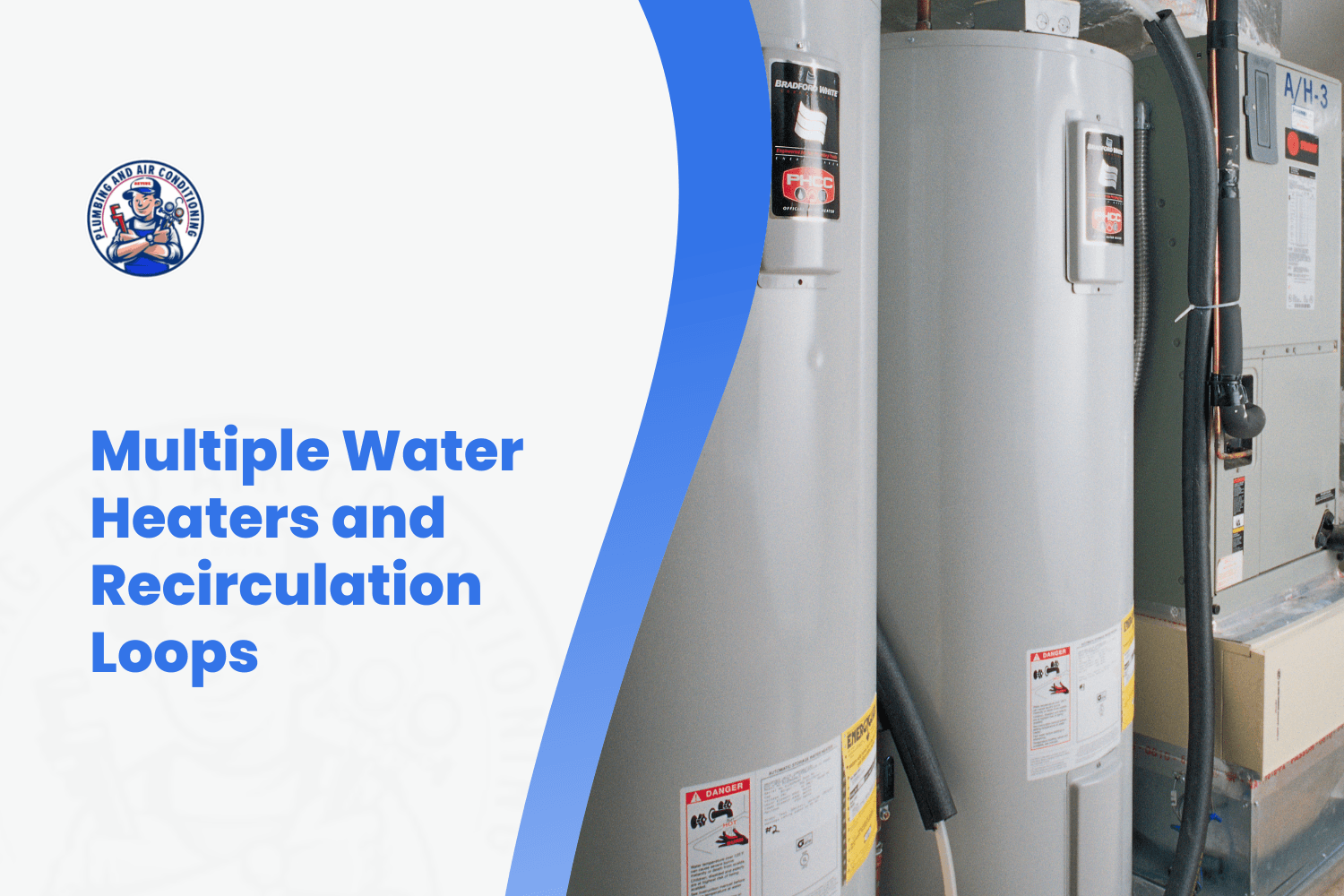
Multiple Water Heaters and Recirculation Loops in Southern Highlands Estates: Sizing and Service
How multiple water heaters and recirculation loops are sized and serviced in Southern Highlands estates, why very hard water matters, and how each property type changes the job.
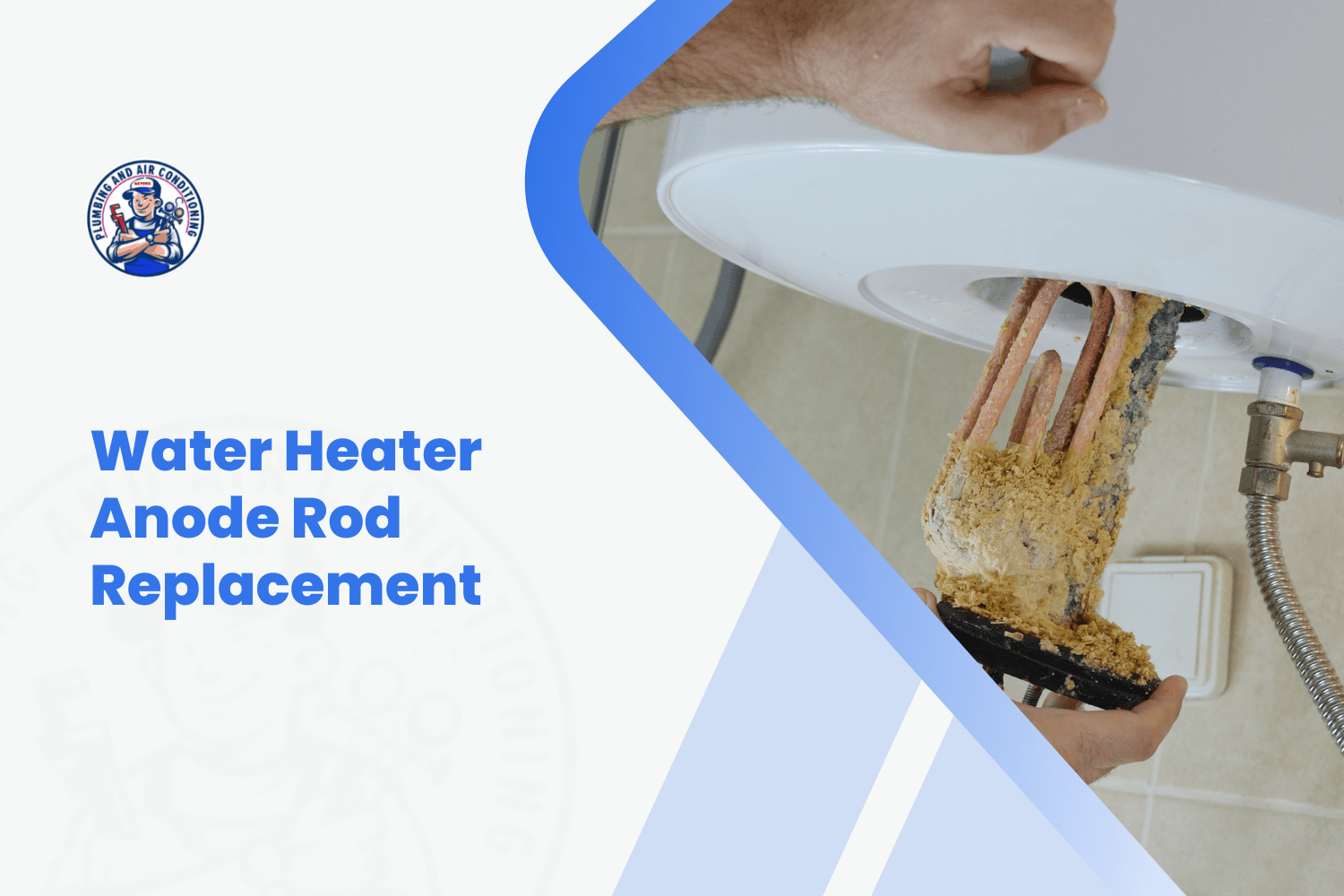
Water Heater Anode Rod Replacement: Why Vegas Hard Water Eats Them in 18 Months
Las Vegas hard water destroys anode rods in 18 months instead of years. Learn the warning signs, replacement costs, and how to protect your water heater long term.
Water Heater and Recirculation Service for Southern Highlands Estates
How water heaters and recirculation systems behave across Southern Highlands' three property types, why elevation and 280 ppm hard water drive the failures, and what the work costs.