Tips & Advice
Las Vegas Water Restrictions and Your Plumbing: What SNWA Rules Mean Indoors
Key Takeaways
- Most SNWA water restrictions target outdoor watering days, while indoor use is guided by conservation goals and fixture efficiency standards.
- The Las Vegas Valley depends heavily on Lake Mead and the Colorado River, which keeps conservation rules tight for the long term.
- Tiered billing means heavy water use and hidden leaks get expensive fast, so indoor savings protect your monthly bill.
- A running toilet can waste 200 to over 1,000 gallons a day, and a cheap flapper or dye test often fixes it.
- Hard water clogs aerators and low-flow parts quickly, so water softeners and filtration protect efficient fixtures.
- WaterSense toilets, tankless heaters, recirculation pumps, and smart leak detectors align homes with conservation goals.
- Older homes near Downtown often have galvanized pipes, while newer areas like Mountain's Edge deal with pressure and warranty issues.
- The overnight water meter test and a toilet dye test are free ways to catch silent leaks before they raise your bill.
In This Article
A homeowner in Summerlin opened her water bill last August and did a double take. The number was nearly double what she paid the month before, and she had not planted a single new shrub or filled a pool. She called our team wondering if she had somehow broken a watering rule, when the real problem was a toilet flapper quietly leaking inside her guest bathroom.
Stories like this happen across the Las Vegas Valley every summer. People hear about water restrictions and assume the rules are all about their front yard, but indoor plumbing plays a much larger part in what they pay and how much water they waste. The connection between valley conservation goals and the fixtures inside a home is closer than most folks realize.
What SNWA Rules Actually Cover in the Las Vegas Valley?
Most people mix up two very different things when they hear about water rules here. There are the outdoor watering restrictions that get all the attention, and then there are the quieter conservation standards that shape what happens inside your walls. Knowing the difference saves a lot of confusion and a few unnecessary panic calls.
Outdoor Watering Rules Versus Indoor Water Use
The bulk of SNWA water restrictions target landscape irrigation. If you have grass or a sprinkler system, you are assigned specific watering days based on the season, and running your sprinklers on the wrong day can bring a fine. These rules exist because outdoor watering is where the valley loses the most water to evaporation and runoff.
Indoor water use works differently. There is no inspector checking how long your shower runs or how many loads of laundry you do in a week. Instead, indoor use is guided by fixture standards and conservation goals rather than day-of-the-week enforcement.
That distinction matters because a homeowner can follow every watering day rule and still waste thousands of gallons inside from a single running toilet. The outdoor rules protect the region, but the indoor savings protect your bill. Both deserve attention, and the indoor side is where a plumber can actually make a measurable difference.
We often explain it this way to customers: the city watches your yard, but your wallet watches your pipes. When people understand that split, they stop worrying about the wrong thing and start fixing the leaks that actually cost them.
Who SNWA Serves Across the Metro Area
The Southern Nevada Water Authority is not a single utility that bills every home directly. It is a cooperative agency made up of member agencies that each serve their own slice of the metro area. That structure means the exact billing and enforcement details can vary a bit depending on where you live.
The Las Vegas Valley Water District handles much of Las Vegas and unincorporated areas. The City of Henderson runs water service for Henderson neighborhoods like Green Valley and Whitney Ranch. The City of North Las Vegas serves communities up toward Aliante and Elkhorn, and Boulder City manages its own system.
Because these member agencies coordinate through SNWA, the big-picture conservation goals stay consistent across the region. What changes are the smaller details, like rate tiers and rebate paperwork. If you live in Henderson or North Las Vegas, it is worth confirming which agency sends your bill so you check the right rules.
Our crews work across all of these service areas, so we see how the standards line up from one city to the next. The plumbing science does not change at the city line, but the paperwork sometimes does.
Why the Colorado River and Lake Mead Drive These Rules
Roughly 90 percent of Southern Nevada's water comes from Lake Mead, which is fed by the Colorado River. When you look out at that reservoir, you are looking at almost the entire regional water supply. That single fact drives nearly every conservation decision made here.
Lake Mead has dropped to historic lows over the past two decades, and the visible bathtub ring on the rock walls tells the story better than any chart. As levels fall, the pressure to reduce every gallon of waste grows stronger. That is why the valley pushes conservation harder than almost any other metro in the country.
For homeowners, this means the rules are not going to loosen up anytime soon. Long-term conservation planning assumes tight supply for years to come. You can learn more about regional supply conditions directly from the Bureau of Reclamation, which manages the Colorado River system.
Understanding this backdrop helps homeowners see why an efficient fixture is not just a nice upgrade. Every gallon saved indoors leaves a little more in the reservoir that the entire region depends on.
Get Your Quote
Tell us what's going on and we'll get back to you fast.
How Water Restrictions Affect Your Indoor Plumbing
The valley-wide push to save water shows up in real ways inside your home, even if no one is knocking on your door about it. The fixtures you install, the pipes carrying your water, and your daily habits all connect back to conservation. Here is how those dots line up.
Low-Flow Fixtures and What They Change
Low-flow faucets, showerheads, and toilets are the front line of indoor water conservation. A modern low-flow toilet uses about 1.28 gallons per flush, while older models from the 1990s can use 3.5 gallons or more. Over a year, that gap adds up to thousands of gallons for a family of four.
Some homeowners worry that low-flow means weak performance, and years ago that concern was fair. Early low-flow toilets clogged easily and early showerheads felt like a light drizzle. Modern fixtures have solved most of that with better internal design, so you get water savings without giving up a satisfying shower.
Water pressure is the one thing people notice most after a switch. A quality low-flow showerhead uses air and narrow openings to keep the spray feeling strong even at lower flow rates. When performance drops, it is usually a sign of buildup or a pressure issue, not the fixture itself.
Our team installs efficient fixtures and pipe upgrades throughout the valley, and we always test pressure before and after. That way homeowners know the savings are real and the comfort stays intact.
Hard Water and Its Impact on Efficient Fixtures
Las Vegas has some of the hardest water in the nation. All that dissolved calcium and magnesium loves to build up inside the small openings that make efficient fixtures work. The very parts that save water are the ones most likely to clog.
Aerators on faucets are the first casualty. These little screens at the tip of the spout catch mineral buildup fast, and within a year they can cut your flow to a trickle. A clogged aerator often gets blamed on low pressure when the real fix is a five-minute cleaning or replacement.
Older homes near Downtown Las Vegas and parts of North Las Vegas feel this the most. Combine decades-old plumbing with heavy mineral content, and low-flow parts choke up quickly. We see it constantly on service calls in those neighborhoods.
The mineral buildup does more than annoy you. It shortens the life of valves, cartridges, and water heaters, which means more repairs down the road. A water treatment solution protects those investments and keeps efficient fixtures doing their job.
Hidden Leaks That Waste Water and Money
A dripping faucet is obvious, but the leaks that really hurt are the ones you never see. Small leaks under sinks, behind walls, or in a slab foundation can waste thousands of gallons before anyone notices. By the time you spot the damage, the water bill has already climbed.
Slab leaks are especially sneaky in Las Vegas homes. When a pipe under the concrete foundation fails, the first sign might be a warm spot on the floor or the faint sound of running water with everything turned off. These leaks waste water around the clock and can undermine your foundation.
Neighborhoods like Spring Valley have plenty of homes at the age where slab leaks start showing up. The pipes that were fine for twenty years begin to corrode, and one pinhole leak can run continuously. Homeowners in Spring Valley often call us after a mysterious bill spike with no explanation.
Catching these leaks early is the difference between a simple repair and a major restoration. Our electronic leak detection pinpoints the exact spot without tearing up half the house, which saves water, money, and stress.
Need Help in Las Vegas?
Active Plumbing serves Las Vegas and all of Las Vegas Valley.
Reading and Lowering Your Las Vegas Water Bill
The water bill is where all this conservation talk gets personal. Once you understand how you are charged, the math behind saving water becomes obvious. A few indoor changes can move your bill from an upper tier back down to the affordable range.
How Tiered Billing Works Here
Las Vegas water agencies use a tiered rate structure, which means the more you use, the more each gallon costs. The first block of water is priced low to cover basic household needs. As your usage climbs, you cross into higher tiers where the price per gallon jumps sharply.
This design rewards conservation and punishes waste. A family that keeps usage in the lower tiers pays a reasonable rate, while a household leaking water into the top tier pays a premium on every extra gallon. That is why a hidden leak hurts so much here compared to a flat-rate system.
The exact tier breakpoints vary by member agency, so a home in Henderson may hit its tiers at slightly different levels than one in Las Vegas. The principle stays the same everywhere in the valley. You can review current water rates and tier structures through the Southern Nevada Water Authority.
Understanding the tiers changes how you think about waste. Wasting water in the bottom tier stings a little, but wasting it in the top tier drains your bank account fast. Every gallon you save comes off the most expensive block first.
Spotting a Spike That Points to a Plumbing Problem
A sudden jump in your water bill is almost never random. When usage climbs without a change in your habits, it usually means water is escaping somewhere you cannot see. The bill is often the first warning sign of a plumbing problem.
A running toilet is the most common culprit. A flapper that does not seal lets water trickle from the tank into the bowl for hours, and a single running toilet can waste hundreds of gallons a day. Multiply that by a full billing cycle and the spike makes sense.
Other suspects include a leaking water heater, a dripping outdoor spigot, or a slab leak. The pattern to watch for is a bill that climbs when your routine has not. That mismatch is your clue to start investigating.
When customers call us about a mysterious spike, we start by ruling out the easy fixes before moving to leak detection. Most of the time the problem is something small that has been quietly running for weeks. Catching it stops the waste and brings the next bill back to normal.
Simple Indoor Changes With the Biggest Payback
You do not need a full remodel to see real water savings. Some of the cheapest fixes deliver the fastest payback. A worn toilet flapper costs a few dollars and can stop hundreds of gallons of daily waste in a matter of minutes.
Replacing or cleaning faucet aerators is another quick win, especially with our hard water. A fresh aerator restores flow and controls how much water each faucet uses. It is a small part that makes a noticeable difference across every sink in the house.
Adjusting your water heater settings also helps. Setting the thermostat around 120 degrees saves energy and reduces the water wasted while you wait for it to cool to a usable temperature. It is a simple dial turn that pays off month after month.
These changes seem minor on their own, but stacked together they can shave a real chunk off your bill. Homeowners are often surprised how much difference a handful of small fixes makes when tiered billing is working against them.
Upgrades That Meet SNWA Goals and Keep Homes Compliant
When you are ready to go beyond quick fixes, several upgrades align your home with regional conservation standards while cutting costs. These are the improvements that pay for themselves over time and add value to the property. Here is where each one makes the most sense.
WaterSense Toilets and High-Efficiency Fixtures
A WaterSense-labeled toilet is one of the smartest indoor upgrades a Las Vegas homeowner can make. These fixtures meet performance standards set by the EPA and use 1.28 gallons per flush or less. Compared to a 3.5-gallon older model, that is a savings of thousands of gallons per year for an average household.
Dual-flush toilets take it a step further by giving you a light flush for liquid waste and a full flush when needed. This matches water use to the actual job instead of dumping a full tank every time. Over a year, that flexibility adds up to meaningful savings.
You can look up which products carry the WaterSense label through the Environmental Protection Agency, which runs the program. Choosing a labeled model means the water savings are verified, not just marketing claims.
Beyond toilets, high-efficiency faucets and showerheads round out the package. When we handle a bathroom fixture replacement, we often bundle these upgrades so the whole room performs better. The combined savings hit the water bill in the first cycle.
Tankless Water Heaters and Recirculation Systems
A surprising amount of water goes down the drain while you wait for the shower to warm up. That cold water running before it turns hot is pure waste, and it happens every single day. Tankless water heaters and recirculation systems both tackle that problem.
A tankless water heater heats water on demand, which means you are not paying to keep a big tank hot around the clock. It also delivers a steady supply, so you never run out mid-shower. Our team handles tankless water heater installation throughout the valley for homeowners looking to cut both water and energy waste.
Hot water recirculation is the other half of the equation. A recirculation system keeps hot water close to your fixtures so you are not dumping gallons down the drain waiting for warmth. We install recirculation pumps that pair well with both tank and tankless setups.
Together, these systems can save a household thousands of gallons a year just from cutting the wait time at the tap. In a valley where every gallon counts and tiered billing raises the stakes, that is a real return.
Water Softeners and Filtration in Hard-Water Homes
Given how hard the water is here, a water softener does more than make your skin feel better. It protects every efficient fixture and pipe in the house from mineral buildup. Softened water keeps aerators, valves, and water heater elements running the way they were designed to.
Without softening, that hard water slowly chokes the very fixtures you installed to save water. A softener extends the life of your plumbing and keeps your investment paying off. Our water softener installation service is one of our most requested jobs for good reason.
There is one wrinkle worth knowing. SNWA has discharge rules for certain salt-based softeners because the brine they release affects the regional water system. Some homeowners choose salt-free water conditioning to sidestep those concerns while still protecting their pipes.
We help homeowners pick the right system for their home and their compliance needs. The goal is cleaner, softer water that keeps your fixtures efficient without running afoul of regional rules.
Smart Leak Detectors and Automatic Shutoff Valves
Technology has made it possible to catch leaks the moment they start instead of weeks later on your bill. Smart leak detectors monitor the flow through your main line and alert your phone when something looks off. That early warning can save you from a flooded home and a shocking bill.
The most advanced systems include an automatic shutoff valve. If the monitor detects a burst pipe or a continuous flow that should not be there, it shuts the water off on its own. That protection matters when you are away at work or traveling.
These devices are especially useful for slab leaks and hidden pipe failures that would otherwise run for days. Our whole-home leak detection system installation gives homeowners round-the-clock protection against waste and damage.
For a modest upfront cost, a smart monitor pays for itself the first time it catches a serious leak. In a region focused on conservation, it is a tool that protects both your home and the water supply everyone shares.
Neighborhood Plumbing Challenges Around the Valley
Not every home in the valley faces the same plumbing issues. The age of the house, the local soil, and the water conditions all shift from one community to the next. Our years driving these streets have taught us what to expect where.
Older Homes Near Downtown and the Historic Westside
Homes near Downtown Las Vegas and the Historic Westside carry a lot of character and often a lot of old plumbing. Many were built with galvanized steel pipes that corrode from the inside over decades. As the corrosion narrows the pipe, water pressure drops and flow suffers.
Galvanized pipes also shed rust and sediment, which clog up the efficient fixtures homeowners install to save water. You can put a brand new low-flow faucet on an old galvanized line and still get poor performance. The bottleneck is the pipe, not the fixture.
These older properties frequently have original toilets and faucets that use far more water than modern standards allow. Upgrading fixtures in these homes delivers big savings, but the piping often needs attention too. We assess both when we work in the Arts District and surrounding older areas.
Homeowners in these neighborhoods get the most value from a full plumbing evaluation rather than piecemeal fixes. Replacing aging galvanized lines restores pressure and lets efficient fixtures actually do their job.
Master-Planned Communities in Summerlin and Henderson
Master-planned communities like Summerlin, Green Valley, and Anthem tell a different story. These homes are newer and were built with more modern fixtures already in place. The challenge here is less about corrosion and more about meeting community and efficiency standards.
Many of these communities have an HOA with expectations about maintenance and appearance. While HOAs mostly regulate the exterior, keeping your indoor plumbing efficient supports the water conservation the whole community is judged on. Staying ahead of leaks keeps you in good standing.
Homes in Summerlin and areas like Summerlin West often already have low-flow fixtures, so the savings come from upgrades like recirculation pumps and smart leak detection. These homes benefit from fine-tuning rather than a full overhaul.
We work throughout Green Valley and Anthem helping homeowners squeeze the most efficiency out of homes that are already fairly modern. Even newer homes develop leaks and worn flappers, so regular checkups still pay off.
Growing Areas Like Southwest, Mountain's Edge, and Skye Canyon
The fast-growing edges of the valley bring their own plumbing considerations. Newer construction in Southwest Las Vegas, Mountain's Edge, and Skye Canyon usually comes with efficient fixtures from day one. The issues here tend to involve pressure and warranty timing.
New homes sometimes have pressure that runs high from the municipal supply, which stresses fixtures and pipes over time. A pressure regulator keeps things in a safe range and protects your plumbing. We check pressure regularly on service calls in these newer areas.
Warranty considerations matter in these communities too. A new home may still be under builder warranty, so it helps to know which repairs the builder covers versus which need a plumber. We help homeowners in Mountain's Edge sort that out before they pay for something already covered.
Even in brand new homes, small defects show up in the first few years. A poorly seated flapper or a fitting that was not tightened enough can waste water quietly. A quick inspection catches these early while everything is still easy to reach.
Need Help in Las Vegas?
Active Plumbing serves Las Vegas and all of Las Vegas Valley.
How Active Plumbing Helps Las Vegas Homeowners Stay Efficient
Our team focuses on the indoor side of water conservation, where homeowners have the most control and the most to gain. From finding hidden leaks to installing efficient systems, we help homes across the valley cut waste and stay in line with regional goals. Here is a snapshot of how our services connect to your water savings.
| Service | What It Solves | Water and Cost Impact |
|---|---|---|
| Leak Detection and Repair | Hidden and slab leaks | Stops thousands of wasted gallons and bill spikes |
| Fixture Installation | Old, high-flow toilets and faucets | Cuts per-flush and per-use water demand |
| Water Heater Installation | Slow, wasteful hot water delivery | Reduces water and energy wasted waiting for heat |
| Water Treatment | Hard water buildup | Protects efficient fixtures and extends pipe life |
| Efficiency Checkup | Unknown waste sources | Finds problems before bills climb |
Leak Detection and Repair Across the Valley
Finding a leak you cannot see takes the right tools and experience. Our team uses electronic and acoustic equipment to pinpoint hidden leaks inside walls and under slabs. That precision means we fix the actual problem without tearing up areas that are fine.
Slab leaks are among the trickiest and most damaging problems we handle. Left alone, they waste water constantly and can crack foundations. Our emergency plumbing crew responds quickly when a leak threatens your home.
We serve every corner of the valley, from Spring Valley to North Las Vegas. Wherever the leak is, our goal is to stop the waste fast and repair it in a way that lasts. Quick detection keeps a small problem from becoming a flooded disaster.
Homeowners who catch leaks early save on water, repairs, and stress. That is why we encourage anyone with an unexplained bill spike to have their home checked sooner rather than later.
Fixture and Water Heater Installation
Installing an efficient fixture correctly is what makes the water savings real. A WaterSense toilet or high-efficiency faucet only performs as promised when it is fitted properly to your existing plumbing. Our team handles fixture installation that meets current standards throughout the valley.
Water heaters are a big part of home efficiency. Whether you want a traditional tank, a tankless unit, or a recirculation setup, we size and install the right system for your household. Proper water heater installation saves both water and energy for years.
We also handle repairs when an existing water heater starts leaking or running inefficiently. A failing unit can waste water and drive up costs before it fully quits. Catching that early keeps a small fix from turning into an emergency replacement.
Every install includes a check of the connected plumbing so the new equipment works with the rest of your system. That whole-picture approach is how we make sure the upgrade actually lowers your bill.
Whole-Home Water Efficiency Checkups
Sometimes the best move is a full look at your indoor plumbing before problems surface. Our whole-home efficiency checkup examines fixtures, pipes, water pressure, and your water heater to find waste you did not know about. It is a proactive way to get ahead of rising bills.
During a checkup, we test toilets for silent leaks, inspect aerators, check for drips, and look for early signs of hidden leaks. We also review whether your fixtures meet current efficiency standards. The result is a clear list of what is working and what could save you money.
This kind of plumbing inspection is especially valuable for older homes and homes that have never had a thorough review. Small issues add up, and finding them together saves more than fixing them one emergency at a time.
Homeowners often tell us the checkup paid for itself in a single billing cycle. When you know exactly where your water goes, you can make smart choices about which upgrades matter most.
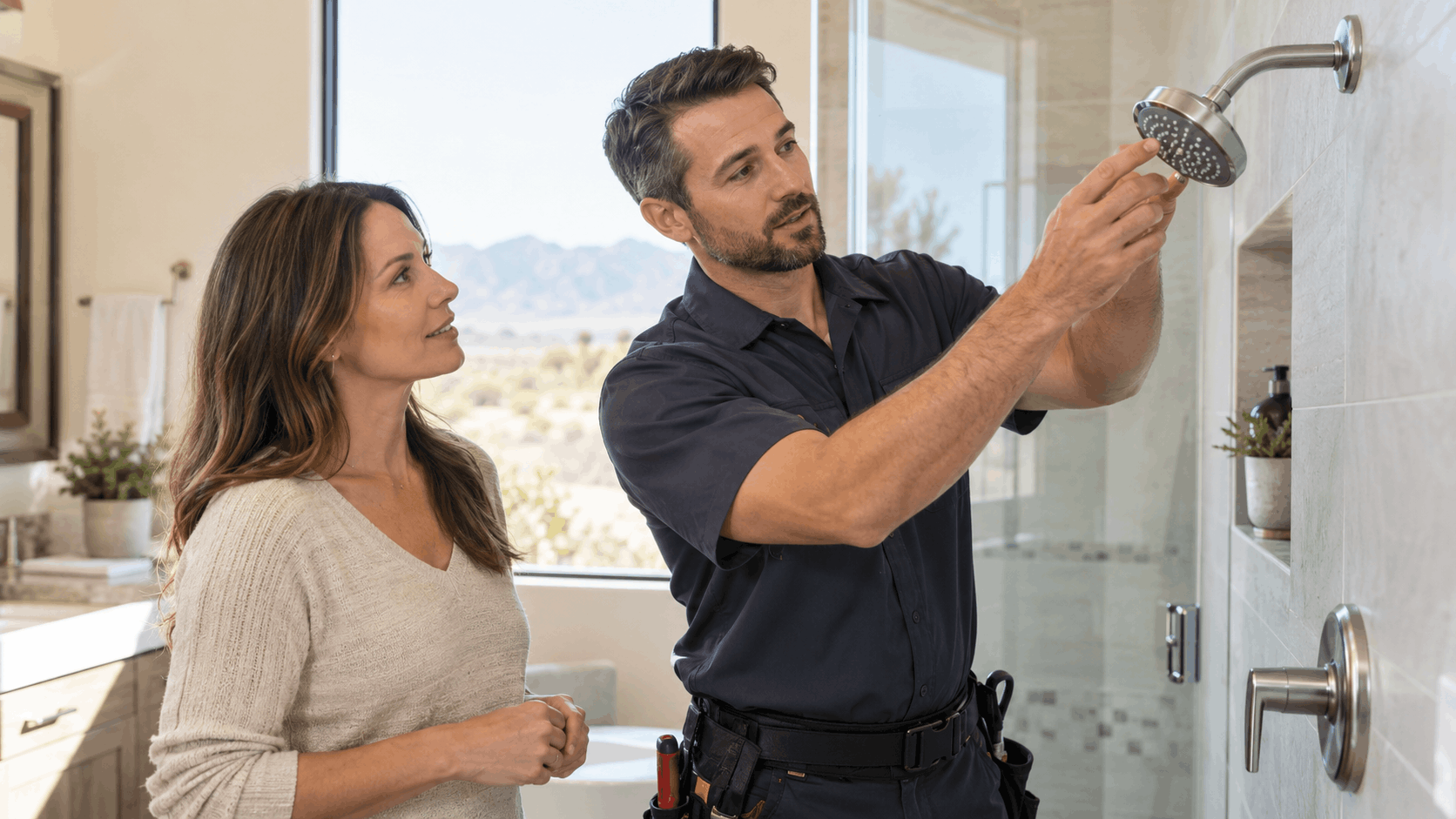
Steps Homeowners Can Take This Week
You do not have to wait for a service call to start saving water. A few simple checks this week can reveal leaks, cut waste, and keep you ahead of rising bills. Here is a short action plan any homeowner can follow.
Run a Simple Toilet and Faucet Leak Test
The toilet dye test is the easiest leak check there is. Drop a few drops of food coloring into the tank, wait about fifteen minutes without flushing, and check the bowl. If color shows up in the bowl, your flapper is leaking and wasting water around the clock.
Do this test on every toilet in the house, since it is common for only one to have the problem. A leaking flapper is a cheap and quick fix, and catching it stops one of the biggest sources of indoor waste. Many homeowners are shocked at how much a silent running toilet was costing them.
While you are at it, do a visual check of every faucet for drips. A faucet that drips once per second wastes thousands of gallons a year. A worn washer or cartridge is usually the cause, and it is an inexpensive repair.
These two checks take fifteen minutes and can uncover major waste. They are the first thing we recommend to anyone puzzled by a high bill. Fixing what you find brings immediate savings.
Check Your Water Meter for Silent Leaks
Your water meter is a built-in leak detector if you know how to read it. Pick a time when no water is being used in the house, then write down the meter reading. Leave everything off for a couple of hours, ideally overnight, and read it again.
If the number moved with no water running, you have a silent leak somewhere in the system. This test catches leaks that hide behind walls or under the slab, the kind you cannot hear or see. It is one of the most reliable ways to confirm a suspicion.
Many meters also have a small leak indicator, often a triangle or dial that spins when water flows. If it moves with everything off, water is escaping somewhere. That is your signal to investigate or call for help.
The overnight test is free and takes almost no effort. If it shows movement, our team can track down the exact source. Catching a silent leak early saves both water and a lot of money.
Know When to Call a Licensed Plumber
Plenty of small fixes are fine for a handy homeowner. Replacing a flapper, cleaning an aerator, or tightening a fitting are all reasonable weekend jobs. When the problem goes deeper, though, it pays to bring in a licensed plumber.
Call a pro when you notice low water pressure across the whole house, a bill spike you cannot explain, or repeat clogs that keep coming back. These point to problems inside the walls or lines that need proper diagnosis. Guessing at these can cost more than the repair itself.
Slab leaks, gas line concerns, and water heater failures always warrant a licensed plumber. These involve safety and specialized tools that go beyond a typical DIY fix. Trying to handle them yourself risks damage and injury.
Our team is ready to help homeowners across the valley when a job crosses into pro territory. Reach out through our contact page and we will get you scheduled. A quick professional look often saves far more than it costs.
Need Help in Las Vegas?
Active Plumbing serves Las Vegas and all of Las Vegas Valley.
Final Thoughts
The Las Vegas Valley depends on a shrinking supply from Lake Mead, and conservation is here to stay. While the enforced restrictions mostly cover outdoor watering, the smartest savings happen inside your home where you have real control. Efficient fixtures, leak repairs, and simple habit changes protect both your wallet and the region's water.
The Summerlin homeowner from the start of this article ended up saving on her next bill with a five-dollar flapper. That is the kind of easy win hiding in most homes across the valley. A little attention to your indoor plumbing goes a long way.
If you want help finding waste, upgrading fixtures, or tracking down a hidden leak, our team at Active Plumbing knows these neighborhoods and these homes. Call us or reach out through our website for a consultation, and we will help your home run efficiently while staying in line with regional conservation goals.

Frequently Asked Questions
Do SNWA water restrictions apply to indoor plumbing?
Most enforced SNWA restrictions target outdoor watering, like assigned watering days for landscape irrigation. Indoor water use is shaped by conservation goals and fixture efficiency standards rather than day-of-the-week rules. That said, indoor use still matters for your bill and the regional supply. Fixing leaks and installing efficient fixtures helps you meet conservation goals and keeps your costs down under tiered billing.
Are low-flow toilets required in Las Vegas homes?
Current plumbing codes require low-flow fixtures for new installations and remodels, typically 1.28 gallons per flush or less for toilets. You are not forced to rip out an older working toilet, but upgrading pays off quickly. An old 3.5-gallon model wastes thousands of gallons a year compared to a modern WaterSense toilet. Under tiered pricing, those savings show up fast on your monthly bill.
How much water does a running toilet waste?
A running toilet can waste anywhere from 200 to over 1,000 gallons per day depending on how bad the flapper leak is. Left unchecked for a full billing cycle, that adds up to tens of thousands of gallons. Under tiered pricing, that waste often pushes you into the most expensive rate tier. A simple dye test and a cheap flapper replacement usually stops it completely.
Can hard water damage my low-flow fixtures?
Yes, and Las Vegas has some of the hardest water in the country. Mineral buildup clogs the small openings in aerators, showerheads, and valves that make low-flow fixtures efficient. Over time this cuts your flow and can cause the fixture to fail early. A water softener or filtration system protects these parts and keeps them working as designed for much longer.
Will a tankless water heater save water in my home?
A tankless water heater helps by delivering hot water on demand, which can reduce the water wasted while you wait for it to warm up. The bigger water savings often come from pairing it with a hot water recirculation system that keeps warm water near your fixtures. Together they cut the gallons you dump down the drain every day. They also save energy since you are not keeping a tank hot.
How do I know if I have a hidden leak?
Watch for an unexplained spike in your water bill, a warm spot on your floor, or the faint sound of running water when everything is off. The overnight meter test is the most reliable check. Turn off all water, read the meter, wait a couple of hours, and read it again. If the number moved, you have a hidden leak worth investigating right away.
Are there rebates for water-efficient plumbing upgrades?
SNWA runs several conservation programs, and rebate offerings change over time. Some target outdoor landscaping while others may cover indoor upgrades. Because the details shift, check the official SNWA website for current indoor rebate programs before you buy. Our team can also point you toward qualifying fixtures so your upgrade lines up with any available savings from the water authority.
Does low water pressure mean I have a plumbing problem?
Not always. The most common cause is a clogged aerator packed with mineral buildup, which is a quick cleaning fix. It can also come from a failing pressure regulator, corroded galvanized pipes, or a hidden leak. If pressure drops across the whole house or only at certain fixtures, a plumber can diagnose the source. Persistent low pressure is worth a professional look.
How often should older Las Vegas homes have their plumbing checked?
Homes with galvanized pipes or fixtures over 20 years old benefit from a plumbing inspection every one to two years. Older lines corrode and develop leaks that waste water quietly. A regular checkup catches these problems while they are still small and inexpensive. For homes near Downtown or the Historic Westside with original plumbing, staying on a schedule prevents costly surprises.
Can Active Plumbing help me lower my water bill?
Absolutely. We find and repair hidden leaks that quietly drive up your usage, install efficient toilets, faucets, and water heaters, and run whole-home efficiency checkups to spot waste. Each of these steps chips away at your monthly costs, especially under tiered billing where waste gets expensive fast. Reach out for a consultation and we will build a plan that fits your home and your budget.
Frequently Asked Questions
- Do SNWA water restrictions apply to indoor plumbing?
- Most enforced SNWA restrictions target outdoor watering, like assigned watering days for landscape irrigation. Indoor water use is shaped by conservation goals and fixture efficiency standards rather than day-of-the-week rules. That said, indoor use still matters for your bill and the regional supply. Fixing leaks and installing efficient fixtures helps you meet conservation goals and keeps your costs down under tiered billing.
- Are low-flow toilets required in Las Vegas homes?
- Current plumbing codes require low-flow fixtures for new installations and remodels, typically 1.28 gallons per flush or less for toilets. You are not forced to rip out an older working toilet, but upgrading pays off quickly. An old 3.5-gallon model wastes thousands of gallons a year compared to a modern WaterSense toilet. Under tiered pricing, those savings show up fast on your monthly bill.
- How much water does a running toilet waste?
- A running toilet can waste anywhere from 200 to over 1,000 gallons per day depending on how bad the flapper leak is. Left unchecked for a full billing cycle, that adds up to tens of thousands of gallons. Under tiered pricing, that waste often pushes you into the most expensive rate tier. A simple dye test and a cheap flapper replacement usually stops it completely.
- Can hard water damage my low-flow fixtures?
- Yes, and Las Vegas has some of the hardest water in the country. Mineral buildup clogs the small openings in aerators, showerheads, and valves that make low-flow fixtures efficient. Over time this cuts your flow and can cause the fixture to fail early. A water softener or filtration system protects these parts and keeps them working as designed for much longer.
- Will a tankless water heater save water in my home?
- A tankless water heater helps by delivering hot water on demand, which can reduce the water wasted while you wait for it to warm up. The bigger water savings often come from pairing it with a hot water recirculation system that keeps warm water near your fixtures. Together they cut the gallons you dump down the drain every day. They also save energy since you are not keeping a tank hot.
- How do I know if I have a hidden leak?
- Watch for an unexplained spike in your water bill, a warm spot on your floor, or the faint sound of running water when everything is off. The overnight meter test is the most reliable check. Turn off all water, read the meter, wait a couple of hours, and read it again. If the number moved, you have a hidden leak worth investigating right away.
- Are there rebates for water-efficient plumbing upgrades?
- SNWA runs several conservation programs, and rebate offerings change over time. Some target outdoor landscaping while others may cover indoor upgrades. Because the details shift, check the official SNWA website for current indoor rebate programs before you buy. Our team can also point you toward qualifying fixtures so your upgrade lines up with any available savings from the water authority.
- Does low water pressure mean I have a plumbing problem?
- Not always. The most common cause is a clogged aerator packed with mineral buildup, which is a quick cleaning fix. It can also come from a failing pressure regulator, corroded galvanized pipes, or a hidden leak. If pressure drops across the whole house or only at certain fixtures, a plumber can diagnose the source. Persistent low pressure is worth a professional look.
- How often should older Las Vegas homes have their plumbing checked?
- Homes with galvanized pipes or fixtures over 20 years old benefit from a plumbing inspection every one to two years. Older lines corrode and develop leaks that waste water quietly. A regular checkup catches these problems while they are still small and inexpensive. For homes near Downtown or the Historic Westside with original plumbing, staying on a schedule prevents costly surprises.
- Can Active Plumbing help me lower my water bill?
- Absolutely. We find and repair hidden leaks that quietly drive up your usage, install efficient toilets, faucets, and water heaters, and run whole-home efficiency checkups to spot waste. Each of these steps chips away at your monthly costs, especially under tiered billing where waste gets expensive fast. Reach out for a consultation and we will build a plan that fits your home and your budget.
A
Licensed plumbing professionals serving Las Vegas and Las Vegas Valley.
Licensed in Nevada · License #0047021
Last updated on
Why trust Active Plumbing?
Founded in 1991, Active Plumbing is a licensed and insured plumber serving Las Vegas and Las Vegas Valley. All content is reviewed by our licensed technicians.

Need Help in Las Vegas?
Active Plumbing serves Las Vegas and all of Las Vegas Valley.
Related Articles
Tips & Advice
The Lakes Las Vegas Plumber: Lakefront Property Water Line Considerations
A local guide to lakefront water line considerations in The Lakes Las Vegas, covering soil movement, pipe materials, leak signs, repair vs. replacement, HOA rules, and care.
Tips & Advice
Las Vegas Hard Water by ZIP Code: Actual SNWA Grain Hardness Data
See actual SNWA water hardness data by Las Vegas ZIP code. Learn your neighborhood's GPG level and what it means for your plumbing, appliances, and home.
Tips & Advice
Las Vegas vs Henderson vs North Las Vegas Water Systems: Providers, Pressure, and What It Means for Your Pipes
Las Vegas, Henderson, and North Las Vegas share one water source but run different systems. Learn who supplies your water, why pressure varies, and what it means for your pipes.