How-To Guides
Pipe Repair in Downtown Las Vegas Historic Homes: Galvanized-to-PEX Conversions That Preserve Plaster
Key Takeaways
- Many Downtown Las Vegas historic homes built in the 1930s to 1950s still run on original galvanized steel pipe that hard water has corroded.
- Warning signs of failing pipes include brown or rusty water, low pressure, leaks at threaded joints, and a metallic taste.
- PEX tubing is flexible, rust-proof, and fishes through tight old framing, making it ideal for repiping historic bungalows.
- Careful crews protect plaster with small access points, low-vibration cuts, dust control, and matched three-coat plaster patches.
- A full galvanized-to-PEX conversion in Downtown Las Vegas typically runs 4,500 to 15,000 dollars depending on home size and access.
- Repipes require a City of Las Vegas permit and pass rough-in and final inspections that protect resale value.
- Neighborhoods like Huntridge, Fremont, Arts District, and Beverly Green each present distinct pipe challenges, and summer heat stresses aging attic lines.
- Choosing a repipe specialist who respects plaster, trim, and vintage tile matters far more than hiring a general handyman.
In This Article
The morning starts like any other in a John S. Park bungalow. A homeowner turns on the kitchen tap and watches brown water sputter out before it slowly clears. Upstairs, the shower barely produces enough pressure to rinse shampoo. These are not random problems. They are the tail end of galvanized steel pipe that has been rusting inside the walls for seventy or eighty years.
Downtown Las Vegas is full of these charming old homes, and their original plaster walls are part of what makes them special. The good news is that failing pipes do not mean tearing your house apart. A careful galvanized-to-PEX conversion replaces the corroded steel while protecting the plaster, lath, and trim that give these homes their character.
Why Downtown Las Vegas Historic Homes Still Have Galvanized Pipes?
Most homeowners are surprised to learn their plumbing is original. When these houses were built, galvanized steel was the standard. Nobody planned for it to still be in service in the 2020s, yet here it is, quietly rusting behind the plaster.
Here is why so many historic homes in Downtown Las Vegas still run on galvanized pipes:
- They were built during an era when steel was the affordable, available choice.
- The pipe was never replaced because it kept working, at least on the surface.
- Owners often did not know what was buried inside their walls.
- Copper and PEX came later, so early plumbing was steel from the start.
The Era of Steel Plumbing in the John S. Park District
The John S. Park district and nearby Huntridge grew fast between the 1930s and 1950s. Las Vegas was booming, the Hoover Dam brought workers, and neighborhoods filled with tidy brick and stucco bungalows almost overnight. Builders needed pipe that was cheap, strong, and easy to source, and galvanized steel fit that bill perfectly.
Galvanized pipe is steel coated with a layer of zinc to slow rust. In the steel plumbing history of American homes, it was the go-to material for decades before copper became common. Plumbers of that era threaded each length by hand and screwed the sections together, which is why so many of these old systems leak right at the threaded joints today.
When these homes went up, that zinc coating was expected to last twenty to forty years. Nobody imagined the same pipe would still be carrying drinking water three generations later. The math simply ran out, and now the interior of that pipe looks nothing like it did the day it was installed.
Walk through John S. Park today and you will see homes with beautiful original details and hidden plumbing that has long outlived its design life. That combination is exactly what makes a careful conversion so worthwhile.
How Las Vegas Hard Water Corrodes Old Steel Lines
Las Vegas has some of the hardest water in the country. The supply from the Las Vegas Valley Water District carries heavy loads of calcium and magnesium picked up from the Colorado River and local aquifers. That mineral content is rough on any plumbing, but it is especially brutal on aging steel.
Inside galvanized pipe, hard water speeds up two problems at once. First, the zinc coating wears away and the bare steel underneath starts to rust. Second, minerals bake onto the pipe walls as scale, narrowing the passage a little more every year until a half-inch pipe carries the flow of a soda straw.
This double hit is why pipe corrosion shows up faster here than in cities with soft water. A galvanized system that might survive fifty years elsewhere can be badly clogged and leaking in forty years in the Las Vegas Valley. We see it constantly on service calls Downtown.
Many homeowners fight the symptoms with a water softener installation, which helps protect new plumbing. On decades-old steel, though, softening the water only slows a problem that is already far along.
Warning Signs Your Galvanized Pipes Are Failing
Old steel pipe rarely fails all at once. It gives you warnings first, and learning to read them can save you from a flooded floor. The most common complaint we hear is rusty water, that brown or orange tint that shows up when you first turn on a faucet in the morning.
The next big clue is low water pressure. When scale and rust choke the inside of the pipe, less water gets through. Homeowners describe showers that trickle, tubs that take forever to fill, and pressure that drops to nothing when two taps run at once.
Leaks are the third sign of failing pipes, and they usually start at the threaded joints where the pipe wall is thinnest. You might notice a damp spot on the ceiling, a musty smell in a closet, or a water bill that crept up for no reason. A metallic taste in the water is another red flag that steel is breaking down inside the lines.
If you spot several of these signs together, the pipe is telling you it is near the end. Catching it before a burst saves both money and plaster, and it lets you plan the work instead of scrambling during an emergency burst pipe repair.
Why These Homes Deserve Careful Repair, Not Demolition
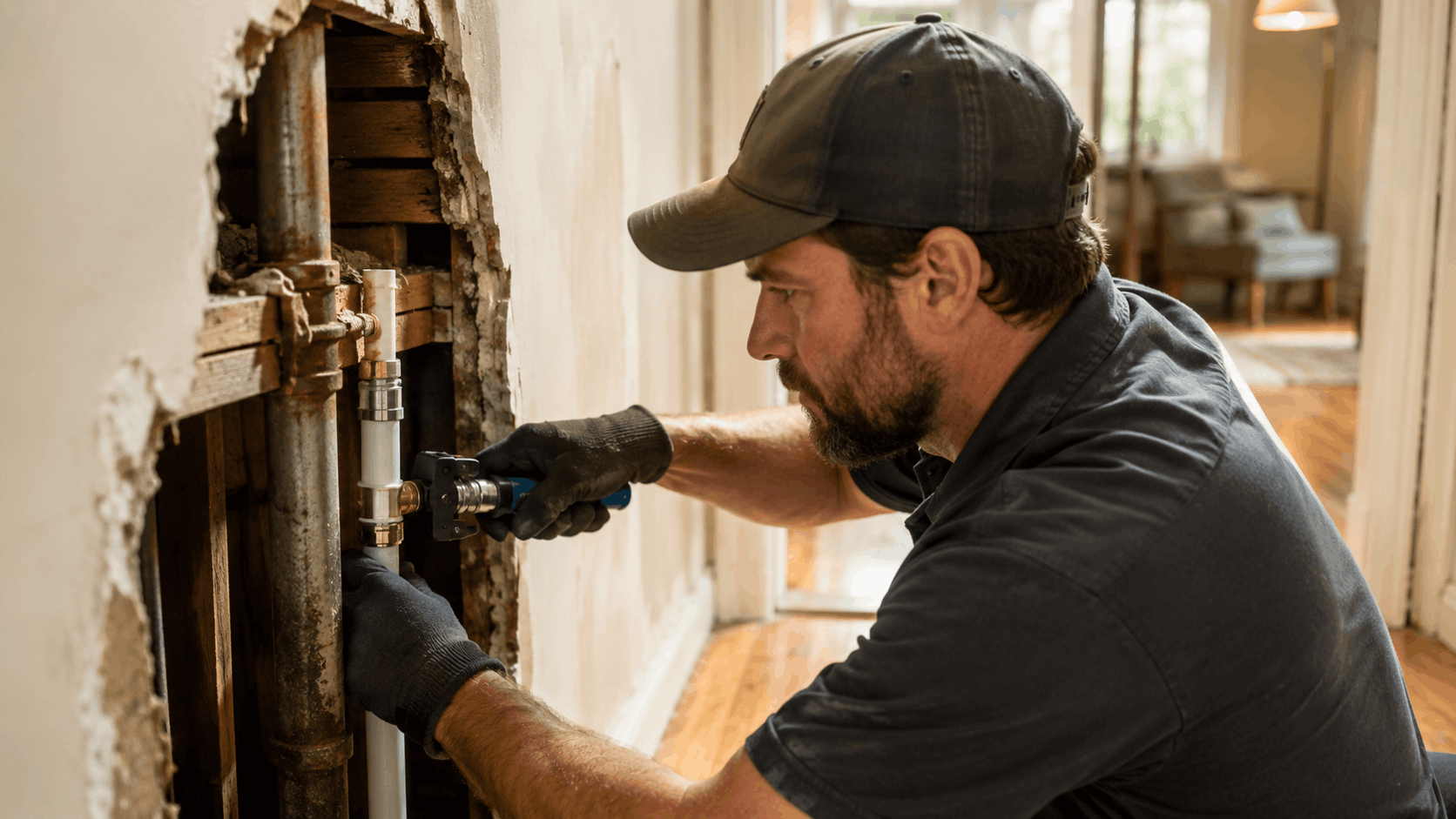
There is a real difference between fixing plumbing and wrecking a house to reach it. The original plaster in Downtown historic homes is not drywall. It is a three-coat lime and gypsum finish applied over wood lath, and it carries a smooth, solid feel that modern materials cannot copy.
That plaster, along with the original trim, coved ceilings, and archways, is a big part of what these homes are worth. A rip-and-replace crew that opens whole walls to swap pipe can destroy details that took skilled hands weeks to create. Once that texture is gone, it is nearly impossible to match.
Historic preservation is not just about looks. Buyers and appraisers pay attention to original features, and a home with intact plaster holds value better than one patched with sheets of drywall. Protecting those walls protects your investment.
The right approach treats the house with respect. A conversion should solve the water problem while leaving the home looking as close to untouched as possible, and that takes planning, patience, and the right techniques.
Get Your Quote
Tell us what's going on and we'll get back to you fast.
What a Galvanized-to-PEX Conversion Actually Involves
People hear the word repipe and picture chaos. In reality, a well-planned galvanized to PEX conversion is an orderly process. Knowing the steps ahead of time takes the mystery out of it and helps you prepare your home and family.
A full PEX conversion means removing the old steel supply lines and running new flexible tubing to every fixture. Here is a simple look at the phases of a typical repipe:
| Phase | What Happens | Typical Time |
|---|---|---|
| Assessment | Map old lines, count fixtures, plan routes | 1 visit |
| Access | Open small points in attic, closets, and select walls | Day 1 |
| Run new PEX | Route tubing to every fixture and connect | Days 1 to 3 |
| Pressure test | Check for leaks, pass rough inspection | Day 3 to 4 |
| Patch and finish | Repair plaster and clean up | Day 4 to 5 |
What PEX Is and Why It Fits Older Homes
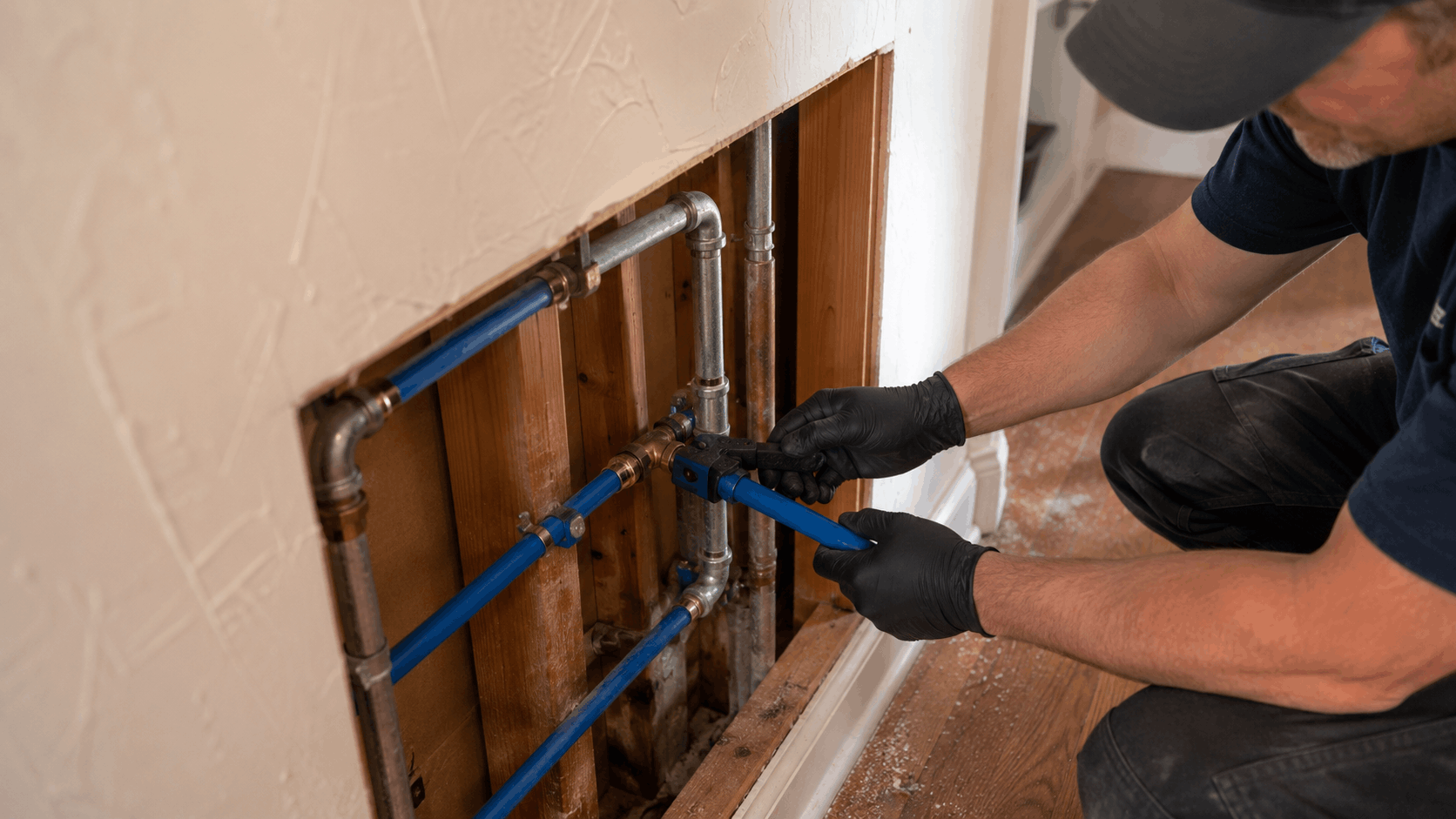
PEX stands for cross-linked polyethylene, which is a fancy name for a tough, flexible plastic tubing. Unlike rigid copper or steel, PEX tubing bends around corners and snakes through tight spaces without a joint at every turn. That flexibility is exactly what an old house needs.
In a historic home, the framing is rarely straight and the wall cavities are often packed with lath, old wiring, and blocking. Rigid pipe demands more openings to fit, but flexible plumbing can be fished through a small hole and guided to where it needs to go. Fewer cuts mean less plaster damage.
PEX also handles the hard water here far better than steel. It does not rust, and minerals do not cling to its smooth interior the way they build up inside galvanized pipe. That means the pressure and water quality you get after a conversion should stay good for decades.
It is also faster to install and freezes with more forgiveness than copper, which matters on those rare cold Las Vegas nights. For all these reasons, PEX has become the material of choice for repiping older bungalows Downtown.
Mapping the Existing Steel Lines Before Any Work Starts
Good conversions start with a plan, not a hammer. Before touching a wall, our crew traces the entire galvanized layout to understand where every line runs. This pipe mapping step is what keeps wall openings to a minimum.
We follow the visible pipe in the crawl space, attic, and utility areas, then work out how the hidden runs connect the fixtures. Old homes often have odd routing from past repairs, so we look for clues like capped stubs, patched sections, and mismatched pipe sizes. Every discovery shapes the new route.
With the old plumbing layout understood, we design a fresh path for the PEX that uses attics, closets, and existing chases wherever possible. The goal is to reach every fixture while opening as few finished surfaces as we can. A thoughtful map can cut the number of plaster cuts in half.
This planning also gives you an accurate quote. When we know exactly what the job requires, there are fewer surprises and fewer change orders once work begins.
Full Repipe Versus Section-by-Section Repair
Not every home needs the whole system replaced at once. A full repipe swaps every supply line in the house, while a partial pipe repair targets only the worst runs. Choosing between them depends on the condition of the pipe and your budget.
When galvanized pipe is failing in one area but sound elsewhere, a section repair can make sense as a short-term fix. It costs less up front and solves the immediate leak or pressure drop. The catch is that the rest of the steel is the same age and will likely fail next.
For most Downtown historic homes, a full conversion is the smarter long-term move. Doing it all at once means one round of plaster work, one permit, and one clean result instead of repeated openings over the years. It also removes the last of the rust that discolors your water.
We walk every homeowner through both options honestly. If the steel has years left in part of the house, we will say so, but we also make clear when patching is just delaying the inevitable.
How Long a Conversion Takes and What to Expect Day by Day
A typical whole-home repipe timeline for a Downtown bungalow runs two to five days. A small one-bath home may finish in two, while a larger two-bath house with tricky access can take the full five. Plaster patching sometimes adds a day or two on top of that.
On the first day, the crew sets up protection, opens access points, and begins running new PEX. Water is usually shut off during working hours, then restored each evening when possible so you can use your kitchen and bathrooms overnight. We always tell you the expected shutoff windows in advance.
The middle of the project schedule is spent connecting fixtures, running lines to the water heater, and pressure testing the system. Once it passes inspection, we move to patching and cleanup. Each day ends with the work area swept and debris hauled out.
Clear communication keeps the process smooth. You will know what to expect each morning, which rooms are affected, and when your water will be back on.
Need Help in Las Vegas?
Active Plumbing serves Las Vegas and all of Las Vegas Valley.
Protecting Original Plaster During the Conversion
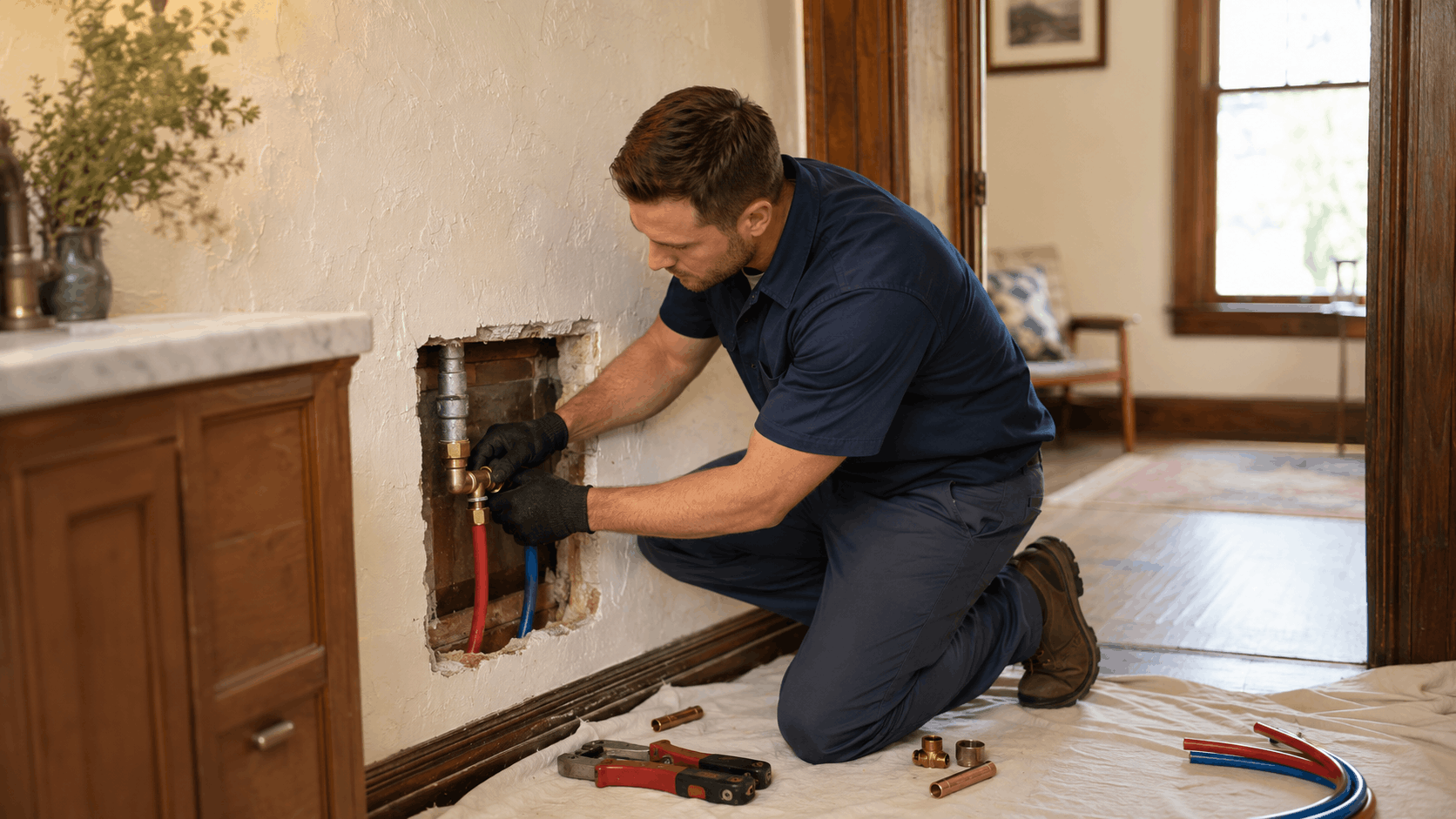
This is where a careful crew earns its reputation. Anyone can cut a hole and run pipe. Keeping the preserve plaster promise takes skill, the right tools, and a lot of patience. Real historic repair is judged by how little damage you can see when the job is done.
Here is how thoughtful plaster protection compares to a careless approach:
| Task | Careful Method | Destructive Method |
|---|---|---|
| Access | Small, planned cuts in hidden spots | Large open walls |
| Cutting | Score and score again, low vibration | Fast sawing that cracks plaster |
| Dust | Sealed rooms, vacuums at the cut | Dust through the whole house |
| Patching | Matched three-coat plaster | Drywall slapped over the hole |
Why Plaster and Lath Crack So Easily
To protect plaster, you have to understand why it breaks. Old plaster and lath walls are made of wet plaster pushed through gaps in thin wood strips, forming keys that lock it in place. Over decades, those keys dry out and grow brittle.
When a saw vibrates against that surface, the shaking can snap the keys behind the wall you cannot even see. The result is cracking that spiders out from the cut, sometimes reaching well past the opening. A single careless cut can crack a whole wall section.
Large openings make it worse because they remove the support that holds surrounding plaster together. The bigger the hole, the more the edges want to crumble. This is why we keep every opening as small as the work allows.
Knowing all this changes how a crew moves through a house. Every cut is planned, every tool is chosen for low vibration, and speed takes a back seat to keeping the plaster intact.
Small Access Points and Fishing New Lines
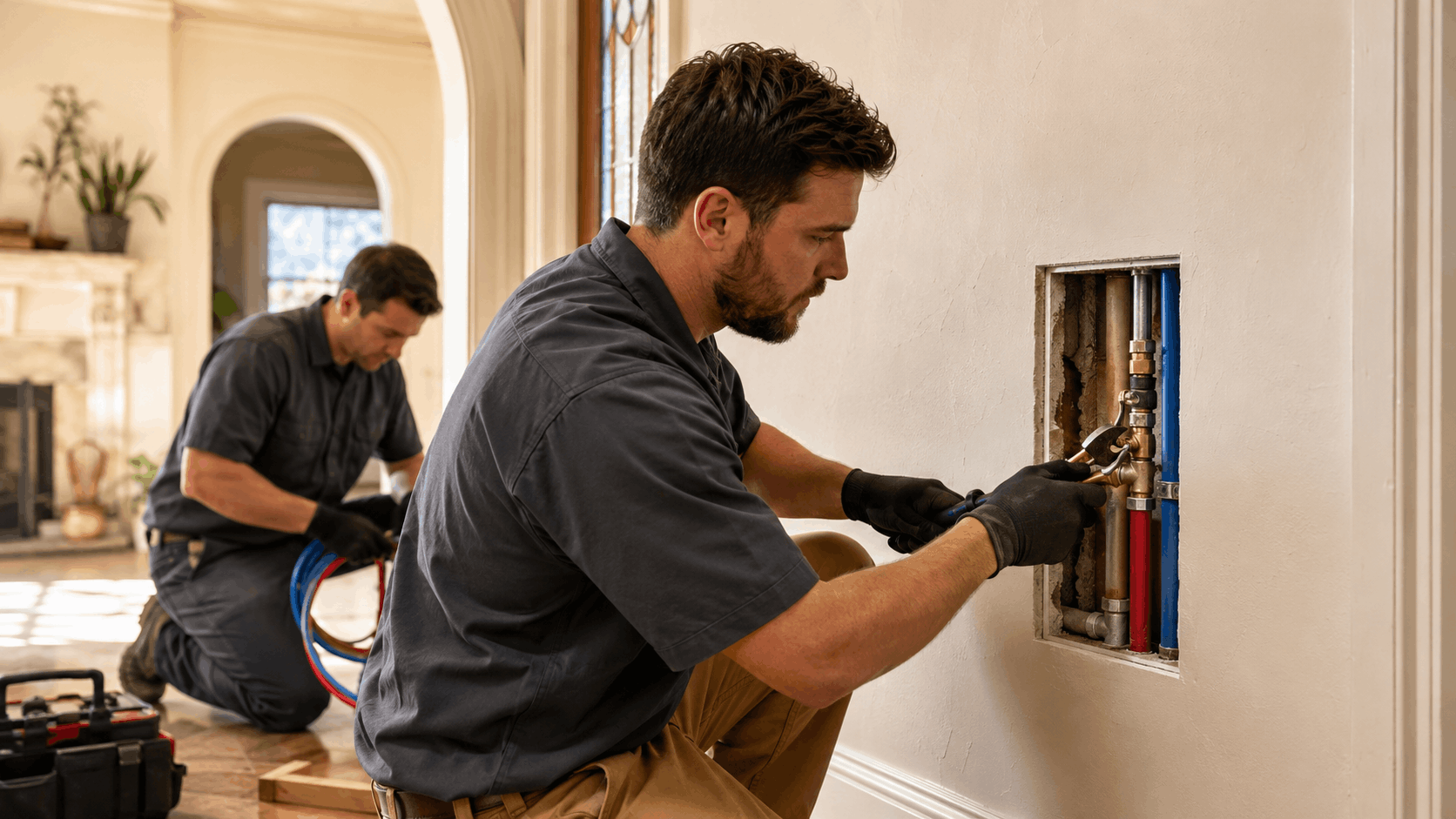
The best way to protect plaster is to avoid cutting it at all. Whenever possible, we run PEX through the paths that already exist. Attic runs let us drop lines down into interior walls from above, and a crawl space lets us come up from below.
Closets are another favorite. The back walls and floors of closets are hidden, so we can create access points there that no guest will ever see. From those spots, flexible PEX gets fished through the framing to reach sinks, tubs, and toilets.
When we do have to open a finished wall, we choose the smallest, least visible spot that reaches the pipe. A four-inch opening low on a wall is far easier to patch than a two-foot hole at eye level. Every choice is made with the finished look in mind.
This fishing approach takes longer than blasting open a wall, but it saves the homeowner from days of plaster repair and repainting. On many Downtown jobs, we finish with only a handful of small patches to blend in.
Precise Cuts and Clean Plaster Patching
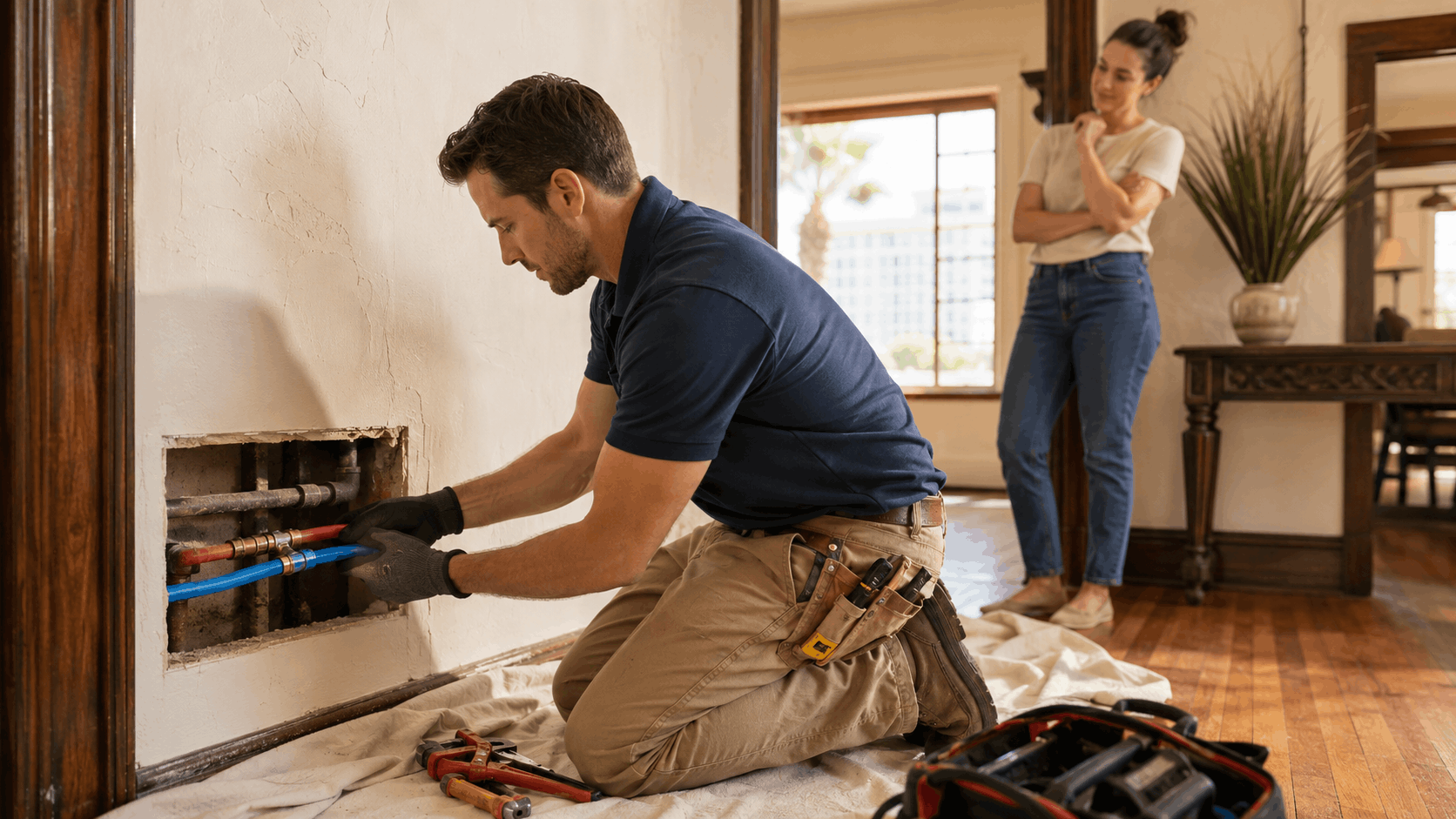
When cuts are unavoidable, neatness makes all the difference. We mark clean rectangles and cut slowly so the edges stay sharp and the surrounding plaster stays put. Straight lines are far easier to patch than jagged ones.
Dust control matters just as much. We seal off the work area with plastic, run vacuums right at the cut, and cover floors and furniture. Plaster dust is fine and travels everywhere, so containing it keeps the rest of your home livable during the job.
For the repair itself, good plaster patching means matching the original three-coat build, not just filling the hole with a quick skim of joint compound. We layer scratch, brown, and finish coats so the patch has the same depth and texture as the wall around it. Done right, the repair disappears once painted.
This is the step that separates a plumbing repair from a preservation job. A patch that blends in tells you the crew cared about the house, not just the pipe.
Working Around Original Trim, Tile, and Fixtures
Historic homes are full of details that cannot be replaced at a hardware store. Original trim like tall baseboards and picture rails, plus vintage tile such as classic subway and hex patterns, need special care during a repipe. So do the clawfoot tubs and cast-iron fixtures common in older bathrooms.
When lines run behind baseboards, we carefully remove and label each piece so it goes back exactly where it came from. Prying trim off without splitting it is a skill, and older wood is dry and brittle, so it takes a gentle hand. Reused original trim always looks better than a modern replacement.
Tile is trickier because you cannot buy a match for a 1940s bathroom. We plan routes that avoid tiled walls whenever possible, coming at fixtures from the back or below instead. Homes in Huntridge and Beverly Green often have tile worth protecting at all costs.
Fixtures get the same respect. We pad and protect clawfoot tubs and pedestal sinks, and we handle old shutoffs and valves knowing they can be fragile. Our pipe and fixture services are built around keeping these original pieces in service.
Permits and Rules for Historic Home Plumbing in Las Vegas
A repipe is real construction, and that means paperwork. Getting the right plumbing permit protects you, and it is not something to skip to save a few dollars. Here is what applies to Las Vegas building and historic district homes.
Keep these points in mind before work starts:
- A permit is required for repiping supply lines in almost every case.
- A licensed plumber usually pulls the permit for you.
- Homes in historic overlays may face extra review for exterior work.
- Interior repipes generally have a simpler approval path.
- Inspections happen at rough-in and again at the finish.
Pulling a Plumbing Permit With the City of Las Vegas
For homes inside city limits, a repipe permit goes through the City of Las Vegas Department of Building and Safety. The City of Las Vegas permit confirms the work meets current plumbing code and gives you a record that the job was done right.
Your plumber typically handles the whole permit process. That includes submitting the scope of work, paying the fee, and scheduling the inspections. A licensed contractor knows what the building and safety office expects, so the paperwork moves faster.
You can review permit information directly through the City of Las Vegas Building and Safety department if you want to understand the process yourself. Most homeowners are happy to let the plumber manage it.
Skipping the permit can cause real trouble later. Unpermitted work often surfaces during a home sale and can force costly rework, so doing it by the book is the cheaper path in the long run.
Historic District Overlay Considerations
Some Downtown neighborhoods sit inside a recognized historic overlay. These districts have guidelines meant to protect the look and character of the area, and they can add a layer of district review for certain projects.
The good news for repipe jobs is that most of the work is inside your walls. Historic guidelines mostly focus on exterior changes like windows, siding, and roofing, not interior plumbing. An interior conversion usually moves forward without extra design review.
Where it can matter is if the work requires an outside change, such as trenching to a slab or altering a visible pipe on an exterior wall. In those cases, the plan may need a quick look from the historic authority. A plumber familiar with Downtown knows when this applies.
We check overlay status early so there are no surprises. Knowing the rules up front keeps the project on schedule and keeps you in good standing with the district.
Code Requirements for PEX in Older Structures
Modern plumbing code fully accepts PEX, but there are rules to follow when upgrading an old system. Proper PEX code compliance covers how the tubing is supported, how it connects, and how the water heater ties in.
Code calls for correct fittings, proper spacing of pipe supports, and accessible shutoff valves at fixtures. When you replace metal pipe with plastic, the electrical bonding that once traveled through the steel has to be handled separately, since PEX does not conduct. A licensed plumber knows to address this so the home stays safe.
Shutoff valves are another code point that benefits the homeowner. New valves at each fixture and a solid main shutoff make future repairs simple and fast. It is a small detail that pays off every time you need to work on a sink or toilet.
Meeting code is not just about passing inspection. It means the new system is installed the way it should be, which is what keeps it reliable for the decades ahead.
Inspections That Keep the Job Legal and Safe
Two inspections usually apply to a repipe. The first is the plumbing inspection at rough-in, before the walls are closed, when the inspector checks the new lines and connections. The pipe is pressure tested to prove there are no leaks.
The second is the final inspection after everything is buttoned up and the fixtures are working. The inspector confirms the finished system meets code and signs off on the permit. That sign-off is your proof the work was done properly.
These inspections protect your investment more than most people realize. They create a paper trail that buyers, appraisers, and insurers respect, which helps at resale time. A permitted, inspected repipe is a selling point.
We schedule and meet the inspectors as part of the job. You do not have to chase paperwork or figure out timing, since managing that is part of our service.
Cost of a Galvanized-to-PEX Conversion in Downtown Las Vegas
Everyone wants a number, and we get it. The honest answer is that repipe cost depends on the home, but ranges help you plan. Here is a look at what shapes your plumbing budget and what a PEX conversion price tends to run Downtown.
| Home Type | Fixtures | Typical Range |
|---|---|---|
| Small bungalow, 1 bath | 5 to 7 | $4,500 to $7,500 |
| Mid-size, 1.5 bath | 8 to 10 | $7,000 to $10,000 |
| Larger, 2 bath | 10 to 14 | $9,500 to $15,000 |
| Complex access or slab | Varies | Add 15 to 30 percent |
Typical Price Ranges by Home Size
The home size and number of fixtures drive the base price more than anything else. A small one-bath bungalow near Fremont Street with a handful of fixtures sits at the lower end. A larger two-bath home with a laundry, extra sinks, and outdoor spigots costs more simply because there is more pipe to run.
Most Downtown conversions land somewhere between about 4,500 and 15,000 dollars. That cost range covers the new PEX, all connections, permits, and standard plaster patching. Homes with unusual layouts can fall outside it in either direction.
The count of bathrooms and kitchens matters because each fixture is a separate run and connection. A home with two full baths, a kitchen, and a laundry has far more lines than a compact single-bath cottage. That is why fixture count appears in every quote.
We give a firm price after mapping the home, not a vague guess over the phone. Seeing the actual layout is the only way to quote a historic home accurately.
What Drives the Price Up in Older Homes
Several cost factors can push a historic repipe higher. Slab access is a common one. If galvanized lines run under a concrete slab, reaching them means either cutting the slab or rerouting overhead, and both add labor.
The scope of plaster repair matters too. A home where we can fish most lines through the attic needs little patching, while one with plaster on every interior wall may need more openings. More patches mean more finish work and a higher total.
Tight, irregular framing in old homes slows the crew down. Balloon framing, odd stud spacing, and layers of past remodels all make running new pipe harder. The number of fixtures, the distance to the water heater, and the age of the shutoffs all factor in as well.
None of these should be a surprise on your bill. We point out the cost drivers during the assessment so you understand exactly what you are paying for and why.
The Hidden Savings of Full Replacement
A full conversion can look expensive next to a single repair, but the math often favors doing it all at once. Every patch on failing galvanized pipe is money spent on a system that keeps breaking. Those leak repair cost bills add up fast.
Consider a home where a plumber fixes one leaking joint for a few hundred dollars, then returns six months later for another, and again after that. Within a couple of years, those repeat visits can approach the price of a full repipe, and the water is still rusty. That is the trap of patching old steel.
A conversion delivers real long-term savings. One project ends the leaks, restores pressure, clears the water, and comes with plaster repaired properly. You stop pouring money into a losing battle and get a system good for decades.
There is also the cost of water damage to weigh. A single burst line inside a plaster wall can cause thousands in repairs, so removing that risk has real value.
Financing and Planning the Work in Phases
Not everyone can budget the whole job at once, and that is fine. Many homeowners ask about financing or spreading the work out, and both are workable for a repipe. The goal is to keep water running while you manage the cost.
Phased plumbing means tackling the worst areas first, such as the bathroom or kitchen with the most leaks, then finishing the rest later. We design the phases so each stage is a complete, working section rather than a loose end. That way you are never left with half-connected pipe.
The trade-off is that phasing usually costs a bit more overall because of repeated setup and plaster work. For some households the smaller payments are worth it, and we respect that choice. We lay out the numbers so you can decide.
Whatever your budget, the first step is a clear quote. Once you know the real number, planning the work becomes a straightforward decision instead of a guess.
Need Help in Las Vegas?
Active Plumbing serves Las Vegas and all of Las Vegas Valley.
Neighborhood-Specific Plumbing Challenges Downtown
Every Downtown pocket has its own quirks. Working across these Downtown neighborhoods for years has taught us where the trouble spots hide. This is the kind of local plumbing knowledge that makes a repipe go smoothly in Las Vegas.
| Area | Common Issue | Typical Fix |
|---|---|---|
| Huntridge | Slab-run galvanized lines | Overhead reroute in PEX |
| Fremont / Arts District | Mixed partial past repairs | Full conversion to unify |
| Beverly Green | Rust and pressure drop | Whole-home repipe |
| All areas | Attic heat stress | Insulated PEX runs |
Bungalows Around Huntridge and Maryland Parkway
The bungalows around Huntridge and Maryland Parkway are some of the most charming in the city, and some of the most likely to have original steel. Many were built on concrete slabs, which means the galvanized supply lines often run right through or under the slab.
Slab-run pipe is a challenge because you cannot simply open a wall to reach it. In these homes we usually reroute the new PEX overhead through the attic, dropping down to each fixture. That avoids jackhammering the slab and keeps the mess to a minimum.
Crawl-space access, where it exists, gives us another path to run lines cleanly. We check the underside of the home early to plan the easiest route. Every Huntridge house is a little different, so the map comes first.
These neighborhoods also see plenty of tile and trim worth protecting, so the plaster-saving methods matter here as much as the pipe work itself.
Older Homes Near Fremont Street and the Arts District
Properties near Fremont Street and the 18b Arts District are a mixed bag. Some have been updated over the years with copper or partial PEX, while others still carry every foot of their original galvanized pipe. Many fall in between, with a patchwork of past repairs.
That mix is its own kind of problem. When old steel connects to newer copper, the joint between the two metals corrodes faster, creating leaks right at the transition. We often find these odd hybrid systems during assessments in this area.
For homes like these, a full conversion usually makes the most sense. Unifying everything in PEX removes the mismatched joints and gives you one consistent, reliable system. Our team knows the housing stock in the Arts District well.
The lofts and live-work spaces springing up nearby mean more of these old buildings are being restored. Getting the plumbing right is part of bringing them fully back to life.
Beverly Green and Charleston Heights Concerns
In Beverly Green and along the Charleston Boulevard corridor, we see a familiar pair of complaints. Homeowners report rusty water when they first open the tap and pressure that has slowly faded over the years. Both point straight back to aging galvanized pipe.
These homes tend to be a bit larger, with more fixtures and longer pipe runs, so the scale and rust build up over a wider system. By the time pressure drops noticeably, the interior of the pipe is heavily clogged. A conversion clears all of it out at once.
The rust patterns here often show up first in the least-used taps, like a guest bath or an outdoor spigot. That water sits in the pipe longer and picks up more color. It is a good early warning to check the rest of the system.
We have repiped many homes along this corridor, and the improvement in pressure and water clarity is immediate. Owners are usually surprised how strong their showers become again.
How Summer Heat Affects Old Pipe Systems
Las Vegas summer heat is hard on everything, and old plumbing is no exception. When attic temperatures climb past 140 degrees, the metal in attic pipes expands and contracts every day. That constant movement stresses already-weak galvanized joints.
Steel that is thin from decades of rust can finally give way during a heat wave, which is why we see a spike in leak calls each summer. The expansion also loosens threaded fittings that were barely holding on. Heat does not cause the corrosion, but it often triggers the final failure.
PEX handles temperature swings far better than steel. It flexes instead of cracking, and when we run it through hot attics we insulate the lines to protect water quality and reduce heat gain. That keeps your new system stable through the worst July afternoons.
If your old pipe has been on borrowed time, summer is when it tends to run out. Planning a conversion before the heat peaks saves you from an emergency in August.
Choosing the Right Plumber for a Historic Home Repipe
Picking the right contractor matters more here than on almost any other job. Choosing a plumber who respects old homes protects both your pipes and your plaster. A historic home repipe is a specialty, and it shows in the finished work. Here is how to find someone who treats your home right, and why Active Plumbing fits.
Questions to Ask Before Hiring
The right hiring questions reveal a lot fast. Start by asking whether the plumber handles plaster repair or leaves you to find someone else. A crew that patches its own openings takes ownership of the whole result.
Ask who pulls the permit and confirm they are a licensed plumber in Nevada. Any contractor working on your home should carry a license and insurance, and a good one shares that information without hesitation. You can verify a contractor through the Nevada State Contractors Board.
Then ask about past historic-home work. How many old plaster homes have they repiped, and can they show examples or references? Experience with lath and plaster is very different from experience with modern drywall.
Finally, ask how they plan to keep wall openings small. If the answer is vague or they seem ready to open whole walls, keep looking. The way they talk about access tells you how your home will look when they finish.
Signs of a Plumber Who Understands Old Construction
A true repipe specialist thinks differently than a general handyman. They talk about fishing lines through attics and closets before they ever mention cutting walls. That instinct to preserve is the first sign they understand old construction.
They also come prepared for plaster. The right crew brings dust containment, scoring tools, and the materials to match three-coat plaster, not just a bucket of joint compound. Their truck tells you how they work.
Look for someone who slows down where it counts. Rushing a cut on brittle plaster is how walls crack, so a careful plumber takes the extra minutes. That patience is exactly what an old home needs.
Good specialists also respect original trim and tile. They will talk about removing and reusing baseboards and routing around vintage tile, because they know those pieces cannot be replaced. That mindset separates the true pros.
How Active Plumbing Approaches Downtown Historic Jobs
Our local team has spent years working on Downtown bungalows, so we know these homes inside and out. We start every Active Plumbing conversion by mapping the old lines and planning the smallest-cut route to each fixture. Preserving your plaster is built into the plan from day one.
We fish lines through attics, crawl spaces, and closets whenever the framing allows, and we keep any wall openings small and clean. When patching is needed, we match the original plaster so the repair blends in once painted. The goal is a home that works like new and still looks original.
Because we drive these streets every week, we know the slab-run homes in Huntridge, the mixed systems near Fremont, and the pressure issues in Beverly Green. That familiarity means fewer surprises and a faster, cleaner job. You can reach us through our contact page to set up a visit.
We treat every historic home as if it were our own. That respect for the house, not just the pipe, is what our Downtown customers remember most.
Warranties and What Happens After the Job
A good repipe does not end when the water turns on. We stand behind our work with a warranty on both the PEX system and the connections. If something is not right, we come back and make it right.
Plaster patches get the same attention. Fresh plaster can settle as it cures, so part of our follow-up service is checking that the patches held and touching up anything that needs it. We want the walls to look as good months later as they did on the final day.
We also leave you with the paperwork that matters, including your permit sign-off and inspection records. That documentation protects your home value and helps at resale or insurance time. It is proof the job was done by the book.
Long after the crew leaves, we are still here for questions or service. A new PEX system should give you decades of clean water, and we are your local resource for keeping it that way.
Need Help in Las Vegas?
Active Plumbing serves Las Vegas and all of Las Vegas Valley.
Final Thoughts
Downtown Las Vegas historic homes are worth saving, and so is their plumbing. Galvanized pipe that has rusted through the years brings brown water, weak pressure, and leaks, but a careful galvanized-to-PEX conversion solves all of it. Done right, it also protects the original plaster, trim, and tile that make these homes special.
The difference is in the details. Mapping the lines, fishing PEX through hidden paths, keeping cuts small, and matching plaster properly turns a messy repipe into a clean, respectful upgrade. That is how you get modern reliability without losing the character of a John S. Park or Beverly Green bungalow.
If your old home is showing the warning signs, our team is ready to take a look. Call Active Plumbing or reach out through our contact page to schedule an on-site evaluation of your Downtown home. We will map your pipes, walk you through your options, and give you an honest quote.
Frequently Asked Questions
How do I know if my home still has galvanized pipes?
Check any exposed pipe in the basement, crawl space, or under sinks. Galvanized steel looks dull gray and threads together at joints. Hold a magnet to it, since steel is magnetic while copper and PEX are not. Scratching the surface reveals silver-gray metal on galvanized pipe. If your home was built between the 1930s and 1950s, there is a strong chance it still has original steel supply lines.
Will replacing my pipes damage my plaster walls?
Not with the right crew. We use small-cut methods, fishing new PEX through attics, crawl spaces, and closets to avoid opening finished walls whenever possible. When a cut is needed, we keep it small and neat, then patch with matched three-coat plaster that blends in once painted. Careful dust control keeps the rest of your home clean. Done properly, most homeowners can barely tell where the repairs were made.
How much does a galvanized-to-PEX conversion cost in Las Vegas?
Most Downtown conversions run between about 4,500 and 15,000 dollars. A small one-bath bungalow sits at the lower end, while a larger two-bath home costs more because there is more pipe to run. Factors like slab access, tight framing, the number of fixtures, and the scope of plaster repair move the number up or down. We give a firm quote after mapping your specific home.
How long will I be without water during the repipe?
Water is usually shut off during working hours, then restored each evening when possible so you can use your kitchen and bathrooms overnight. A whole-home conversion takes two to five days, so you may have a few daytime shutoffs during that stretch. We always tell you the expected shutoff windows in advance so you can plan around them. The full-day outages are rare.
Is PEX safe to use in an old historic home?
Yes. PEX is fully approved under modern plumbing code and works well in older homes. Its flexibility lets it fish through tight, irregular framing without extra wall openings. It resists the rust and scale that destroy galvanized steel, and it handles the hard Las Vegas water far better. PEX also flexes with temperature swings instead of cracking, which suits our hot attics and occasional cold nights.
Do I need a permit to repipe my Downtown home?
Yes, repiping supply lines requires a permit in almost every case. The permit goes through the City of Las Vegas Department of Building and Safety and confirms the work meets current code. Your licensed plumber typically pulls the permit and schedules the inspections for you. Skipping it can cause problems at resale, so doing the job with proper permits is the smarter path.
Can I convert just the worst pipes instead of the whole house?
You can, and sometimes it makes sense. A section repair targets the worst runs and costs less up front. The catch is that the rest of your galvanized pipe is the same age and will likely fail soon after. For most historic homes, a full conversion means one round of plaster work and one clean result. We will tell you honestly which choice fits your home.
Will new pipes fix my brown or rusty water?
In most cases, yes. Brown or rusty water usually comes from corroded steel breaking down inside your pipes. Replacing that galvanized pipe with PEX removes the source of the rust, so the discoloration and metallic taste clear up. PEX does not corrode, so the water stays clean going forward. If the problem persists, we can also check your water heater and supply.
Does a repipe raise my home's value?
Updated plumbing is a real selling point, especially in historic districts. Buyers and home inspectors look closely at old galvanized systems, and a documented PEX conversion removes that concern. It can help at appraisal, smooth the inspection process, and even affect insurance. Combined with preserved original plaster and trim, a permitted repipe makes your home more attractive and easier to sell.
How do I schedule an inspection with Active Plumbing?
Just reach out and we will set up an on-site evaluation of your Downtown home. Call our office or use the contact page to request a visit. We will map your existing pipes, look for warning signs of failing steel, and walk you through your options. From there you get an honest, detailed quote so you can plan the work with confidence.
Frequently Asked Questions
- How do I know if my home still has galvanized pipes?
- Check any exposed pipe in the basement, crawl space, or under sinks. Galvanized steel looks dull gray and threads together at joints. Hold a magnet to it, since steel is magnetic while copper and PEX are not. Scratching the surface reveals silver-gray metal on galvanized pipe. If your home was built between the 1930s and 1950s, there is a strong chance it still has original steel supply lines.
- Will replacing my pipes damage my plaster walls?
- Not with the right crew. We use small-cut methods, fishing new PEX through attics, crawl spaces, and closets to avoid opening finished walls whenever possible. When a cut is needed, we keep it small and neat, then patch with matched three-coat plaster that blends in once painted. Careful dust control keeps the rest of your home clean. Done properly, most homeowners can barely tell where the repairs were made.
- How much does a galvanized-to-PEX conversion cost in Las Vegas?
- Most Downtown conversions run between about 4,500 and 15,000 dollars. A small one-bath bungalow sits at the lower end, while a larger two-bath home costs more because there is more pipe to run. Factors like slab access, tight framing, the number of fixtures, and the scope of plaster repair move the number up or down. We give a firm quote after mapping your specific home.
- How long will I be without water during the repipe?
- Water is usually shut off during working hours, then restored each evening when possible so you can use your kitchen and bathrooms overnight. A whole-home conversion takes two to five days, so you may have a few daytime shutoffs during that stretch. We always tell you the expected shutoff windows in advance so you can plan around them. The full-day outages are rare.
- Is PEX safe to use in an old historic home?
- Yes. PEX is fully approved under modern plumbing code and works well in older homes. Its flexibility lets it fish through tight, irregular framing without extra wall openings. It resists the rust and scale that destroy galvanized steel, and it handles the hard Las Vegas water far better. PEX also flexes with temperature swings instead of cracking, which suits our hot attics and occasional cold nights.
- Do I need a permit to repipe my Downtown home?
- Yes, repiping supply lines requires a permit in almost every case. The permit goes through the City of Las Vegas Department of Building and Safety and confirms the work meets current code. Your licensed plumber typically pulls the permit and schedules the inspections for you. Skipping it can cause problems at resale, so doing the job with proper permits is the smarter path.
- Can I convert just the worst pipes instead of the whole house?
- You can, and sometimes it makes sense. A section repair targets the worst runs and costs less up front. The catch is that the rest of your galvanized pipe is the same age and will likely fail soon after. For most historic homes, a full conversion means one round of plaster work and one clean result. We will tell you honestly which choice fits your home.
- Will new pipes fix my brown or rusty water?
- In most cases, yes. Brown or rusty water usually comes from corroded steel breaking down inside your pipes. Replacing that galvanized pipe with PEX removes the source of the rust, so the discoloration and metallic taste clear up. PEX does not corrode, so the water stays clean going forward. If the problem persists, we can also check your water heater and supply.
- Does a repipe raise my home's value?
- Updated plumbing is a real selling point, especially in historic districts. Buyers and home inspectors look closely at old galvanized systems, and a documented PEX conversion removes that concern. It can help at appraisal, smooth the inspection process, and even affect insurance. Combined with preserved original plaster and trim, a permitted repipe makes your home more attractive and easier to sell.
- How do I schedule an inspection with Active Plumbing?
- Just reach out and we will set up an on-site evaluation of your Downtown home. Call our office or use the contact page to request a visit. We will map your existing pipes, look for warning signs of failing steel, and walk you through your options. From there you get an honest, detailed quote so you can plan the work with confidence.
A
Licensed plumbing professionals serving Las Vegas and Las Vegas Valley.
Licensed in Nevada · License #0047021
Last updated on
Why trust Active Plumbing?
Founded in 1991, Active Plumbing is a licensed and insured plumber serving Las Vegas and Las Vegas Valley. All content is reviewed by our licensed technicians.

Need Help in Las Vegas?
Active Plumbing serves Las Vegas and all of Las Vegas Valley.
Related Articles
How-To Guides
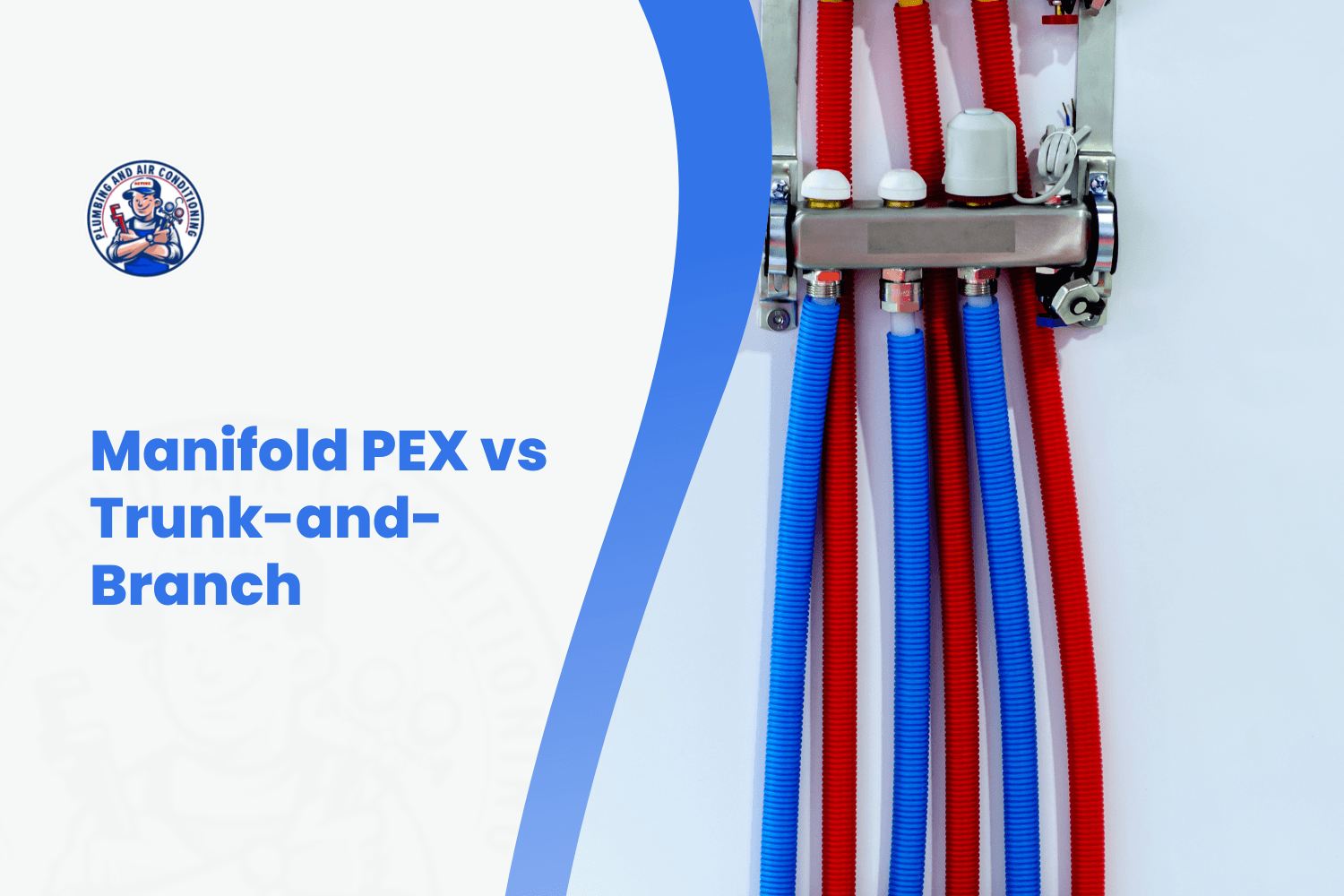
Manifold (Home-Run) PEX vs Trunk-and-Branch in Las Vegas Repipes: Pressure Balance in Big Homes
Compare manifold home-run and trunk-and-branch PEX layouts for Las Vegas repipes, including pressure balance, cost, timelines, and permits for large valley homes.
How-To Guides
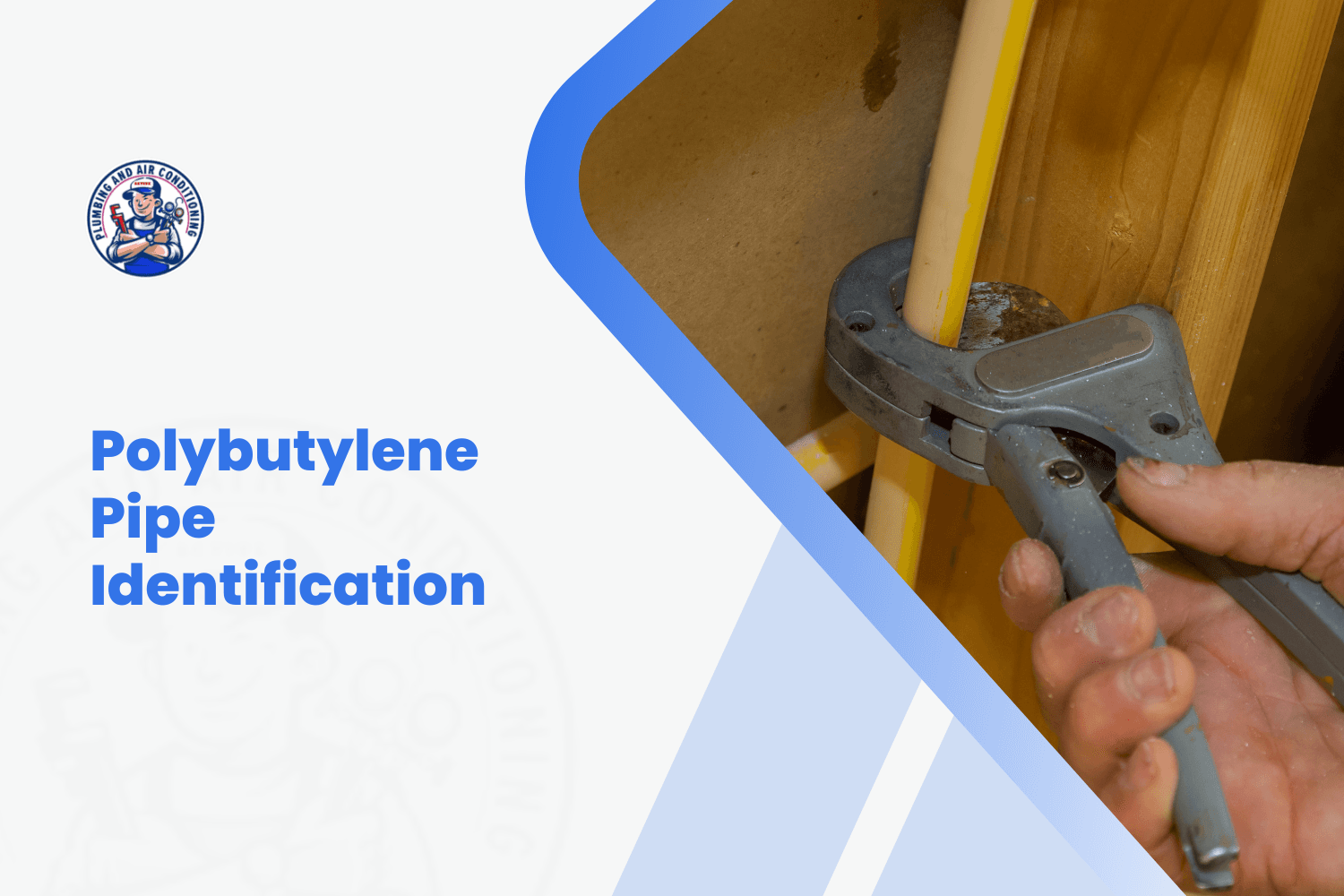
Polybutylene Pipe Identification: Which Vegas Neighborhoods Still Have It
Learn how to identify polybutylene pipe, which Las Vegas neighborhoods still have it, why local water makes it fail faster, and what a modern repipe costs.
How-To Guides
How to Choose Between Trenchless and Traditional Sewer Repair in Las Vegas
Trenchless or traditional sewer repair in Las Vegas? Compare costs, timelines, soil factors, and when each method fits your home from Active Plumbing.